Multimedia

E-magazine Young Vietnamese keep Tet traditions alive through hands-on cultural events

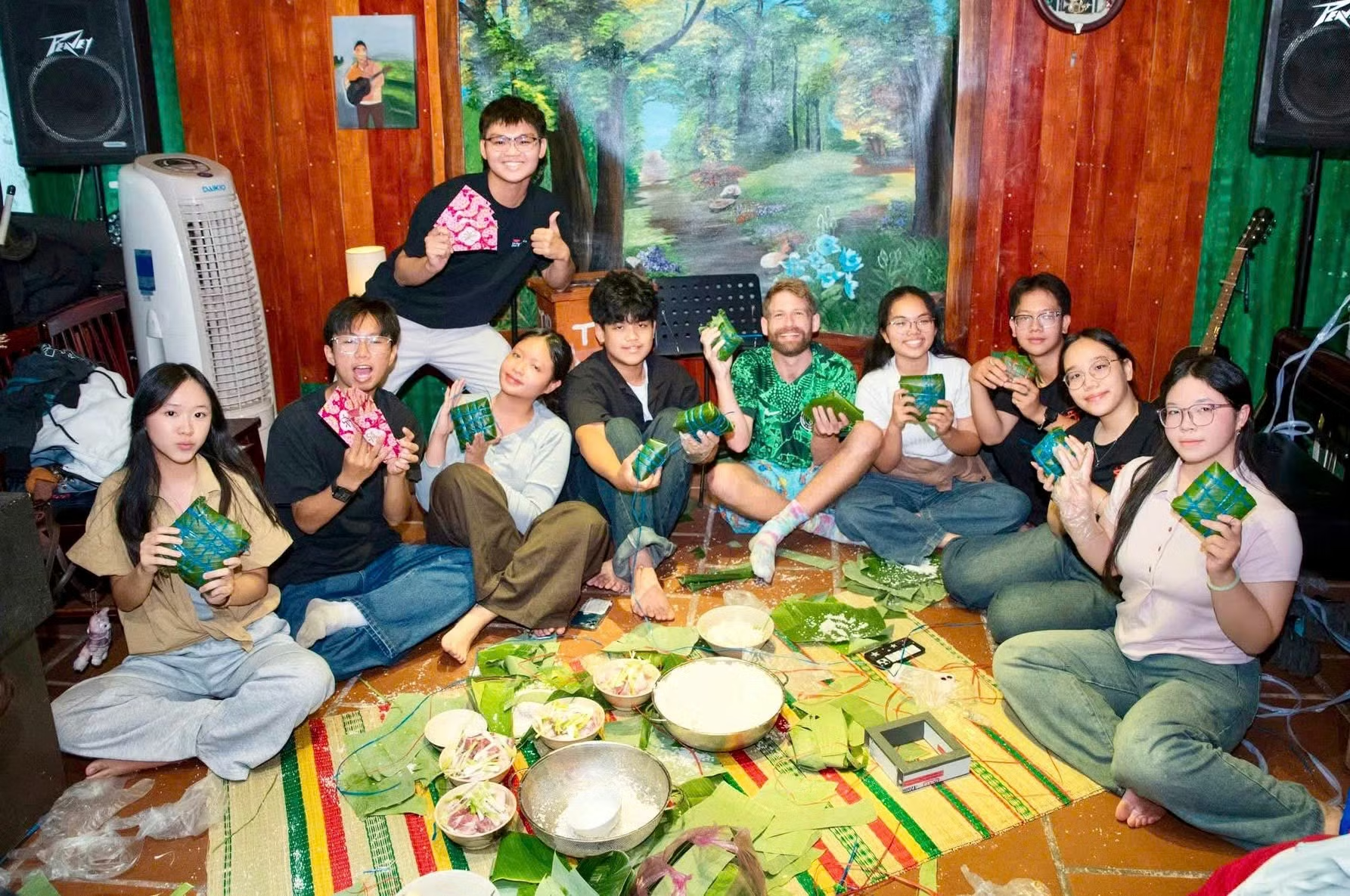
On February 8, more than 30 young participants gathered at Phim Bar in Quy Nhơn Ward for the “Nếp chưng xanh” event, organised by the Glocality Gia Lai Community. Students and foreign guests sat together around baskets of sticky rice, mung beans and pepper-marinated pork belly, learning to wrap bánh chưng, the square sticky rice cake central to Tet celebrations.

Laughter mixed with the sound of banana leaves being folded and bamboo strings tied. Though some cakes were imperfectly shaped, organisers said the value of the event lay not in the final product but in the experience itself.

Lê Minh Bộ, a member of the organising committee, said the group had arranged two Tet-themed activities this season, including an earlier programme titled “Mộng chiều xuân” featuring a discussion on “Tet through the eyes of children”.

“When you arrange the sticky rice and tie the strings yourself, you realise that Tet is not something distant, but a value you can preserve through your own actions”, he said.
nguoi-tre-giu-hon-tet-4.jpg
Everyone is delighted with the bánh chưng and bánh tét they made themselves. Photo: D.L
nguoi-tre-giu-hon-tet-5.jpg
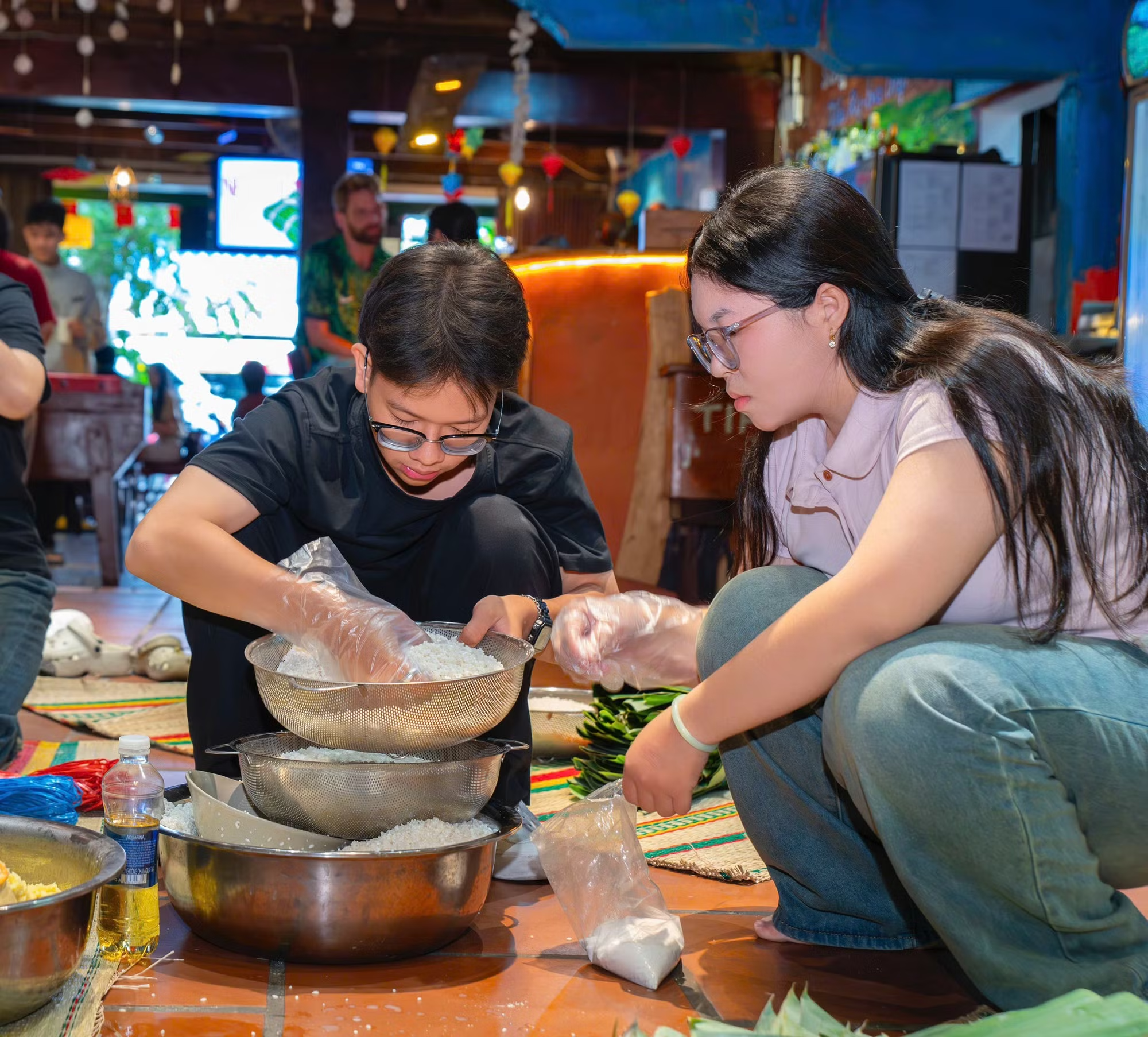
Bách (left) focused on his first experience wrapping bánh chưng. Photo: D.L

For many participants, the experience offered a new perspective. Đỗ An Bách, wrapping bánh chưng for the first time, said he had previously watched older family members make the cakes with ease.

“But when I tried it myself, I realised every step requires patience. I feel closer to Tet when I can do it myself, not just watch”, he said.

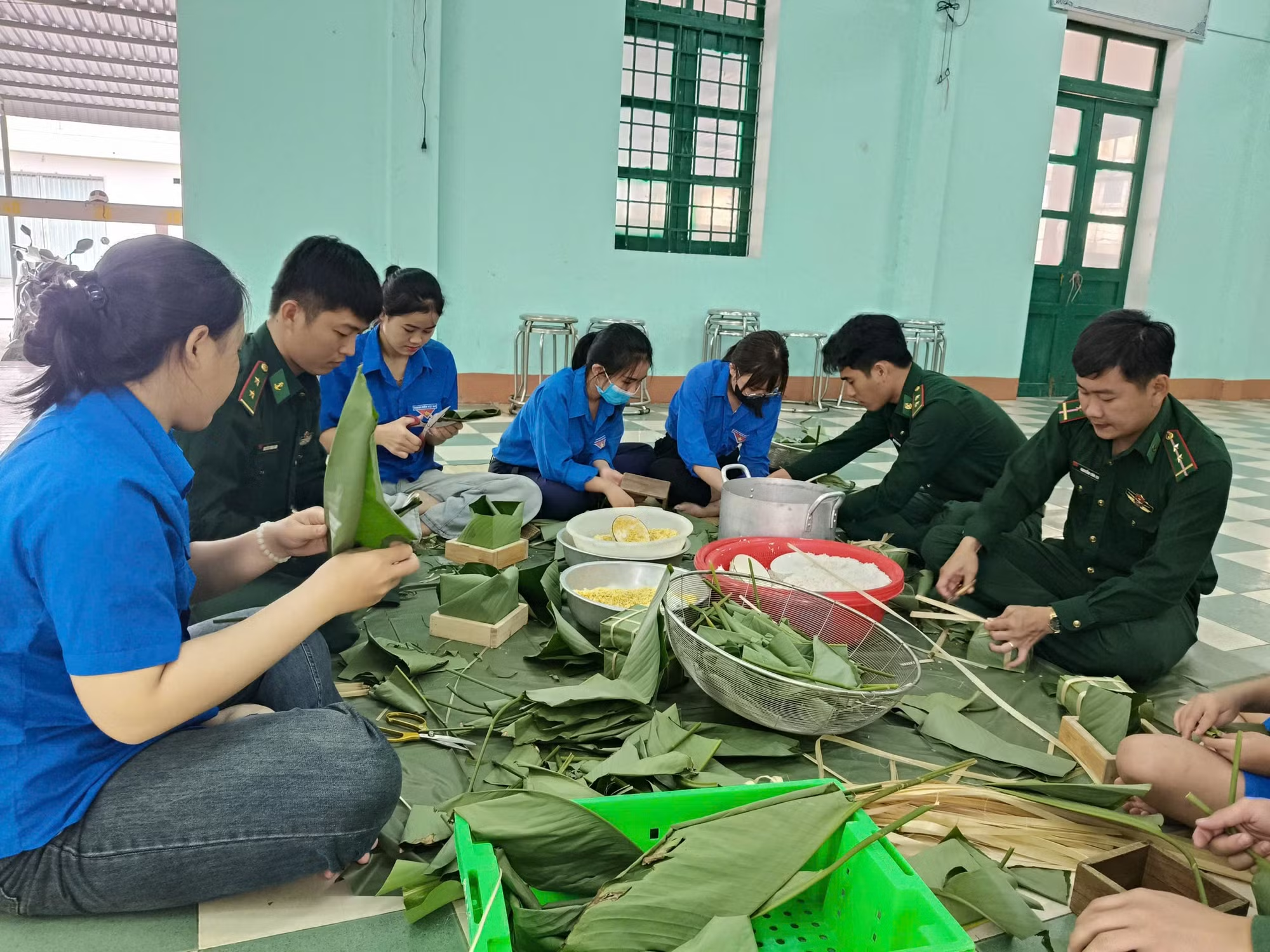
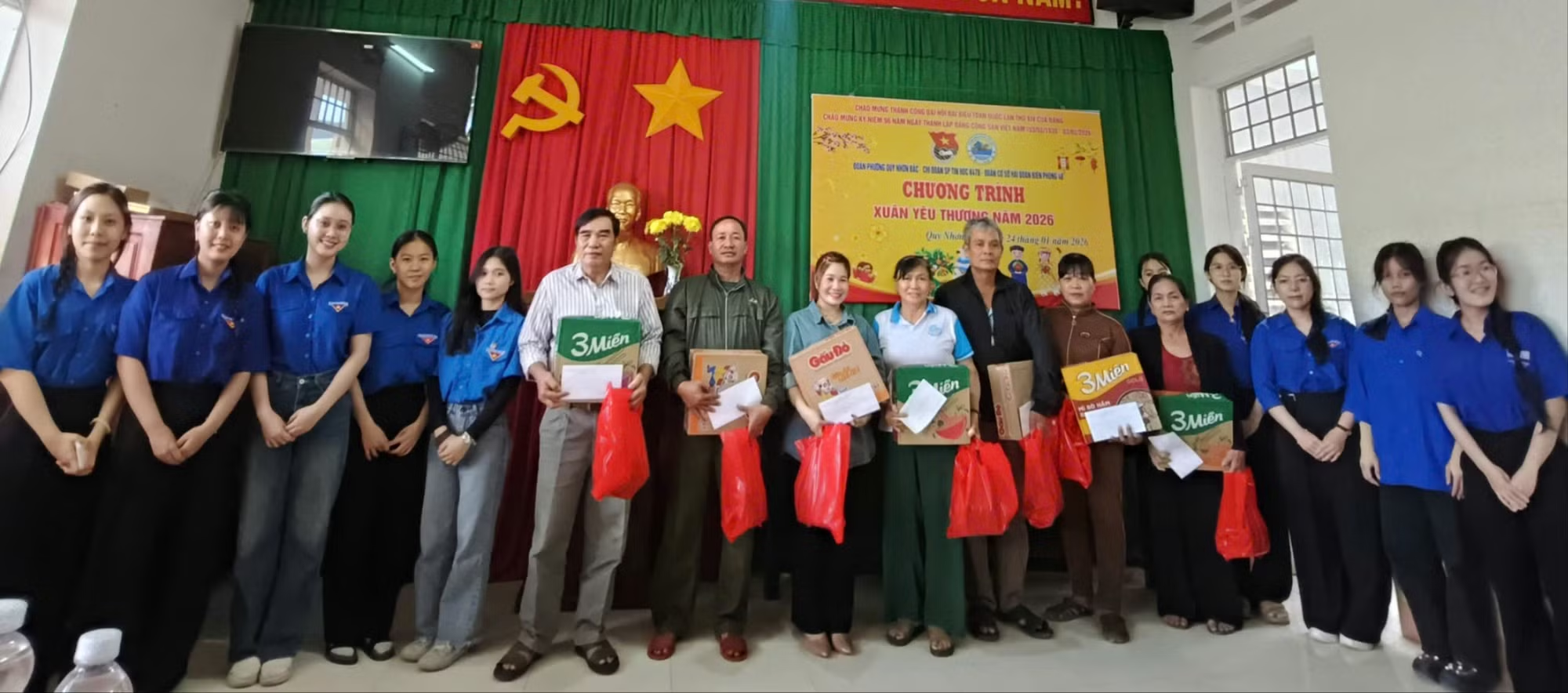
The spirit of sharing extended beyond celebration. In 2026, the Youth Union of the 48th Border Guard Squadron, in collaboration with the Youth Union of Gia Lai Medical College and other units, organised the “Spring of Love” programme. The bánh chưng prepared during the initiative were delivered directly to disadvantaged families in Bắc Quy Nhơn Ward.
nguoi-tre-giu-hon-tet-1.jpg
Youth union members from various units wrap cakes to give to local residents. Photo: Trương Tấn Sang

Senior Lieutenant Trương Tấn Sang, Public Affairs Officer of the 48th Border Guard Squadron, said the activity combined tradition with community care.

“Each cake carries with it a sense of sharing and the hope that everyone can have a warmer Tet,” he said.
nguoi-tre-giu-hon-tet-2-8896.jpg
The cakes were delivered directly to residents of Bắc Quy Nhơn Ward. Photo: Trương Tấn Sang

Educational institutions have also turned Tet into an opportunity for cultural engagement. On January 27, Quy Nhơn College of Engineering and Technology hosted its “Celebrating the Party – Welcoming Spring 2026” festival, bringing together seven teams of students. Competitions ranged from making bánh chưng and bánh tét to arranging five-fruit trays, practising calligraphy and playing traditional folk games.

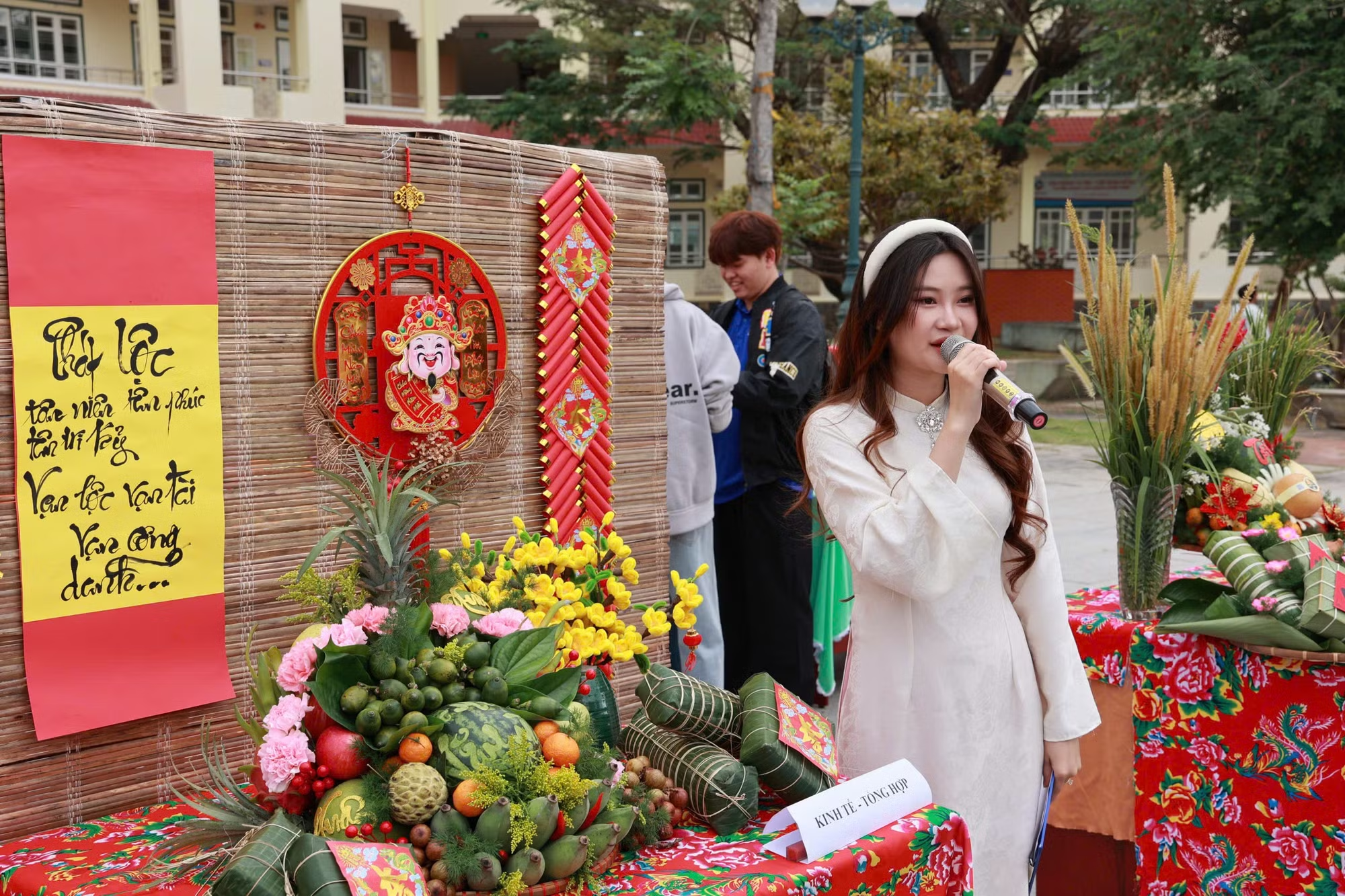
Lê Thị Kim Yến, a Business Administration student, said the preparations deepened her understanding of Tet symbolism.

“When preparing the five-fruit tray with friends, I realised each fruit has its own meaning. Tet feels more intimate when shared with the group,” she said.
nguoi-tre-giu-hon-tet-6-1370.jpg
Yến presents about the five-fruit tray at the event. Photo: Provided by Youth Union

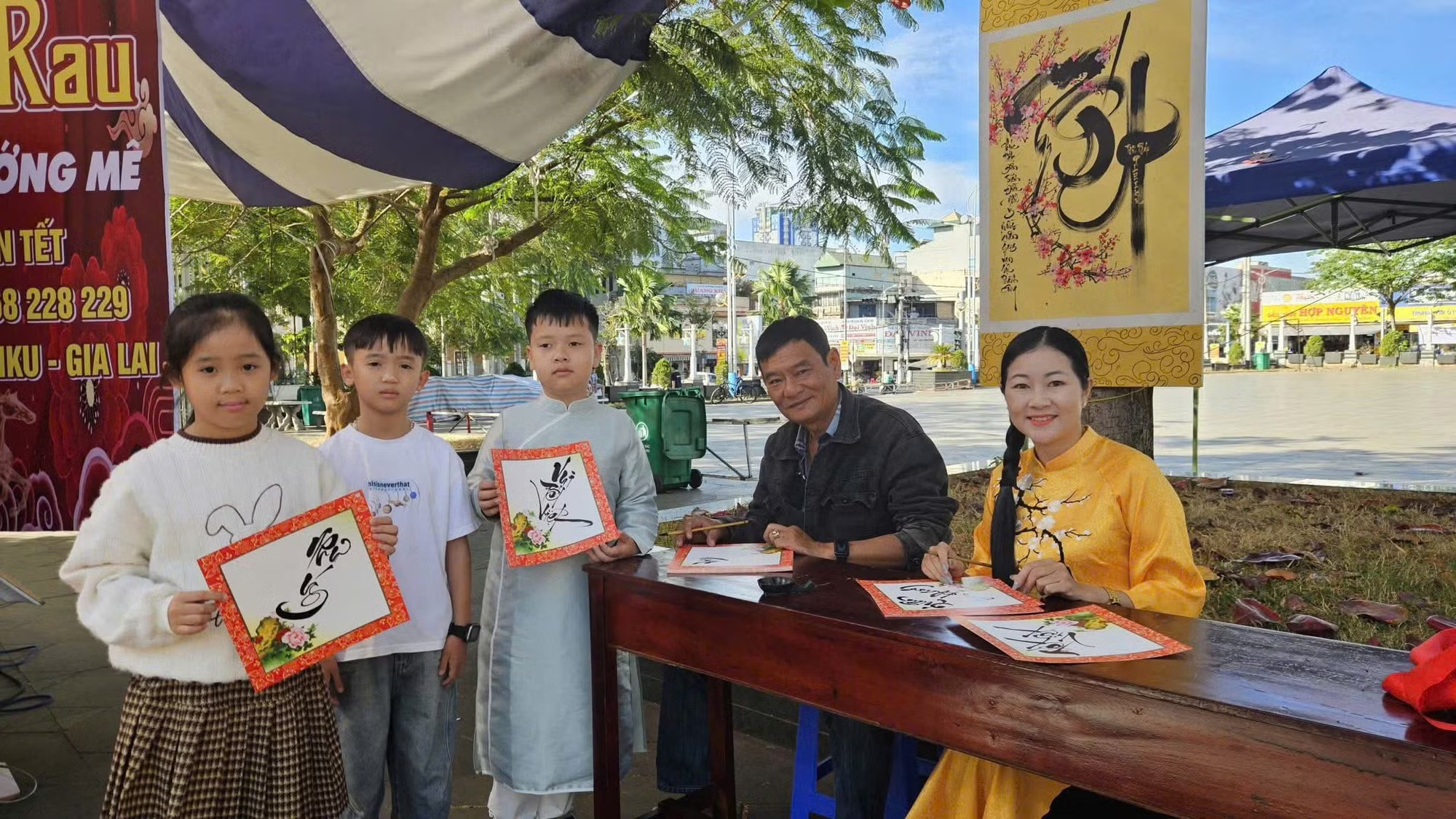
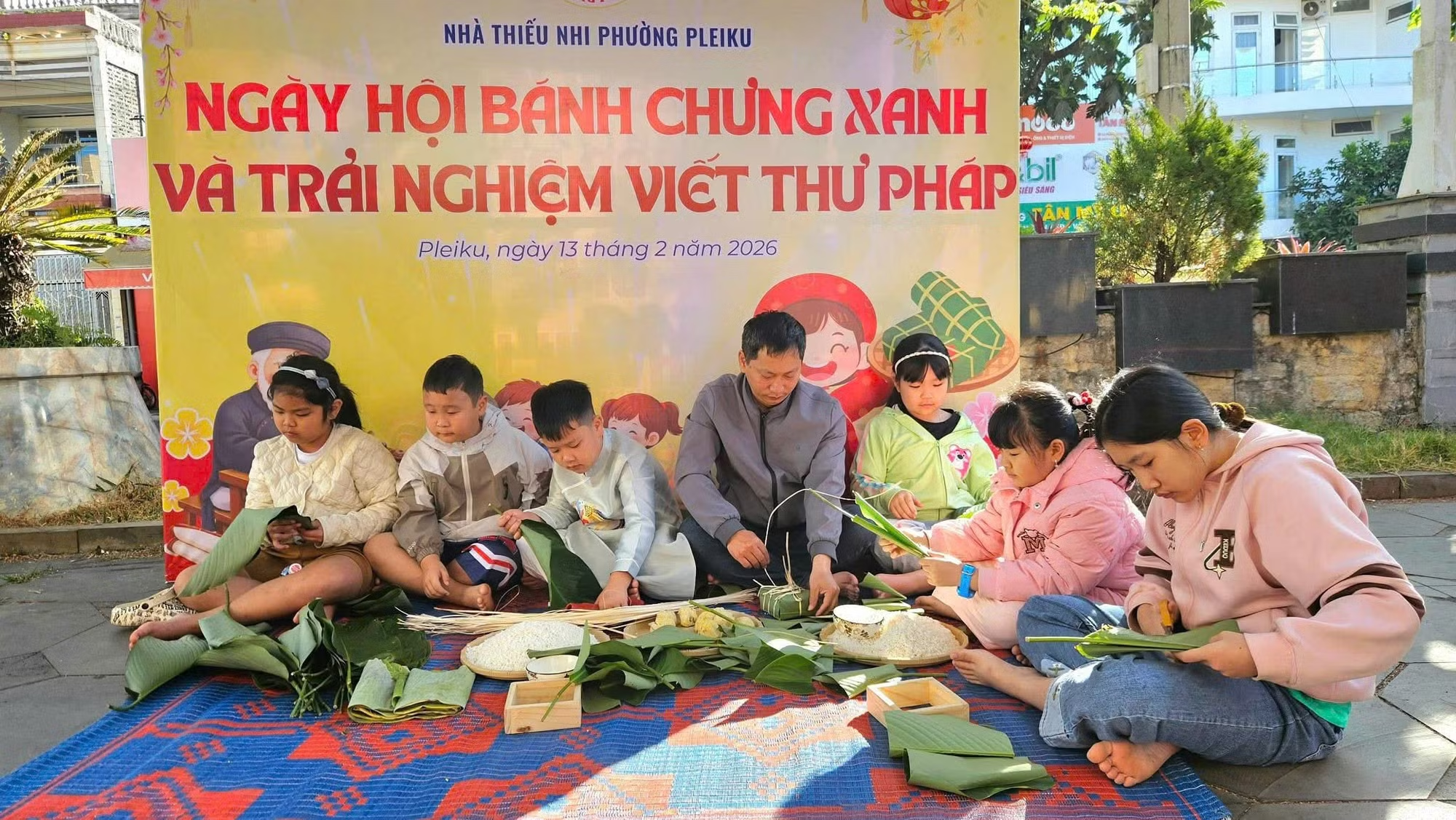
Younger children are also being introduced to Tet traditions through interactive activities. On February 13, the Pleiku Ward Children’s House organised the “Green Bánh Chưng Festival,” combining cake-making with calligraphy sessions exploring the meanings of characters such as “Phúc” (Happiness), “Lộc” (Prosperity), “An” (Peace) and “Nhẫn” (Patience).
nguoi-tre-giu-hon-tet-9.jpg
The flowing, eye-catching calligraphy strokes fascinated the children and helped them understand why calligraphy is often displayed during Tet. Photo: Provided by Youth Union

At Hồ Tùng Mậu Primary School in Biển Hồ Commune, the “Spring for Children – I Love Jrai Culture” programme on February 11 recreated the festive atmosphere of a traditional spring. Students in grades three to five built miniature Jrai communal houses using cardboard, twigs and bamboo sticks, while younger pupils drew and coloured Jrai brocade patterns.
nguoi-tre-giu-hon-tet-8.jpg
Experiencing cake-wrapping with loved ones will be a beautiful memory, helping children cherish traditional Tet. Photo: Provided by Youth Union

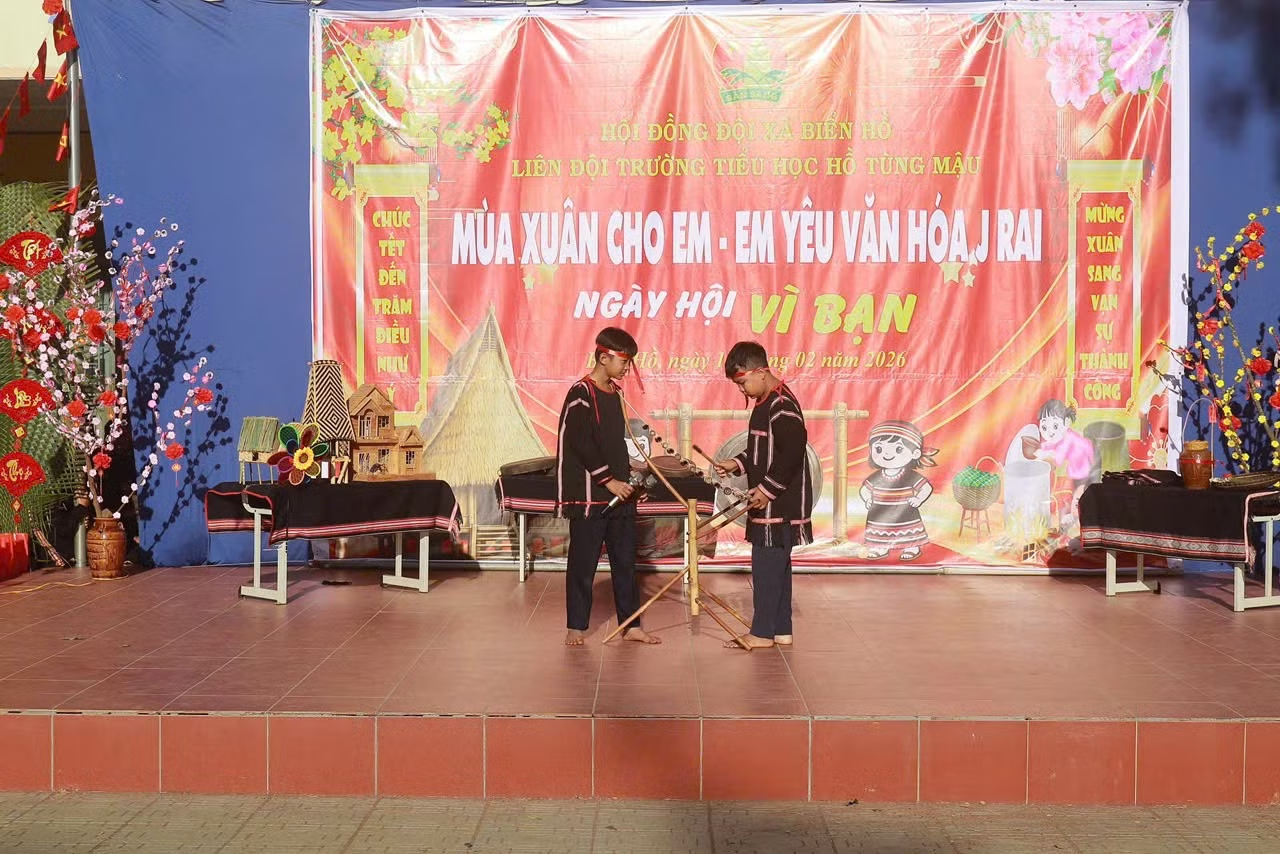
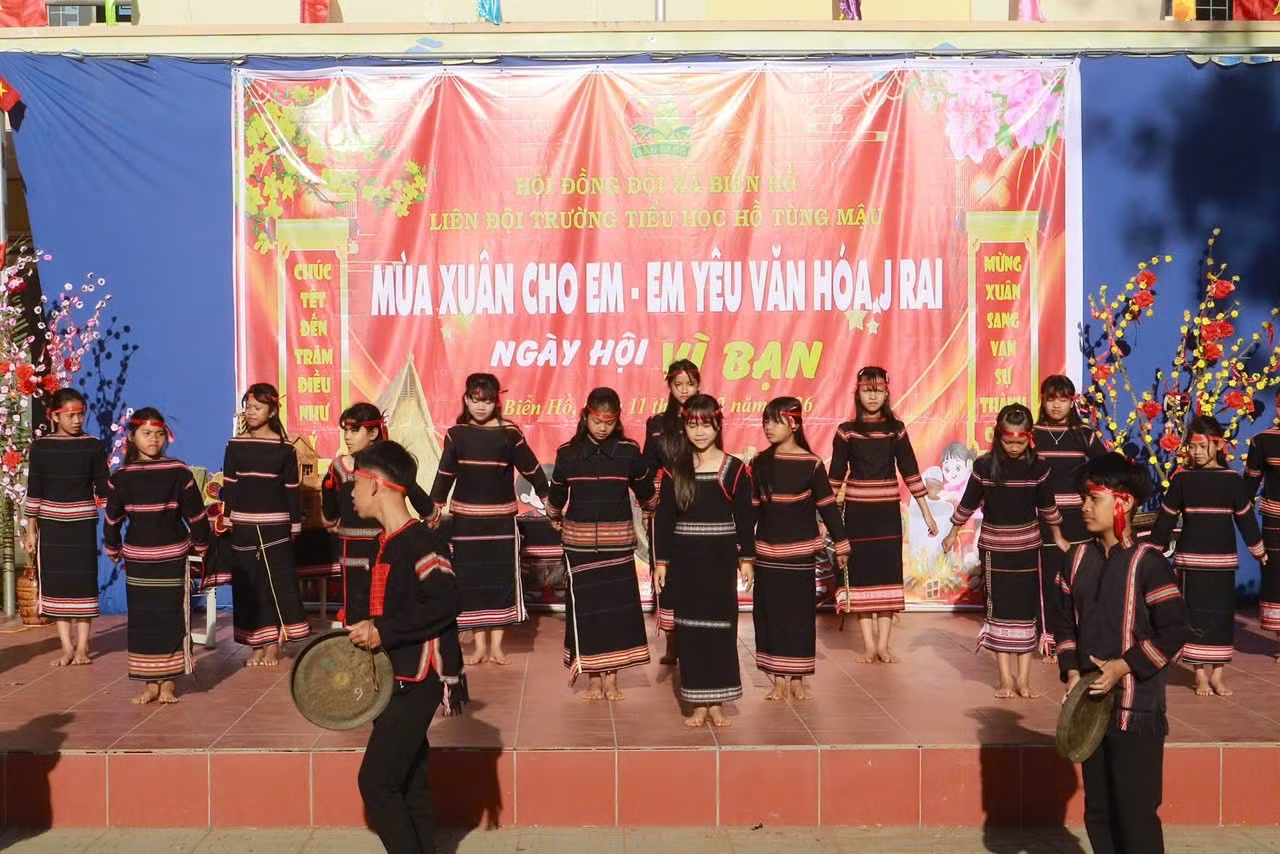
Performances of t’rưng xylophone, xoang dance and gong ensembles by student groups, along with mass dances involving teachers and pupils, added to the celebration.
nguoi-tre-giu-hon-tet-3.jpg
Hồ Tùng Mậu Primary School team members perform the t’rưng xylophone. Photo: Provided by Youth Union

Ms Đưp, head of the school team, said the aim was to ensure children experienced Tet as part of their own lives rather than as abstract tradition.

“When they build communal houses, play gongs, dance xoang or draw brocade patterns themselves, they understand it is part of their own lives,” she said. “Through these concrete experiences, a love for culture will naturally form.”
nguoi-tre-giu-hon-tet-7.jpg
Gong and xoang dance performances by the “young artists” of Hồ Tùng Mậu Primary School help preserve Jrai culture during Tet. Photo: Provided by Youth Union

Across Gia Lai, such initiatives suggest that while Tet is rooted in centuries-old customs, its spirit continues to evolve, carried forward by a generation choosing to preserve it through action, creativity and community.
You may be interested

Memory Compartment No. 1: The scent of Tet
Memory Compartment No. 1: The scent of Tet

As the Lunar New Year approaches, the first episode of the podcast "Ngăn ký ức" (Memory Compartment) opens the door to the memories of the 1980s generation, where the scent of Tet lingers from classrooms, market corners, and kitchen spaces to the crackling sound of firecrackers.

Gia Lai's stories: Spreading shades of inspiration

Gia Lai's stories: Spreading shades of inspiration

(GLO) – The podcast “Người Gia Lai kể chuyện” (Gia Lai's stories) kicks off its journey with the vibrant colors brought to life by artist and teacher Đinh Việt Thanh. This is a story of art, family, dedication, and the seeds of passion sown to help each person fully embrace their true self.

Preparations Completed for the Opening of Cho Nho Night Street

Cho Nho night street ready for operation

On January 25, Pleiku Ward urgently completed the final touches to the landscape along the embankment of the Hoi Phu Stream, preparing to welcome visitors to explore the Cho Nho Night Street. This project began its trial run on the evening of January 25 and will officially open on January 30.

Classrooms Without Walls: Learning from cultural heritage

Classrooms Without Walls: Learning from cultural heritage

Join students from Tran Cao Van High School No. 1 (Quy Nhon Ward) as they visit the fishing village of Nhon Hai, home to the vibrant Cau Ngu Festival. Here, students experience vivid lessons on cultural preservation, environmental protection, and the responsibilities toward seas and islands.

Quang Trung Museum

Quang Trung Museum – A monument to heroic history

The Quang Trung Museum, located in Tay Son commune, serves as a memorial to the peasant hero Nguyen Hue (Emperor Quang Trung) and the Tay Son uprising. It is also a captivating cultural and historical destination in the land renowned for martial arts.

Amateur swimmer: The pride of Gia Lai school sports

Amateur swimmer: The pride of Gia Lai school sports

Although not a professional athlete, student Nguyễn Hoàng Khôi Nguyên has made a name for himself at numerous swimming competitions. His achievements mark a proud milestone for school sports in Gia Lai, especially in a discipline that has yet to become a regional strength in the Central Highlands.

Classrooms without walls: Learning from the names of streets

Classrooms without walls: Learning from the names of streets

In this edition of the "Classroom without walls" program, pages of history and geography textbooks come alive in the heart of the mountain town. Students from Asia-Pacific International School explore their homeland through a journey discovering streets named after historical figures.

Eo Gió-Quy Nhon East

Eo Gió—A majestic natural landscape

(GLO) – Eo Gió (Quy Nhơn East Ward) is an ideal tourist destination for watching the sunrise and sunset, strolling along the mountain-side paths, and capturing “Instagram-worthy” photos with the vast sea and sky as your backdrop.

An Tuong launches the "Digital Family" movement

An Tuong launches the "digital family" movement

The first “Digital family” model in Gia Lai province has just been launched in An Tuong commune. This initiative is identified as a foundational solution to realize the goal of building a digital government, digital citizens, and a digital society at the grassroots level.