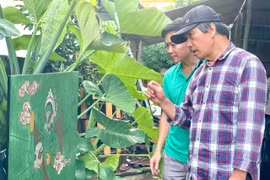
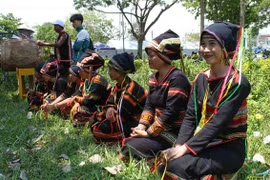
In Krong commune, ten influential village leaders have helped mobilize residents to donate land for new roads to production areas, shift occupations, expand livestock farming, and participate in forest protection contracts. Officials say these efforts are contributing to better infrastructure and improved livelihoods, supporting sustainable rural development.
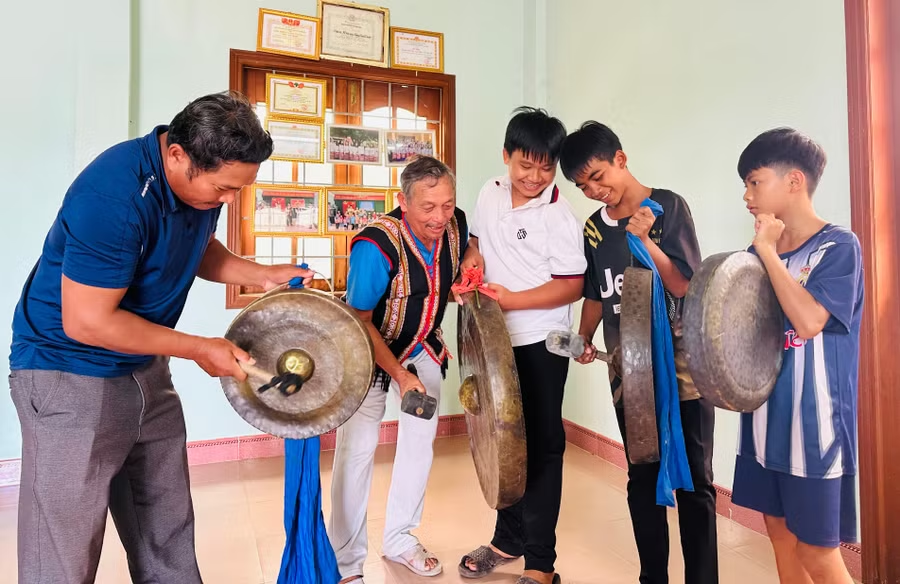
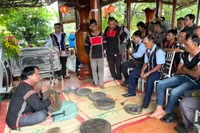
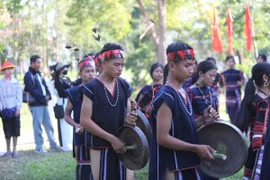
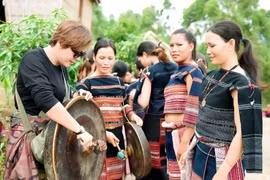
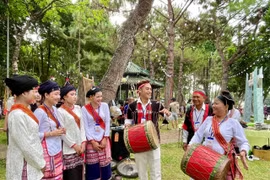
In Vân Canh commune’s Canh Thành village, 68-year-old Nguyễn Văn Chiếu of the Chăm H’roi ethnic group is widely trusted for promoting hygiene, household improvements, and economic development. He has also spent years teaching traditional gong culture to children, helping them understand and take pride in their ethnic roots. Most local children can now perform gong music during festivals with strong rhythm and confidence.
Thanh Quốc Trường, 14, said Chiếu not only teaches technique but regularly encourages young people to preserve their cultural heritage.
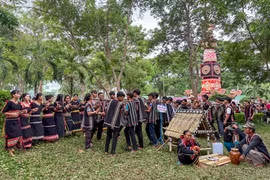
Local authorities credit respected figures like Chiếu for supporting Project 6, which aims to protect and promote ethnic cultural values in connection with tourism development under the National Target Program for socio-economic development in ethnic minority and mountainous areas from 2021 to 2030.
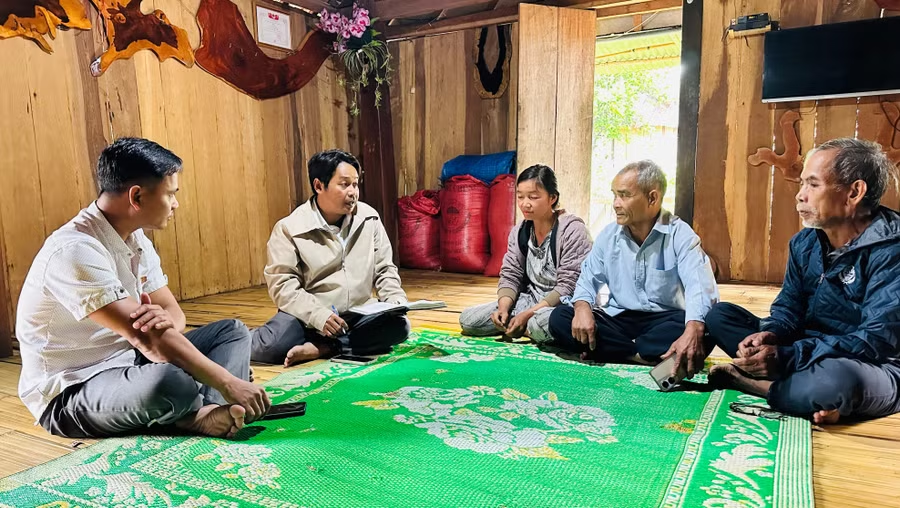
In Vĩnh Quang commune’s Village 6, former widespread child marriage has declined significantly thanks to the persistent advocacy of 72-year-old Bahnar community leader Đinh Phik. Working with local organizations, he has visited households to explain the legal consequences of early marriage, resulting in several years without new cases. He continues to encourage families to sign commitments against the practice and urges commune authorities to strengthen oversight.
Communal authorities say respected leaders have made concrete contributions to public outreach, national target programs, and social progress in remote areas. Nguyen Công Đạo, Secretary of Krong Commune Party Committee, said these figures have helped eliminate outdated customs, strengthen welfare, and raise living standards.
In the coming period, communes plan to organize seminars, training, and recognition programs to encourage respected leaders to continue their roles. Authorities also aim to improve communication skills, increase community participation in infrastructure projects, promote agro-forestry linked with forest protection, and protect cultural identity to sustain ongoing progress.