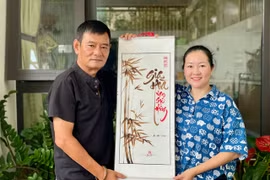
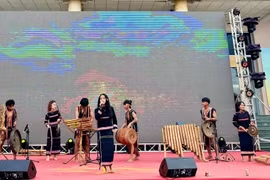
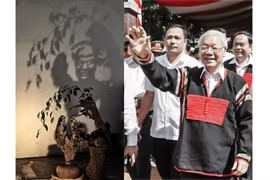
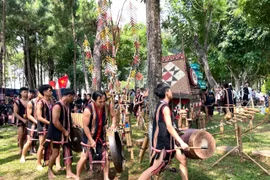
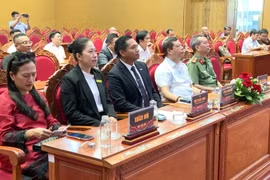
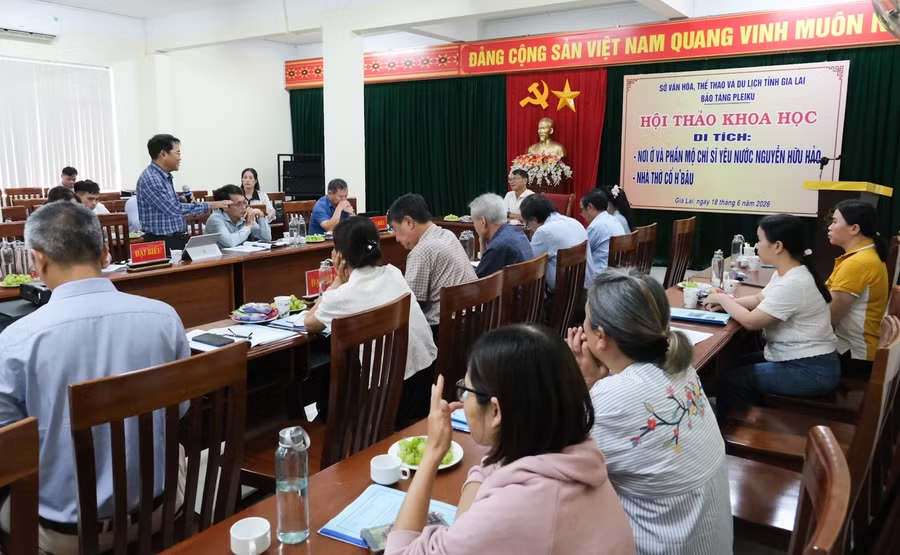
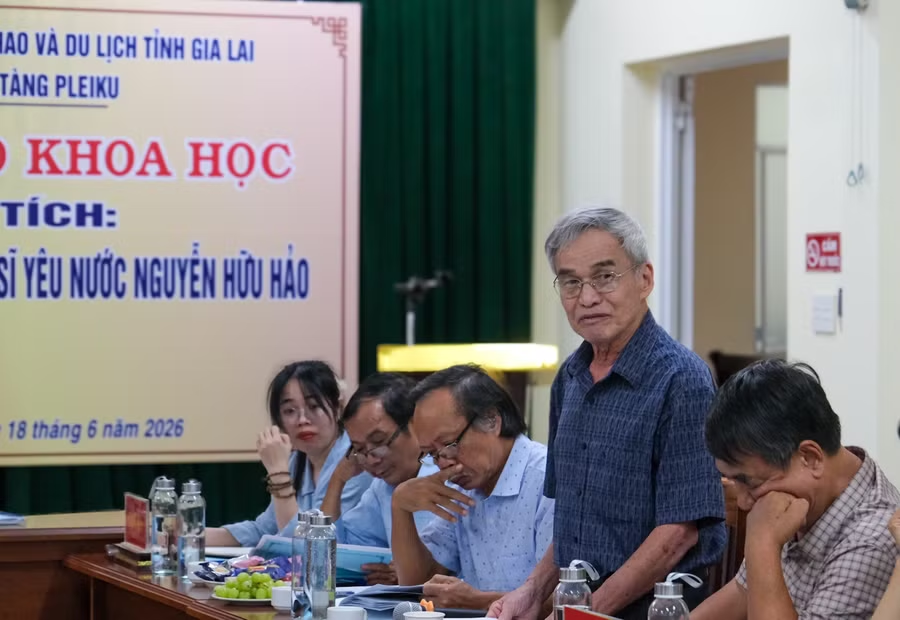
The seminar, organized by the Pleiku Museum, brought together Nguyễn Văn Ý, deputy director of the Department of Culture, Sports and Tourism, alongside representatives of agencies, local authorities, researchers and cultural experts from both inside and outside the province.
Participants said the recognition process would provide a legal foundation for preserving and promoting the historical and cultural values of the two sites.
According to heritage records, Nguyen Huu Hao played an important role in the Cần Vương movement and in anti-tax and anti-French colonial campaigns in the Thượng An-An Khê area, formerly part of Bình Khê District in Bình Định Province. He also contributed to land reclamation, village establishment and the protection of local communities during the late 19th and early 20th centuries.
His shrine and grave, located in Thượng An 3 Hamlet in Cửu An Commune, have been preserved by his descendants and remain tangible evidence of his life and activities.
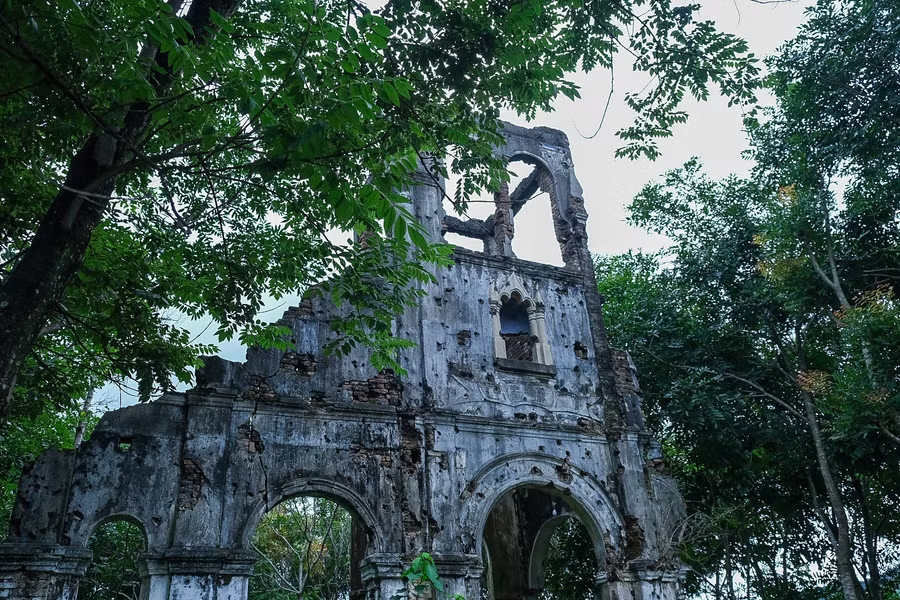
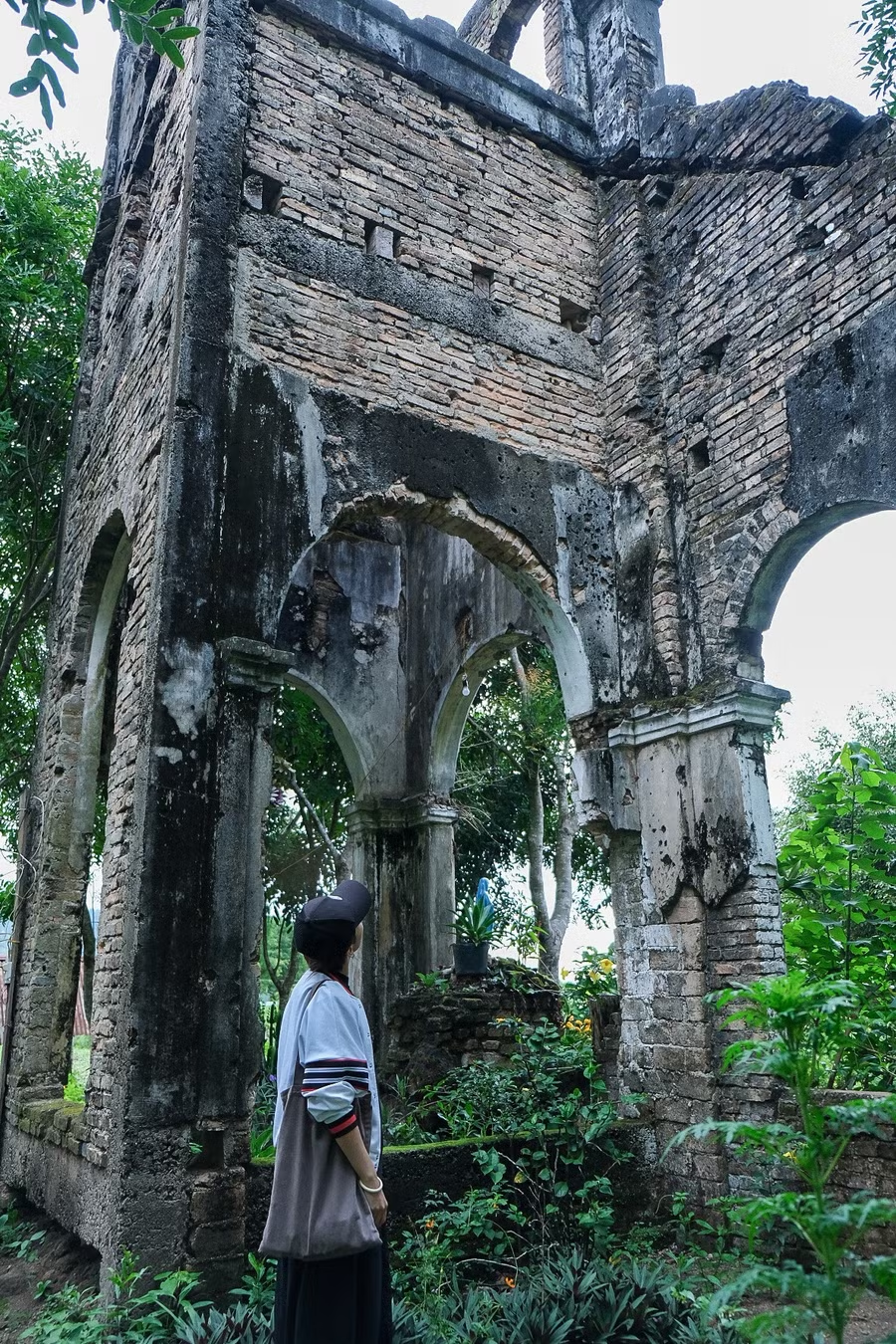
Delegates also emphasized the significance of H’Bâu Ancient Church in Xóa Village, Biển Hồ Commune, about 3 km from Chư Đang Ya volcano. Built in 1909, the church is considered one of the earliest religious structures in the northern Central Highlands, marking the beginning of missionary activities and the presence of the French in the region.
The building showcases early 20th-century construction techniques that combined local materials with Western Gothic arch designs. Chinese characters on the façade provide evidence of the year of construction and reflect East Asian influences on architecture and aesthetics during that period.
Although more than a century of weathering and the impacts of war have left only the façade and bell tower intact, the church continues to hold architectural, historical and spiritual significance. Local residents regularly visit the site to pray, lay flowers and light candles during holidays and weekends.
Researchers and delegates at the seminar offered recommendations on documenting the life and contributions of Nguyen Huu Hao, as well as the historical, cultural, architectural and tourism values of H’Bâu Ancient Church.
Their input will be used to complete the dossiers before submission to the provincial People’s Committee for consideration of provincial heritage designation.