The move follows reports by Gia Lai Newspaper and Radio & Television on the appearance of the migratory bird species at the Con Chim ecological area in Thi Nai Lagoon.
According to the commune’s People’s Committee, Thi Nai Lagoon spans approximately 5,060 hectares, making it one of the largest saltwater lagoons in Gia Lai province and a vital source of livelihood for hundreds of thousands of residents living along its shores.
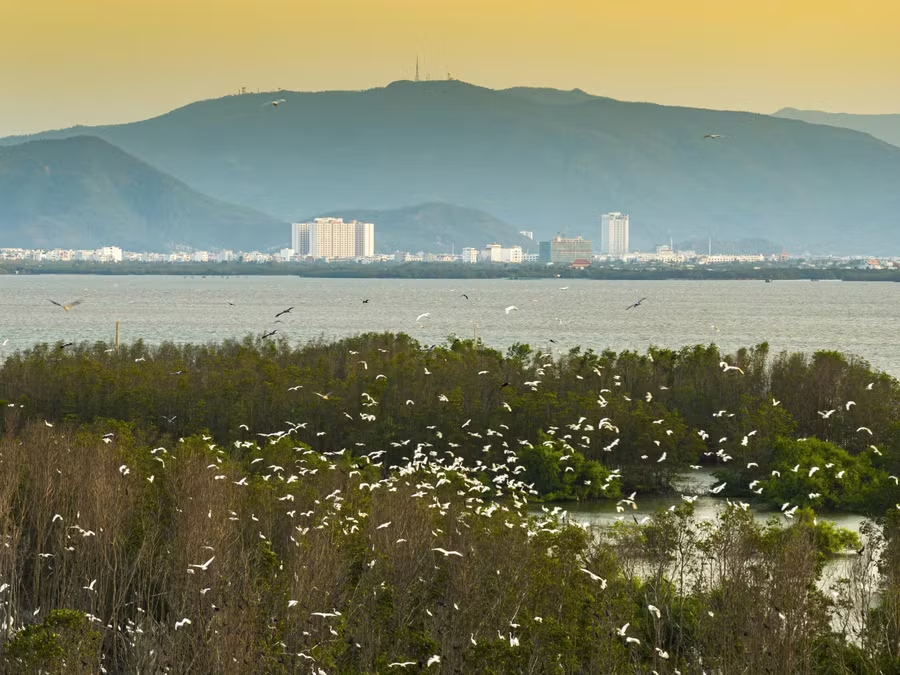
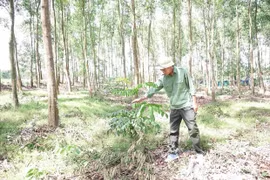
The Con Chim - Thi Nai Lagoon ecological restoration area covers around 480 hectares and is home to a diverse mangrove ecosystem. The area contains mangrove species including Rhizophora apiculata, Bruguiera, Avicennia, Sonneratia and Aegiceras, alongside various waterbirds such as egrets, cormorants, lesser whistling ducks and wild ducks.
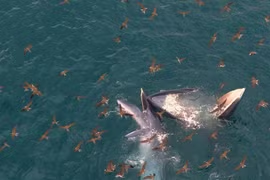
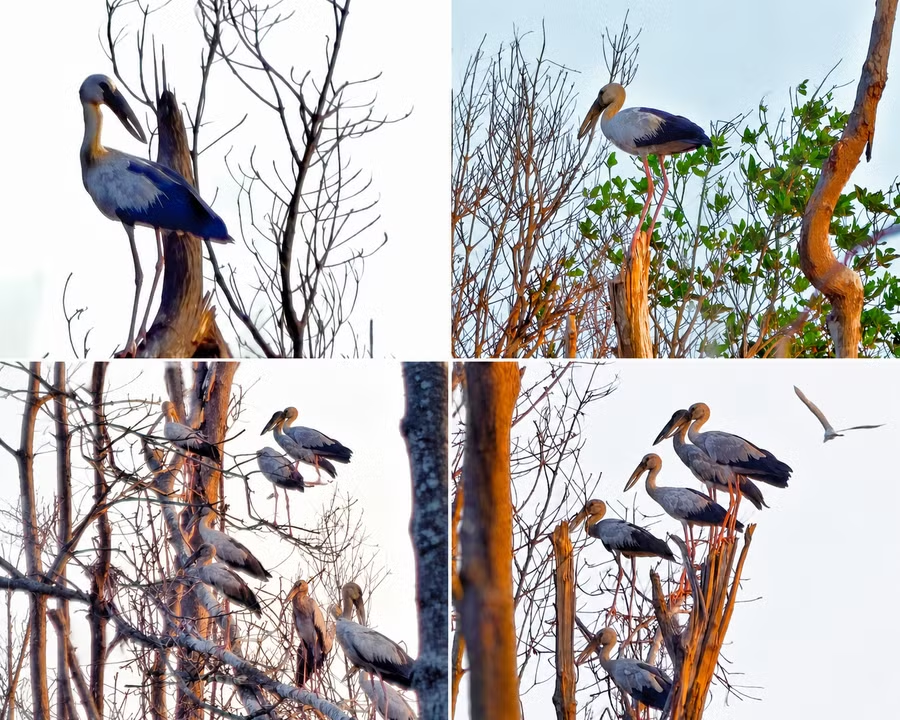
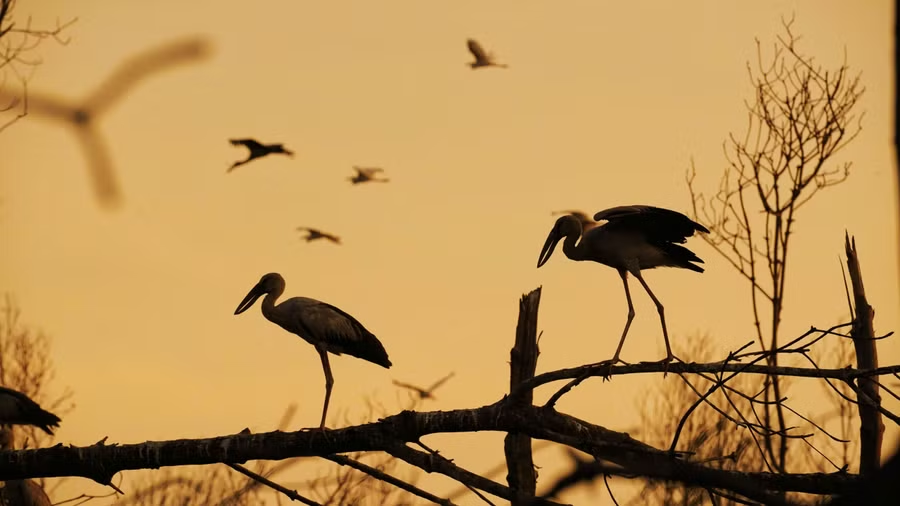
Officials said the recent arrival of large numbers of Asian Openbill storks, locally known as “cò nhạn” or “cò ốc,” has highlighted the ecological importance of the area. The species, which belongs to the stork family, is considered rare and in need of protection.
The commune has called on agencies, organizations, local authorities and residents to strengthen efforts to preserve mangrove forests, wetlands and natural bird habitats. Authorities also urged the public not to buy, use, consume or advertise wildlife products of illegal origin.
Residents have been encouraged to report any activities involving the hunting, trapping, slaughtering, transportation or illegal trade of wild and migratory birds.
The commune’s Department of Culture and Society has been tasked with coordinating special radio programs aimed at raising public awareness about protecting the Con Chim - Thi Nai Lagoon ecosystem. Meanwhile, relevant authorities are increasing inspections and controls to prevent illegal bird hunting and the destruction of mangrove forests in the area.
According to the People’s Committee of East Tuy Phuoc Commune, preserving the Con Chim ecosystem is expected to support biodiversity conservation and climate change adaptation while creating opportunities for eco-tourism and experiential tourism linked to sustainable livelihoods for communities around Thi Nai Lagoon.