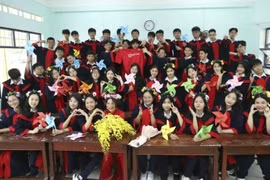
Authorities and schools are implementing coordinated measures aimed at improving both physical safety and psychological wellbeing among students.
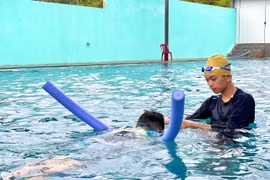
A key focus has been expanding practical, experience-based learning activities to replace traditional one-way teaching methods. Between March 15 and April 22, the provincial Fire Prevention, Fighting and Rescue Police Department conducted more than 80 training sessions across Gia Lai, covering fire safety and drowning prevention.
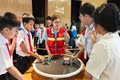
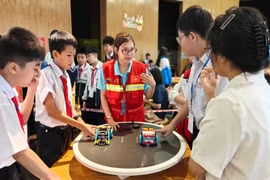
The sessions were tailored to different age groups and emphasized hands-on exercises such as risk identification, fire extinguisher use, emergency escape, and under-water safety skills.
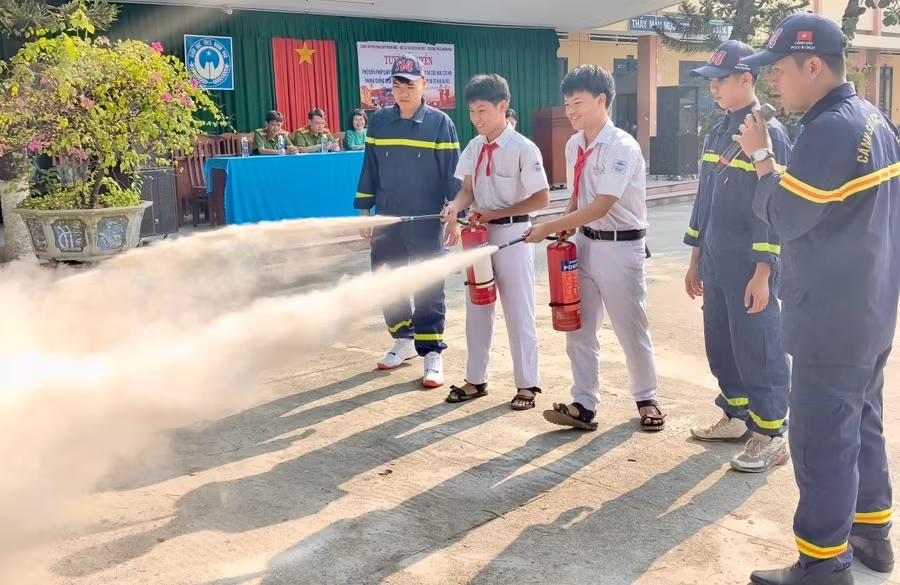
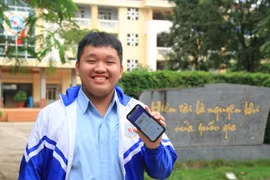
Students reported increased confidence following the training. Nguyen Tran Anh Quan, a Grade 7 student at Nhon Phu Secondary School, said practical exercises helped him better understand how to respond to fire and water-related emergencies, improving his ability to protect himself.
At the local level, schools and youth organizations are continuing these efforts through flexible, interactive programs. On April 16, a forum on accident, abuse, and school violence prevention at Chu Dang Ya Primary and Secondary School No. 1 engaged students through scenario-based games, rescue drills, and group discussions, enhancing knowledge retention through experiential learning.
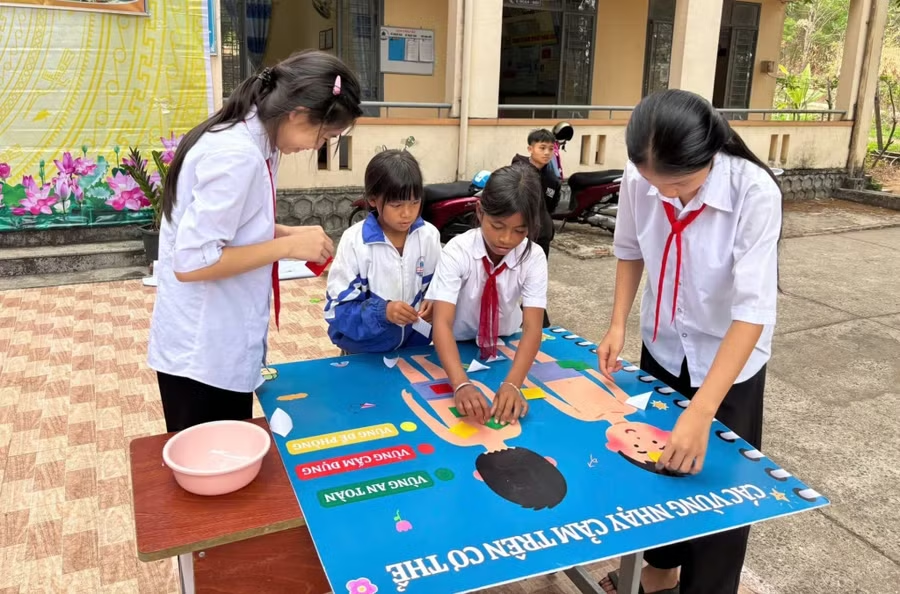
Similarly, more than 350 students at Phuoc Hiep Secondary School participated in mid-April training sessions on accident prevention, water safety, fire response, and emergency evacuation. Local youth officials said integrating such topics into extracurricular activities enables students to absorb knowledge more effectively and develop real-life response skills.
Alongside safety training, schools are placing increasing emphasis on understanding students’ psychological needs. Educators stress that early identification and resolution of students’ concerns can help prevent more serious issues within the school environment.
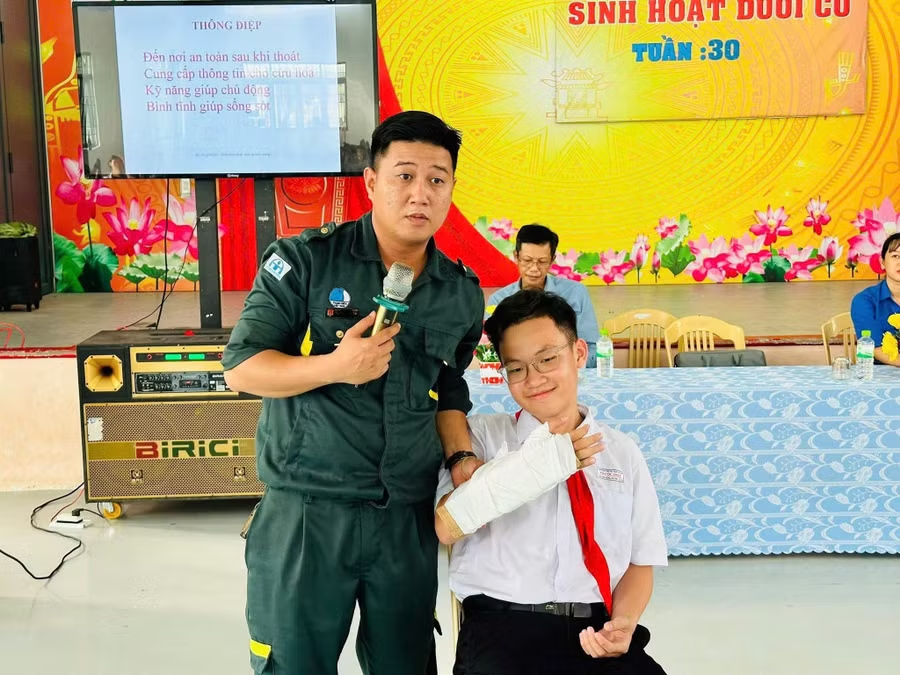
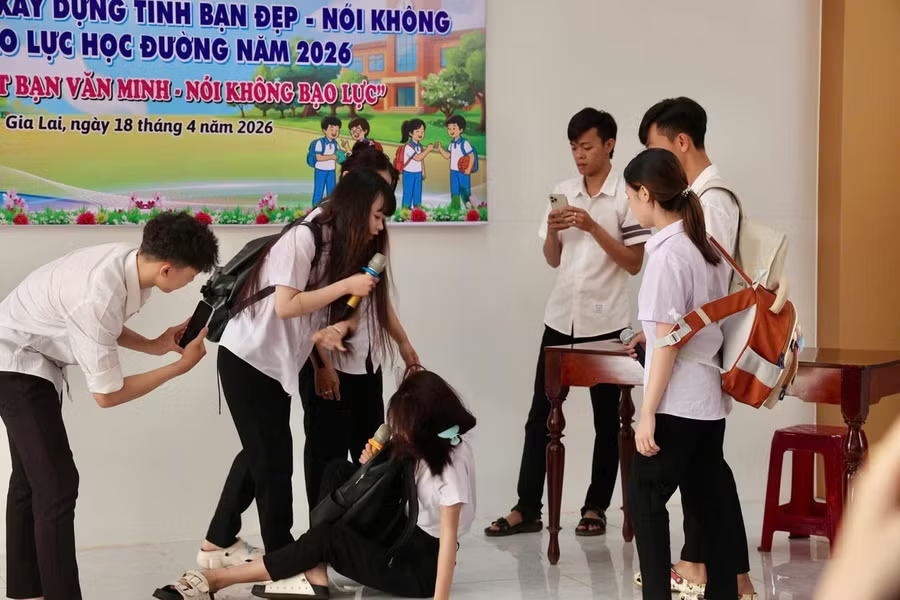
On April 18, around 200 students attended a communication campaign at the Gia Lai Provincial Continuing Education Center focused on preventing school violence. Through dramatized performances and discussions, participants learned conflict resolution, emotional control, and appropriate behavior. The center also introduced a “School Psychology Corner” to support student wellbeing.
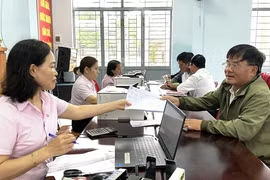
School officials said these initiatives are informed by ongoing psychological monitoring. Teachers, parents, and surveillance systems are used to detect early signs of behavioral issues, allowing timely intervention. Cases are categorized and addressed with tailored educational measures to prevent escalation.
The School Psychology Advisory Team, comprising school leaders, trained teachers, and relevant personnel, plays a central role in supporting students. The team provides counseling, helps students adjust behavior, and strengthens their social skills both offline and online.
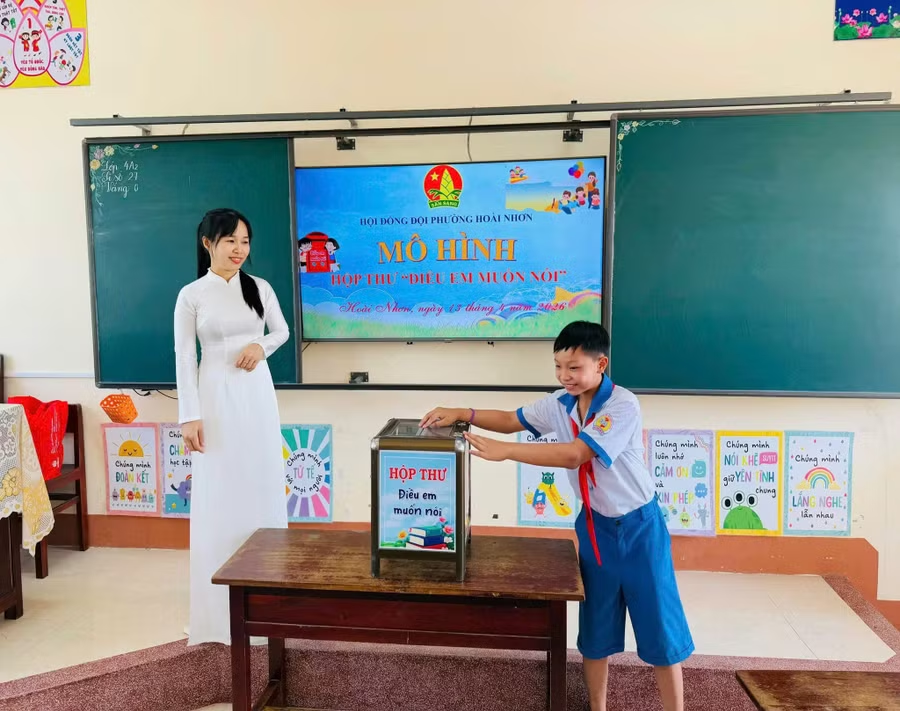
At the primary level, schools are adopting more accessible approaches to student engagement. Hoai Thanh Primary School No. 2 launched a rotating “What I Want to Say” mailbox, allowing students to confidentially share concerns about academics, friendships, and school life.
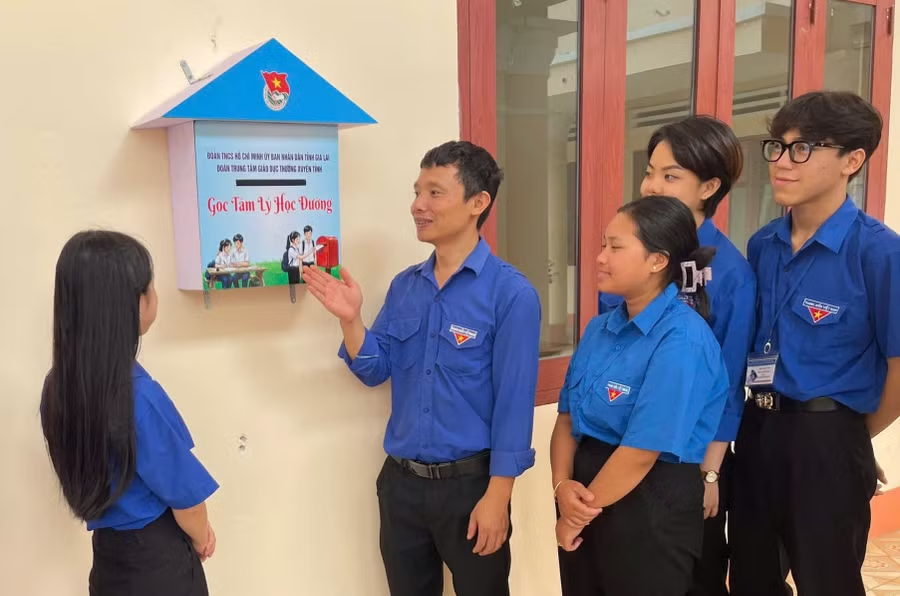
Since its introduction on April 13, the initiative has received numerous student submissions, many expressing a desire for more experiential activities and life skills education. Students said the mailbox offers a comfortable alternative to direct communication, helping them voice concerns more openly.
Education officials in Gia Lai say that as social influences and student issues grow more complex, schools must adopt comprehensive, proactive strategies. These include combining life skills training, psychological support, and open communication channels to ensure a safe and progressive learning environment.