Across hospitals and medical centers, authorities are expanding communication campaigns and patient consultations aimed at encouraging healthier habits, including improved nutrition, regular exercise and adherence to treatment plans. These initiatives are designed to shift public awareness from treatment to prevention while reducing the risk of disease complications and recurrence.
Healthcare facilities have adopted diverse outreach formats, including patient club meetings, bedside consultations and specialized discussions on non-communicable diseases, rehabilitation and nutrition. Additional activities, such as hand hygiene campaigns and sports events for medical staff, are helping to reinforce the message of healthy living within both hospitals and the wider community.
The approach is patient-centered, targeting not only individuals receiving treatment but also their families. At Quy Nhon Traditional Medicine and Rehabilitation Hospital, personalized nutrition counseling is being provided to support recovery and improve treatment outcomes.
“Proactive disease prevention is not just a slogan, it must start with small changes in daily routines,” said Dr. Vo Ngoc Phai, the hospital’s director, emphasizing the importance of patient knowledge and self-care in improving treatment effectiveness.
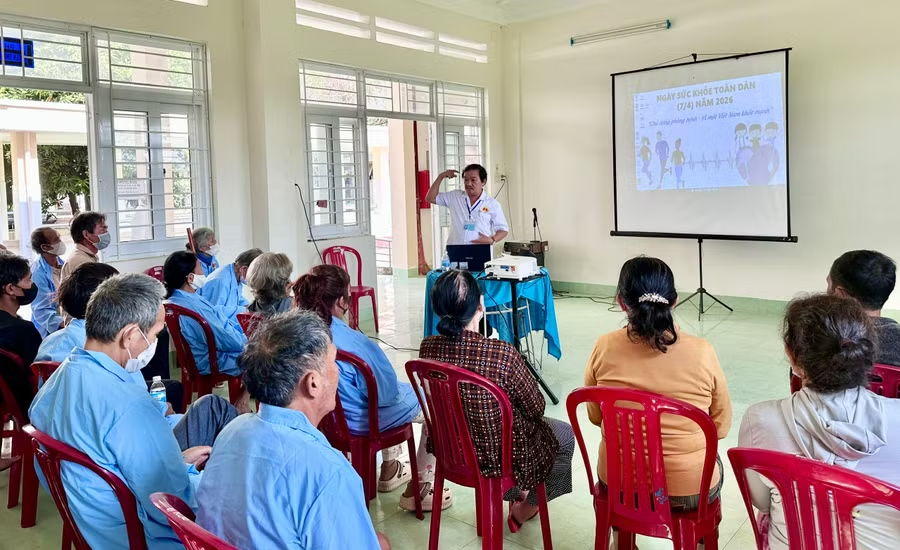
At Quy Nhon Tuberculosis and Lung Disease Hospital, patient club meetings combine consultations and question-and-answer sessions to support adherence to treatment. Patients say the improved services and timely guidance have increased their confidence during recovery.
At the community level, Vinh Thanh Medical Center conducted free health screenings and consultations for around 200 residents in Vinh Quang commune, prioritizing older adults and those at risk of chronic diseases. Participants received health checks and guidance on managing conditions such as hypertension and diabetes.
Individuals identified as at risk were enrolled in monitoring programs at local healthcare facilities, enabling early detection and timely intervention to strengthen primary healthcare outcomes.
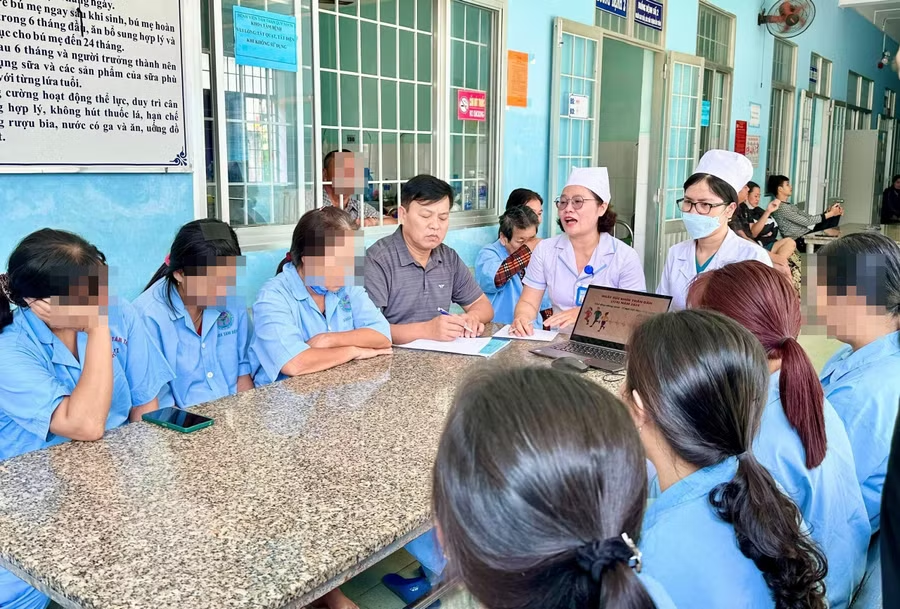
Mental health is also receiving increased attention. Among 15 key communication topics introduced this year, authorities identified mental health care as fundamental to achieving balanced and sustainable well-being.
Quy Nhon Psychiatric Hospital has expanded counseling services for patients and their families, integrating mental health guidance into treatment. In the first quarter of 2026, the hospital recorded more than 11,900 outpatient visits and over 800 inpatient cases, with conditions such as schizophrenia and anxiety disorders remaining prevalent.
Alongside treatment, the hospital is strengthening community-based management of psychiatric patients and expanding services for children and adolescents, focusing on conditions including attention deficit hyperactivity disorder and language disorders. Staff training and tailored treatment protocols are also being developed to improve care quality.
“Human health is a harmonious combination of physical and mental well-being,” said Dr. Ngo Ly Nam, deputy director of the hospital, underscoring the need for a balanced approach that integrates physical activity, proper nutrition and mental care.
The initiatives reflect a broader strategy to embed preventive healthcare practices across Vietnam, aiming to build healthier communities through sustained behavioral change.