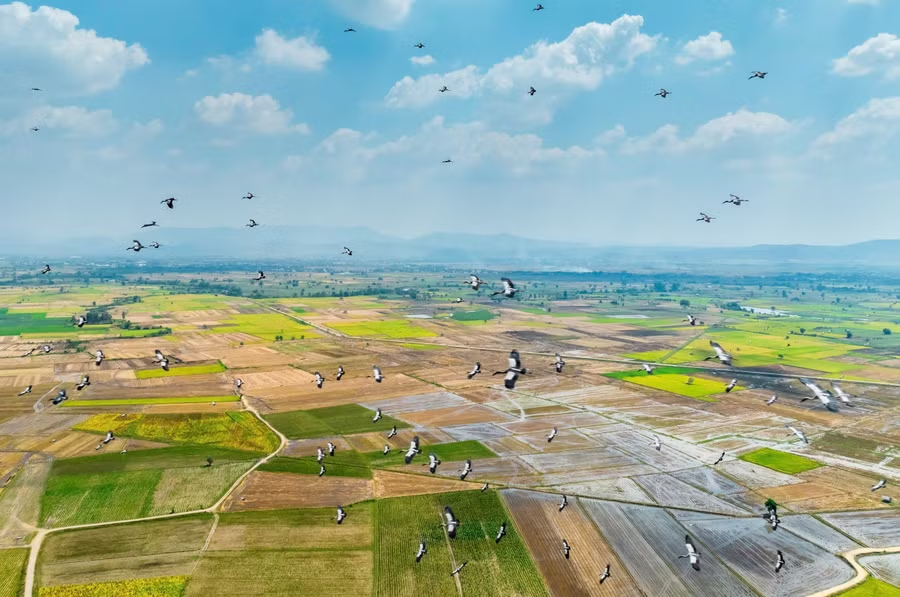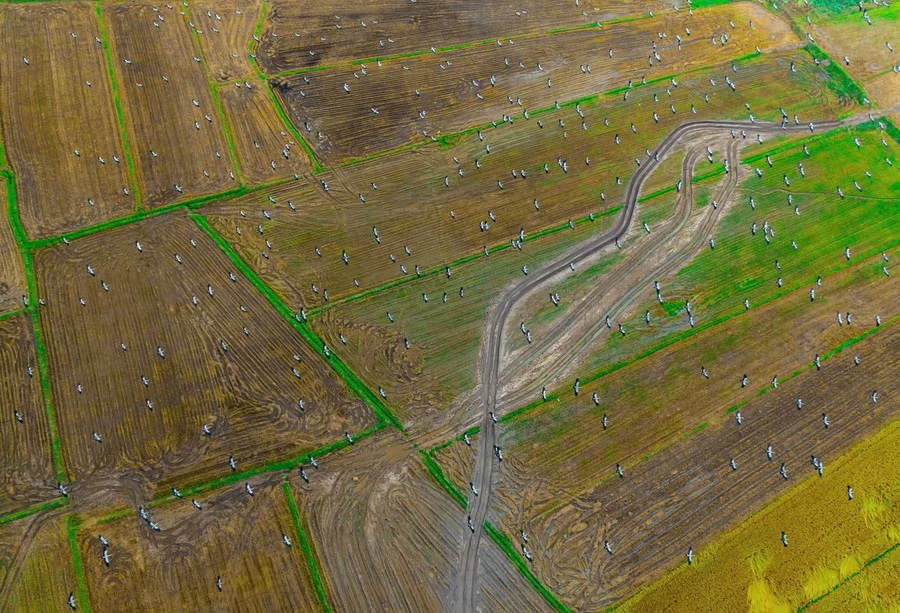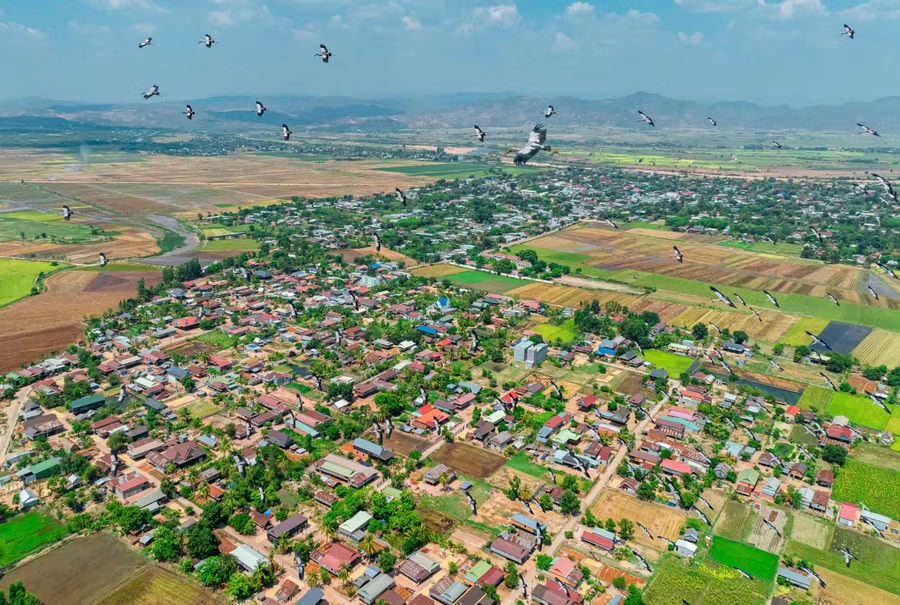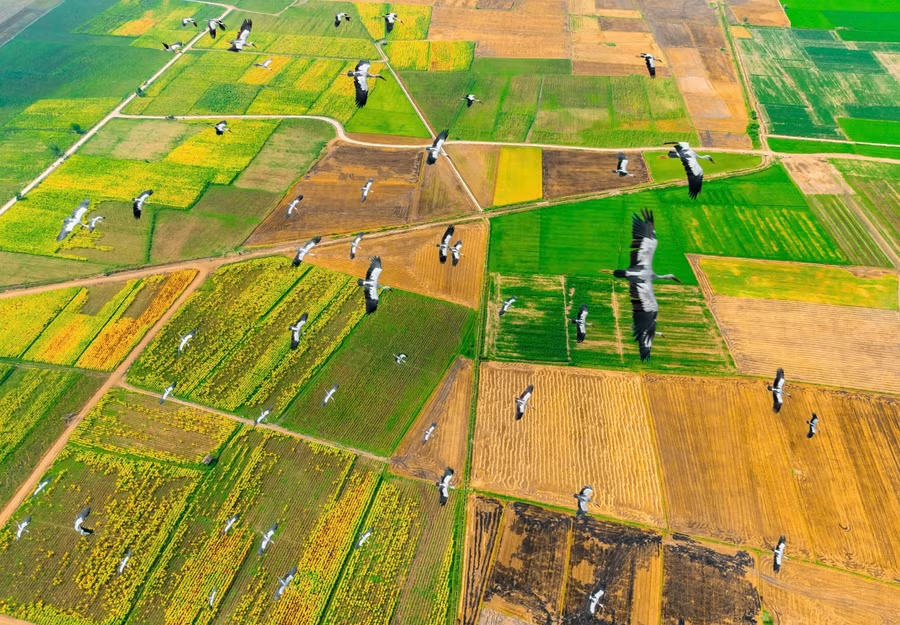
Large flocks of the migratory birds, listed in Vietnam’s Red Data Book, have been spotted in the districts of Ayun Pa, Ia Pa and Phú Thiện, where they gather in post-harvest rice fields to forage for food.
From above, the birds form vast spirals and moving arcs over the golden-brown landscape, transforming the harvested plains into a striking natural spectacle rarely seen in the region.
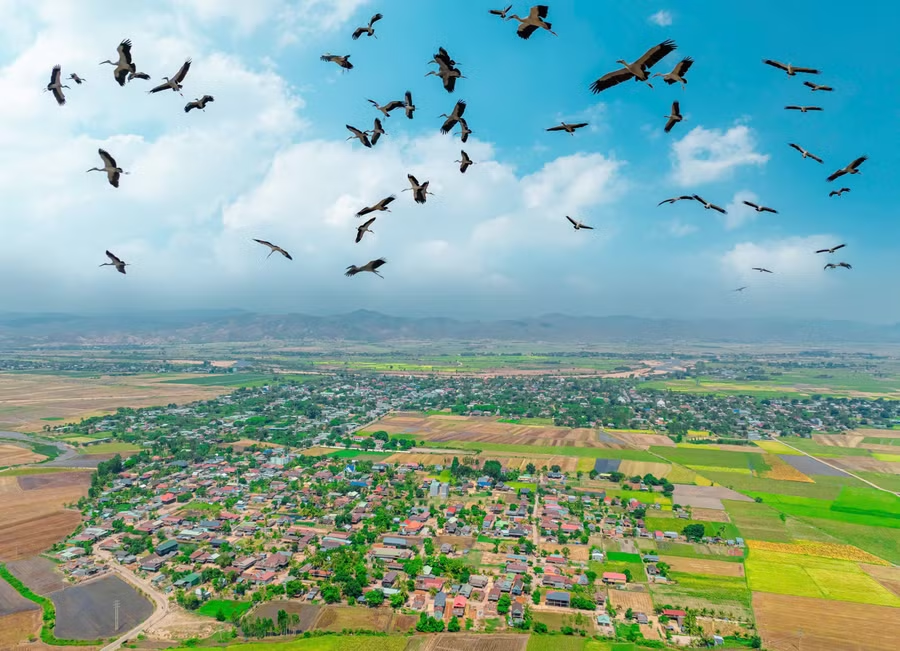
Phạm Công Quý, a freelance photographer from Pleiku Ward, said he has spent years following the seasonal migration to capture images of the storks across southeastern Gia Lai.
According to Quý, Asian Openbill Storks appear in several areas after the harvest, but Ayun Pa and Ia Pa consistently attract the largest flocks.
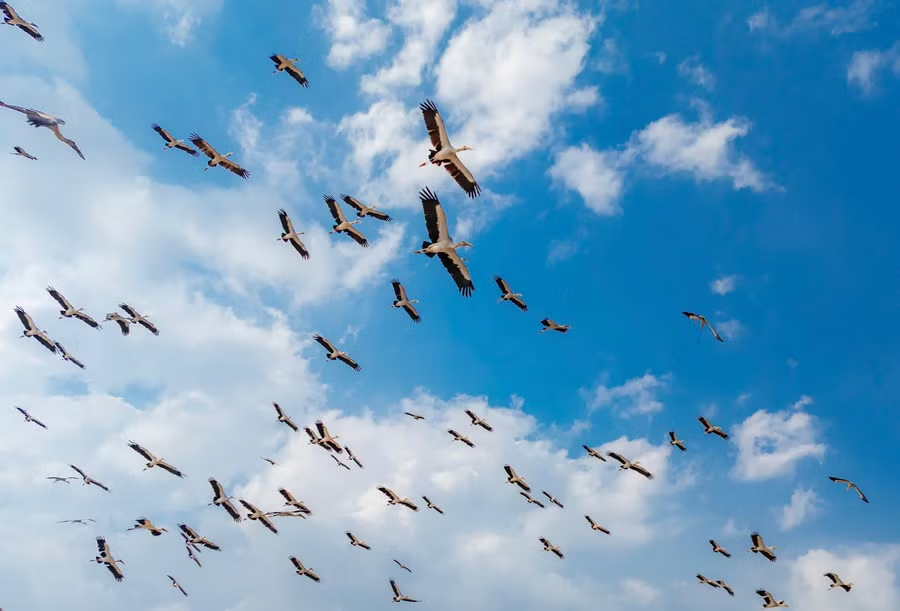
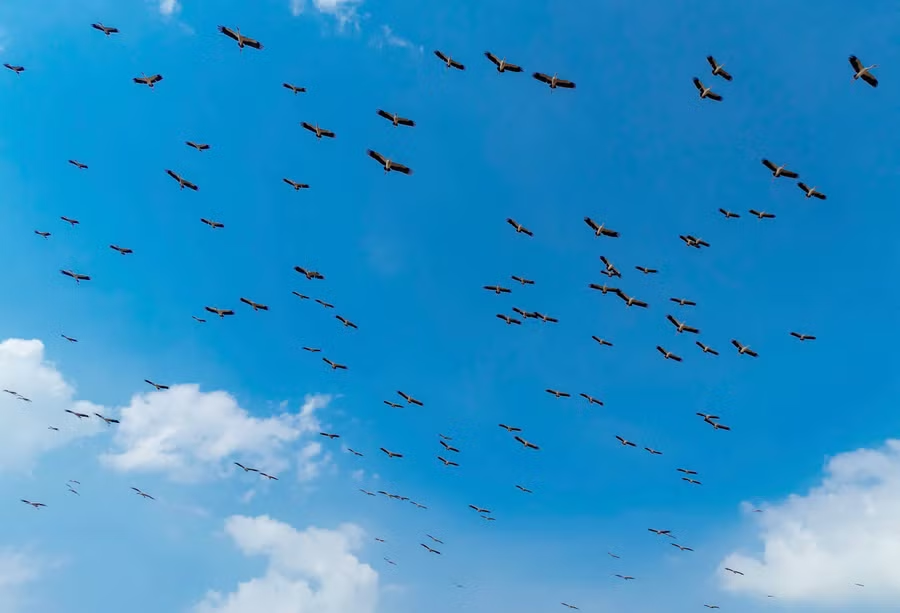
“From the ground, the storks form sweeping arcs, their black wings standing out against the dry season sky. When viewed from a drone, the entire flock moves like a swirling vortex in the air,” he said.
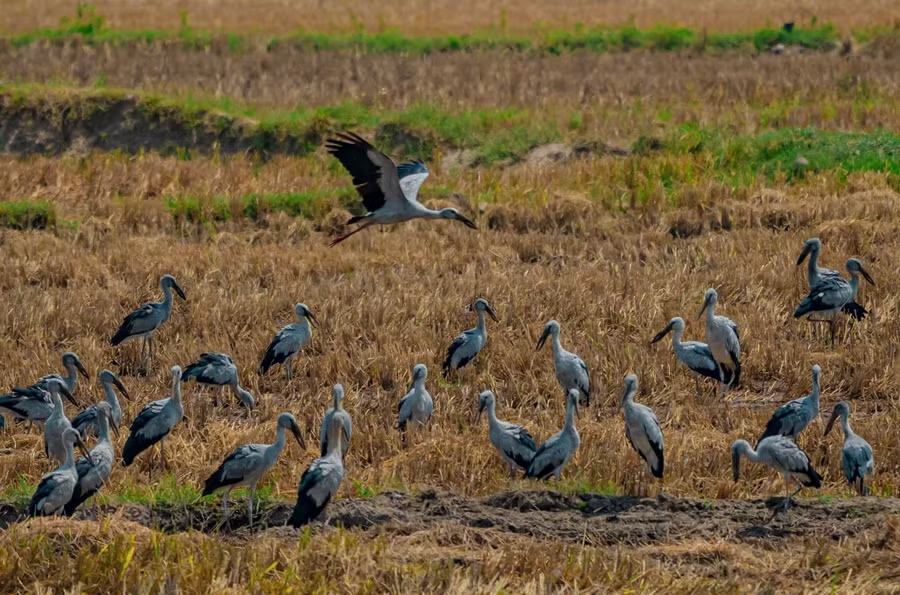
Quý added that beyond their dramatic appearance, the birds also bring a sense of calm to the highland landscape as they glide over villages and descend into freshly harvested fields.
The Asian Openbill Stork, also known as the snail stork, is a wetland bird species recognized for its grayish-white plumage and distinctive blackish-green wings and tail. The birds primarily feed on snails and insects found in rice fields.
Tào Huy Nam, head of the Ia Pa Forest Protection Unit, said local authorities have recorded the return of large flocks after the winter-spring rice crop for the past five years. In some seasons, the birds remain in the area for more than a month before continuing their migration.
“During the day, they forage in the fields, and at night, they fly to the mountains or nearby forests to roost. As a migratory wild bird, they will stay longer wherever food is abundant and the environment is suitable”, Nam said.
According to Nam, the birds’ repeated return suggests the local ecosystem remains favorable for migratory wildlife and reflects the health of the natural environment in the region.
To protect migratory and wild birds during the season, local forest rangers have increased patrols and coordinated with commune authorities to raise public awareness and prevent illegal hunting and trapping.
Across the harvested fields of Gia Lai, thousands of storks continue their quiet seasonal return, drawn by an ecosystem that remains largely undisturbed and capable of sustaining migratory wildlife year after year.
Admire the flocks of storks from a drone’s perspective: