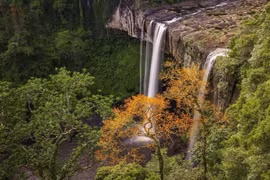
The event centres on the seasonal bloom of wild azaleas along Tà Má Stream, where bright orange-yellow flowers line both banks, creating a vivid landscape that has increasingly drawn visitors to the area in recent years.
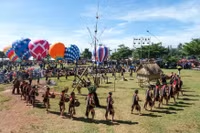
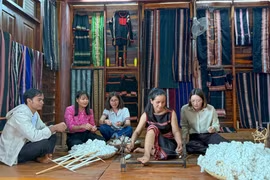
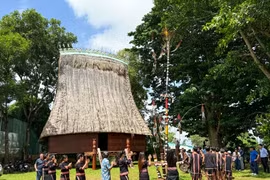
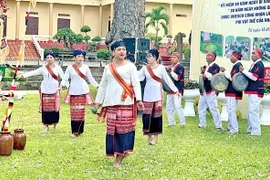
Organisers say the festival will combine sightseeing with a range of cultural activities, including demonstrations of bamboo weaving and brocade weaving, traditional musical performances, and exhibitions of OCOP products and local specialties. A campfire exchange programme accompanied by gong performances is also planned.
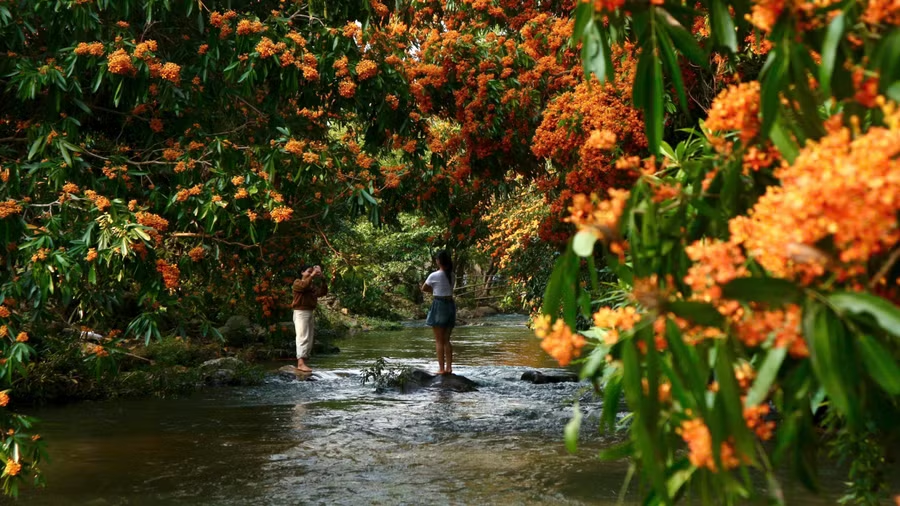
Tà Má Stream, located in Hà Ri hamlet, has gained attention for its unspoiled environment. The clear water winds through rocky terrain, with the sound of flowing water adding to what locals describe as a distinctive forest setting. For residents, the wild trang flowers symbolise a lasting connection between people and nature.
A key focus of this year’s festival is community-based tourism. Local residents are expected to play a central role in organising activities, providing services and directly benefiting from tourism, while strengthening awareness of cultural preservation and sustainable development.
Lê Văn Vinh, head of the Culture and Society Office of Vĩnh Thịnh commune, said authorities have prepared a detailed plan in coordination with local communities to ensure safety and effective organisation while highlighting ethnic cultural identity.
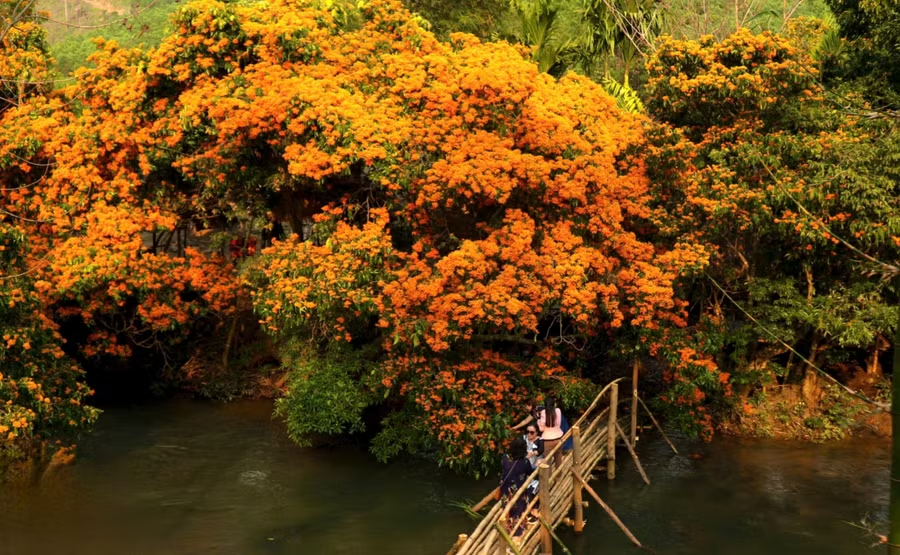
The festival space will feature culturally themed installations, including decorative clusters of fresh flowers and rustic displays inspired by traditional wine gourds, aimed at enhancing visitor experiences.
In the lead-up to the event, artisans and cultural troupes from Hà Ri and Thạnh Quang hamlets have been rehearsing gong performances and traditional dances, while preparing tools for craft demonstrations. Residents have also been improving infrastructure, cleaning the environment and preparing accommodation areas for overnight visitors.
Huỳnh Đức Bảo, chairman of the Vĩnh Thịnh Commune People’s Committee, said the festival is part of broader efforts to promote the locality, develop seasonal tourism products and connect with other destinations and historical sites in Gia Lai province.
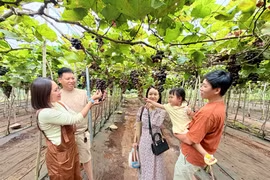
The commune is also encouraging homestay development and agricultural tourism to diversify offerings and create livelihoods, with a long-term goal of making tourism a supplementary economic sector that supports income growth and local development.
Authorities said they plan to mobilise resources and integrate national socio-economic programmes targeting ethnic minority and mountainous areas to support these efforts.