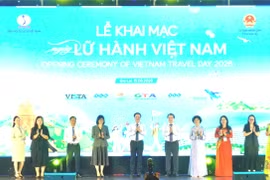
Local authorities have officially launched community tourism products in the village, marking a new step in linking agricultural production with experiential tourism and sustainable rural economic development.
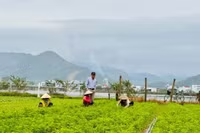
Early mornings in Thuận Nghĩa reveal rows of mustard greens, lettuce, herbs and scallions stretching beneath a light mist, while local farmers tend, water and harvest crops for market supply.
Vegetables in the area are cultivated under VietGAP standards, focusing on food safety and environmental protection, helping create a clean and attractive landscape for visitors.
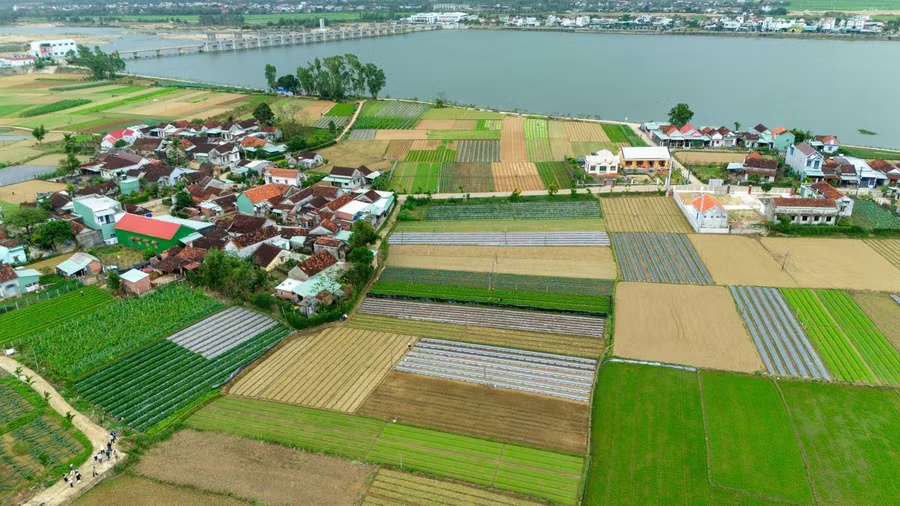
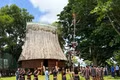
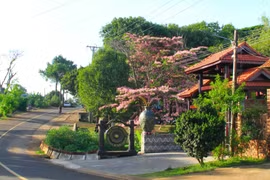
Beyond its vegetable fields, the village retains a rustic rural atmosphere with ancient houses, carefully maintained bonsai fences and greenery-covered gateways lining narrow roads. The blend of agricultural activity and traditional cultural space has become a defining feature of the destination.
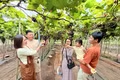
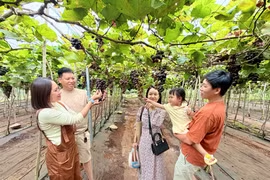
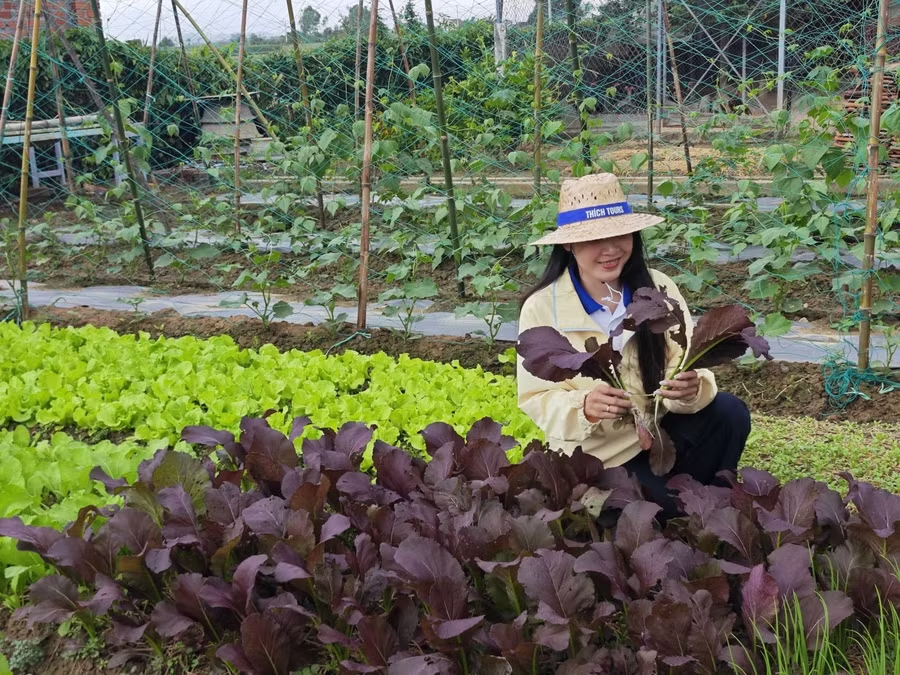
Visitors can participate in farming activities including planting, watering and harvesting vegetables, while also enjoying local dishes prepared from freshly picked produce. The village is increasingly appealing to travelers seeking nature-based experiences and a respite from urban life.
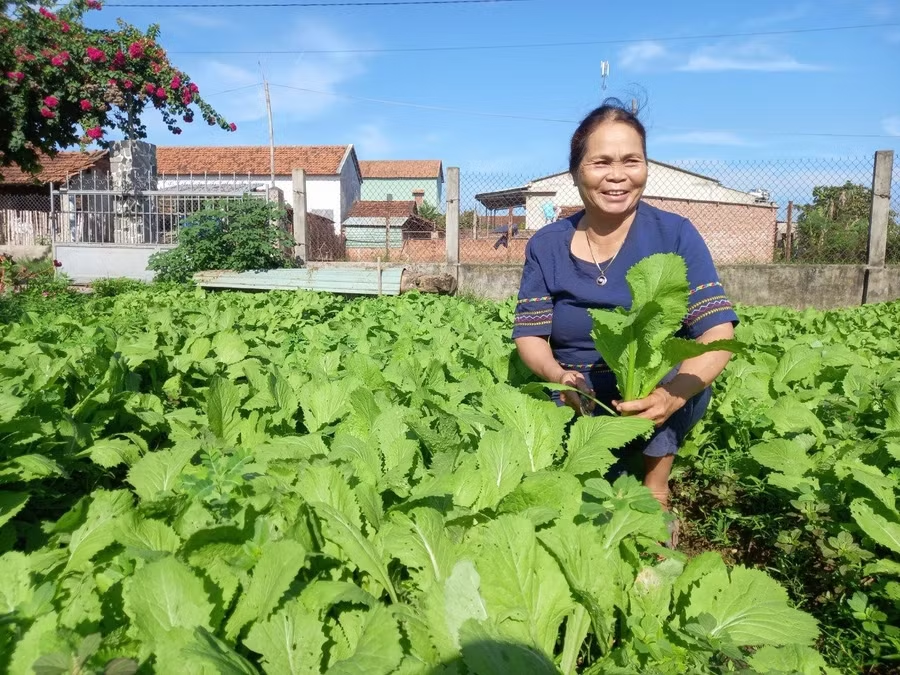
Nguyễn Thị Thu, a long-time vegetable farmer in Thuận Nghĩa, said the development of community tourism has created new opportunities for local residents.
“In the past, locals mainly grew vegetables for sale. Since the community tourism initiative, people have been excited because it allows us to promote our clean products and earn extra income from tourism services”, she said. “Everyone is now more conscious about maintaining the landscape and environmental hygiene to create a positive image for visitors”.
Many households have upgraded homes, improved gardens and planted additional trees and ornamental flowers to accommodate tourists. Several traditional houses have also been preserved, adding cultural value to the village landscape.
Trần Thị Diệu, a visitor from Pleiku ward, described the village as clean, peaceful and welcoming.
“The green vegetable beds, combined with bonsai fences and old houses, create a very welcoming atmosphere,” she said. “I especially enjoyed harvesting vegetables myself and taking photos amidst the village scenery. This is a perfect weekend destination for families”.
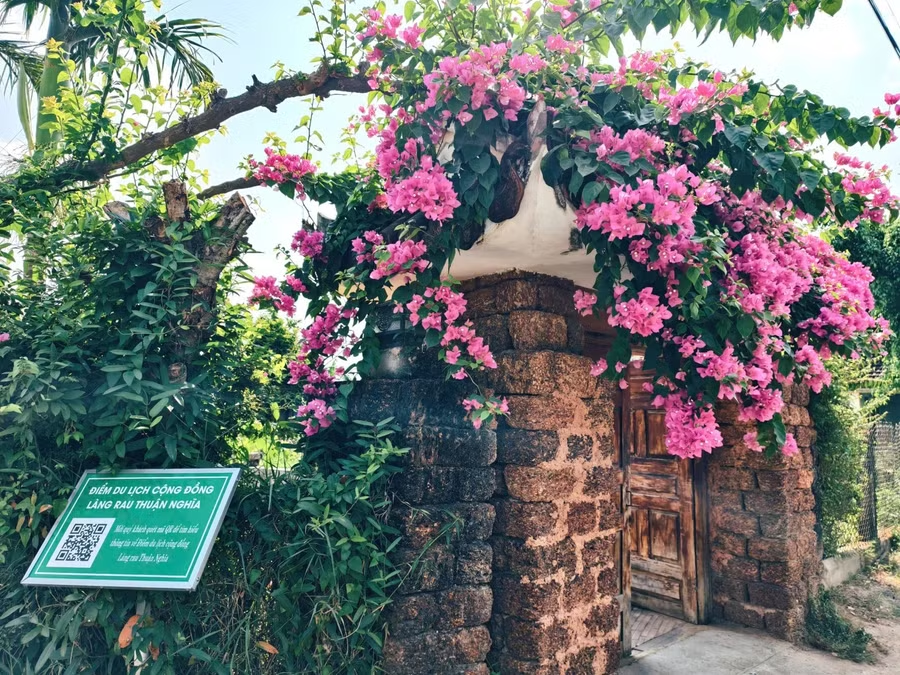
The rise of community-based tourism has also encouraged stronger environmental awareness among residents. Village roads are regularly cleaned, trees are carefully maintained and the area continues to preserve its green and orderly appearance.
Local authorities are planning to expand tourism offerings through countryside cuisine, homestay services, demonstrations of clean vegetable farming and the promotion of OCOP (One Commune One Product) products associated with local life.
According to leaders of Tây Sơn commune, the locality will continue investing in infrastructure, improving the landscape and supporting residents in developing tourism skills, with the goal of turning Thuận Nghĩa vegetable village into a must-visit destination in Gia Lai province.
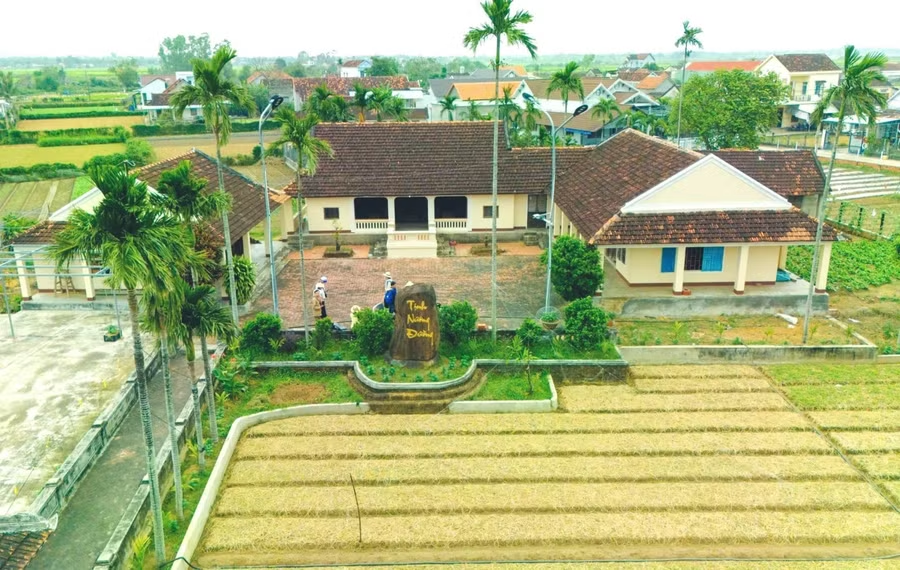
With its combination of VietGAP-certified agriculture, preserved rural scenery and community participation, Thuận Nghĩa is positioning itself as a distinctive example of sustainable community tourism development in Vietnam’s Central Highlands.