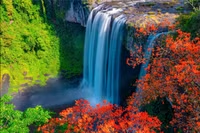
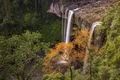
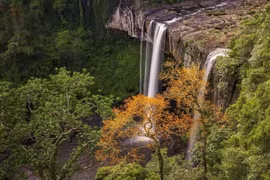
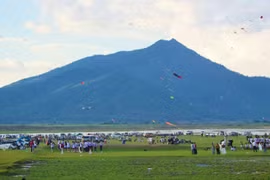
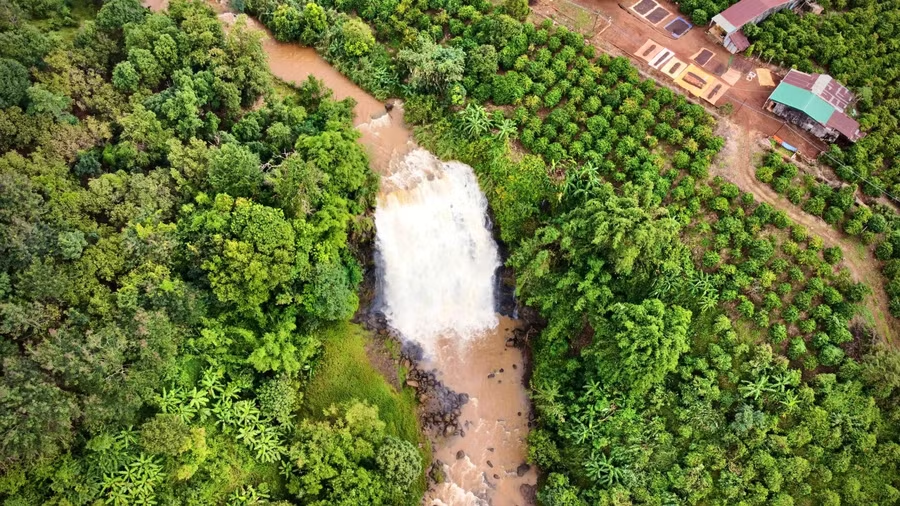
Located about 30 km west of Pleiku, the area is anchored by Bàu Cạn Waterfall, known for its gentle, ribbon-like flow and tranquil forest setting, which has become a popular weekend destination for visitors seeking nature and relaxation.
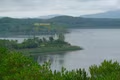
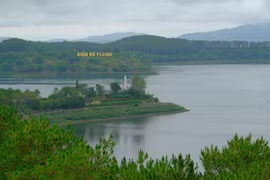
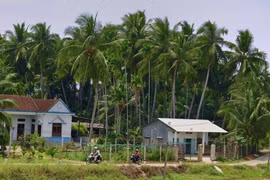
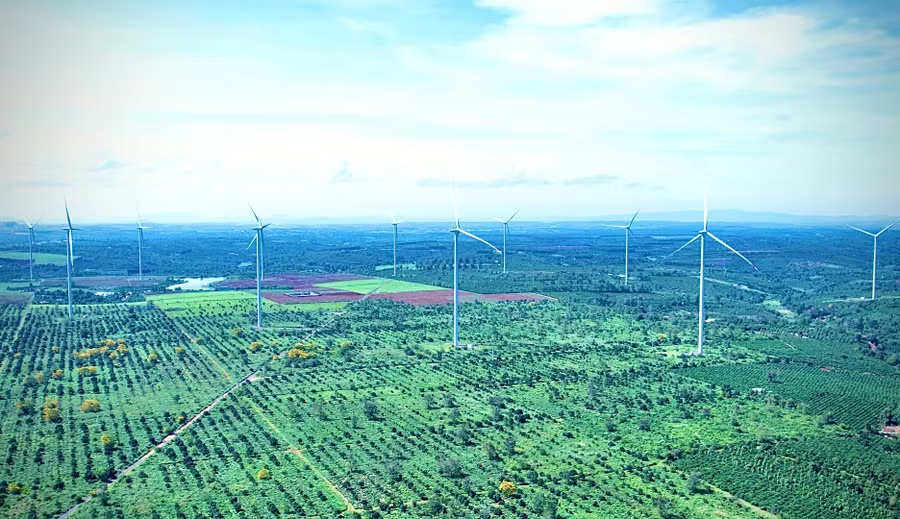
Beyond the waterfall, nearly 400 hectares of tea hills stretch along access roads, interspersed with cassia trees that bloom in vivid yellow, creating a distinctive seasonal landscape. Together with Ia Mua Lake and nearby wind turbines, the scenery forms a rare blend of natural beauty and modern development.
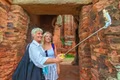
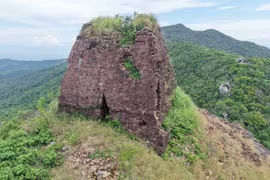
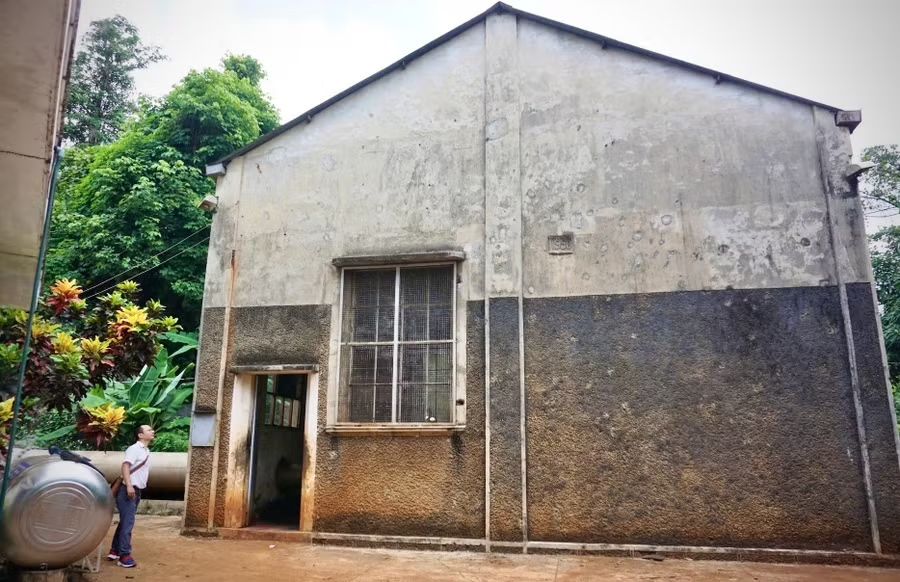
Local authorities are positioning these assets into a diversified tourism route that integrates nature, agriculture and history. Visitors can experience tea production, explore rural life and visit heritage sites, including the Bàu Cạn Hydroelectric Plant, built in the mid-20th century and still operational after nearly 80 years.
Officials say preserving such sites while opening them to tourism could create unique attractions. Plans are also underway to enhance infrastructure, including new roads, tourism zoning and landscape preservation projects around Ia Mua Lake and cassia flower areas.
The commune has allocated about 100 hectares for spiritual tourism linked to the waterfall and is expanding transport access, including new concrete roads and planned routes connecting key destinations.
Authorities are also investing in historical preservation, including the former Plantation Party Cell site, with plans for memorial structures and educational tourism tied to revolutionary history.
Following the merger of three communes, the expanded Bàu Cạn now spans more than 124 square kilometers with over 22,000 residents, improving its capacity to attract investment and develop tourism services.
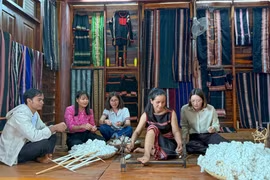
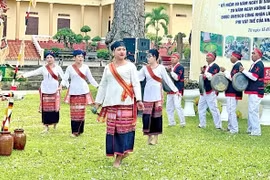
Ia Mua Lake has been identified as a focal point for eco-tourism, with plans for homestays and cultural experiences linked to the Jrai community, while seasonal events such as the Golden Cassia Flower Festival are helping build a recognizable local brand.
Strategically located along the route between Lệ Thanh International Border Gate and Pleiku, Bàu Cạn is positioned as a key stop in a broader highland travel corridor, offering a continuous journey through border markets, plantations, waterfalls and urban destinations.
With coordinated planning, improved infrastructure and preserved natural and historical assets, Bàu Cạn is emerging as a new tourism destination with the potential to become a distinctive experience corridor in western Gia Lai.