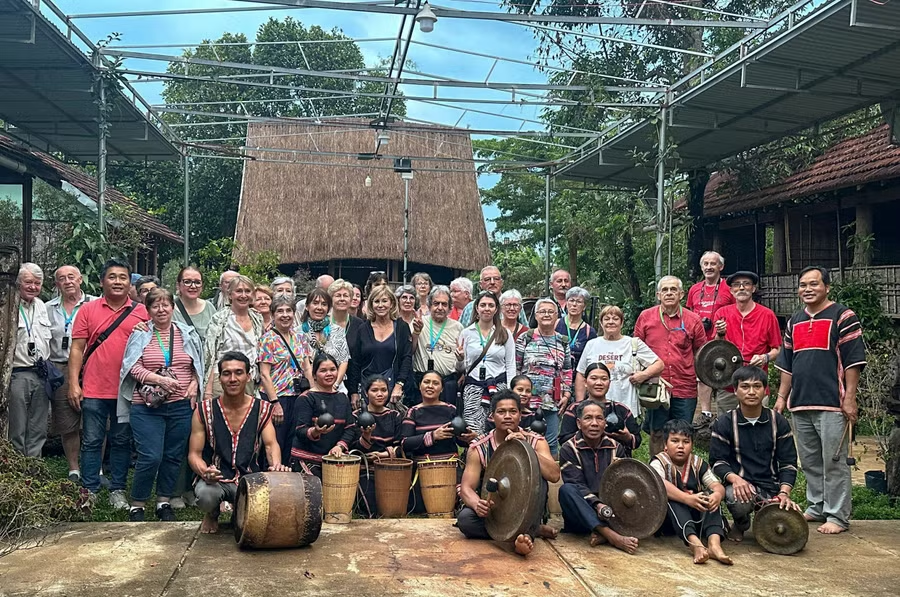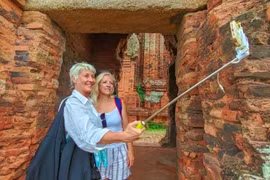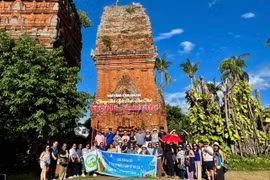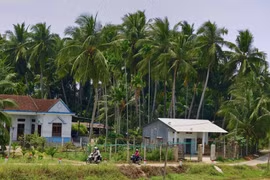
Since the Lunar New Year, Ia Mơ Nông village in Ia Ly commune has welcomed dozens of tourist groups from countries including Denmark, France, Australia and Switzerland, according to H’Uyên Niê, deputy head of the local community tourism management board.
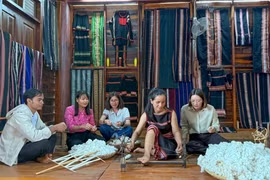
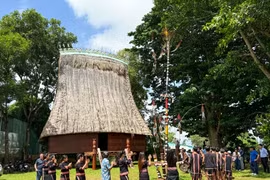
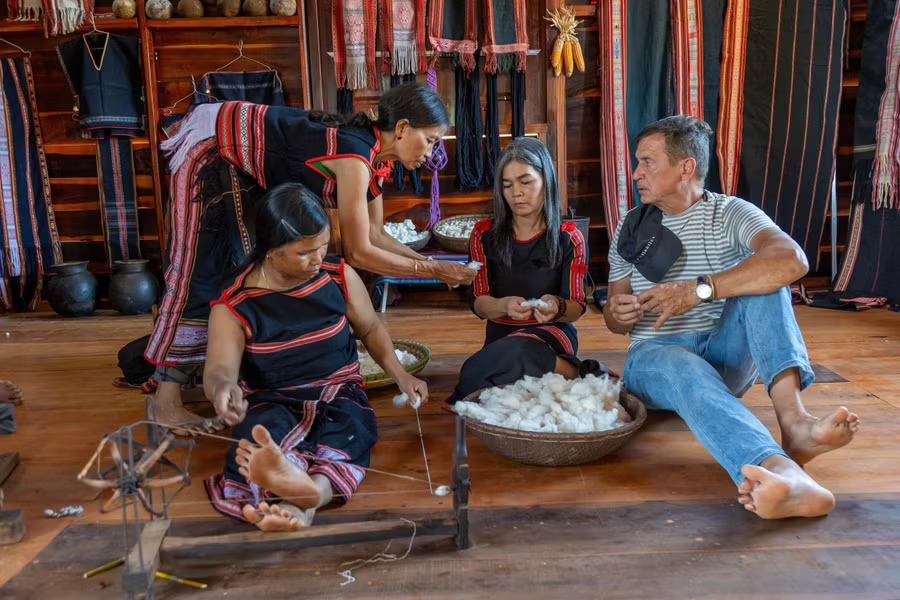
Visitors are drawn to everyday practices that remain largely unchanged, from crafting dried gourds used to store water to traditional weaving and basketry that continue to serve daily needs. Ritual sites such as tomb houses, linked to ceremonies honouring the dead, also offer insight into indigenous beliefs and customs.
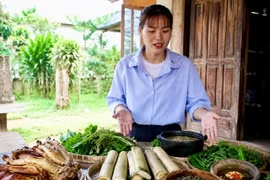
“Tourists don’t just observe, they immerse themselves in how locals live, what they eat and drink, even how they replace industrial seasonings with forest leaves”, H’Uyên Niê said, adding that these details leave a lasting impression.
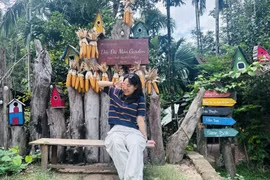
Beyond village life, travellers often explore nearby landmarks, including Gia Lai’s centuries-old pine avenue. Under its canopy, small roadside cafés have become popular stops where visitors adopt local habits—queuing for drinks, lingering over coffee and browsing regional products.
Nguyễn Thị Thúy, a café owner, said international arrivals have risen steadily this year. Many guests seek out seats beneath old coffee trees, valuing what they describe as a distinctly local experience.
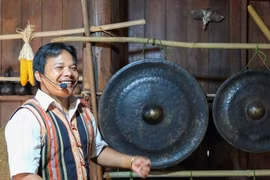
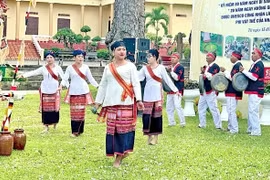
Cultural immersion extends further through cuisine and performance. Tourists frequently take part in traditional gong music sessions, join xoang dances and experience meals accompanied by bamboo instruments.
Tour guide Nguyễn Lê Hoàng Anh said such encounters, combined with the warmth and simplicity of local hospitality, have made Gia Lai an increasingly compelling destination for Western travellers.