The initiative marks a shift from fragmented tourism development toward an integrated value chain designed to attract investment in infrastructure, services and high-quality tourism projects, laying the groundwork for long-term sector expansion.
Amid intensifying competition among localities to draw visitors, tourism experts say destinations must move beyond relying solely on natural assets and cultural identity, instead offering distinctive, well-organised experiences.
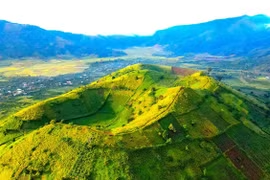
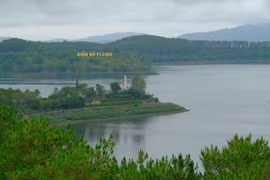
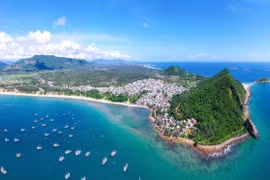
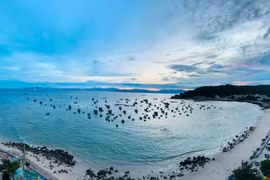
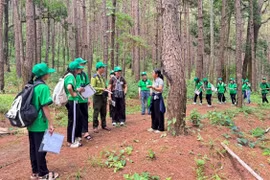
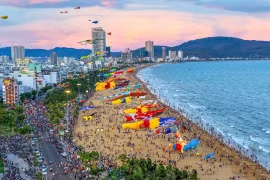
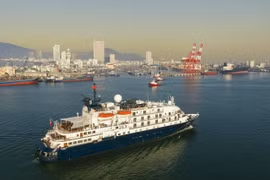
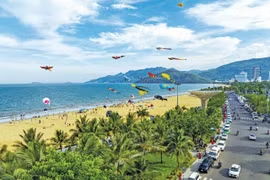
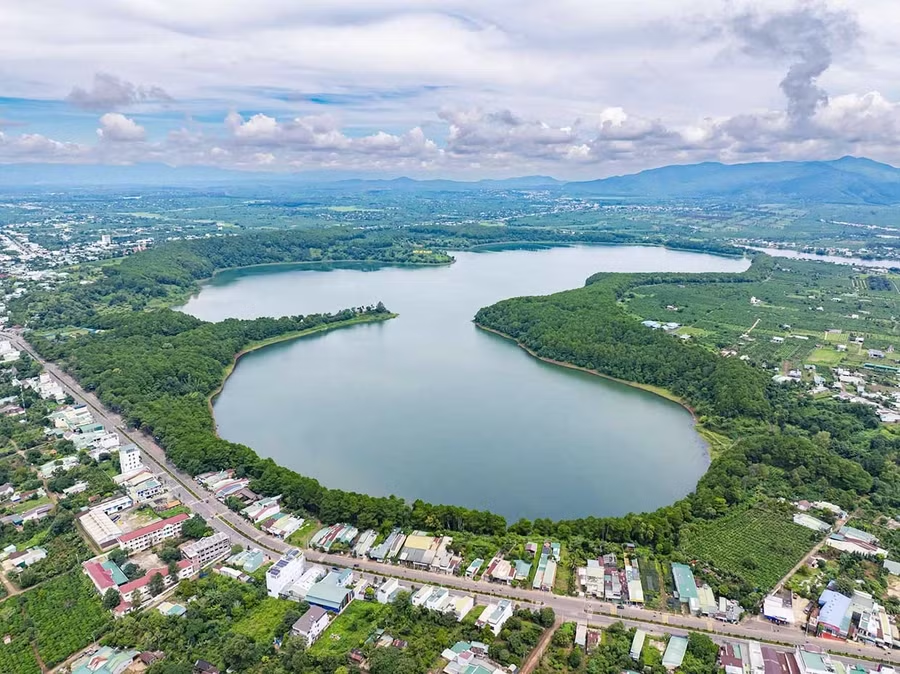
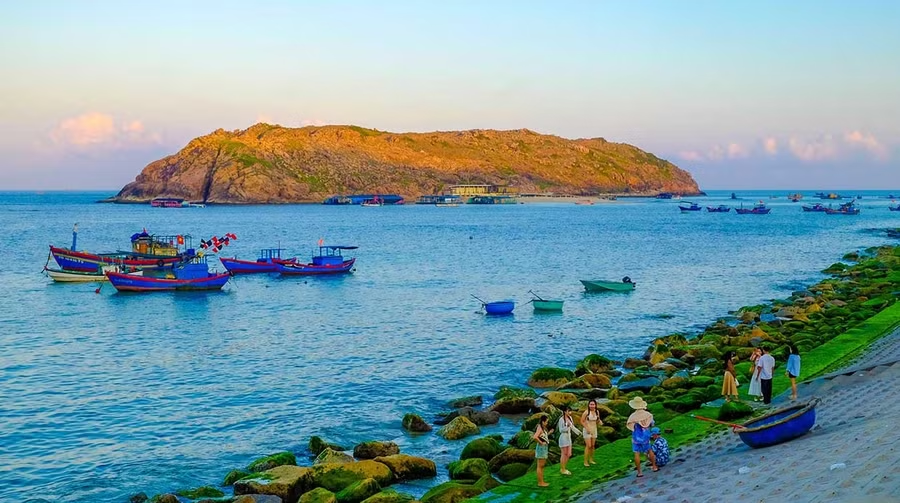
Gia Lai’s advantage lies in its forest ecosystem and its connectivity to Quy Nhon, a major tourism hub on Vietnam’s south-central coast. The route between Pleiku and Quy Nhon traverses diverse landscapes, from the “Eyes of Pleiku” (Bien Ho Lake) and coffee plantations to expansive coastal scenery.
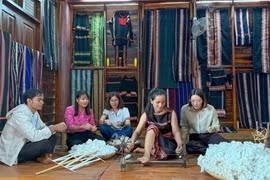
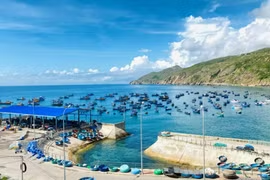
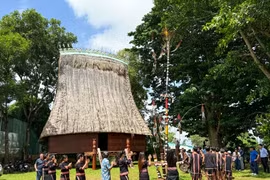
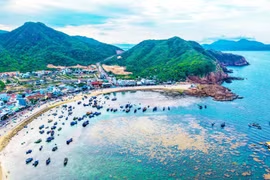
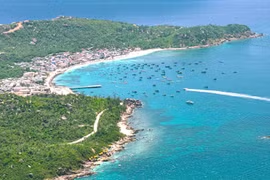
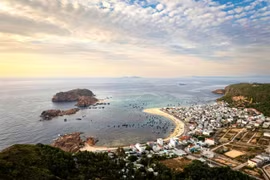
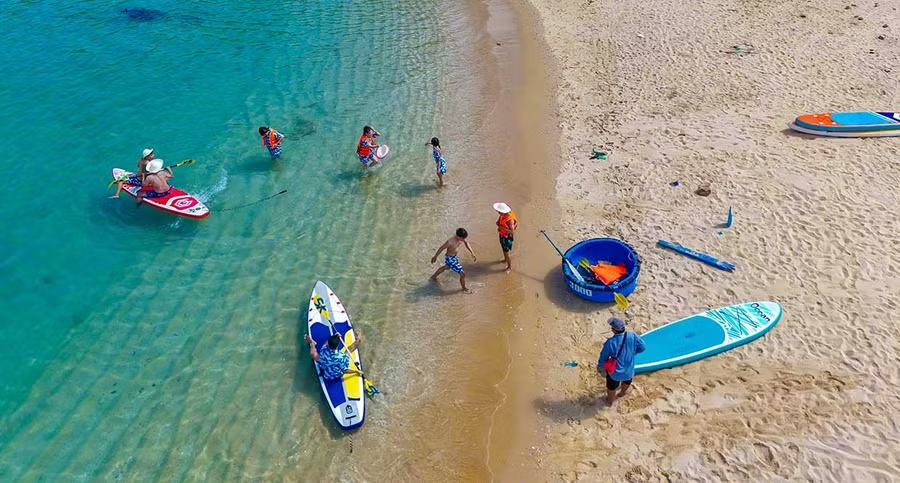
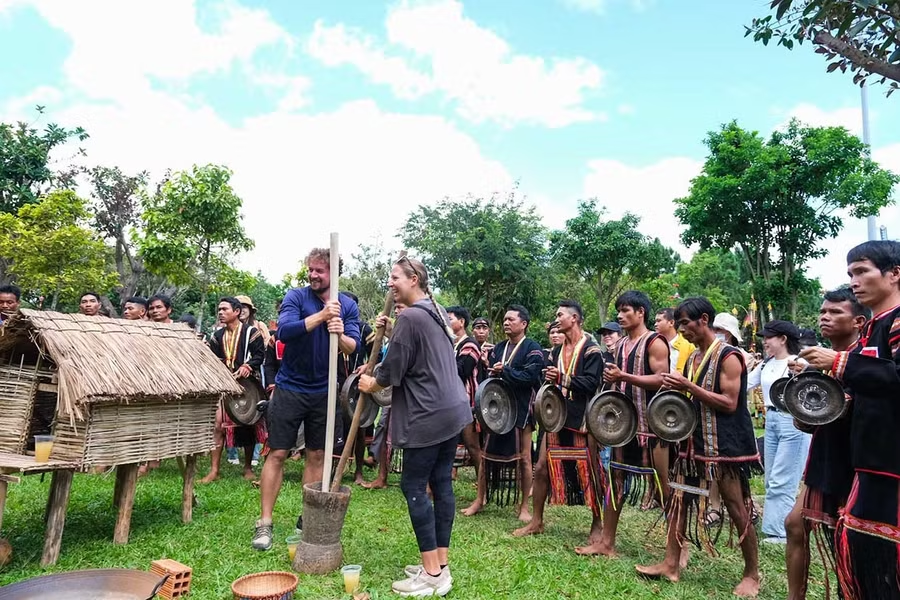
Travel in the opposite direction offers a contrasting experience, beginning with beaches such as Ky Co and Eo Gio, before moving inland to explore highland culture, gong traditions and cooler climates.
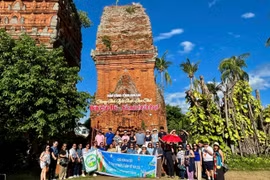
Tour operators say the model aligns with evolving travel trends that prioritise varied experiences within a single trip. Businesses including Vietravel are already developing forest-to-sea tour products, while others are designing shorter, flexible itineraries tailored to modern travellers.
Tourists have responded positively to the concept. Visitors highlight the appeal of experiencing both highland and coastal environments in a single day, describing the rapid transition in scenery and atmosphere as a key attraction.
Improved transport connectivity, including routes linking Pleiku, Quy Nhon and Phu Cat Airport, has further enhanced convenience, particularly for families.
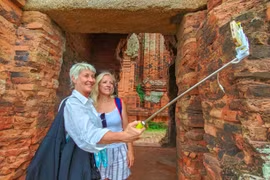
The model is also expected to help attract international visitors. While parts of Gia Lai have seen declining appeal due to urbanisation, linking with Quy Nhon, already popular with foreign tourists, could extend visitor journeys and increase length of stay.
However, challenges remain. Industry representatives point to uneven infrastructure and a lack of standardised stopovers and supporting services along the route, which can disrupt the overall travel experience.
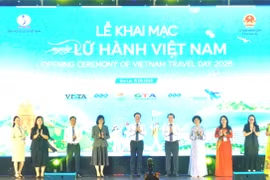
Tourism officials say National Tourism Year 2026 offers an opportunity to expand market access, strengthen partnerships and professionalise services. Demand for the forest-to-sea route is rising, particularly among international travellers, but requires further development of experiential products and intermediate destinations.
Businesses emphasise the need for coordinated regional planning, consistent service quality, competitive pricing and unified promotion strategies to ensure the model’s competitiveness.
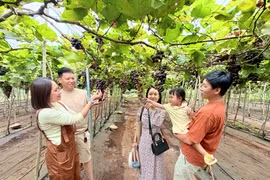
Community involvement is also seen as critical. In Pleiku, community-based tourism and agricultural experiences are emerging, while coastal areas such as Quy Nhon are diversifying their offerings. Local operators stress that authenticity and hospitality play a key role in encouraging repeat visits.
Experts agree that long-term success will depend on synchronised investment in infrastructure, workforce training and brand development. Only then can the “one journey - two experiences” concept become a distinctive and competitive tourism product for the region.