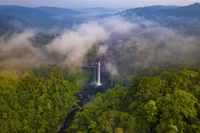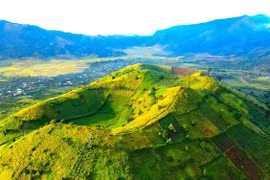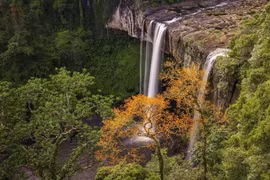
Located about 45 kilometres from Pleiku City in Chu Se commune, the 45-metre-high waterfall cascades down layers of black and grey basalt rock formed by an extinct volcano millions of years ago. Fed by the La Peet stream and flowing into the Ayun River, the site is part of a distinctive highland ecosystem shaped by volcanic geology.
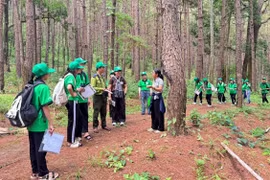
Visitors reach the falls via winding mountain roads before descending stone steps and shaded trails that open onto the sound of rushing water. At the base, streams weave through rocky crevices and dense vegetation, creating a cool, tranquil environment.
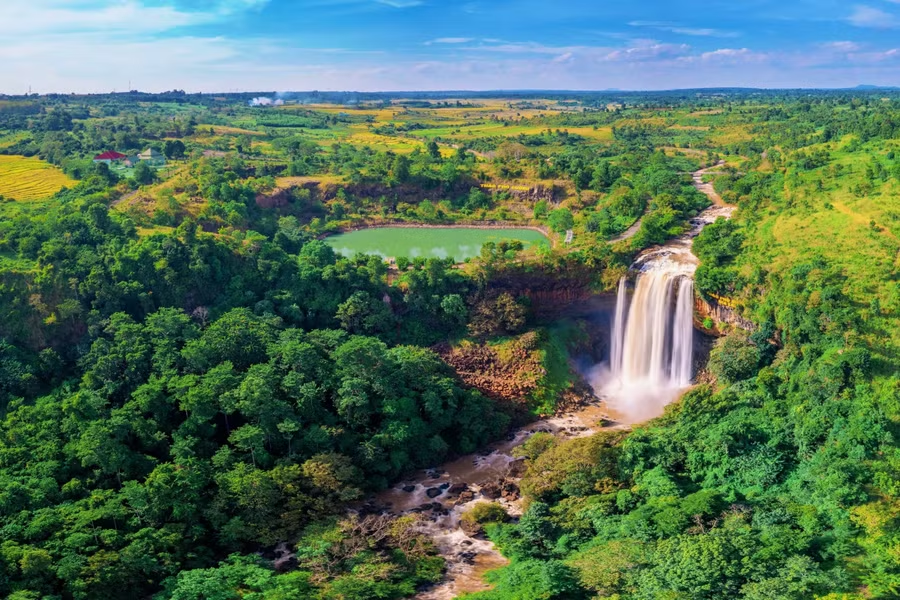
The waterfall’s appearance varies sharply with the seasons. During the rainy months from May to October, powerful torrents create foaming white cascades and a thunderous roar across the surrounding hills.
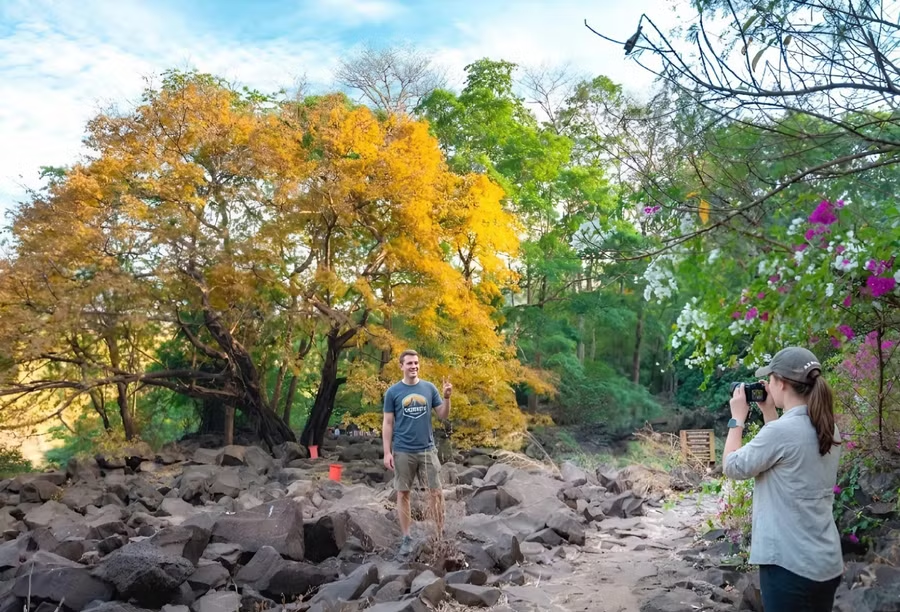
In the dry season from November to April, the flow softens and clears, offering ideal conditions for sightseeing and picnics. Trails also allow visitors to walk behind the falling water.
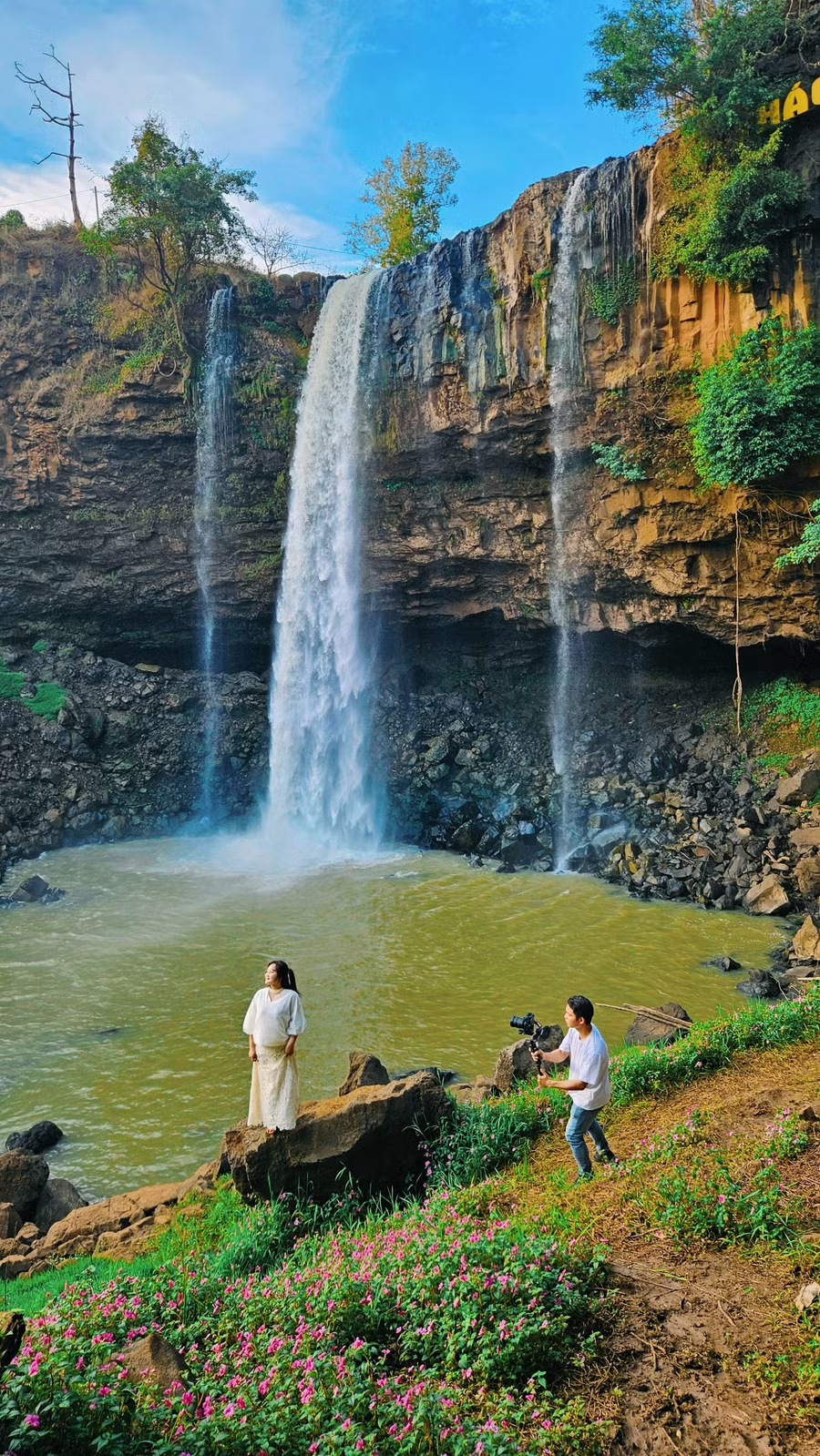
Tour guide Doan Lanh described Phu Cuong as one of Gia Lai’s standout attractions, noting that improved links with other eco-tourism sites could further enhance its appeal. He advised visitors to wear suitable footwear, carry water and help preserve the environment.
Local residents play a central role in protecting the site. H’Lan, a member of the Jrai ethnic group, said the waterfall has been part of her life since childhood and urged visitors to respect its natural surroundings to maintain its pristine condition.
Authorities in Chu Se commune are promoting sustainable tourism development at the site. Le Huu Thien, head of the commune’s Department of Culture and Society, said efforts include forest protection, safeguarding water sources and encouraging responsible visitor behaviour.
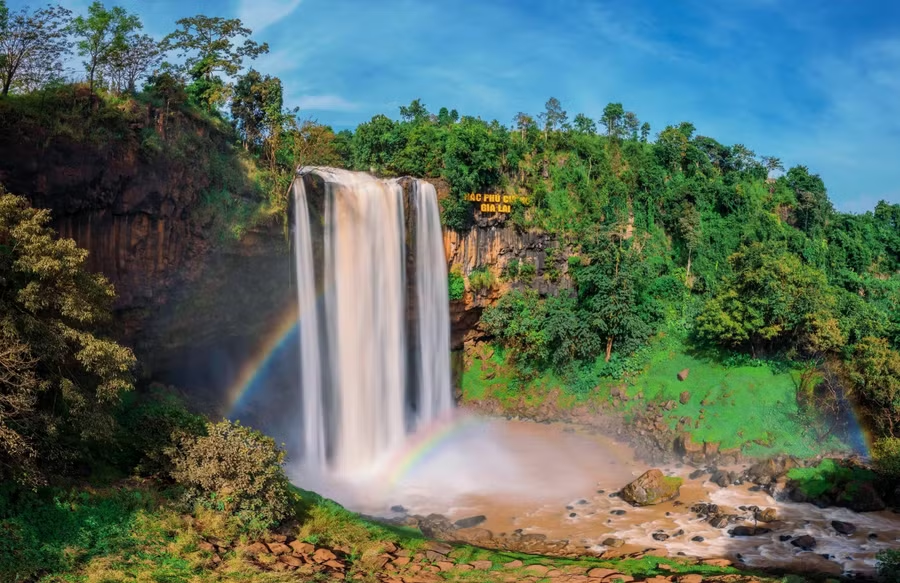
Amid growing tourism activity in Gia Lai, Phu Cuong Waterfall is positioning itself as a flagship destination in Vietnam’s Central Highlands, combining natural grandeur with cultural and environmental value.