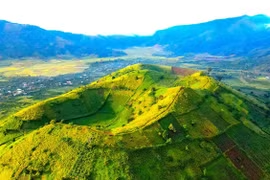
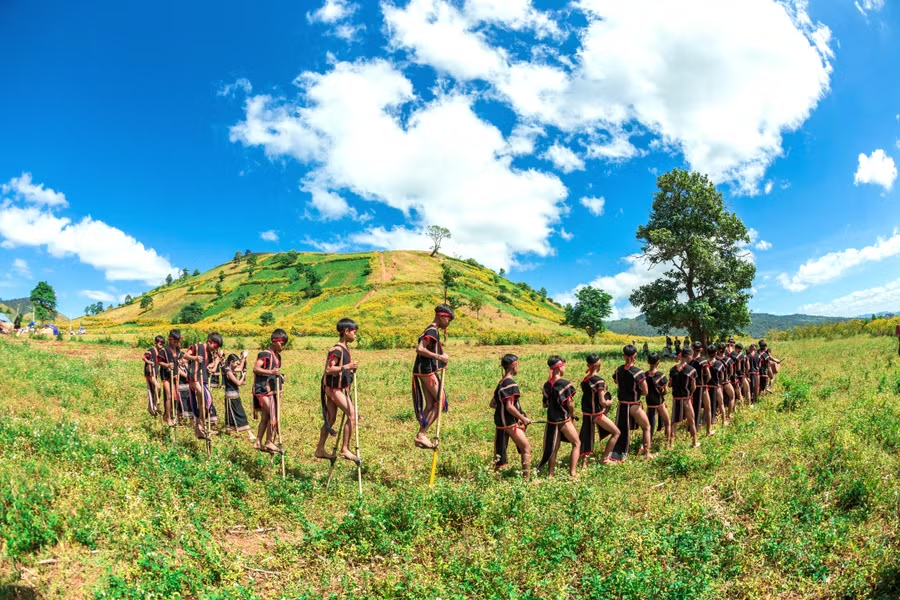
In Ia Gri village, Bien Ho commune, local people are taking a leading role in tourism preparations. The village, home to 136 households and 562 residents, sees about one-third of its families cultivating crops on the volcano’s slopes each year. Fields of sweet potatoes, cassava, pumpkins and canna lilies transform the terrain into a shifting mosaic of colors, drawing visitors during peak blooming seasons.
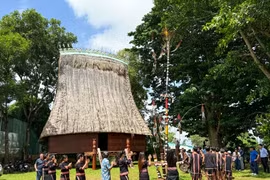
The site has already gained recognition as the venue for the annual Wild Sunflower Festival since 2017. Local authorities and residents now plan to construct a larger traditional communal house to replace a dismantled concrete structure, creating a more authentic cultural space for upcoming events. Villagers are also being briefed on tourism plans to ensure readiness for visitors.
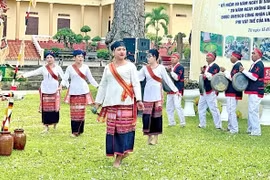
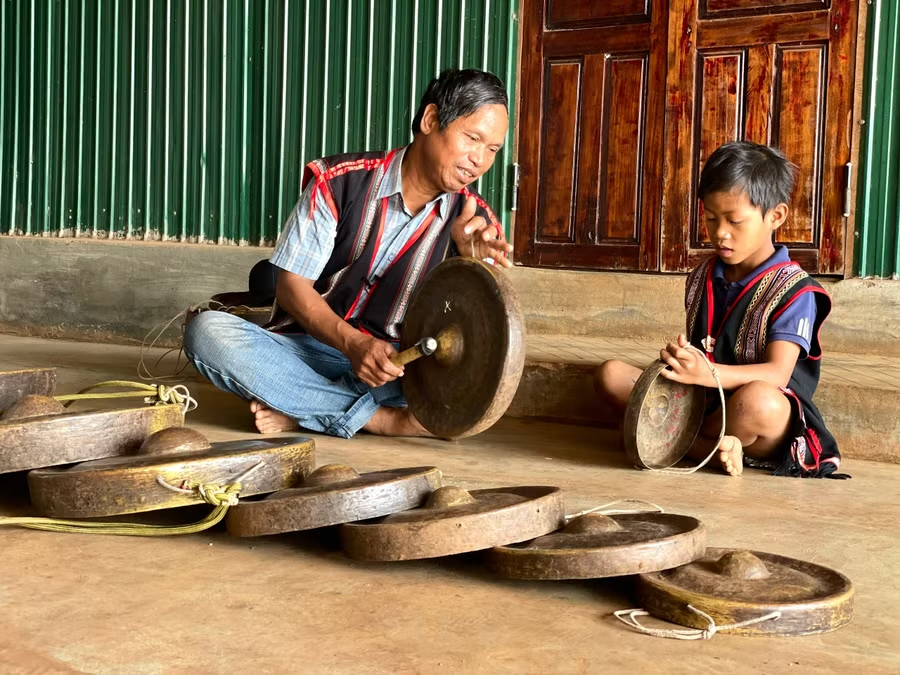
Cultural preservation remains central to the community’s tourism strategy. A 35-member gong troupe, led by veteran artisan Ang Lang, regularly rehearses and performs during festivals and for visiting groups. Knowledge is passed down from elders to younger members, including his own children, who participate in gong playing and traditional Xoang dance. The group can organize performances and campfire experiences for tourists with just one day’s notice.
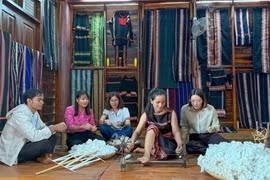
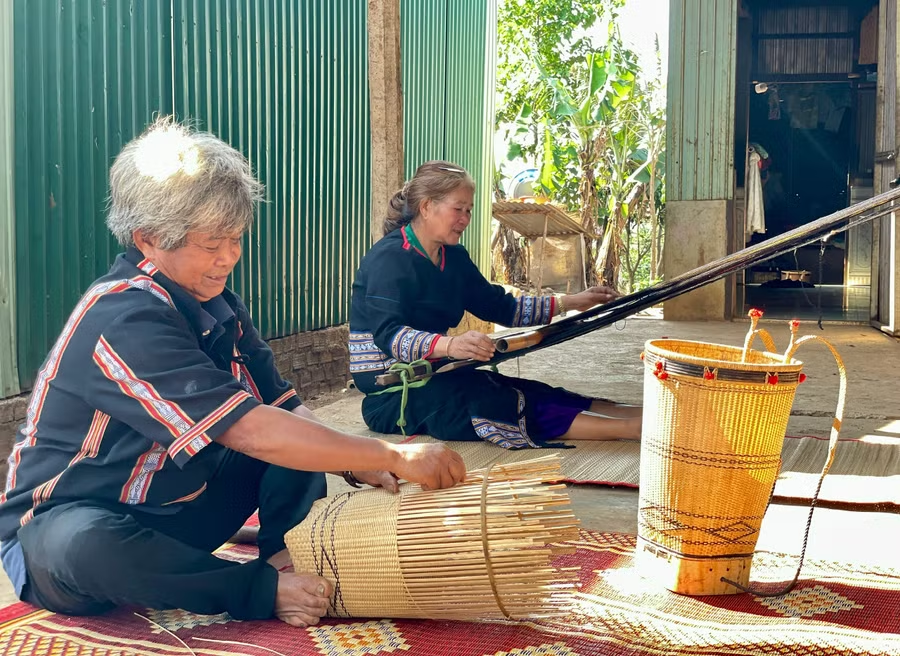
Local households are also contributing through traditional crafts. Artisan Dyái, an award-winning basket weaver, produces handmade bamboo baskets featuring Jrai patterns, each taking up to three days to complete. His wife, Phyip, complements this work with brocade weaving. While agriculture remains their main income source, tourism provides additional opportunities through the sale of handicrafts.
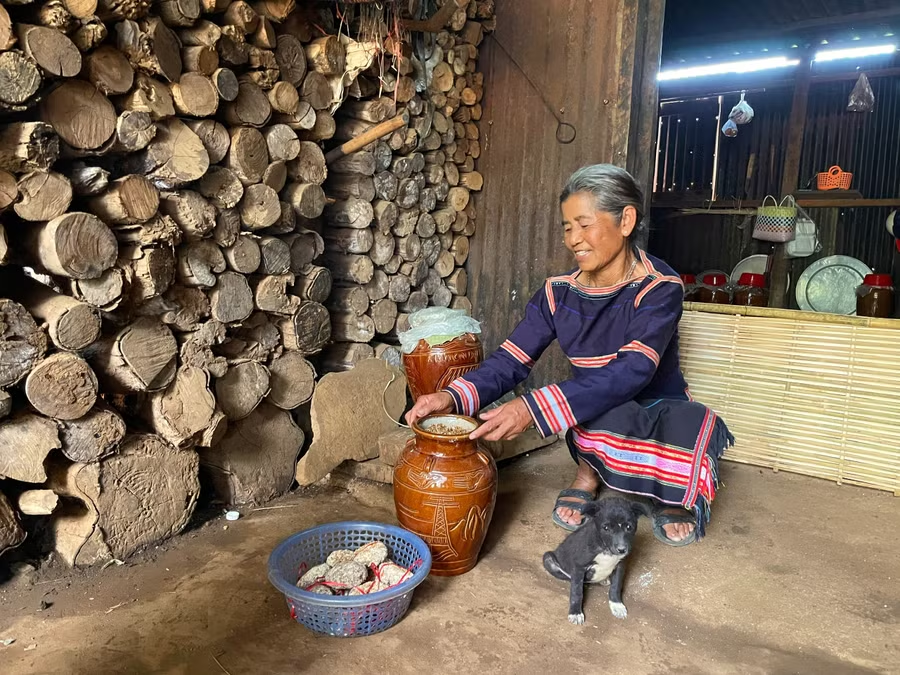
Beyond Ia Gri village, nearby Xóa village is known for its traditional jar wine. Artisan Siu Phưn continues to use natural, hand-made yeast derived from forest ingredients, maintaining a labor-intensive process that fewer villagers now follow. Her products are sold locally and in major cities, and she welcomes visitors interested in learning the craft firsthand.
With coordinated efforts across villages, residents around Chư Đang Ya volcano are positioning themselves to deliver immersive cultural experiences, combining agriculture, craftsmanship and heritage to attract visitors during Gia Lai’s tourism year.