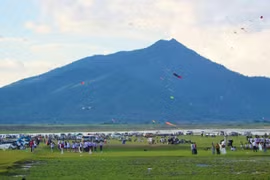
The annual sunflower season transforms the volcanic landscape into a golden sea of blossoms, attracting thousands of tourists. However, the growing trend of visitors picking flowers to make head wreaths or bouquets for photos has caused damage to the natural scenery.
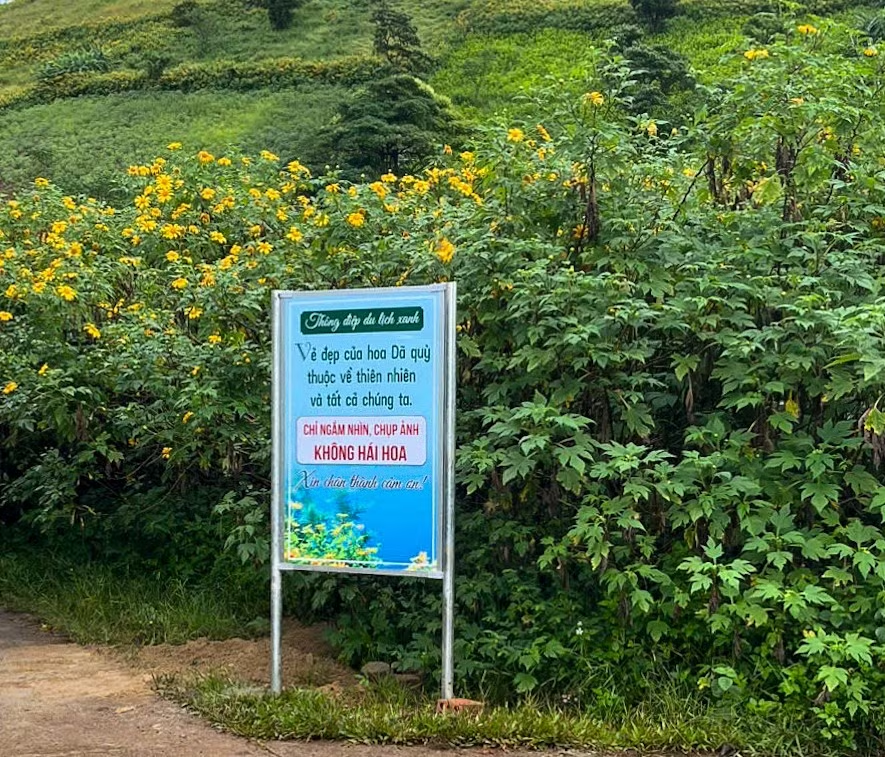
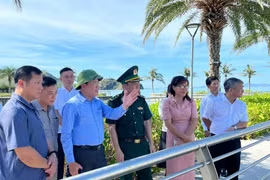
To address the issue, the Bien Ho Commune People’s Committee has directed local departments, agencies, and village authorities to intensify public awareness campaigns. Residents are being encouraged to protect the landscape, avoid harvesting wild sunflowers for sale, and guide visitors to act responsibly during their trips.
Tourism businesses have also been advised to replace natural sunflowers with artificial alternatives, such as plastic or fabric flowers costing about VND 10,000–20,000 (USD 0.40–0.80) each, and to promote environmental cleanliness and civilized conduct among tourists.
In addition, the Vietnam Fatherland Front Committee of Bien Ho commune is coordinating community outreach programs to mobilize locals in protecting the area’s natural charm and fostering a friendly, hospitable image.
Officials say the collective effort aims not only to preserve the golden beauty of Chu Dang Ya’s wild sunflowers but also to build Gia Lai’s reputation as a green, clean, and welcoming tourism destination.