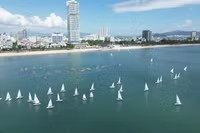
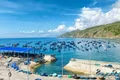
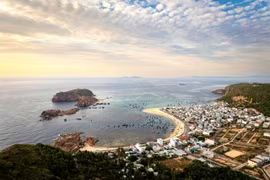
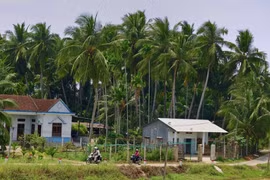
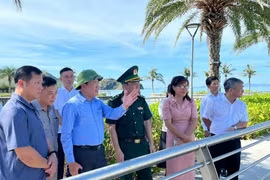
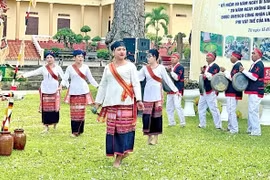
The meeting also evaluated the province’s tourism development project for 2025–2030, with a long-term vision to 2045.
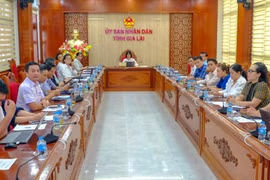
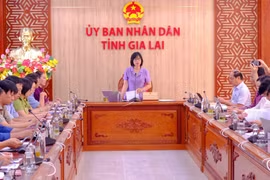
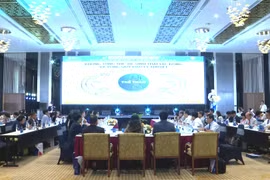
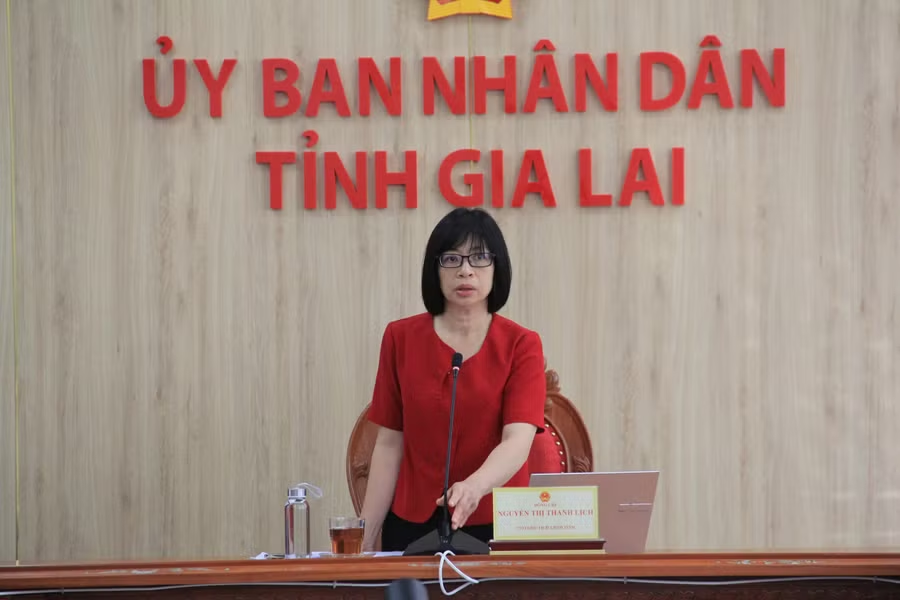
Vice Chairwoman of the Provincial People’s Committee Nguyễn Thị Thanh Lịch chaired the session, which gathered leaders of departments, agencies, local authorities, and representatives from the Provincial Tourism and Culinary Associations and Kon Ka Kinh National Park.
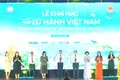
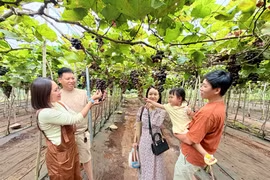
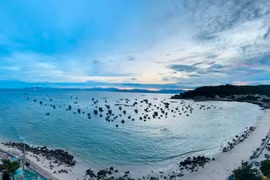
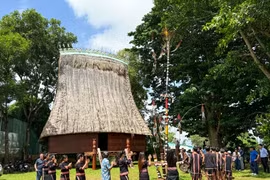
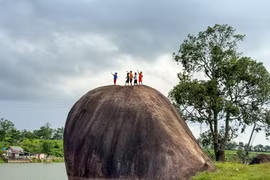
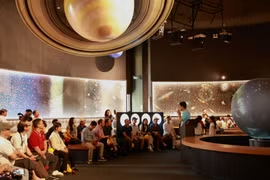
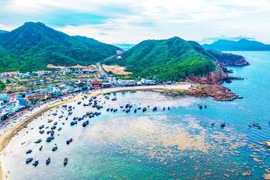
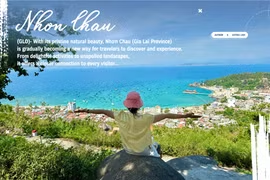
According to the Department of Culture, Sports and Tourism, the upcoming National Tourism Year will be a major cultural, economic, and social event at both national and international levels. Under the theme “Gia Lai - Convergence of identity, spreading green”, the event is scheduled to open on March 31, 2026, and conclude at the end of December.
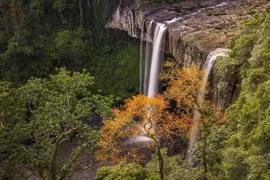
It aims to promote the Central Highlands’ landscapes, cultural heritage, and distinctive tourism products, with a target of receiving 15 million visitors and generating 40 trillion VND (approx. USD 1.57 billion) in 2026.
At the meeting, officials reported on the draft proposal for hosting the event, feedback on the application dossier, and damages suffered by local tourism businesses after Storm No. 13. Plans to restore destinations, ensure safety for visitors, enhance service quality, and launch promotional campaigns were outlined as key priorities for post-disaster recovery.
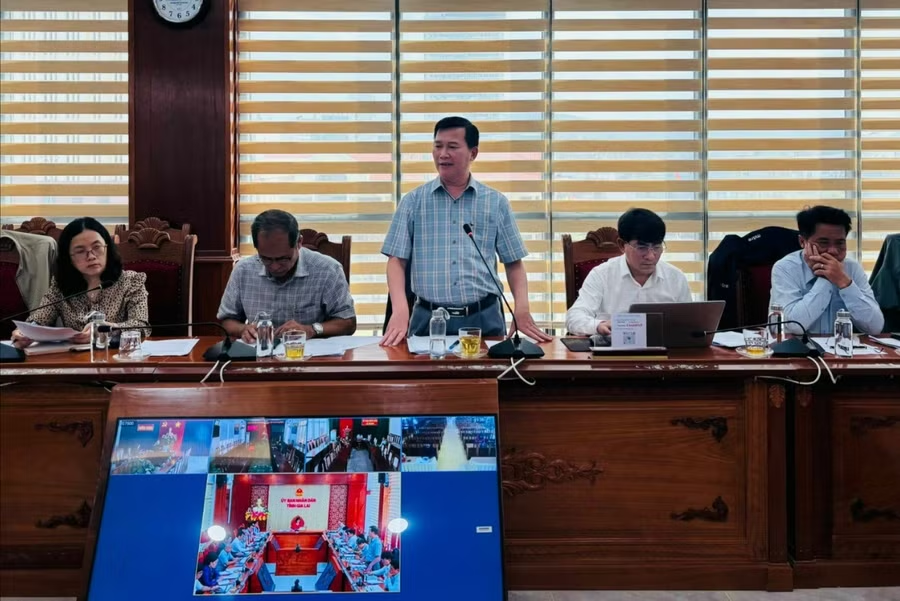
Departments and localities highlighted the province’s tourism potential while acknowledging limitations and challenges. They proposed solutions to strengthen market stability, support affected tourism enterprises, and effectively implement the tourism development plan for 2025-2030.
In her closing remarks, Vice Chairwoman Lịch reaffirmed tourism as a strategic economic sector and said the 2026 National Tourism Year would lay the groundwork for stronger cultural and tourism development. She urged agencies to prioritize storm recovery efforts, ensure thorough preparations, and maintain high responsibility in executing tourism initiatives.
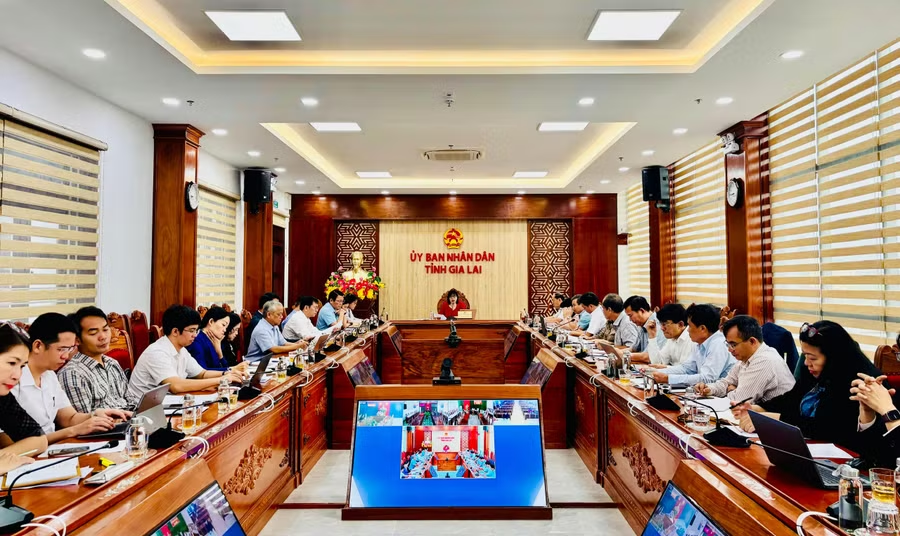
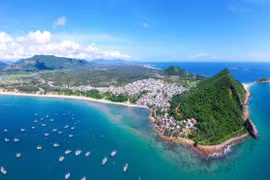
She requested the Departments of Agriculture and Environment, Culture, Sports and Tourism, and Industry and Trade to jointly assess tourism-related damages and propose recovery measures. The Department of Construction was assigned to lead urban beautification efforts in Pleiku and Quy Nhơn wards, ensuring architectural harmony with local identity.
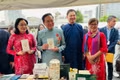
The Vice Chairwoman also called for clear coordination mechanisms in event organization, closer links between festivals, culture, and cuisine, and stronger investment promotion. She encouraged the development of OCOP product chains and proposed major international activities such as an International Gong Festival and a comprehensive coffee experience program.
Additionally, she suggested exploring a “community-based tourism year,” encouraging every resident to act as an ambassador in enhancing landscapes, hospitality, and Gia Lai’s image to visitors.