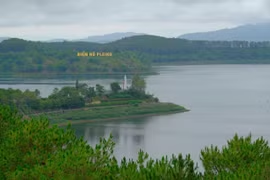
In the western highlands, apricot blossoms have entered full bloom, casting soft pink hues across the slopes. The flowering đỗ mai trees line the scenic routes leading into the region, their reflections shimmering on the still waters near the suspension bridge on the northern shore of Bien Ho Lake in Bien Ho commune. Morning mist lingers over the lake, offering landscapes reminiscent of traditional ink wash paintings.
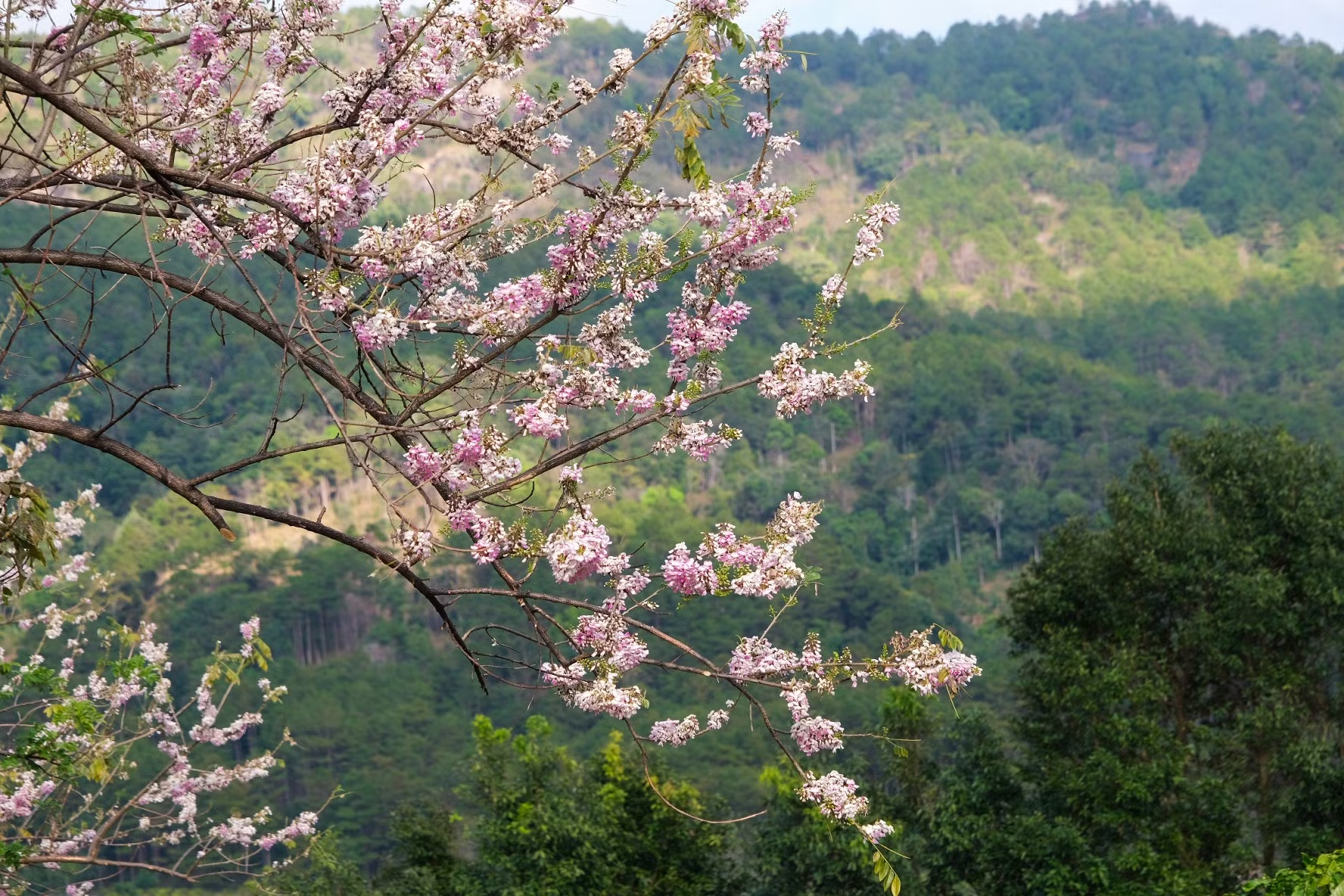
Along a road bordered by centuries-old pine trees, the pink blossoms stand out against expansive tea plantations. The đỗ mai trees, often planted in long rows as natural fences, stretch alongside the tea fields and have become one of the area’s most distinctive spring markers. At Buu Minh Pagoda, an ancient đỗ mai tree adds a gentle pink touch beside an old yellow apricot tree in the courtyard.
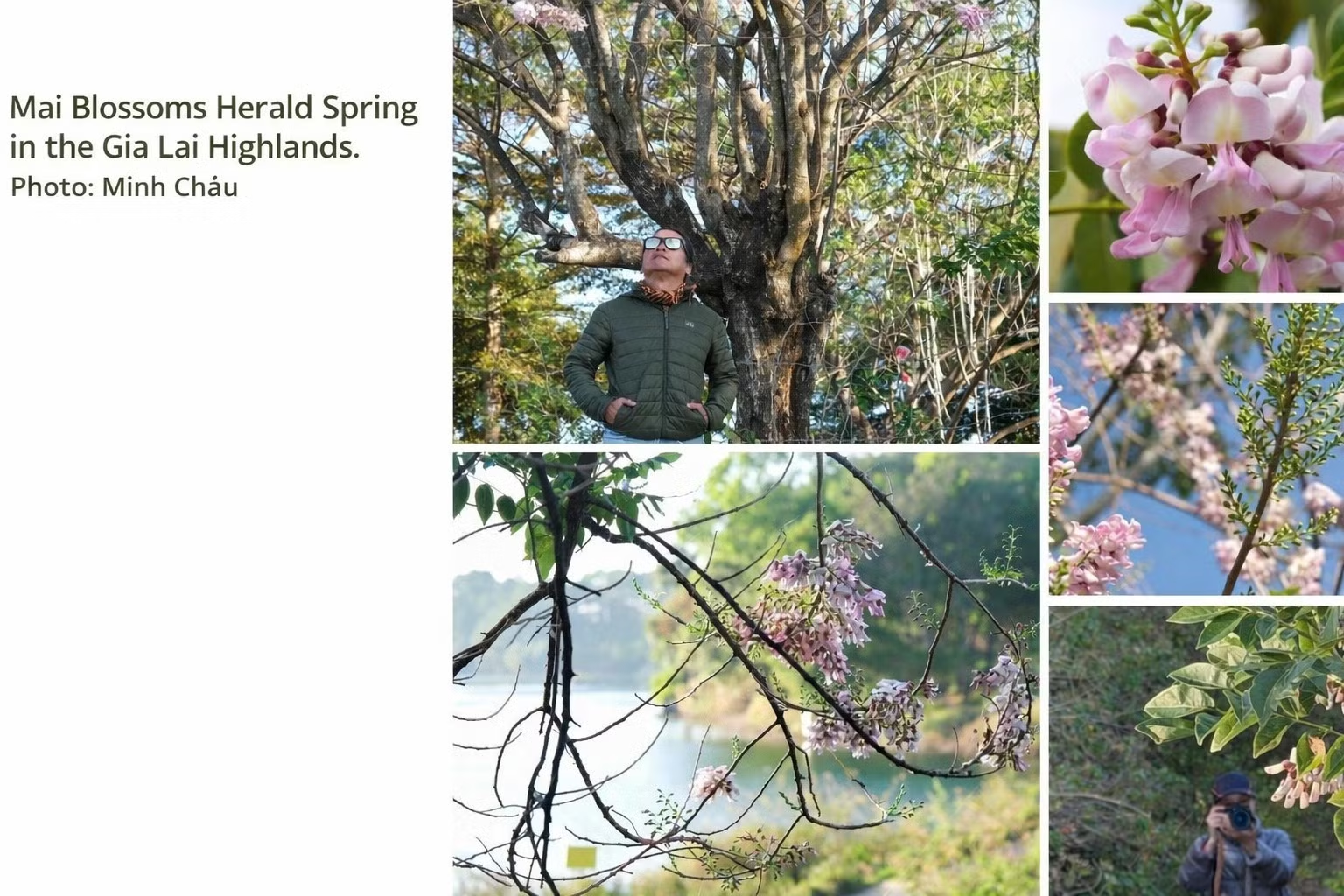
In the western highlands, apricot blossoms have entered full bloom, casting soft pink hues across the slopes. The flowering đỗ mai trees line the scenic routes leading into the region, their reflections shimmering on the still waters near the suspension bridge on the northern shore of Bien Ho Lake in Bien Ho commune. Morning mist lingers over the lake, offering landscapes reminiscent of traditional ink wash paintings.
Along a road bordered by centuries-old pine trees, the pink blossoms stand out against expansive tea plantations. The đỗ mai trees, often planted in long rows as natural fences, stretch alongside the tea fields and have become one of the area’s most distinctive spring markers. At Buu Minh Pagoda, an ancient đỗ mai tree adds a gentle pink touch beside an old yellow apricot tree in the courtyard.
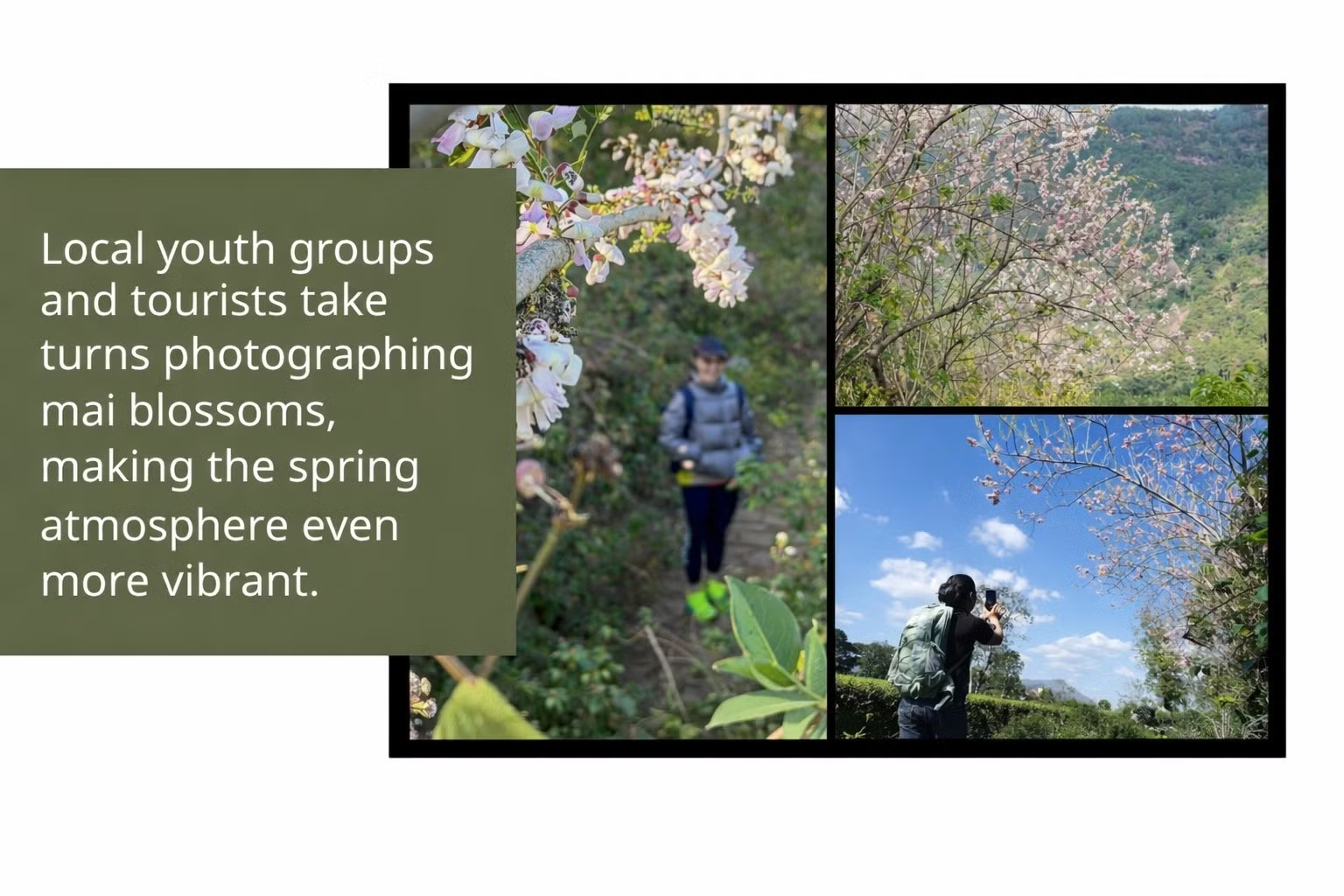
Farther along the route toward Tan Son Dam, dense clusters of đỗ mai create vivid streaks on the green mountainsides. The road has become a popular early spring destination, drawing young visitors eager to capture their first photographs of the year.
Nguyen Thanh Nhan, a traveler from An Giang, said the blooms in the Gia Lai highlands stand out for their delicate colour and density. “This flower isn’t flamboyant, but it harmonizes beautifully with the landscape of hills, tea plantations and slopes here in a truly unique way,” he said.
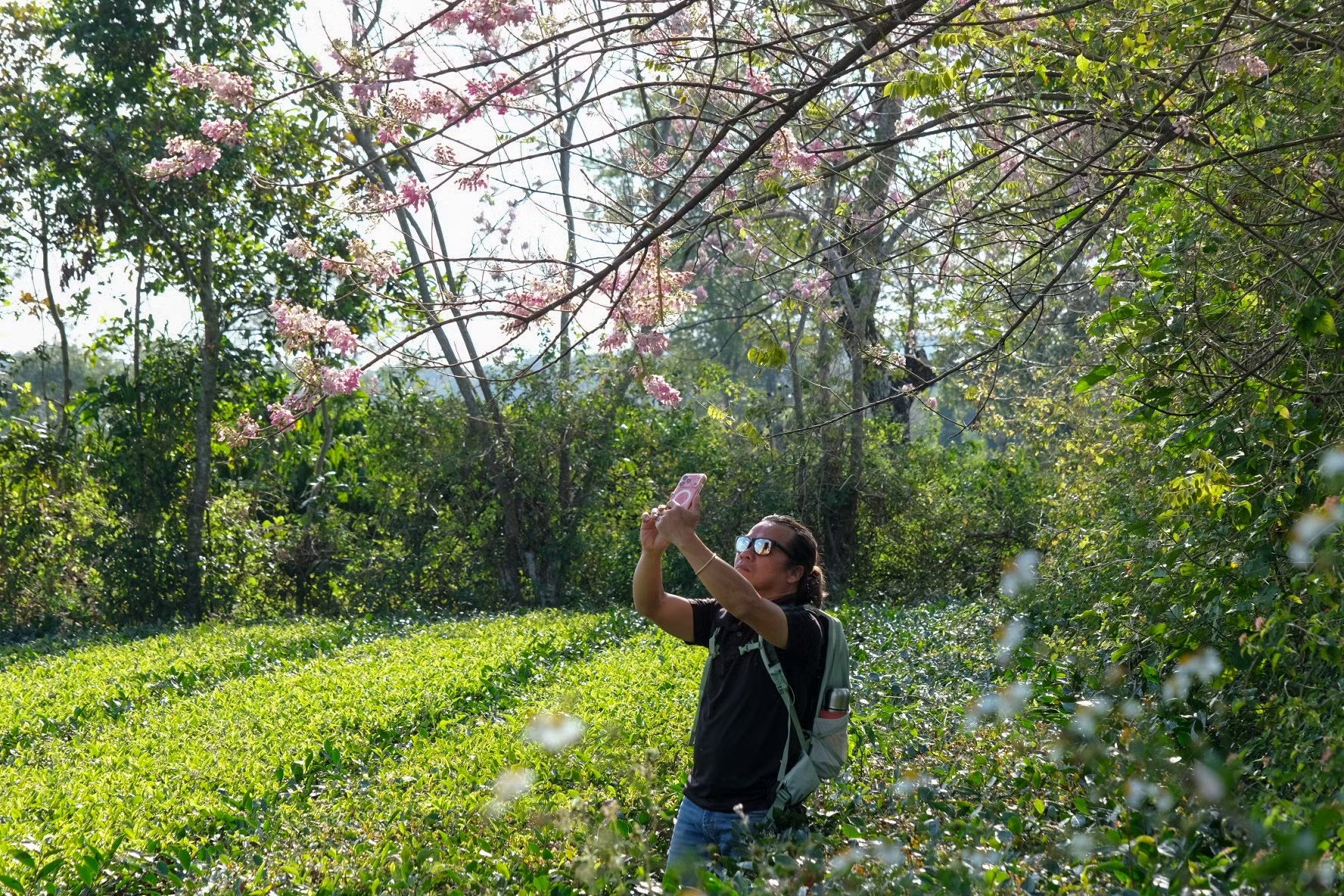
According to local tour guides and photographers, the optimal time to capture the flowers’ subtle pink tones is early morning or late afternoon, when light is softest.
Decades ago, local farmers planted đỗ mai primarily as natural fences and to decorate coffee gardens, tea plantations and the banks of Bien Ho Lake. The hardy tree adapts well to the highlands, tolerates cold weather and blooms at the start of spring. Over time, it has become a seasonal symbol of Gia Lai.
For residents such as Nguyen Thi Hong of Bien Ho commune, the blooming season marks a familiar rhythm. “Whenever the flowers bloom, we know it’s the twelfth lunar month and time to prepare for Tet,” she said.
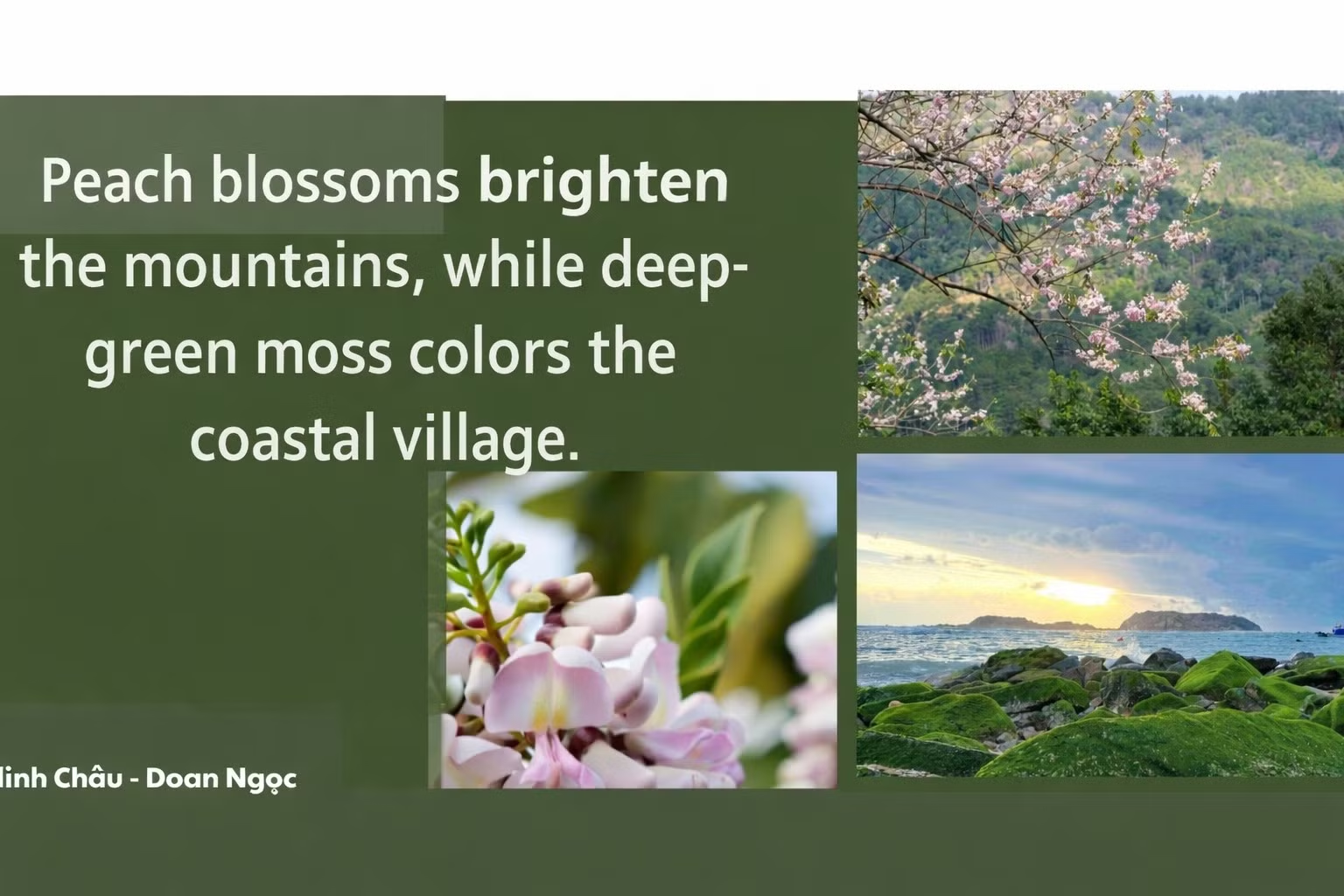
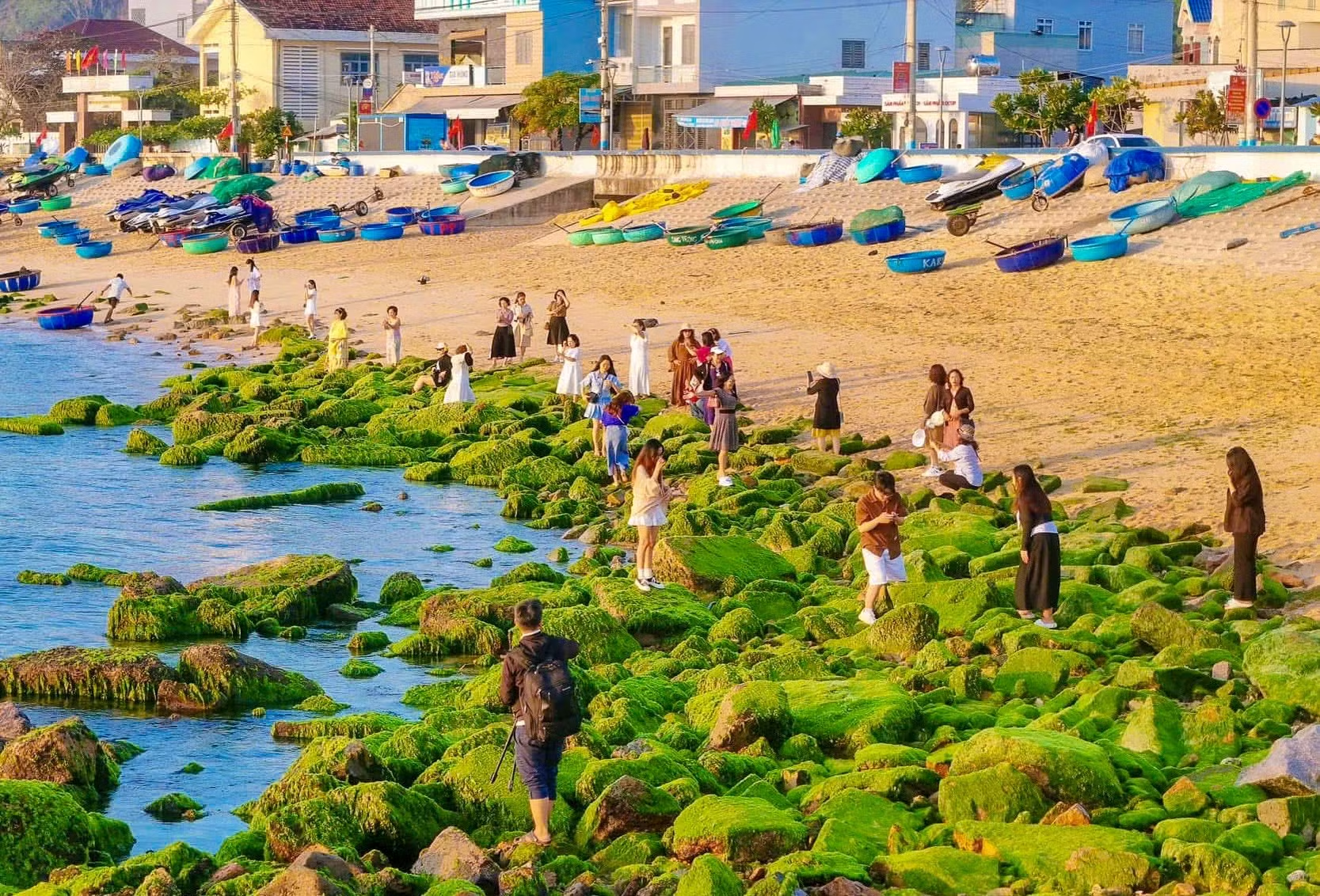
As the northeast monsoon weakens, green moss emerges along the coastal villages to the east. In Xuan Thanh fishing village in Phu My Dong commune, moss covers the rocky outcrops revealed during low tide from the twelfth to the first lunar month. From a distance, the rocks appear wrapped in a velvety green layer set against the clear blue sea.
At dawn, the first sunlight casts a fresh glow over the moss, drawing visitors who stroll along the rocks to take photos with the waves and basket boats as a backdrop.
Nhon Hai fishing village in Quy Nhon Dong ward has also become a seasonal attraction. Unlike Xuan Thanh’s natural rock formations, Nhon Hai’s moss spreads along the concrete embankments, forming a bright green ribbon at the water’s edge. The embankments are particularly photogenic at sunrise and sunset, when gentle waves leave glistening trails on the moss.
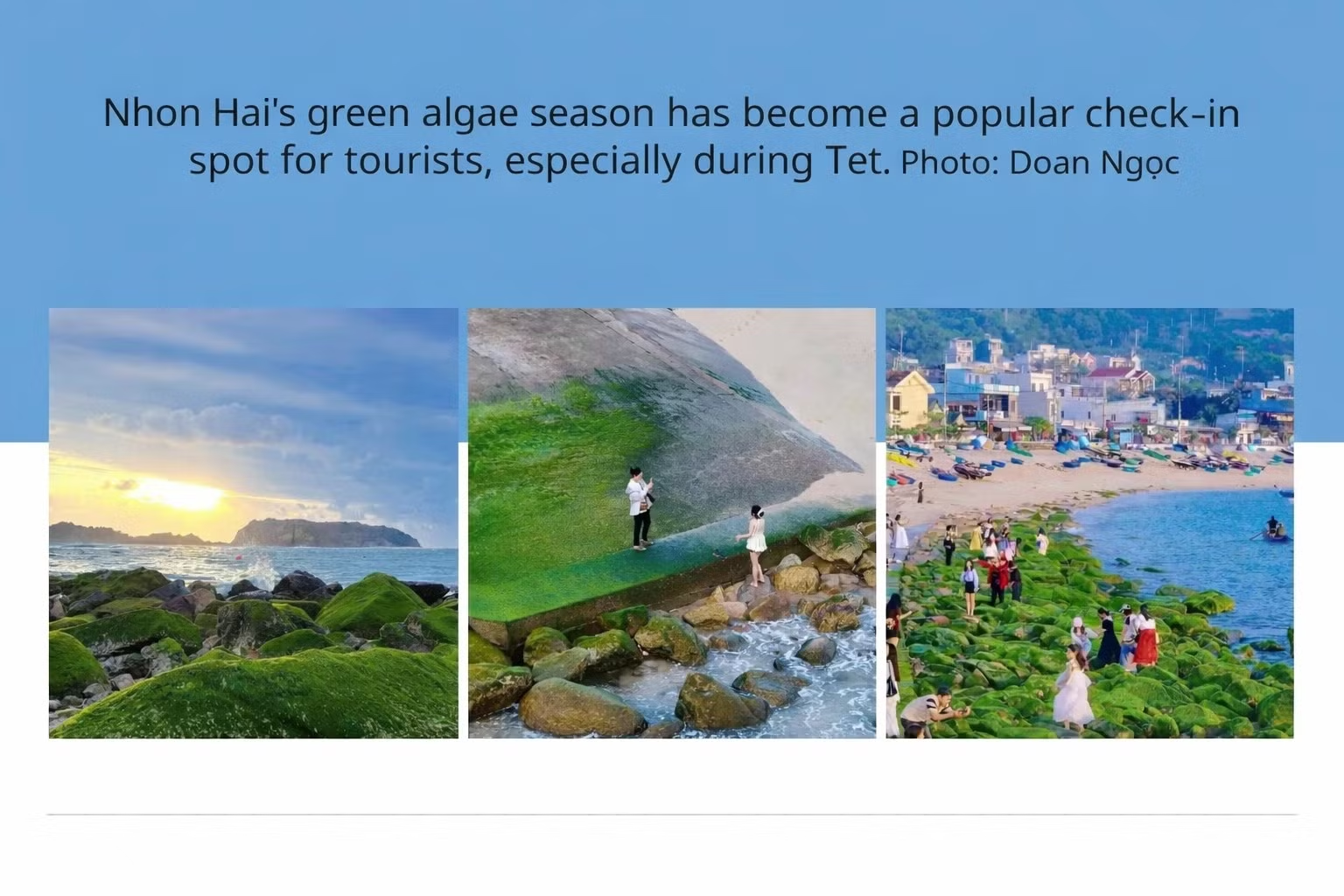
The moss season is brief. In both Xuan Thanh and Nhon Hai, it is expected to remain at its peak through Tet Nguyen Dan Binh Ngo 2026, offering vivid coastal scenery that draws visitors to linger.
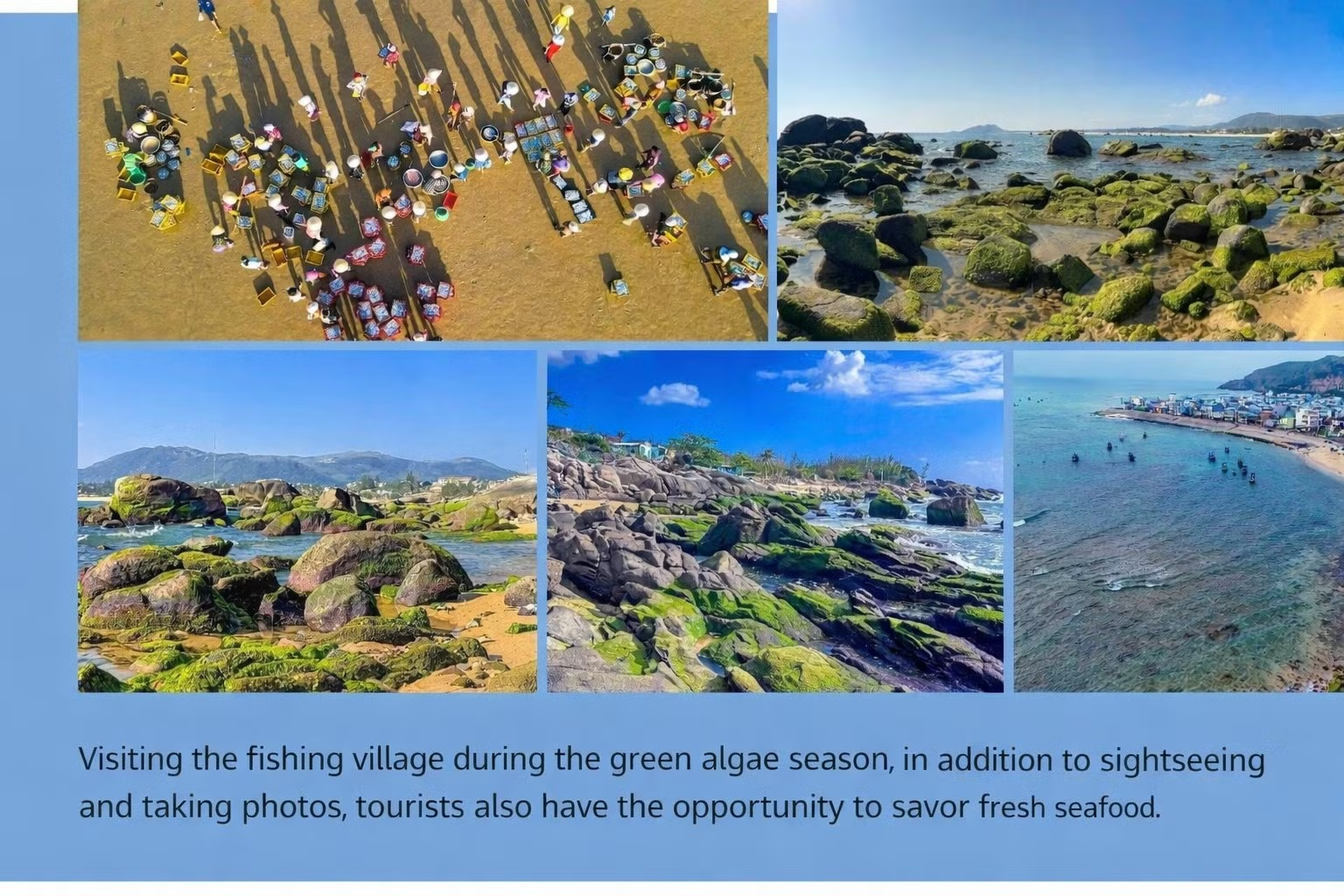
Tourists visiting during this period can enjoy local seafood dishes at small seaside eateries, particularly in Nhon Hai, where simple grilled plates are served beside the moss-covered shore. In Xuan Thanh, time spent listening to fishermen’s stories adds a warm, communal touch to the coastal experience.