Within the flow of Eastern culture, lanterns are not merely decorative objects of aesthetic value, but also symbols of light, hope, reunion, and prosperity.
Over thousands of years of history, many Asian countries have developed large-scale lantern festivals, turning them into unique cultural and tourism events that attract millions of visitors each year.
These festivals not only illuminate urban and rural spaces but also rekindle traditional memories, reflecting the cultural depth of each nation.
Lantern Festival (China)
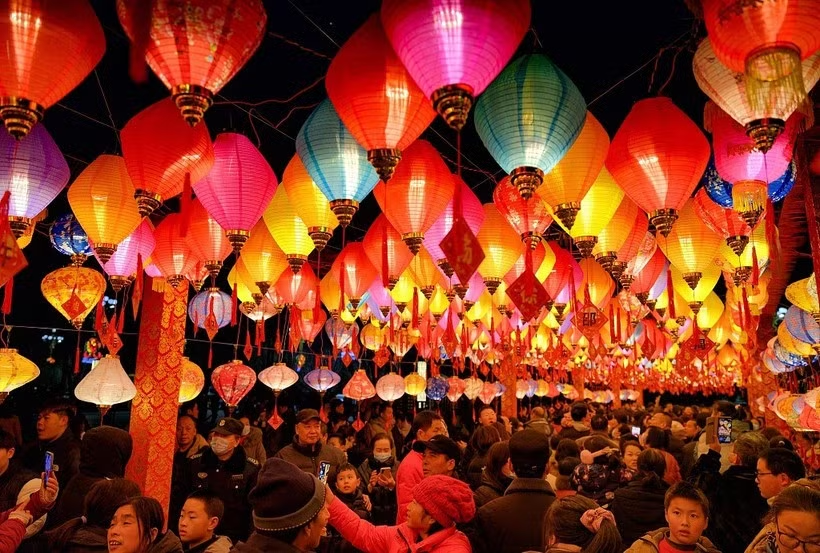
One of the largest and most renowned lantern festivals in Asia is the Lantern Festival in China. Held on the 15th day of the first lunar month, this festival marks the end of the Lunar New Year celebrations.
During this time, major cities such as Beijing, Shanghai, Xi'an, and Kunming are awash in the glow of tens of thousands of lanterns in various shapes and colors. Chinese lanterns often feature dragons, phoenixes, lotuses, legendary figures, or the zodiac animal of the year, embodying wishes for peace, luck, and prosperity.
In addition to admiring the lantern displays, locals and tourists participate in traditional activities such as solving lantern riddles, lion and dragon dances, and folk art performances, creating a vibrant yet deeply traditional festive atmosphere.
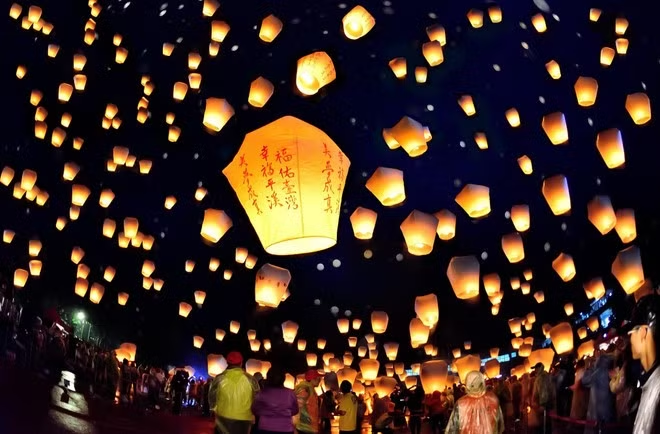
Pingxi Sky Lantern Festival (Taiwan, China)
This festival is considered one of the most spectacular light events in Asia. It is typically held in rotation among major cities, with each year featuring a unique theme related to technology, environmental protection, or local cultural identity. Hundreds of giant lantern artworks, utilizing modern lighting technology, are displayed in open spaces, drawing millions of visitors. A distinctive feature of this festival is the harmonious blend of tradition and modernity, as handcrafted traditional lanterns stand alongside high-tech light installations, reflecting the creative and dynamic spirit of contemporary society.
Today, the Pingxi Festival takes place on the 15th day of the first lunar month, offering unforgettable experiences for both locals and tourists.
Nagasaki Lantern Festival (Japan)
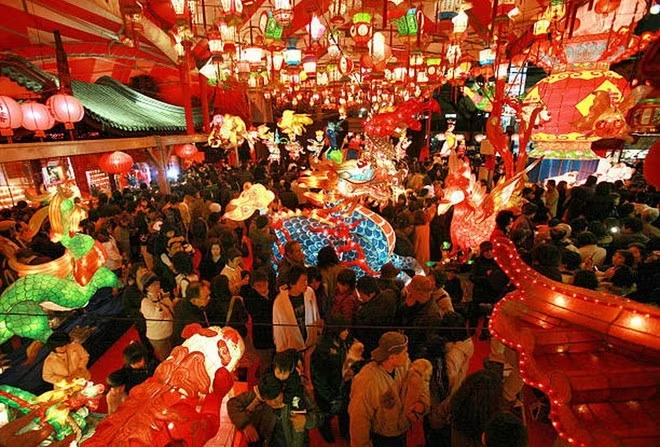
If you travel to Japan during the first lunar month, don't miss the Nagasaki Lantern Festival, held during the first 15 days of the Lunar New Year. This is one of the largest lantern festivals in Asia. Throughout the festival, a variety of lantern-related activities take place, including lantern releases, parades, and diverse performances.
Visiting Japan during the lantern festival season, tourists will find the entire city, entertainment centers, and commercial areas bathed in the glow of beautiful lanterns. Numerous stages are set up, and a host of entertainment activities by artists enliven the festive atmosphere.
One of the most impressive activities for visitors at this famous Asian lantern festival is the Jaodori dragon dance and mask performances. Mask performers can astonish audiences with their ability to switch masks with just a wave of the hand.
Lotus Lantern Festival (South Korea)
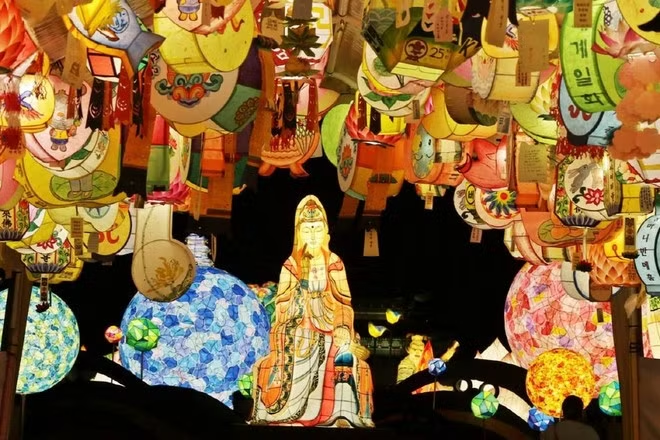
In South Korea, the Lotus Lantern Festival (Yeon Deung Hoe) boasts a history of over 1,200 years and is closely associated with Buddhism. The festival is usually held during Buddha's Birthday, with the highlight being a grand parade of giant lotus lanterns along major streets in Seoul. Tens of thousands of brightly colored lotus lanterns are lit, symbolizing wisdom, compassion, and enlightenment.
Beyond its religious significance, the festival is also an opportunity for locals and international visitors to immerse themselves in traditional cultural spaces, participate in handicraft activities, artistic performances, and unique Buddhist rituals.
This festival was recognized as an Intangible Cultural Heritage of South Korea in 2012 and as an Intangible Cultural Heritage of Humanity in 2020.
Yi Peng and Loy Krathong Festivals (Thailand)
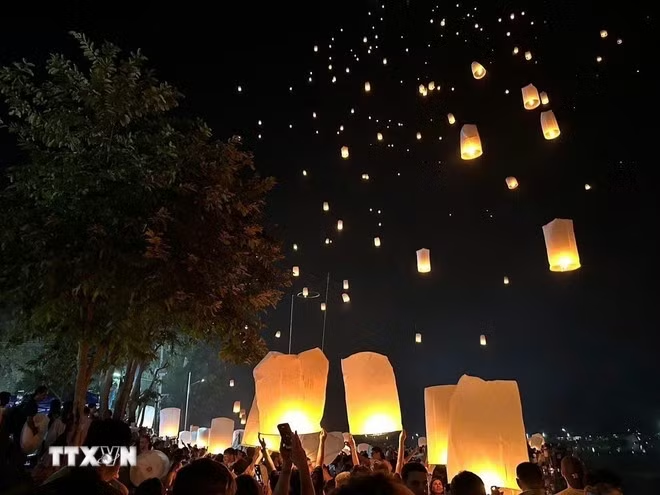
Southeast Asia also contributes its own distinctive lantern festivals, with the Yi Peng Festival in Thailand standing out. Yi Peng is held mainly in Chiang Mai, where thousands of sky lanterns are released into the night sky, creating a breathtaking scene reminiscent of a luminous Milky Way.
Meanwhile, the Loy Krathong Festival, with its ancient traditions in the Land of Golden Temples, is the second largest celebration of the year after Songkran, the Thai New Year.
Held annually on the full moon of the 12th month in the Thai lunar calendar across provinces and cities nationwide, Chiang Mai in the north is considered the most enchanting destination to witness the shimmering spectacle of lights.
Thais believe that releasing sky lanterns helps wash away misfortune and sends wishes for the future.
Hoi An Lantern Festival (Vietnam)
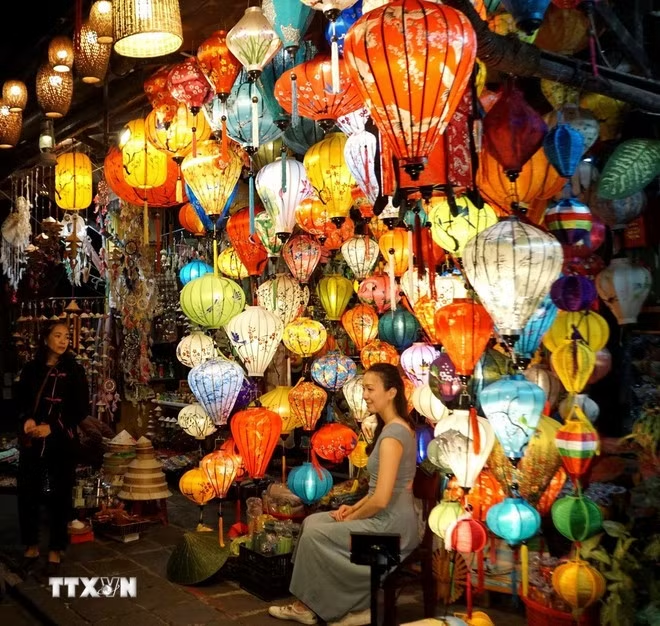
In Vietnam, the Hoi An Lantern Festival, though smaller in scale compared to some of Asia's major festivals, exudes a tranquil, refined beauty rich in local identity. On the night of every full moon, the ancient town of Hoi An dims its electric lights, making way for thousands of colorful lanterns. The old town's timeless setting along the Hoai River, reflected in the lantern-lit waters, creates a festival of light imbued with Vietnamese cultural essence, attracting crowds of domestic and international visitors.
Overall, Asia's largest lantern festivals are not only grand light shows but also gatherings of history, beliefs, and folk art. Each festival and each lantern tells its own story about people and their aspirations for light, peace, and happiness. In the context of globalization, these festivals play an increasingly important role in preserving cultural identity and serve as bridges for exchange between nations and cultures.
The light from lanterns, whether kindled thousands of years ago or recreated with modern technology, continues to radiate profound human values. This is why Asian lantern festivals captivate visitors not only with their visual splendor but also by touching the emotions and cultural memories of people everywhere in the world.
(Source: Vietnam+)