This emerging trend is attracting tourists seeking hands-on experiences while helping local communities tap into sustainable economic opportunities.
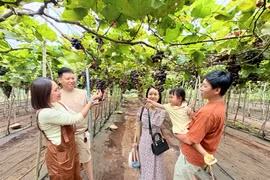
In Gia Lai’s Ia Krái commune, rambutan orchards are a major draw during the harvest season from June to August, where visitors eagerly pick and taste the fruits.
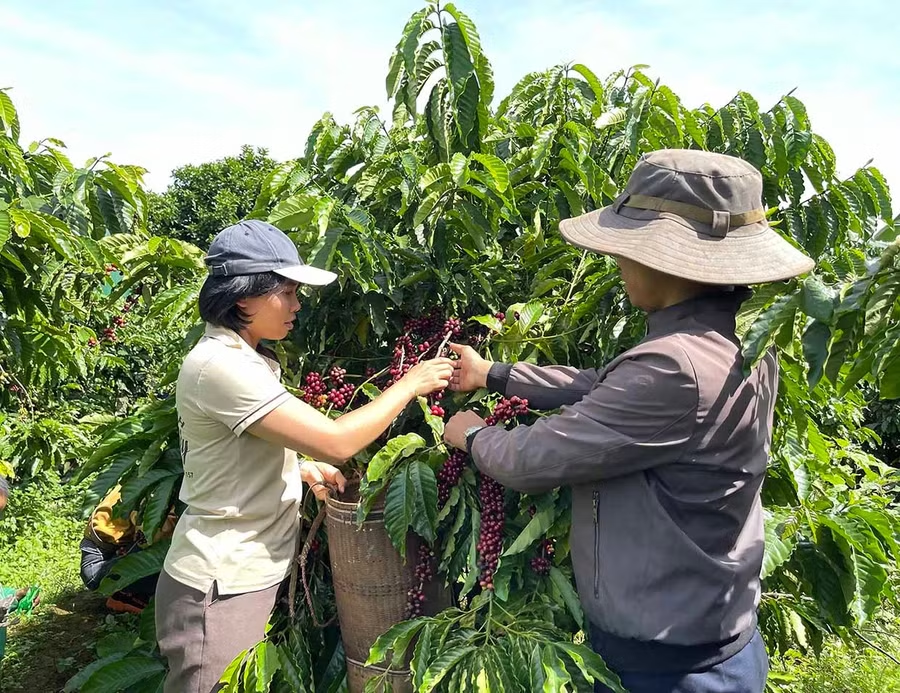
Meanwhile, in Ia Phí commune, the Tây Gia Lai Agricultural, Service, and Community Tourism Cooperative has introduced a “farm-to-cup” coffee model.
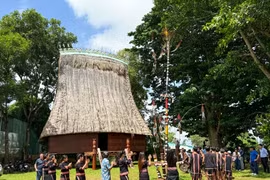
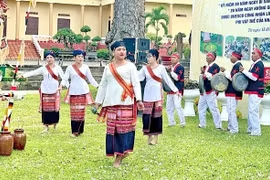
Director Siu Sắt highlights the area’s rich natural beauty and cultural heritage, with local ethnic minority traditions such as gong ensembles, communal houses, and ancient churches enhancing the tourist experience.
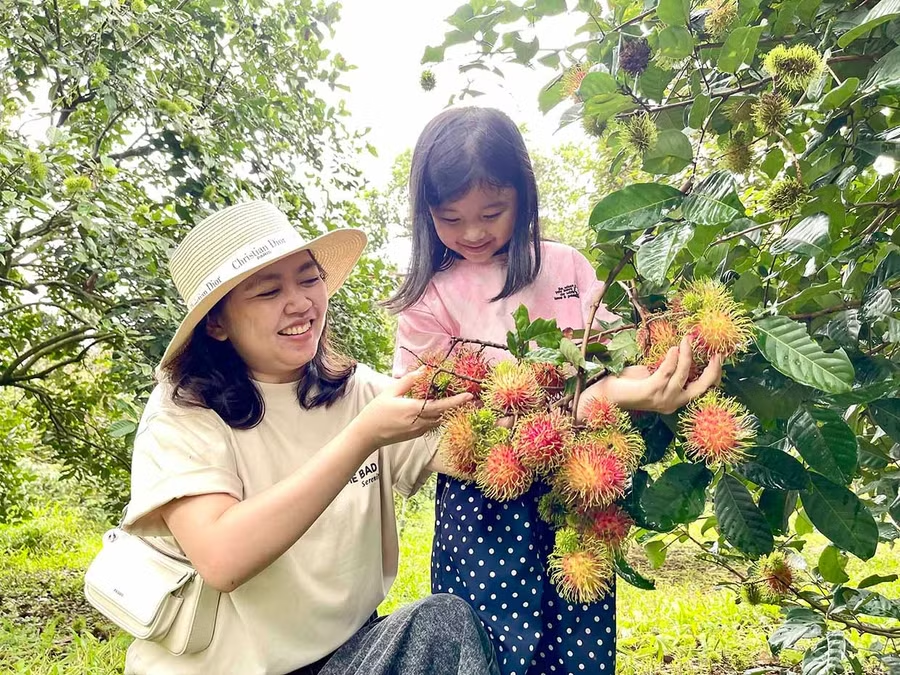
Tourists at Ia Phí can engage in coffee harvesting, roasting, and brewing, offering a deeper understanding of the coffee-making process. Lê Thị Thùy Minh, a visitor from Ho Chi Minh City, noted, “When the coffee starts to ripen, I come to Ia Phí and am guided on how to pick the ripe cherries. Only by harvesting and learning about the wet processing method did I truly appreciate the value of a coffee bean”.
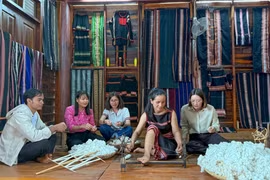
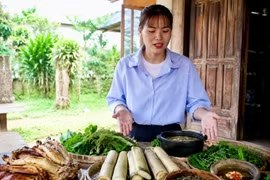
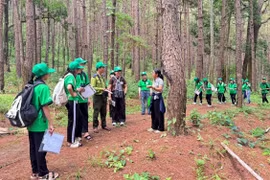
In Ayun commune, the An Lộc Agroforestry and Service Cooperative offers a different experience, blending fruit orchards, essential oils, dried fruit products, and traditional basket weaving. Director Phạm Thị Từ Vân explains that visitors can sample fresh fruit, learn about product processing, and watch artisans craft beautiful handmade goods in Đê Kjiêng village.
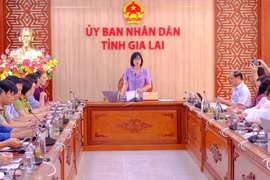
Biện Văn Hảo, Vice Chairman of the Ia Phí Commune People’s Committee, emphasized that agricultural tourism is an ideal strategy, given the region’s potential. The initiative diversifies tourism offerings and helps shift the local mindset, integrating agriculture with services and experiential tourism. The commune encourages organic farming and tourism-related services, focusing on key products like coffee and fruit, while also providing training in community tourism and environmental awareness.
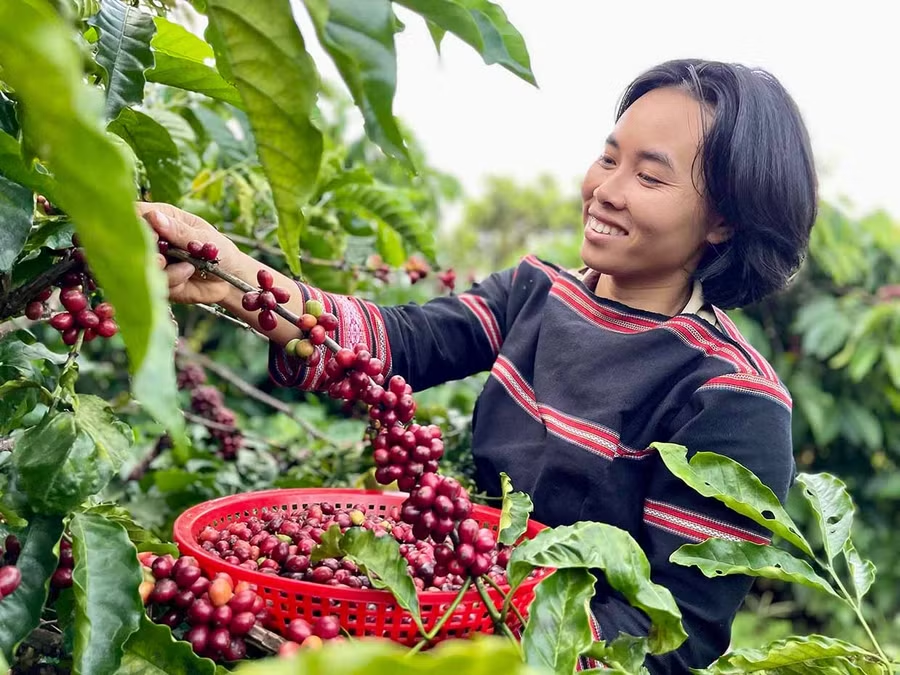
Local residents are benefiting directly from tourism, becoming “cultural ambassadors” who help preserve the landscape, protect cultural identity, and promote the region. While many of the tourism projects are still in their infancy, driven by passionate farmers, their impact is growing. Popular destinations include the Farm Mẹ Thu in Kon Gang commune, Sâm Phát Ialy Farmstay in Ia Ly commune, and the rambutan orchards in Ia Krái, all of which attract a steady flow of visitors.
Phạm Thị Từ Vân also noted that the cooperative is expanding agricultural tourism by collaborating with travel companies to attract tourists, especially those visiting nearby Kon Ka Kinh National Park. The cooperative is working closely with local residents to develop production chains for fruit and high-quality rice, enhancing both product marketing and the tourism experience.
“The commune has many advantages after the recent administrative merger to develop experiential tours,” Vân said, emphasizing the need to combine agricultural production with tourism services, with a focus on organic farming.