Decision No. 236/QĐ-TTg, released in the 14th round of national treasure recognitions, lists 30 artifacts and artifact groups. Gia Lai contributed two, both preserved at the Pleiku Museum.
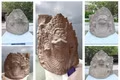
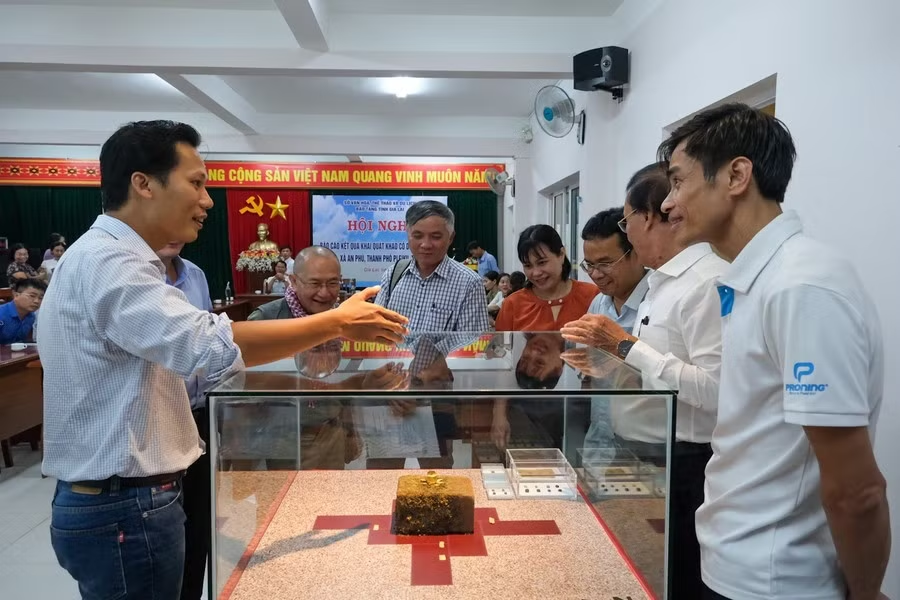
The Collection of Gold Worship Objects from the An Phú Cham Tower dates to the 9th-10th centuries. The set includes a vase positioned on an eight-petal lotus and several gold leaves, some bearing ancient inscriptions.
Archaeologists uncovered the items inside a sacred pit at the tower site in An Phú Ward, about 10 km east of Pleiku. Excavations conducted by the museum and the Southern Institute of Social Sciences revealed a swastika-shaped structure indicating the presence of an ancient Buddhist temple. Numerous gemstones and multicolored glass beads were also found.
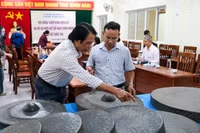
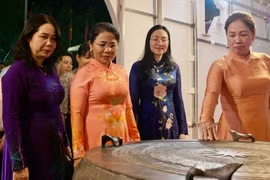
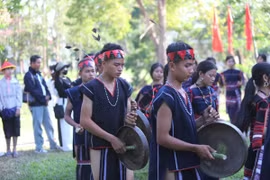
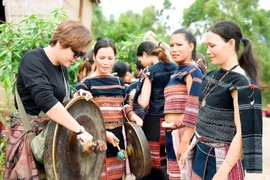
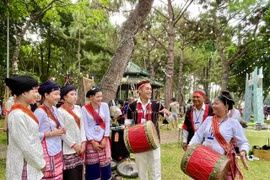
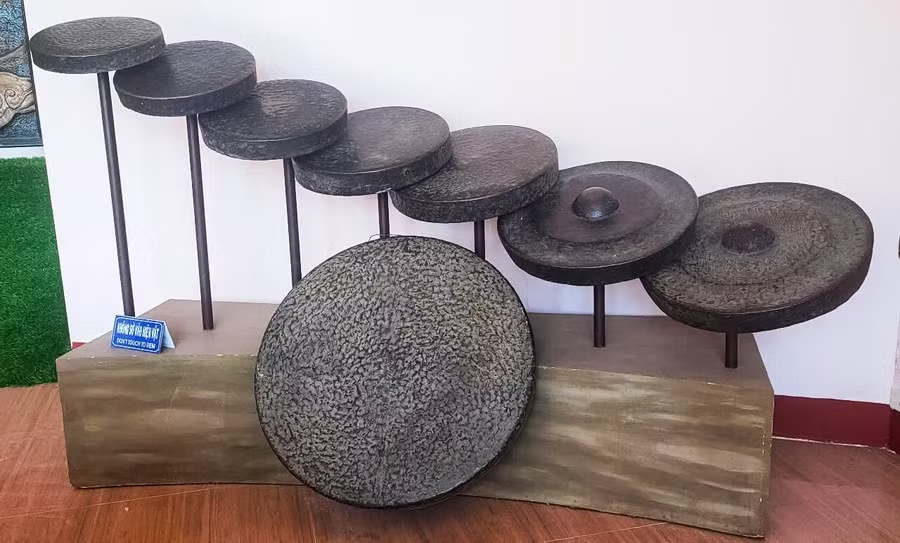
The Kơ Đơ gong set, dating from the early 20th century, consists of eight pieces: one large gong (chiêng sa), two bossed gongs, and five flat gongs. A traditional instrument of the Jrai people, the set was collected in 1997 from the family of Mrs. Rcom Hblon in Buôn Broái, Ia Tul commune, Ayun Pa district.
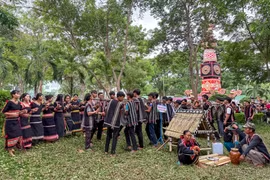
The gongs are typically played during festivals, weddings, housewarmings, and health-blessing rituals, but not during funerals or grave-leaving ceremonies. The artifact represents the distinctive gong culture of Vietnam’s Central Highlands.
Under Decision No. 236/QĐ-TTg, the Minister of Culture, Sports and Tourism, provincial authorities, and relevant agencies are tasked with managing and protecting designated national treasures in accordance with the Law on Cultural Heritage.