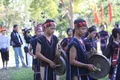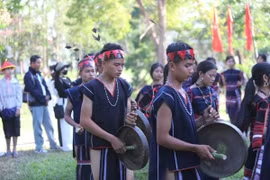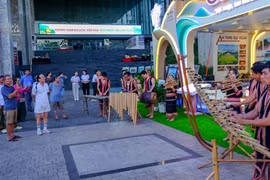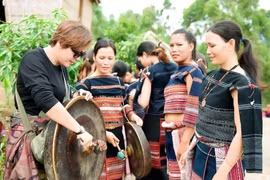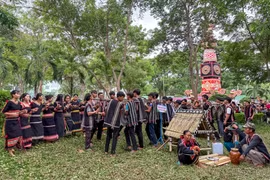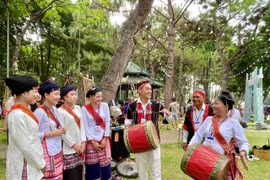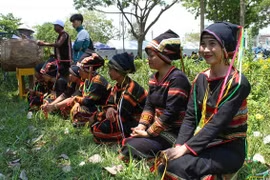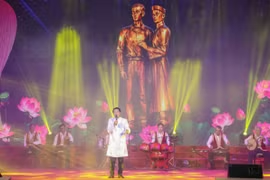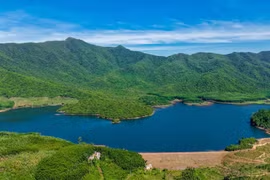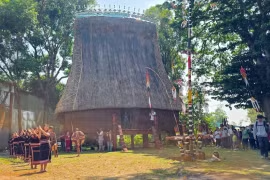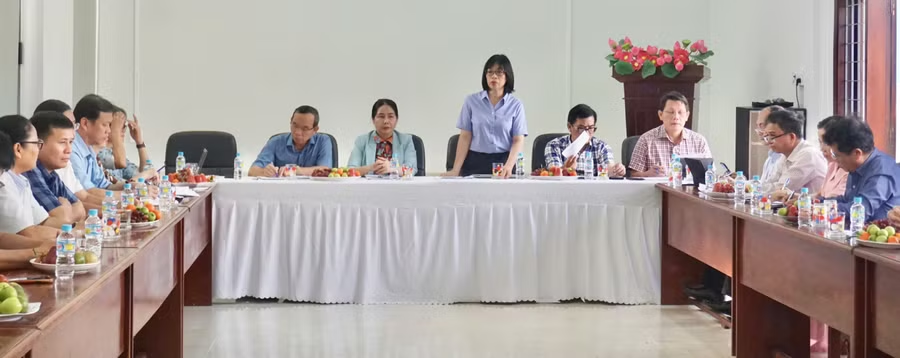
Speaking at the meeting, Nguyễn Thị Thanh Lịch voiced concern over shortcomings in infrastructure, operational mechanisms and the capacity to leverage cultural, artistic, sports and tourism values. She urged relevant agencies to urgently finalize and operationalize major projects, including the preservation and promotion of the Central Highlands Gong Cultural Space heritage, the development of elite sports, and tourism development in Gia Lai province.
The Vice Chairwoman stressed that all existing sports facilities must be comprehensively reviewed, repaired and upgraded to meet modern standards, particularly as Gia Lai is set to host multiple national and international events in 2026, including activities linked to the National Tourism Year. She called for renewed efforts to diversify performance formats, develop new festival products and invest in equipment to ensure high-quality training and performances.
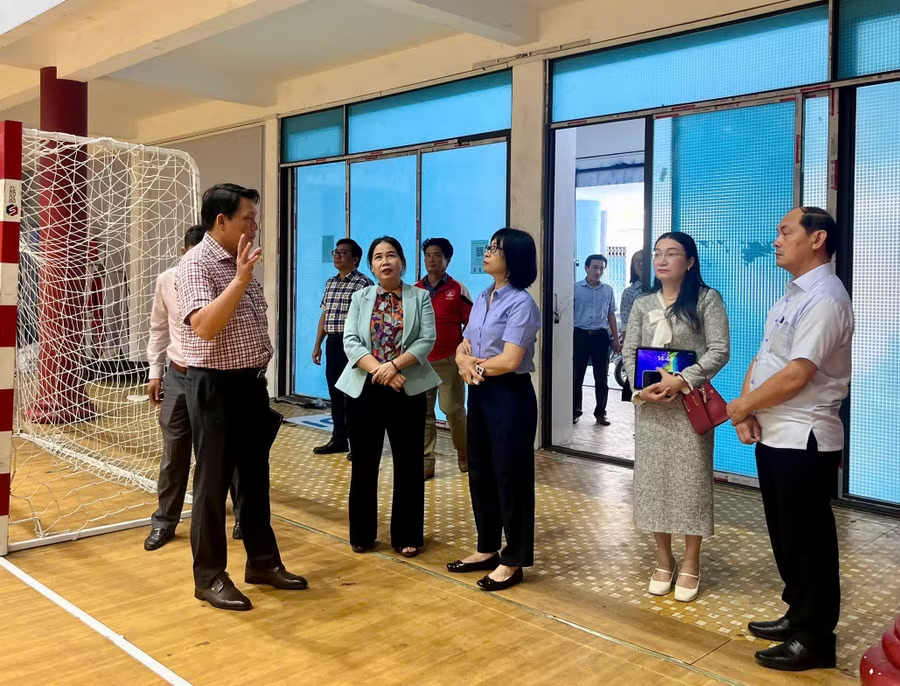
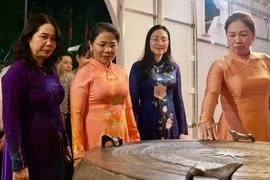
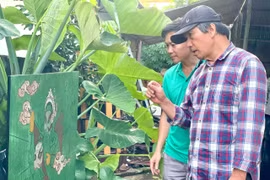
Ahead of the working session, Nguyễn Thị Thanh Lịch conducted on-site inspections at the Provincial Traditional Arts Theater, the Provincial Center for Sports Training and Competition, and the Bình Định Traditional Martial Arts Center. The visits focused on understanding challenges and proposals from staff following recent institutional mergers.
Recent improvements include the renovation of the former Tax Department headquarters at 236 Phan Bội Châu Street, Quy Nhơn Ward, now serving as a dormitory for athletes at the Bình Định Traditional Martial Arts Center. The upgraded accommodation has helped stabilize living conditions, allowing athletes to focus on training and competition.
However, provincial sports infrastructure remains largely outdated and inadequate. Key facilities, including the sports arena, football field, gymnasium and taekwondo training rooms, are deteriorating, fragmented and below current requirements.
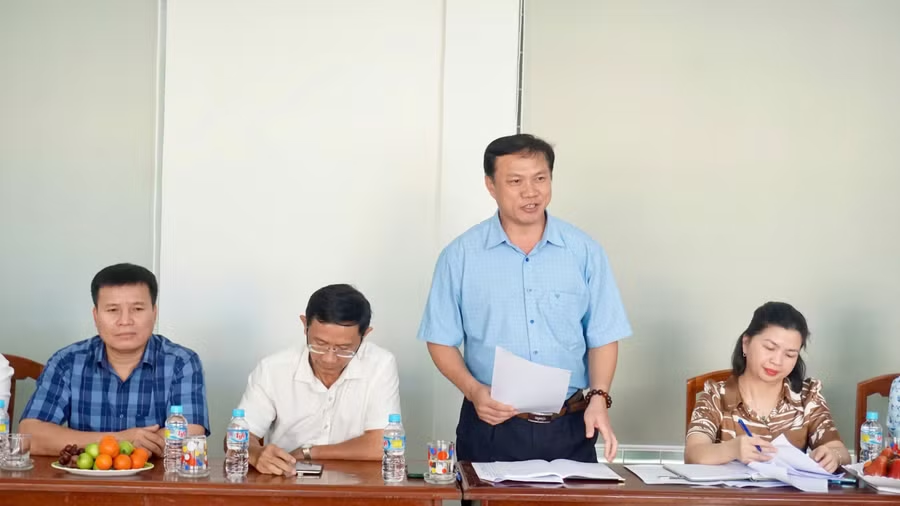
Lục Văn Dũng, Director of the Provincial Center for Sports Training and Competition, proposed that the province allocate land and funding to build a national-standard sports arena capable of hosting domestic and international tournaments, as well as a dedicated football training field for provincial teams. While awaiting private-sector participation, he also called for special support policies for coaches and athletes training at provincial and national youth levels.
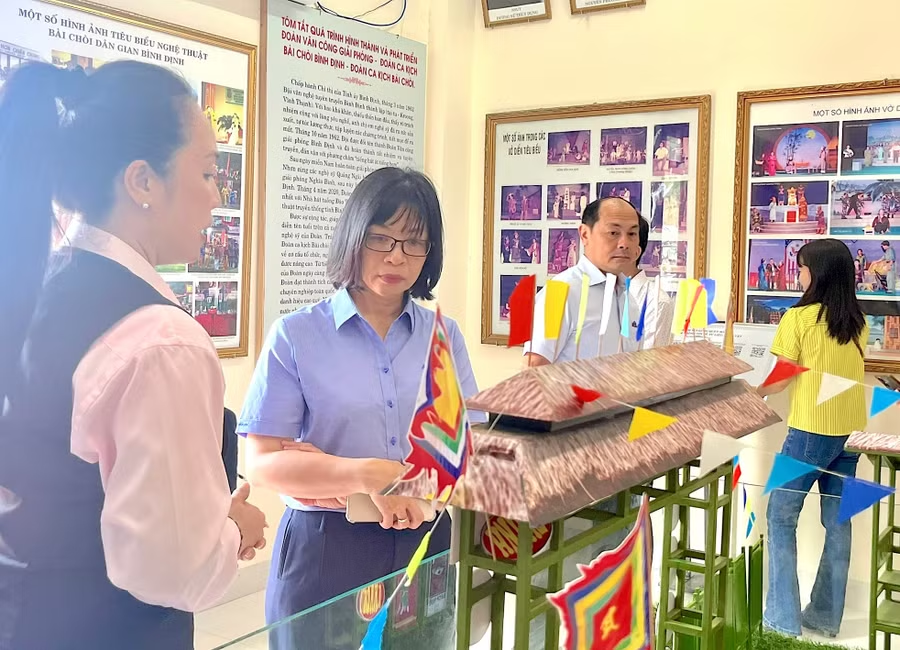
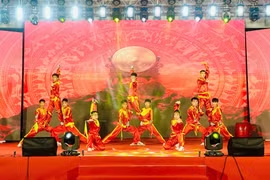
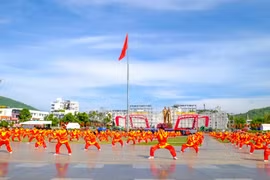
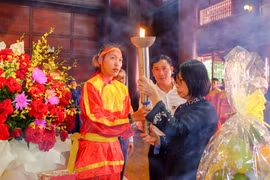
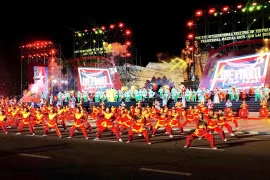
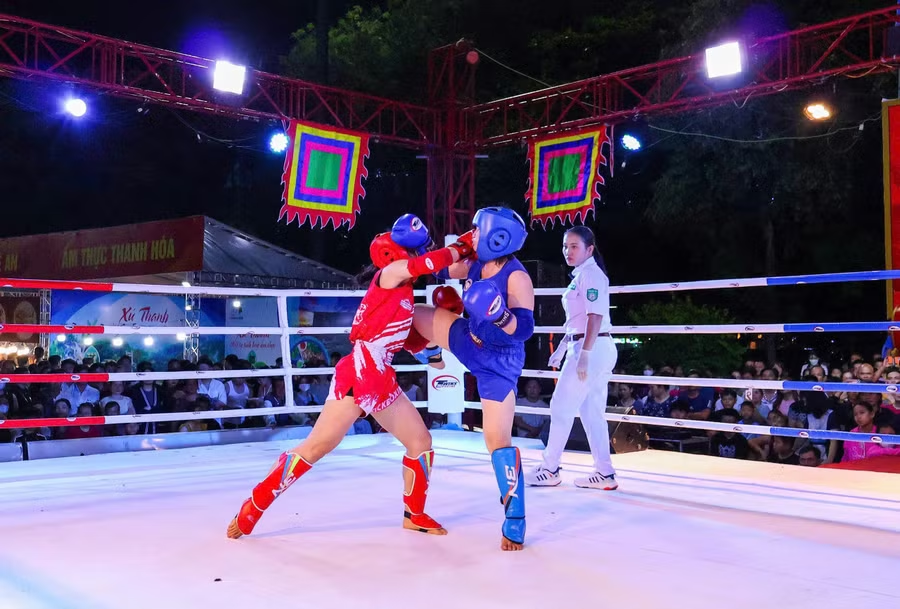
The Bình Định Traditional Martial Arts Center recommended consolidating preservation and athlete training under a single entity to better safeguard and promote traditional martial arts. Director Trần Duy Linh emphasized the urgency of investing in infrastructure to support tourism, noting that Bình Định traditional martial arts are approaching recognition by UNESCO as an Intangible Cultural Heritage of Humanity.
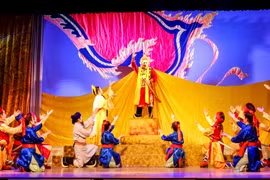
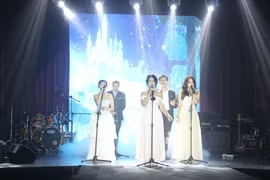
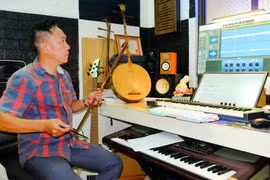
In the cultural sector, officials highlighted the need for incentive mechanisms to retain and develop artistic talent. The Provincial Traditional Arts Theater is facing a shortage of successors amid low wages and difficult living conditions, despite ongoing efforts by veteran artists to mentor younger generations. Limited income has discouraged young people from long-term training, narrowing the talent pipeline to families with longstanding artistic traditions.
Nguyễn Trọng Quỳnh, Director of the Provincial Traditional Arts Theater, urged the province to approve the project “Developing Human Resources for the Gia Lai Provincial Traditional Arts Theater, 2026–2030.” He also called on Quy Nhơn College of Technology and Engineering to propose reopening traditional music and drama programs and to coordinate with the theater on training and recruitment.
Traditional martial arts and hát bội (classical Vietnamese opera) were identified as two cultural assets requiring focused investment. Officials said the development of professional performance formats and well-organized live stages could create distinctive cultural and tourism products, enabling artists and athletes to sustain their livelihoods while maximizing heritage value for long-term economic growth.
Concluding the session, Nguyễn Thị Thanh Lịch said 2026 would be a critical milestone for Gia Lai to project a dynamic, friendly and culturally rich image. “This is a pivotal moment that demands unified action to promote our cultural, sports and tourism strengths, and to elevate Gia Lai’s position on the national and international tourism map,” she said.