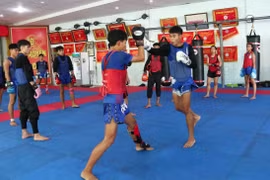
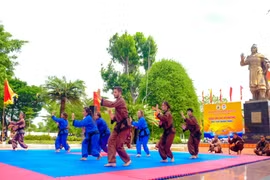
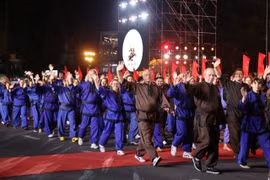
More than 300 competitors from 23 units across Vietnam took part in the tournament, which featured 59 medal events in two main categories: Tanding (sparring) and Senni (artistic performance). Athletes competed in age groups 15-17 and 18-45, with weight classes ranging from 39kg to over 110kg for men and 39kg to over 85kg for women.
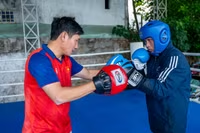
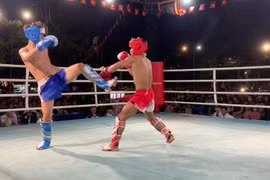
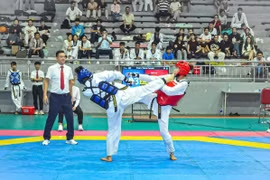
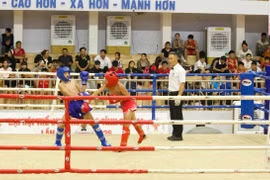
One of the tournament’s standout moments came in the women’s 54kg Tanding final (age 15–17), where Hồ Thị Lê Lan of Thanh Hóa delivered a dominant performance against Nguyễn Ngọc Cầm of Tuyên Quang 1. Demonstrating precise kicks and effective sweeps, Lê Lan secured the gold medal after a fast-paced and intense bout. She credited intensive technical and fitness preparation for her victory.
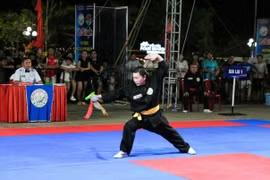
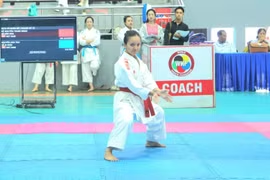
Senni finals also drew strong attention, with artistic routines praised for their precision, rhythm, and expressive quality.
Nguyễn Thị Hà My from Ho Chi Minh City earned a silver medal in Senni Solo and a bronze in Senni Tunggal. Though she expressed some regret about missing the top podium, she said she was proud of her performance.
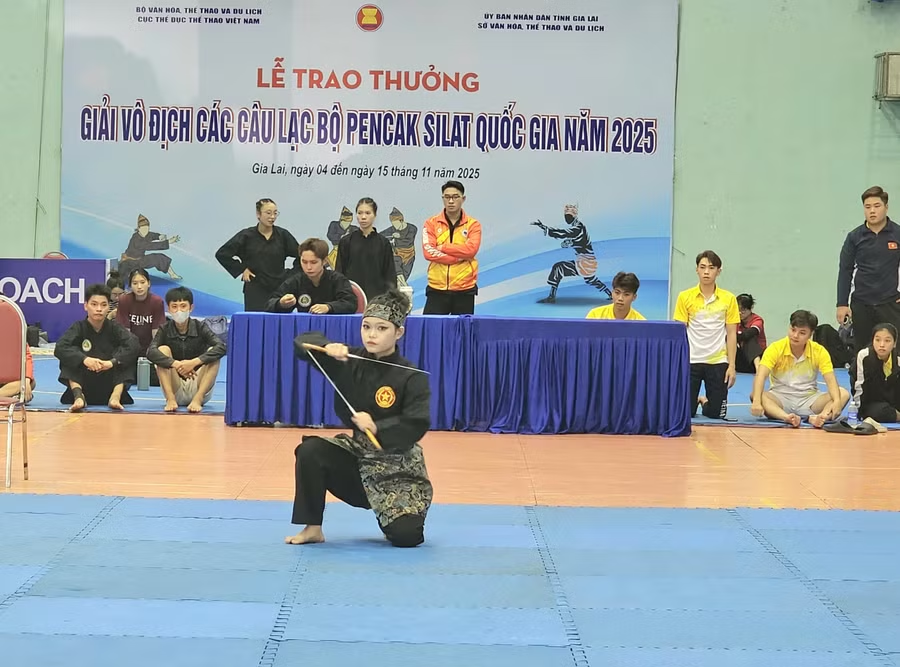
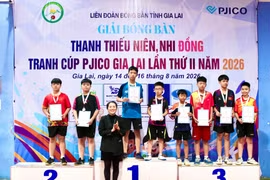
Newcomers also made their mark. Lê Hoàng Việt of Gia Lai won bronze in the 42kg Tanding event for ages 15–17, calling the tournament a valuable opportunity to learn from competitors nationwide.
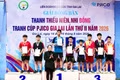
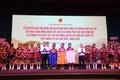
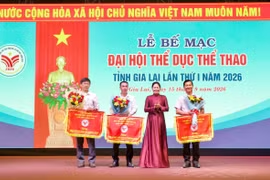
At the conclusion of the 2025 National Pencak Silat Club Championship, the organizers awarded 59 sets of medals to athletes with outstanding achievements across all events.
In the 15-17 age group, Sơn La province took the overall team championship, with Quảng Ninh province in second place and the Ministry of Public Security 1 team in third.
In the 18-45 age group, Thanh Hóa province claimed the overall team title, followed by Ho Chi Minh City 1 in second and the Military 1 team in third.
Coaches and team leaders praised the event’s organization, highlighting strong logistical preparation, high technical standards, and safe competition conditions.
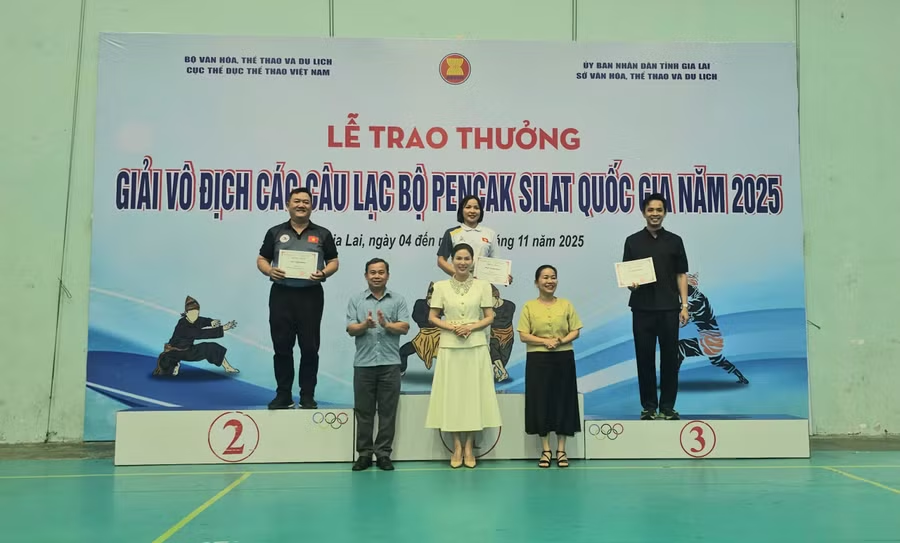
Coach Nguyễn Xuân Hùng of Phú Thọ, whose team won 3 gold, 1 silver, and 4 bronze medals, commended the host province for well-prepared facilities and warm hospitality. Delegations also had opportunities to explore Gia Lai’s landscapes, cuisine, and cultural sites during the tournament.
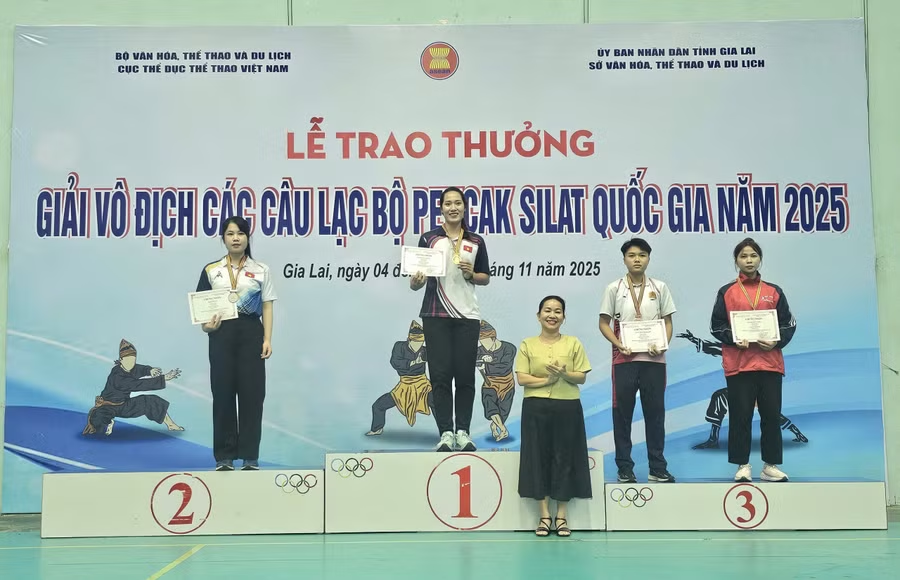
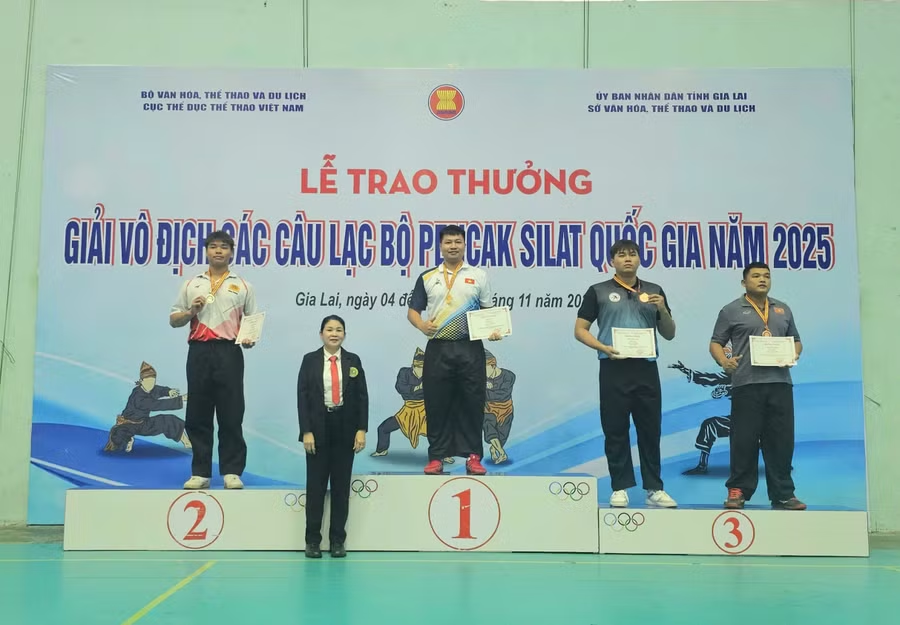
Trịnh Thị Nga, head of the Thanh Hóa delegation, affirmed that teams arrived in excellent physical condition and that the host unit ensured compliance with regulations and safety throughout the event.
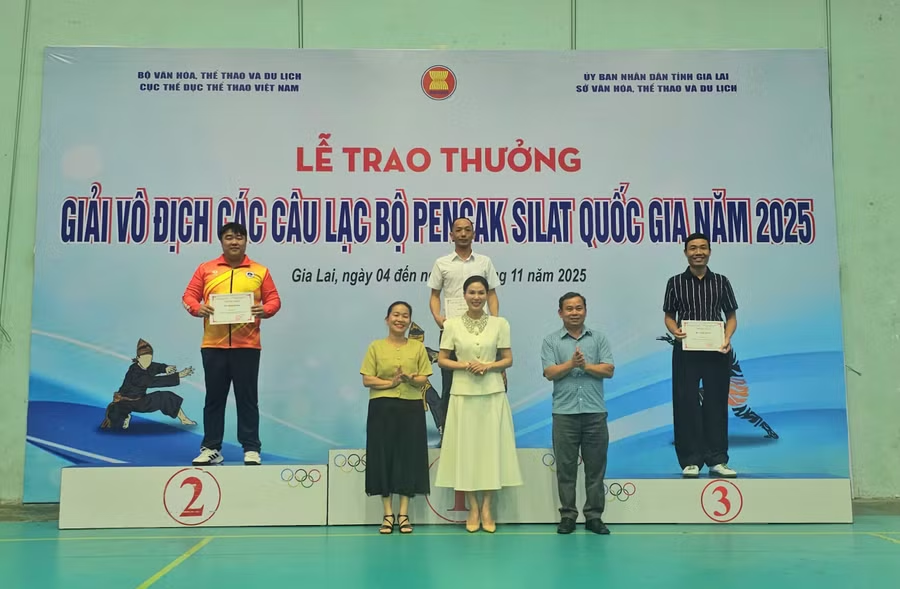
The championship, jointly organized by the Department of Physical Training and Sports and the Gia Lai Department of Culture, Sports and Tourism, was widely regarded as a success, reinforcing Gia Lai’s reputation as a welcoming and capable host for national sporting events.