Nguyễn Hữu Đảo, a member of the Nhơn Lý Community Group for the Protection of Aquatic Resources in Quy Nhơn Đông Ward, said fishermen reported sightings of the turtles around the Eo Gió and Bãi Dứa areas.
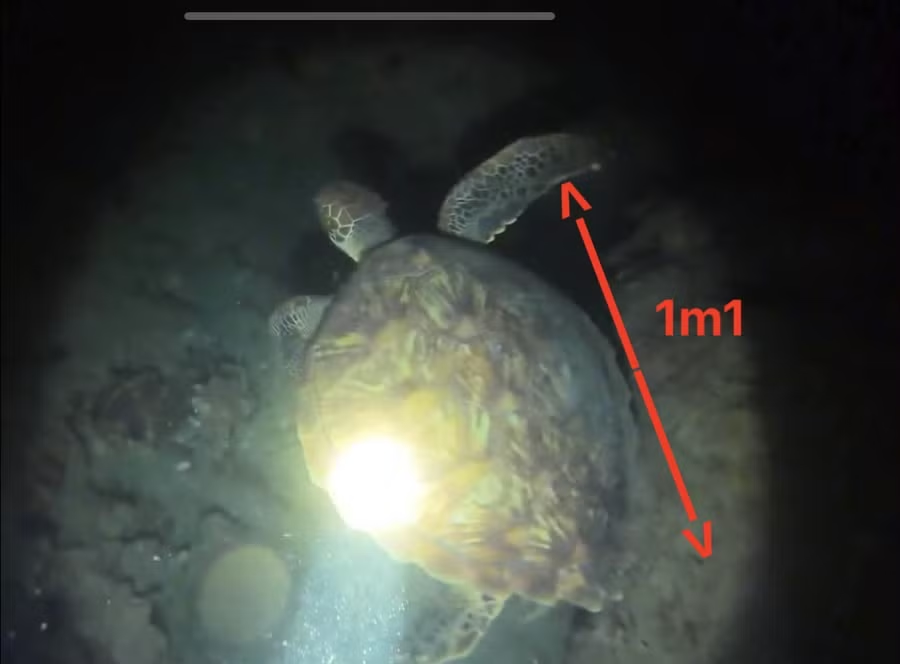
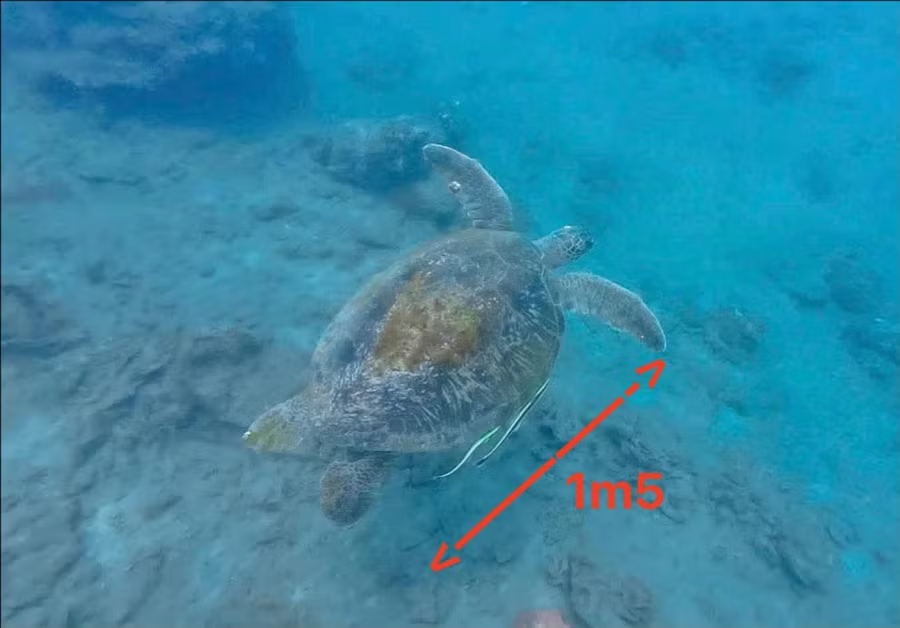
One turtle, measuring about 1.1 meters in length and weighing roughly 70 kilograms, was found dead on the evening of May 14. Another, estimated at 1.5 meters long and weighing around 100 kilograms, remains alive and has continued swimming near the Nhơn Lý coastline.
According to local observers, the surviving turtle appeared older, moved slowly, and had barnacles and seaweed attached to its shell.
Community groups protecting aquatic resources have urged residents and tourists to immediately report sightings of sea turtles either in coastal waters or on beaches.
The groups said timely reporting would help authorities and local organizations coordinate protection efforts and create safer conditions for the turtles to reproduce.
Long-term observations by local residents indicate that female sea turtles regularly come ashore between June and September of the lunar calendar to lay eggs on beaches in Nhơn Lý and Nhơn Hải, located in Quy Nhơn Đông Ward and Nhơn Châu Commune.
Scientists say female sea turtles can spend decades migrating through the open ocean before returning to the exact beach where they were born to lay eggs, a navigational ability that remains unexplained.
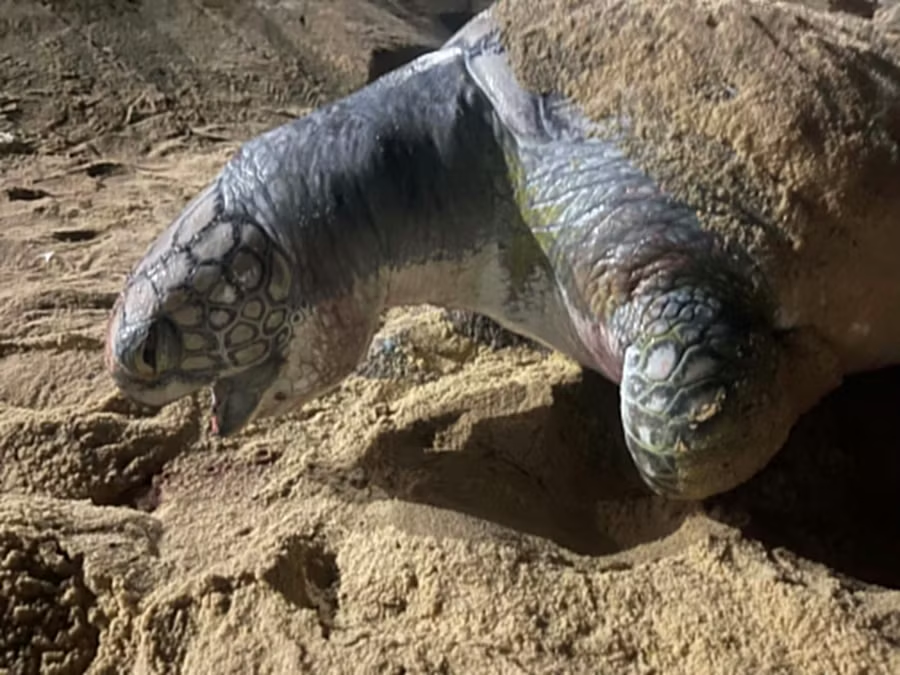
Mother turtles typically select areas of soft sand to dig nests, where they lay dozens of eggs before covering them carefully with sand. They also create several decoy nests to protect the eggs from predators.
Conservationists say protecting nesting beaches is essential to maintaining sea turtle populations, as the species remains highly endangered and plays a critical role in the marine ecosystem.