* Mr. Phạm Hồng Hiệp - Vice Chairman of the Vietnam Fatherland Front Committee of Gia Lai Province, Secretary of the Provincial Youth Union: Promoting youth resilience in the new era

According to Mr. Phạm Hồng Hiệp, the congress represents not only a major political event for Vietnamese youth but also an opportunity to reaffirm the Youth Union’s role in supporting and guiding young people to meet the country’s development demands.
Drawing on practical experience from youth work and movements in Gia Lai, he expressed hope that the congress would introduce breakthrough policies capable of unlocking the potential, creativity and aspirations of young people.
He emphasized the need to continue modernizing Youth Union activities, making them more practical and responsive to the diverse needs of different youth groups.
As Gia Lai is home to a large population of ethnic minority youth, Mr. Hiệp said future programs should focus on narrowing disparities in access to knowledge and technology between regions.
He also called for stronger mechanisms to help young people access and master science and technology, encourage innovation and accelerate digital transformation, creating tangible benefits for local communities.
Looking ahead, he hopes the congress will chart a course for developing a generation of Vietnamese youth who are patriotic, politically committed, knowledgeable and skilled, with the confidence to think independently, take action and contribute to national development and defense.
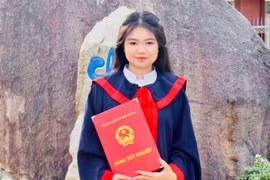
*Mr. Bùi Tuấn Kiệt - Deputy Secretary of the School Youth Union, President of the Vietnam Student Association at Quy Nhơn University: Inspiring creativity and dedication among students

Representing youth union members in the education sector, Mr. Bùi Tuấn Kiệt conveyed the message: “Turn knowledge into action, let digital aspirations be the launchpad for the future”.
He said he expects the congress to adopt decisions that encourage self-reliance and creativity through expanded academic and technology-focused platforms, while fostering innovation and providing comprehensive support for learning, research and entrepreneurship.
Mr. Kiệt stressed that, alongside professional expertise, students need support in developing digital competencies and international integration skills. He described these capabilities as essential tools for young people seeking to seize opportunities, adapt to evolving workplaces and strengthen their competitiveness.
He also called for broader mechanisms that allow young people to contribute ideas and feedback on Youth Union activities and local socio-economic development, helping to reinforce civic responsibility and a spirit of contribution among the younger generation.
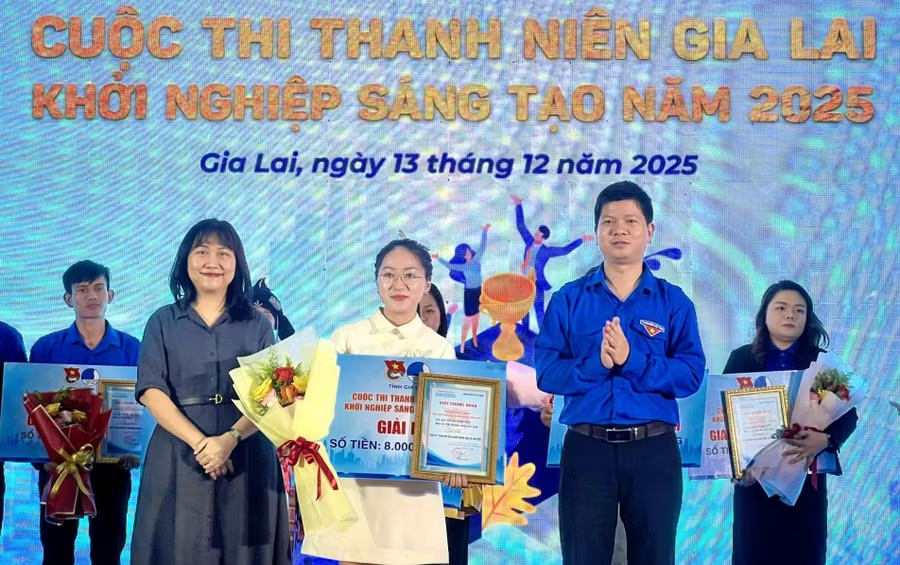
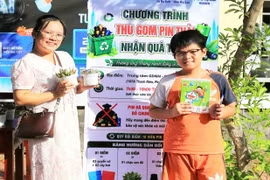
* Ms. Rơ Châm Ái Giang - Secretary of Ia Nan Commune Youth Union: Continued support for ethnic minority youth

Ms. Rơ Châm Ái Giang said young people in the border commune of Ia Nan have benefited from consistent support from Youth Union organizations at various levels, providing motivation and confidence for them to remain committed to their communities.
Despite these efforts, she noted that ethnic minority youth in border areas continue to face obstacles related to skills development, access to information, employment opportunities, technology and new economic models.
She expressed hope that the Central Youth Union would continue creating opportunities for ethnic minority youth to preserve and promote traditional cultural values while pursuing economic development, community-based tourism and local image-building initiatives.
Ms. Giang also highlighted the importance of strengthening training programs for grassroots Youth Union officials. She said professional competence, local understanding and close engagement with ethnic minority youth are essential for building sustainable and effective youth movements.
In addition, she called for more programs linked to safeguarding national sovereignty and border security, with young people serving both as frontline participants in maintaining security and as key advocates for legal awareness within local communities.
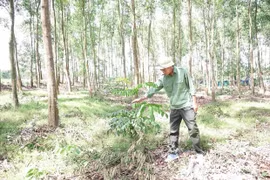
* Youth Union Member Lê Văn Đức (Hamlet 4, Biển Hồ Commune): Supporting youth in local economic development

Entrepreneur Lê Văn Đức began his business journey in his hometown in 2020 with the Sun Bee honey brand. The product earned a provincial three-star OCOP certification in 2022 and now provides a stable source of income for his family.
Based on his experience, Đức believes local communities still offer significant opportunities for young people willing to capitalize on regional advantages, pursue continuous learning and embrace innovation.
However, he acknowledged that many young people, particularly in rural areas, continue to leave their hometowns in search of employment due to limited job opportunities and development prospects.
He hopes the congress will place greater emphasis on measures that support youth-led economic development at the local level, especially through the application of science and technology in production and stronger market connections for local products.
Mr. Đức also called for continued efforts to expand access to financing for young entrepreneurs with viable business ideas but limited financial resources, helping them turn innovation into sustainable livelihoods.