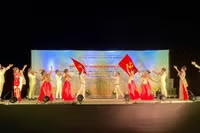
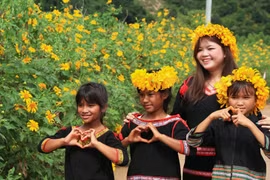
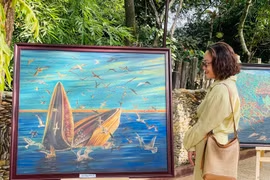
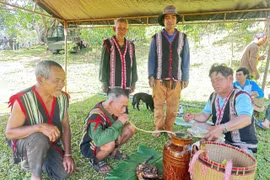
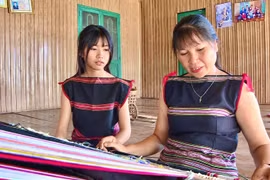
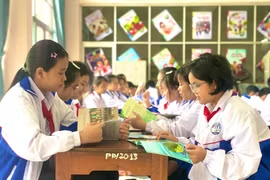
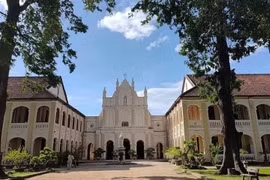
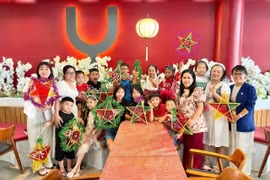
The initiative includes training for teachers, cultural performances and practical activities designed to introduce students to traditional arts while fostering moral values, social skills and respect for cultural diversity.
In October 2026, the Department of Education and Training organized training sessions on activities for the Youth Union, Student Association, Young Pioneer Organization and school clubs, alongside education on morality, lifestyle, life skills, digital skills, school safety and traditional culture.
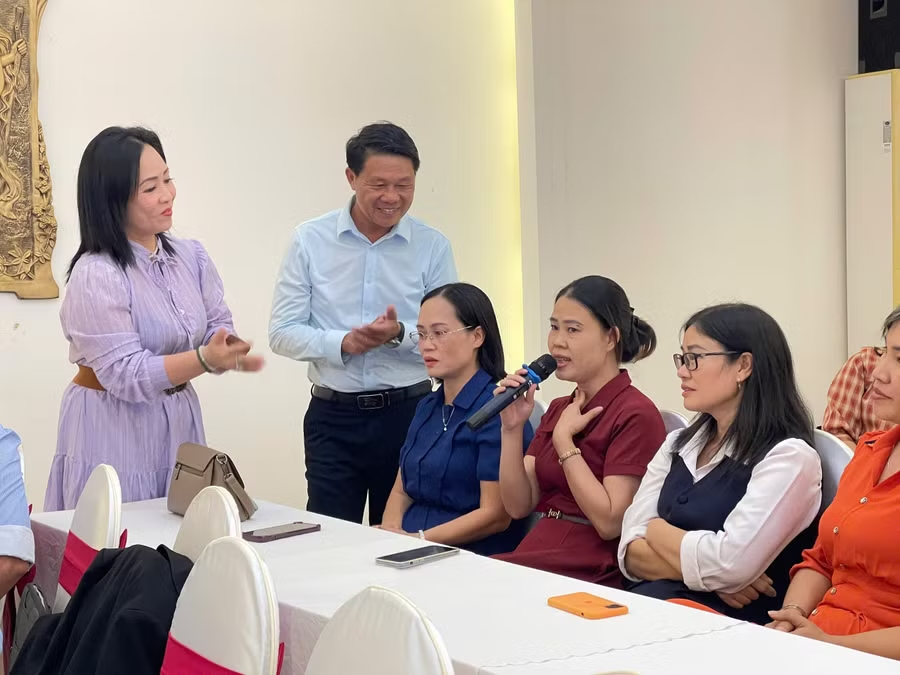
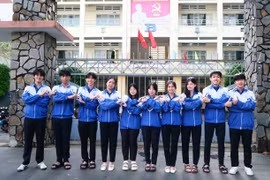
More than 250 administrators, teachers and staff responsible for student organizations attended a training session on October 22-23 at the Provincial Center for Vocational Education and Continuing Education in Quy Nhon Nam Ward.
Similar activities were conducted in the western region of the province to strengthen educators’ capacity to develop school culture.
Deputy Director of the Department of Education and Training Trần Bá Công said education in rapidly changing learning and digital environments must go beyond knowledge transmission.
Activities should respond to students’ needs, connect with local culture and encourage practical experiences while ensuring safety and respecting differences.
Trần Thị Vọng, head of the Young Pioneer Organization at An Nhơn Tây Secondary School in An Nhơn Tây Commune, said the training provided practical guidance for organizing activities on morality, lifestyle and skills development.
Traditional arts find their way into classrooms
Drug prevention, school violence and legal violations were also addressed. Teachers received guidance on identifying drugs, recognizing criminal methods and tactics, and implementing preventive measures. They also discussed challenges in teaching law and raising students’ awareness.
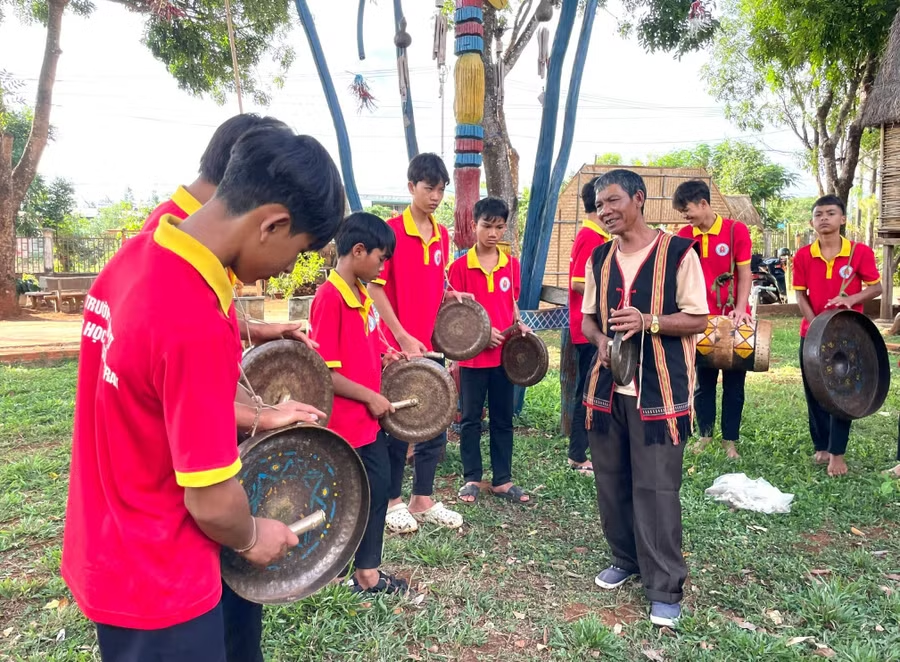
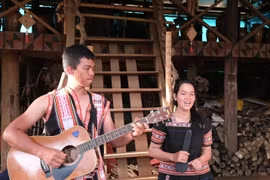
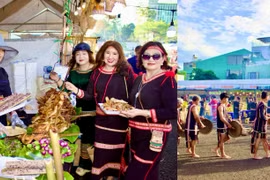
Traditional arts are becoming an important part of cultural education in Gia Lai, where bài chòi is a distinctive folk art in the eastern region and gong culture has long been associated with life in the western region.
On October 28, the Department of Education and Training organized a traditional culture and folk arts training session in Pleiku Ward for more than 250 administrators and Literature and Music teachers from the western region.
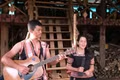
Meritorious Artist Kim Châu and Distinguished Artisan Nguyễn Phú introduced bài chòi, guiding teachers through its melodies, singing styles and folk performance techniques for use in educational activities.
Nguyễn Phú said introducing bài chòi to teachers in the western region would help the art form reach wider audiences.
Teachers do not necessarily need to master the performances themselves, but should understand their distinctive characteristics and identify suitable ways to introduce them to students.
Practical experiences during training can also help teachers inspire students to explore traditional arts, he added.
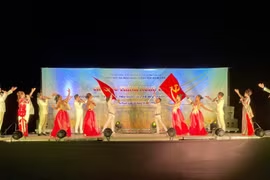
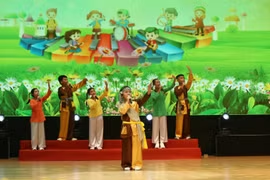
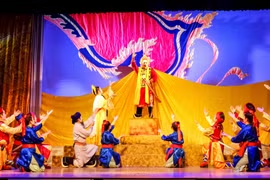
In September 2026, students at Chi Lăng High School in Hội Phú Ward were introduced to Bình Định classical opera, known as tuồng, and bài chòi through performances by artists from the Provincial Stage Artists’ Association.
The performances, although unfamiliar to many students, received enthusiastic responses and helped deepen their understanding of traditional stage arts.
Principal Đỗ Bách Khoa said the school hoped to continue organizing programs introducing traditional arts from the eastern region. It also plans to bring human chess, an intellectual folk game combining chess and martial arts, to students to promote Bình Định traditional martial arts.
Preserving gong culture and cultural identity
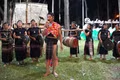
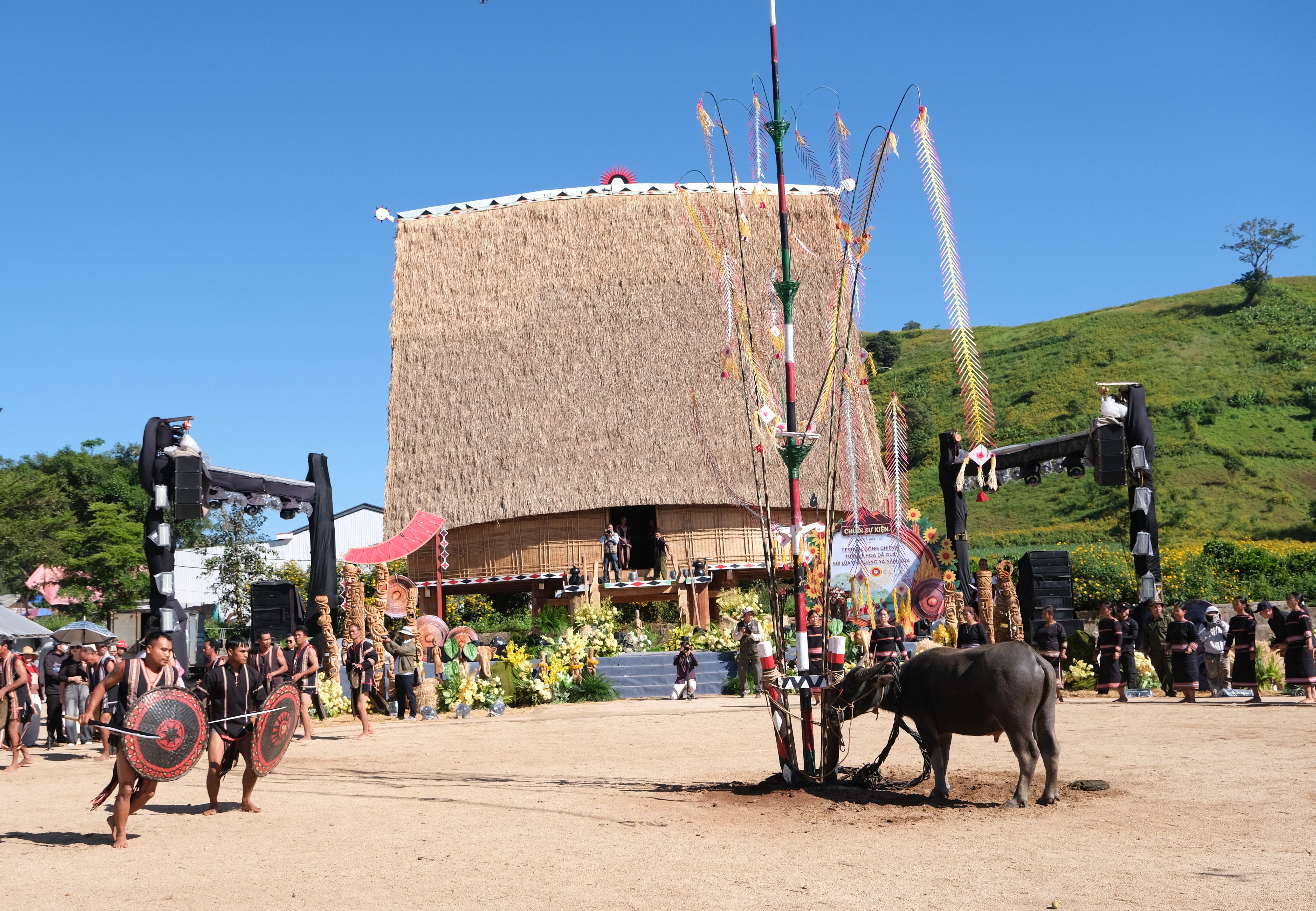
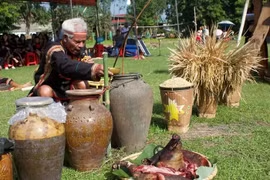
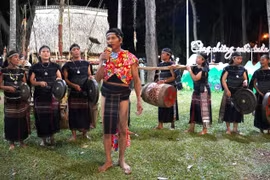
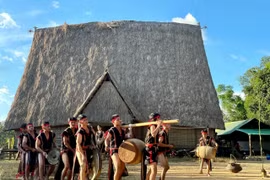
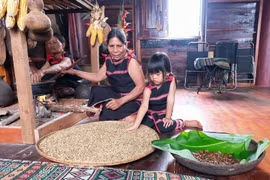
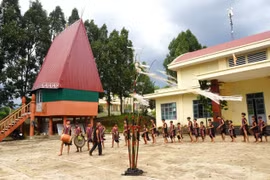
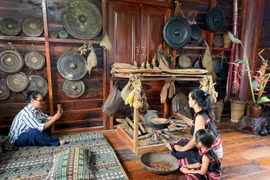
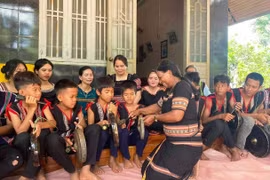
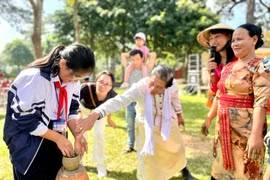
In the western region, gong culture continues to be preserved and passed down through school activities.
At Ia Grai Ethnic Minority Boarding Secondary School in Ia Grai Commune, the gong team regularly practices with support from local artisans.
Grade 8 student Rơ Châm Huỳnh Vũ said he had learned to play several gong pieces, including Welcoming Guests, Celebrating New Rice and Celebrating Victory, after joining the team.
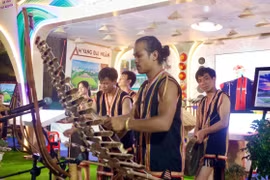
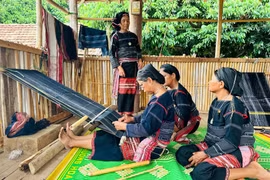
Principal Nguyễn Quang Tưởng said the school also invited experts to teach students folk wood sculpture and lithophone playing, alongside gong culture.
The activities aim to encourage creativity, promote understanding and respect for cultural diversity, and strengthen students’ national pride.
Through gong performances, traditional opera and bài chòi, schools are helping preserve distinctive cultural values while fostering cultural exchange between Gia Lai’s eastern and western regions.
The Department of Education and Training has called on educational institutions to select suitable content following the training sessions, develop plans and maintain regular activities, giving students opportunities to experience, practice and carry forward traditional cultural values.