Held along Anh hùng Núp Street at Great Unity Square in Pleiku Ward, the three-day event featured 35 booths selling agricultural products, processed foods, handicrafts and Central Highlands specialties.
Residents and tourists browsed the stalls, sampled local dishes and watched cultural performances.
The fair formed part of activities marking National Tourism Year – Gia Lai 2026, linking efforts to expand markets for regional products with the promotion of local culture and tourism.
Nguyen Ngoc Thong, vice chairman of the Pleiku Ward People’s Committee, said the event aimed to promote trade, showcase signature products and introduce the area’s cultural, culinary and tourism attractions.
It also provided opportunities for businesses, cooperatives, producers and OCOP participants to find partners and reach consumers, he said.
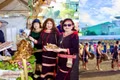
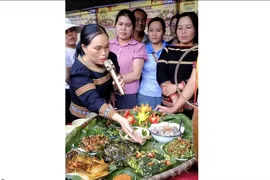
At the Bana Food booth, Ksor H’khit served grilled chicken, bamboo-tube rice, pork skewers, bitter eggplant and beef wrapped in banana leaves. Some ingredients, including bitter eggplant and Vietnamese basil known as “lá é”, came from her garden.
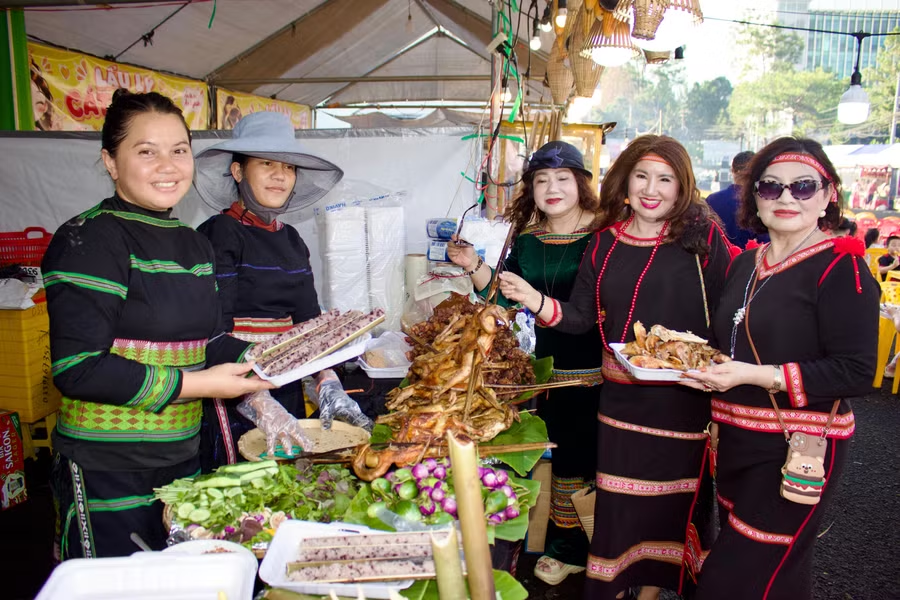
Prices ranged from VND20,000 (about US$0.77) for a portion of bamboo-tube rice and VND30,000 (US$1.16) for a grilled skewer to VND50,000 (US$1.93) for beef wrapped in banana leaves or bitter eggplant. A grilled chicken cost VND250,000 (US$9.65).
H’khit said grilled chicken, bamboo-tube rice and skewers were particularly popular.
She hoped the fair would introduce Central Highlands cooking to more people and raise awareness of Gia Lai’s culinary traditions.
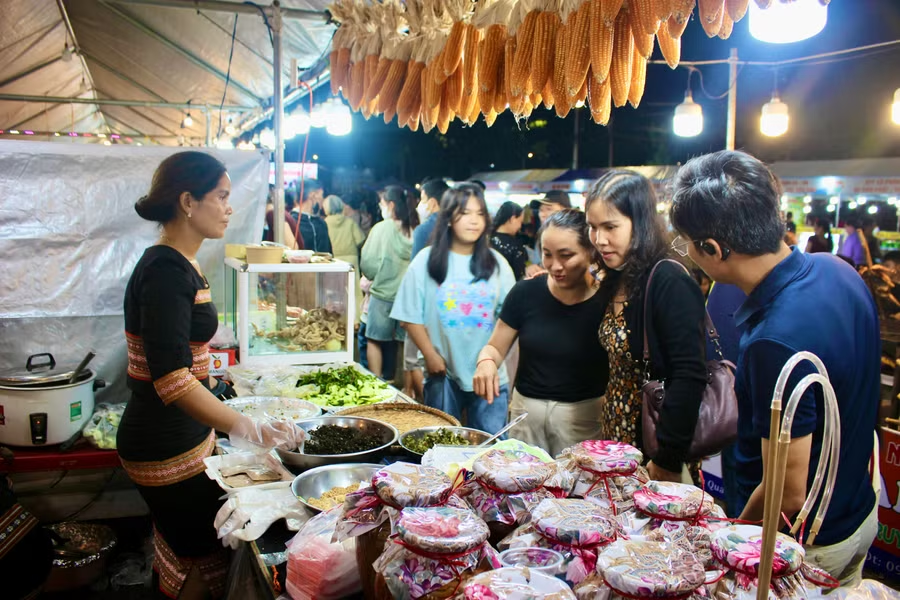
Tran Lam Gia Phat Co., Ltd., based in Hoi Phu Ward, displayed homemade sausages, dried chicken, dried beef and beef and pork dried in the sun for a day.
Company employee Nguyen Huynh Dan Phuong said two of its products had held three-star OCOP certification since 2024.
The business used locally sourced meat, prioritised traceable ingredients and followed regulations governing preservatives and food additives, she said.
Dried beef sold for VND250,000 (about US$9.65) a pack, while dried chicken with lime leaves and garlic butter chicken cost VND150,000 (US$5.79) a pack.
Alongside direct sales, the company distributed its products through TikTok, Facebook and e-commerce platforms, reaching customers in Hanoi, Ho Chi Minh City and other parts of the country, Phuong said.
Other exhibitors sought business connections beyond food retail. TH Nature Trading and Services Co., Ltd., from Nha Trang, displayed lemongrass, cajeput, peppermint and orange-cinnamon essential oils, as well as diffusers.
Director Doan Thi Thu Hang said all the products were certified by the Quality Assurance and Testing Center 3, known as QUATEST 3. The company hoped to connect with hotels, restaurants, schools and other organisations.
Nong Thi Hai, a resident of Hoi Phu Ward, praised the variety of products and the stall displays. She hoped the fair would become an annual event, giving producers and businesses more opportunities to showcase their goods and expand their markets.
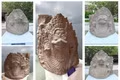
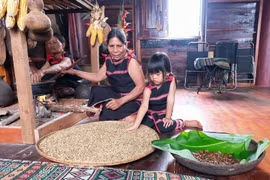
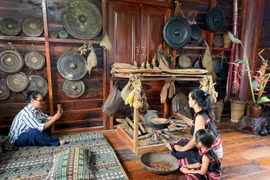
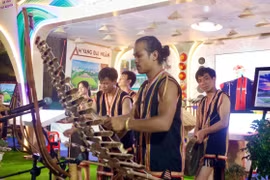
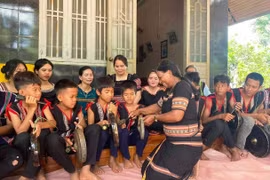
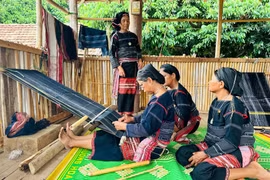
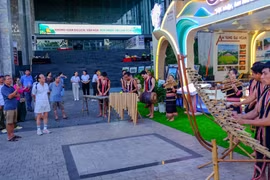
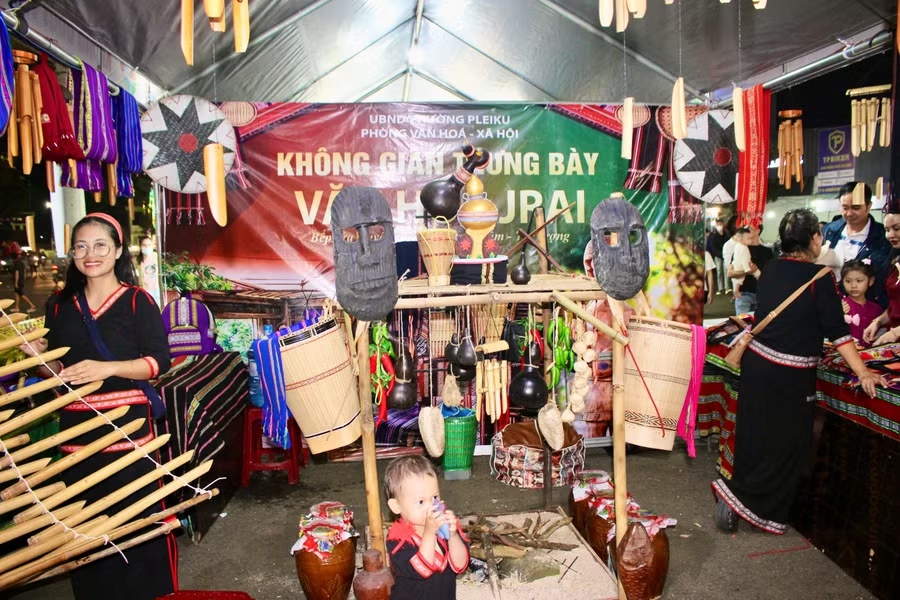
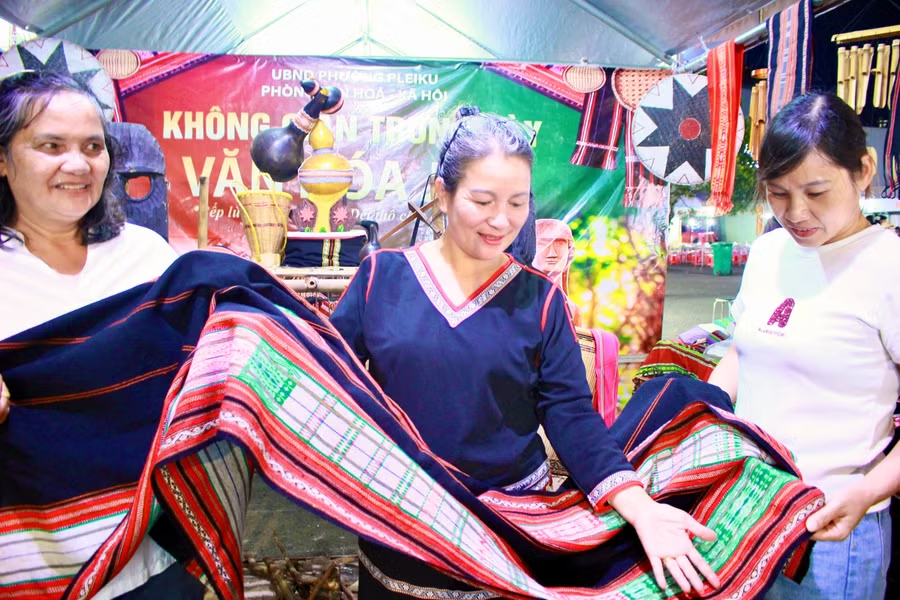
Beyond the stalls, a Jrai cultural space organised by the Pleiku Museum featured a traditional kitchen model, costumes, brocade weaving, wind chimes, wooden masks, household objects and a model of the “tơ rưng” musical instrument.
Y Phuong, the museum’s head of exhibition and communications, said the displays helped visitors understand Jrai customs and daily life.
The kitchen, she said, served as a place where families gathered, cared for one another and taught their children. Costumes, brocade, jar wine and handicrafts also reflected aspects of community life.
Brocade weaving could provide souvenirs for tourists, supporting livelihoods while helping preserve traditional culture, she added.
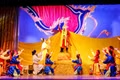
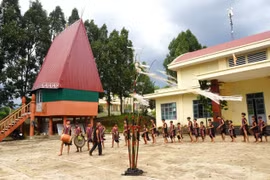
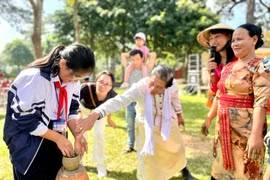
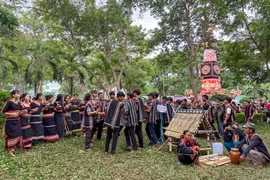
A reenactment of the Jrai new rice offering ceremony was a central feature of the cultural programme.
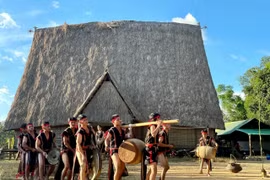
Artisan Rah Lan Thang and 40 artisans from Ơp Village performed the post-harvest ritual, which expresses gratitude to Yang, the deities, and nature, alongside wishes for health, peace and abundance.
Thang said villagers held the ceremony after each harvest to thank the deities. Performing it at the fair allowed artisans to share their village’s traditions and help pass them on to younger generations.
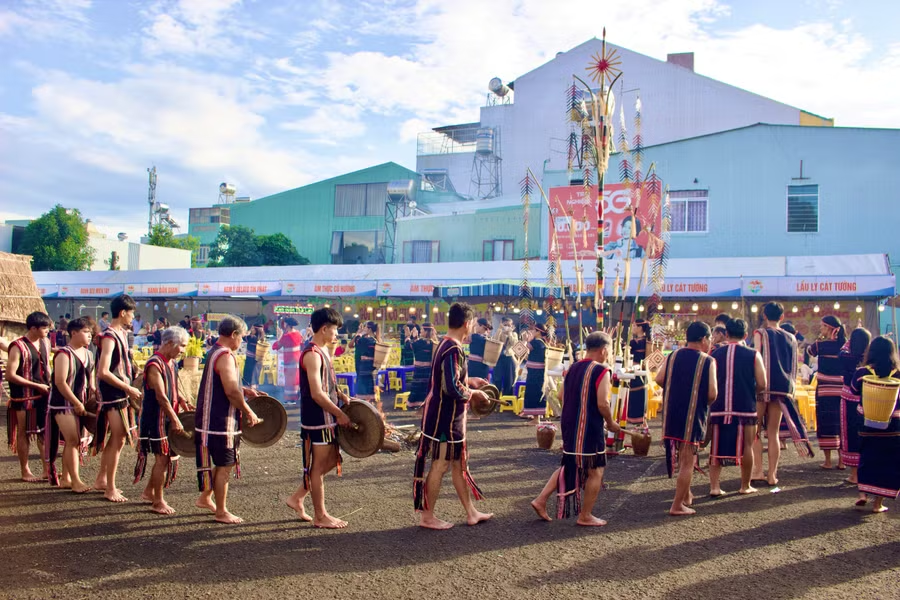
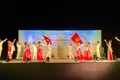
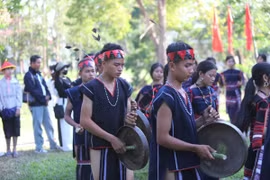
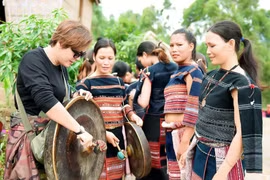
The ceremony was followed by gong music and “xoang” dances performed by Ơp Village artisans, drawing visitors into the festivities.
Nguyen Thi Loan, a tourist from Da Nang, said she was particularly impressed by the performances, which she was experiencing in person for the first time.
She also praised Pleiku’s friendly people and cool, pleasant climate, and said she hoped to return.