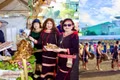
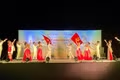
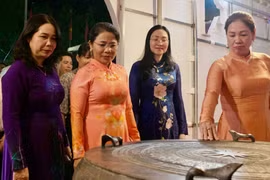
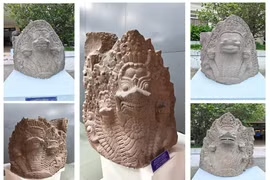
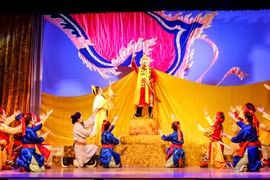
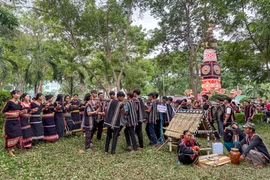
The exhibition, titled “Tourism and Cultural Space – Integration and Outreach,” is being held from September 5 to 8 at the Provincial Convention Center and along part of Truong Chinh Street in Quy Nhon Ward. It is part of the National Tourism Year – Gia Lai 2026 program.
The event was organized under the direction of the Ministry of Culture, Sports and Tourism in coordination with the Gia Lai Provincial People’s Committee.
The Vietnam Exhibition Center for Culture and Arts, together with the Gia Lai Department of Culture, Sports and Tourism and other relevant agencies, hosted the exhibition.
Tran Quang Vinh, deputy director of the Vietnam Exhibition Center for Culture and Arts, said the participation of 16 provinces and cities reflected efforts to preserve and promote cultural heritage alongside tourism development.
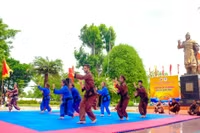
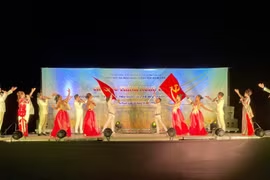
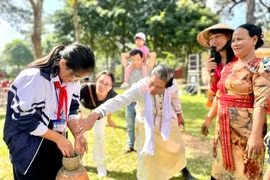
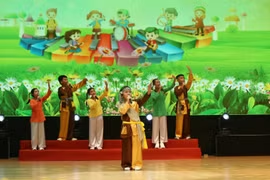
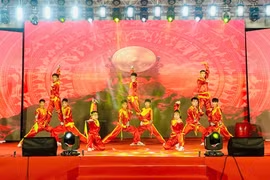
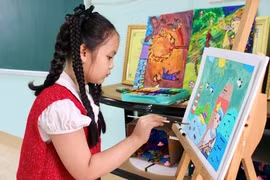
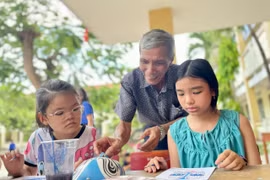
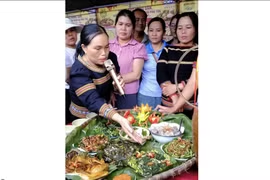
The exhibition features displays, artistic performances, interactive activities and digital technology, with each participating locality presenting its own cultural identity and tourism strengths.
For Ta Nhat Tan, an official from the Management Board of Special National Relic Sites of Thai Nguyen Province, the event provided an opportunity to introduce Thai Nguyen’s heritage, culture and tourism while learning about the traditions of other regions.
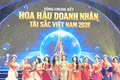
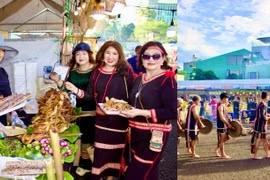
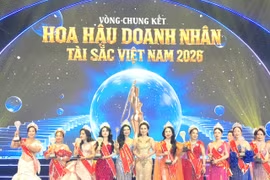
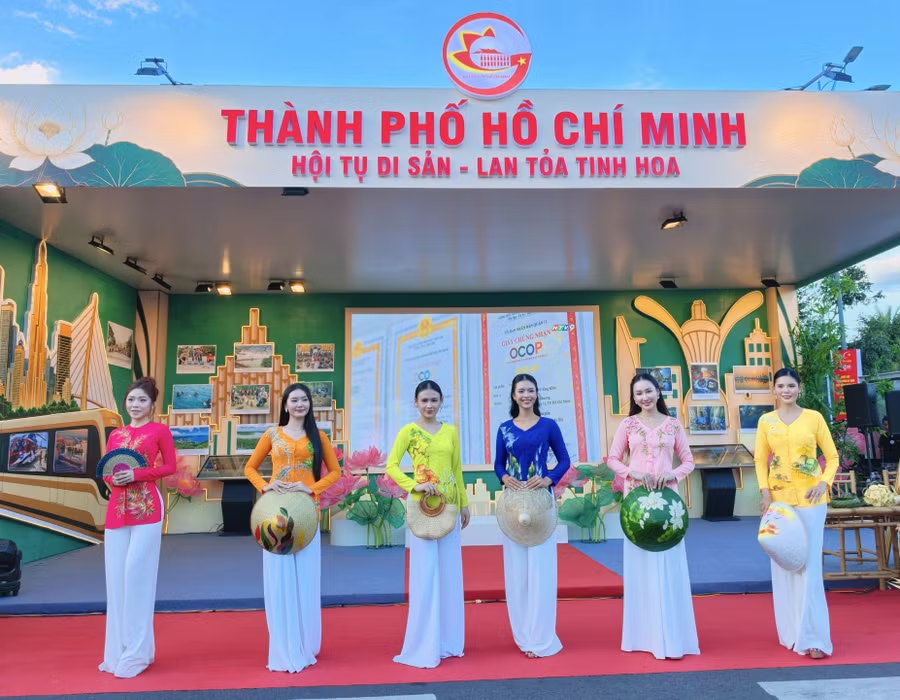
Ho Chi Minh City’s “Convergence of Heritage – Spreading Quintessence” space attracted visitors with ao dai and ao ba ba performances featuring beauty queens and runners-up from national pageants, alongside folk songs and traditional performances.
Meritorious Artisan Phan Minh Duc said his group was introducing distinctive cultural features of southern Vietnam, including bong roi, a folk performance associated with the spiritual life of local communities.
Hue City showcased images and models of its heritage, including Hue Royal Court Music and the Complex of Hue Monuments. Its exhibition space also featured spiritual and wellness tourism products, traditional handicrafts and local specialties.
Le Ngoc Truong Thien, an official from the Hue City Center for Culture and Cinema, said the city hoped to promote its cultural heritage and tourism to domestic and international visitors while strengthening connections with other provinces and cities.
Can Tho City highlighted southern amateur music, known as don ca tai tu, the Cai Rang floating market, the Binh Thuy communal house festival and river and orchard ecotourism products.
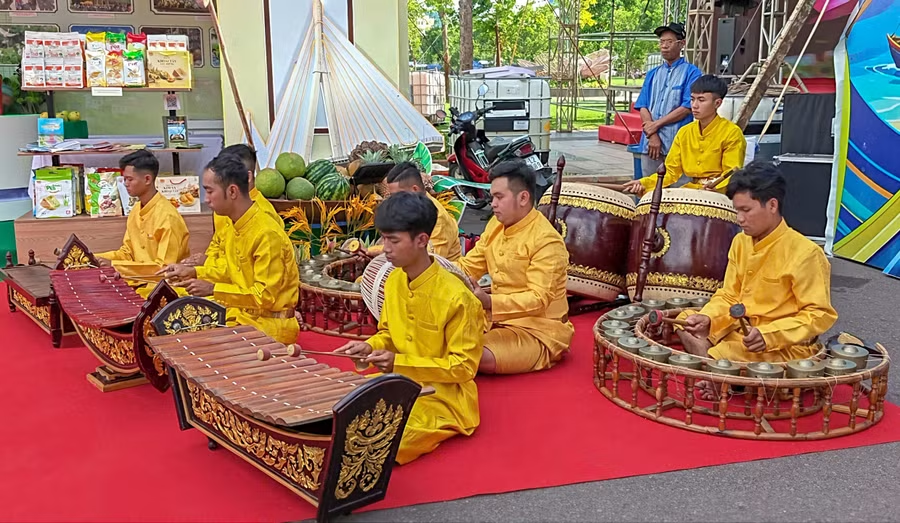
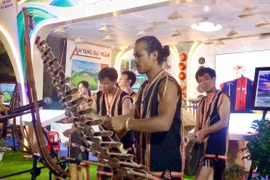
A performance of ngu am, or five-tone music, by Khmer artisans was among the highlights of the Can Tho display.
Artisan Lam Tuan Kiet said the event marked an opportunity to introduce traditional Khmer music to the public in Gia Lai. He said the different instruments in a five-tone ensemble create a distinctive harmony closely connected to Khmer cultural and community life.
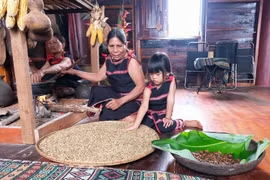
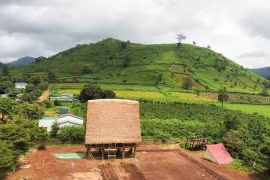
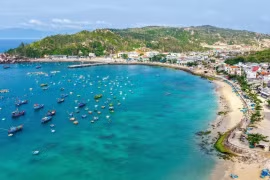
As the host locality, Gia Lai presented its identity as a place where the “great highlands meet the blue sea,” highlighting intangible cultural heritage, historical sites, scenic destinations, nature reserves, traditional craft villages, OCOP products and local specialties.
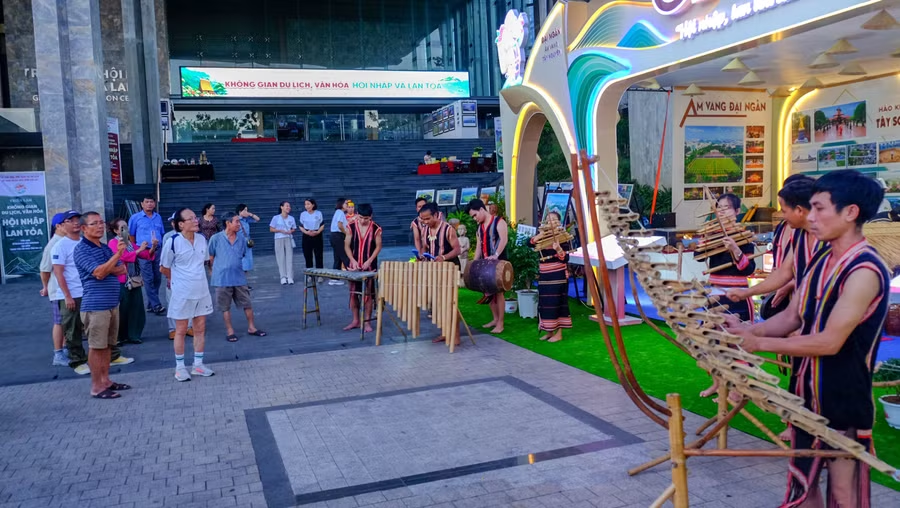
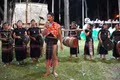
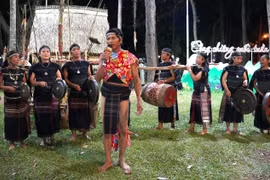
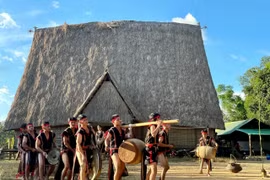
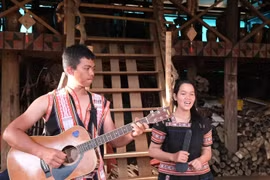
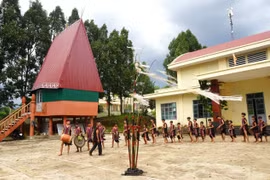
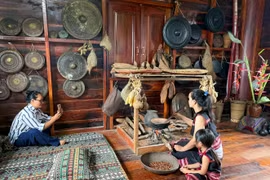
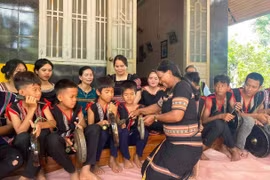
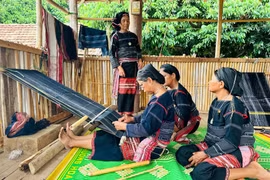
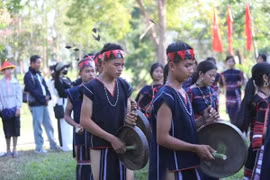
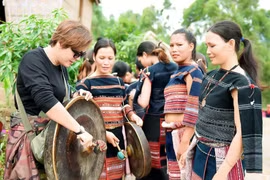
Beyond its “Gia Lai – Integration, Spreading Colors” exhibition space, the province offered visitors demonstrations and performances featuring brocade weaving, basketry, Central Highlands gongs, traditional ethnic musical instruments and Tay Son battle drums.
Artisan R’cơm Bus from Dien Hong Ward, who joined the Gia Lai artisan troupe, said the exhibition provided an opportunity to introduce Central Highlands gongs and traditional musical instruments while allowing artisans from different regions to exchange cultural experiences.
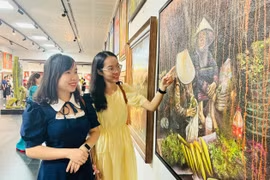
Visitors also responded positively to the event. Tran Thi Hong Hang, a resident of Quy Nhon Ward, said the distinctive presentation of each booth made the exhibition engaging and allowed her to see, hear and experience the cultures of different regions in one place.