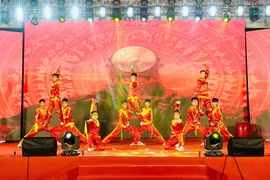
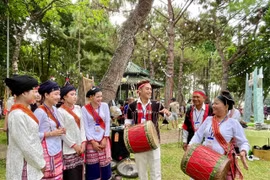
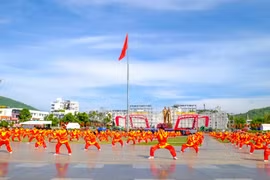
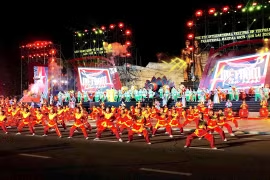
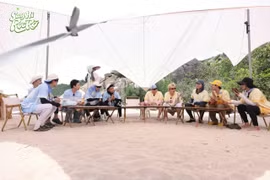
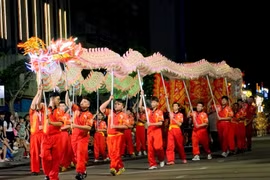
Nearly 500 artisans, performers and athletes gathered in Phu Tuc Commune for its first Ethnic Cultural and Sports Festival, bringing traditional rituals, gong performances, costumes, cuisine and folk games together in a celebration of local heritage.
Held on Aug. 8 at Phu Tuc Commune Park, the 2026 festival drew 11 artisan troupes from villages across the commune, along with three visiting groups from Ia Rsai, Ia Dreh and Uar communes.
The event offered communities an opportunity to preserve, pass on and promote their distinctive cultural traditions while strengthening exchanges among ethnic groups.
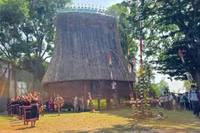
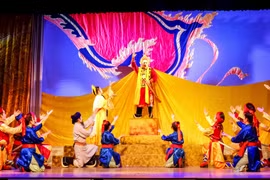
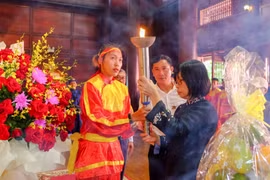
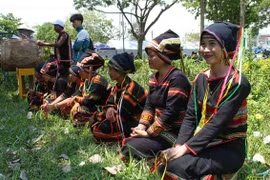
Jrai communities showcased a rich spiritual and cultural life through reenactments of traditional ceremonies, including new rice celebrations, buffalo sacrifices, thanksgiving rituals and prayers for good health. Each reflected beliefs and practices passed down through generations of agricultural communities.
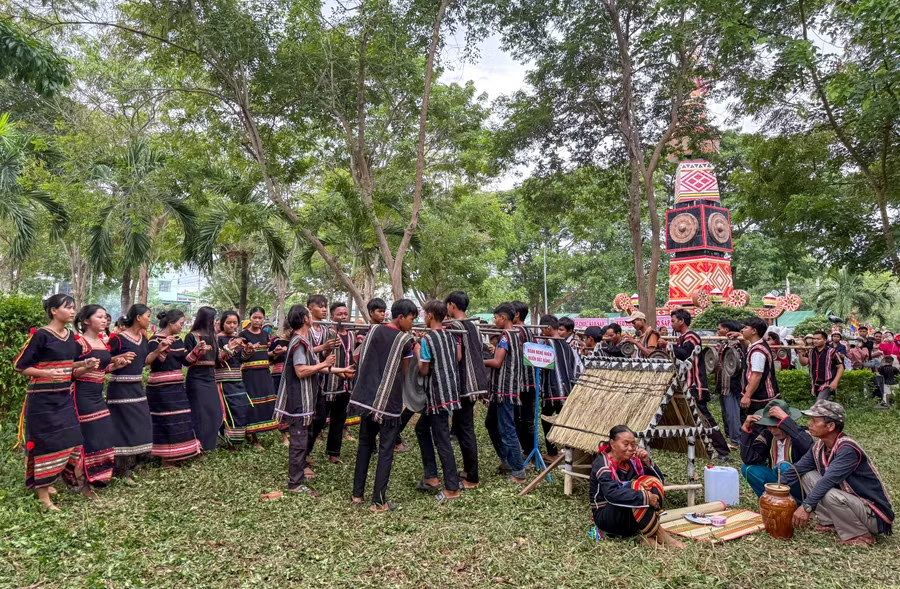
Ia Mlah village reenacted a traditional Jrai health prayer ceremony, an ancient ritual closely connected with community life.
“Since ancient times, the Jrai have held health prayer ceremonies, believing that good health is the foundation of everything”, village elder Kpa Jao said. “This ritual, also known as Yang Pu worship, dedicated to the deity associated with health, reminds people to value their well-being”.
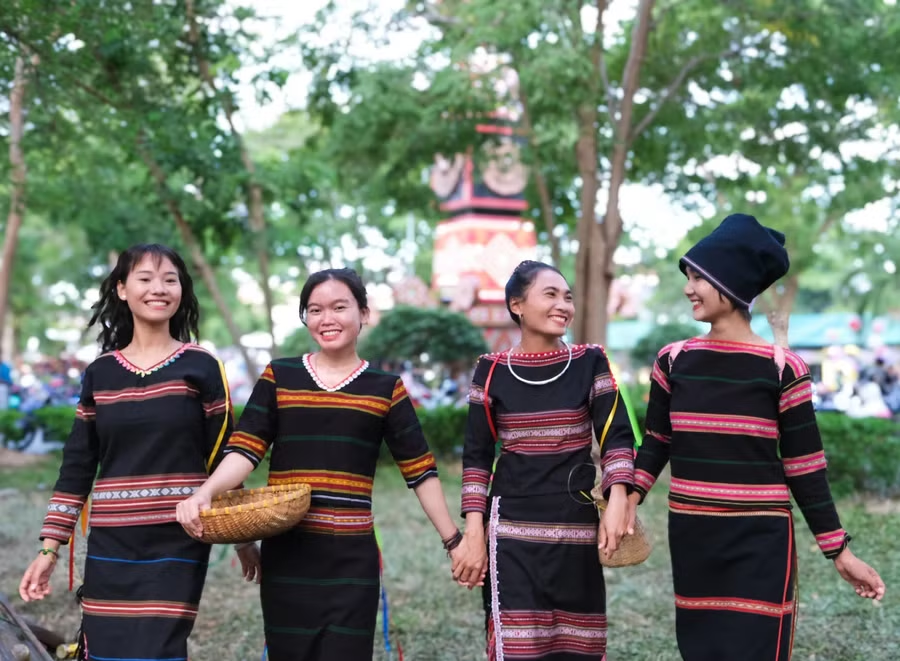
Traditional costume performances highlighted another aspect of Jrai heritage, illustrating generations of craftsmanship and the community’s adaptation to the natural environment.
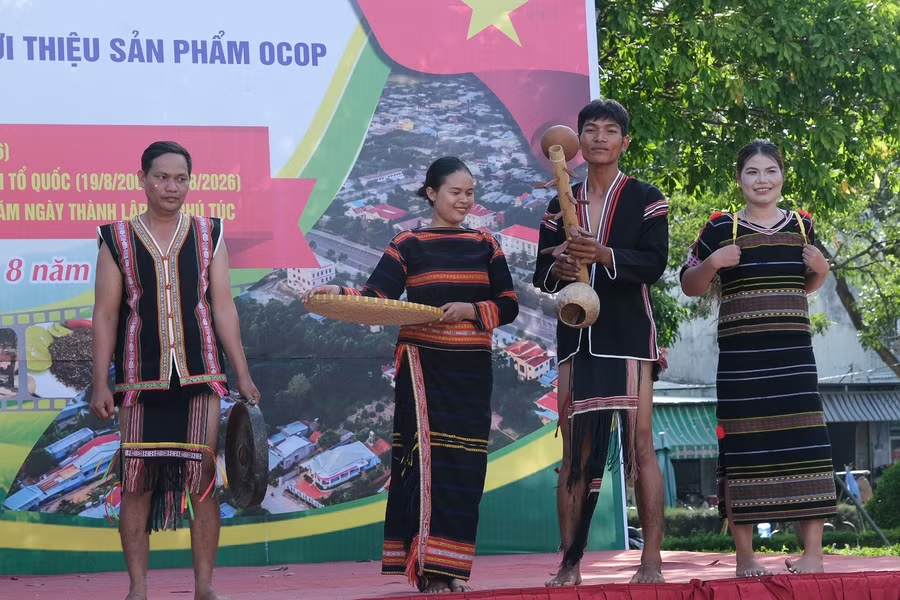
Ksor Y Phuong of Prong village presented a loincloth woven from a type of wild silk that appears only during a particular season each year. Gathering enough material can take several seasons, he said, adding that he inherited the craft from his grandmother.
Although the loincloth has faded over time, Y Phuong said wearing it during performances remains a source of pride.
“This is not just clothing, but a unique cultural value, a testament to how our ancestors adapted to nature,” he said. “The cloth features beautiful ancient patterns that strongly reflect Jrai culture, so I always cherish and preserve it”.
Traditional cuisine shaped by the environment
Jrai cuisine was also prominently featured at the festival, reflecting the distinctive culinary traditions of an area known for its harsh, hot climate.
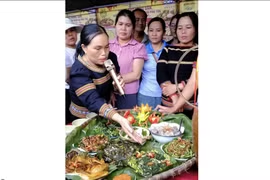
Bitter and spicy flavors are central to many local dishes. Rah Lan H’Nien of Tang village recreated a traditional Jrai meal featuring fried grasshoppers, stuffed fish, bitter eggplant salad and grilled meat wrapped in bitter leaves.
“Jrai dishes often feature bitterness from leaves, plants, even forest flowers and fruits”, H’Nien said. “Besides enhancing flavor, these natural spices also act as medicine, helping to cool the body”.
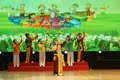
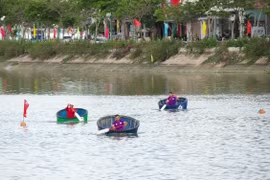
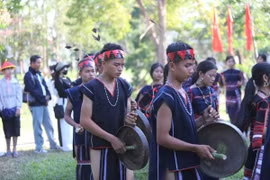
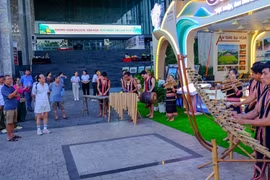
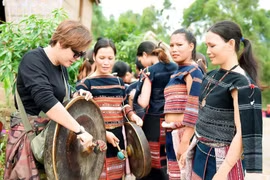
The festival combined cultural performances with sporting and recreational activities. Street gong performances evoked the sounds of the Central Highlands, while competitions including double-pestle rice pounding, relay sack races and men’s and women’s rope-free tug-of-war drew enthusiastic participation.
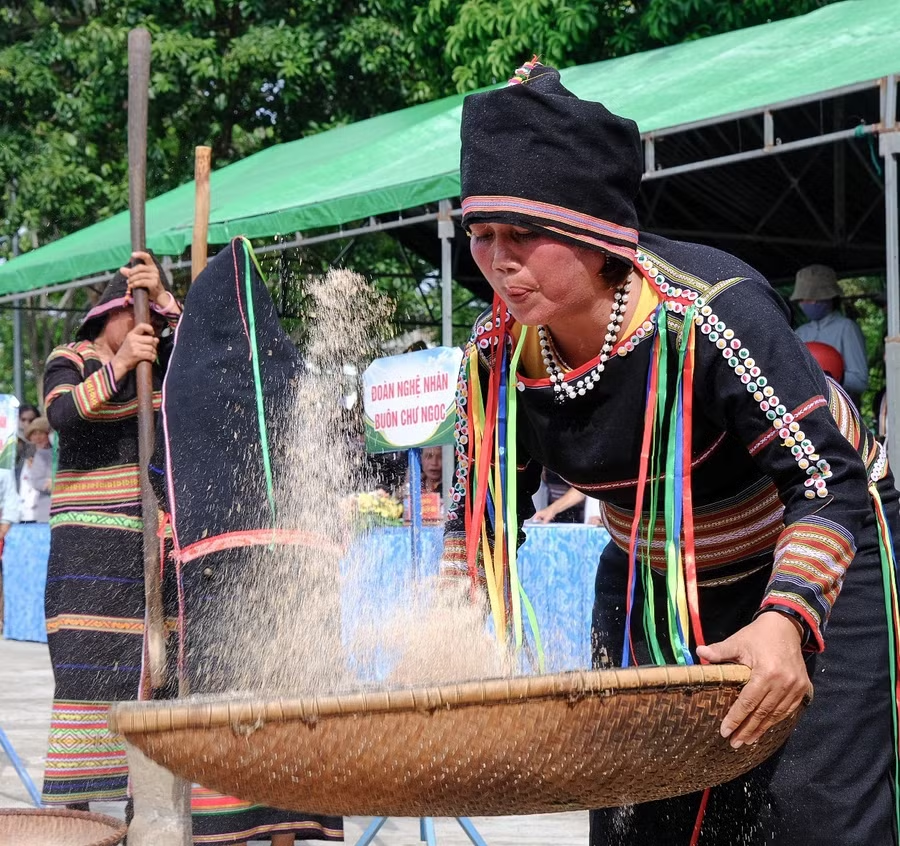
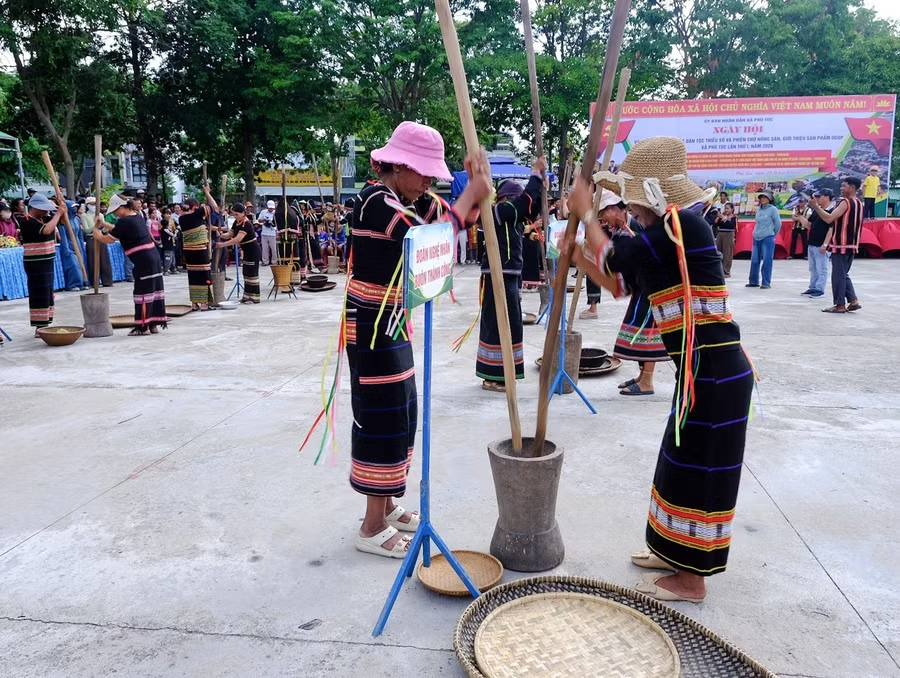
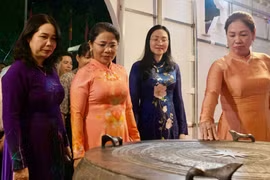
Villages also brought treasured gong sets that have been preserved within families and clans for generations.
For local communities, the instruments represent more than valuable possessions. They accompany people through important stages of life, from birth until death, and carry memories associated with generations of rituals and festivals.
La O Chen, from Ma Giai village, the only Cham H’roi community in Phu Tuc Commune, said such events provide smaller ethnic communities with an important platform to preserve and present their traditions.
“Although the Cham community is a minority, we still preserve valuable gong sets and unique festivals”, Chen said. “I hope cultural events like this are held more often so that ethnic communities have more opportunities to interact and showcase their cultural identities.”
Meritorious Artisan Nay Phai, a member of the festival’s judging panel, said the event demonstrated the continuing vitality of local gong traditions.
“This is an opportunity to reflect on the unique gong ensembles that the Jrai community still preserves, as well as the vitality of rituals and festivals associated with the gongs,” Nay Phai said.
Younger generation joins preservation efforts
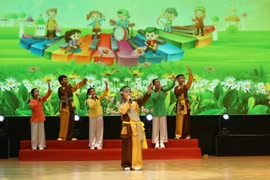
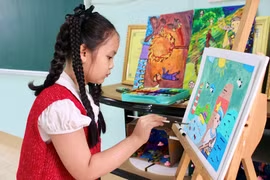
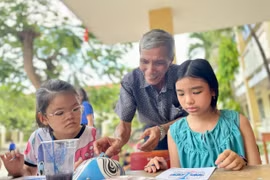
Alongside veteran artisans, younger participants played a prominent role in the festival, highlighting efforts to transmit cultural traditions across generations.
Pham Dinh Tu, Vice Chairman of the Phu Tuc Commune People’s Committee, said the event was intended to honor cultural heritage, foster community pride and raise awareness of the need to preserve and promote local identities.
“Phu Tuc Commune will strive to make the festival an annual event, thereby concretizing the Party and State’s policies on building and developing Vietnamese culture and people; preserving and promoting the traditional cultural values of ethnic minorities in connection with tourism development,” Tu said.