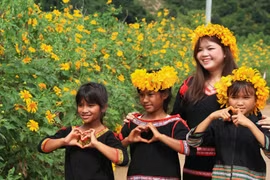
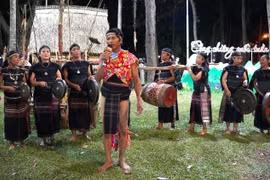
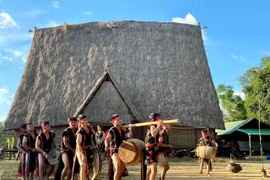
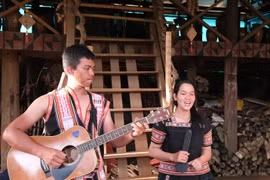
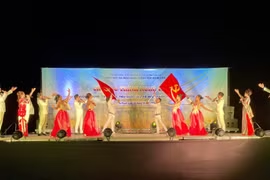
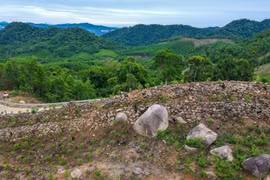
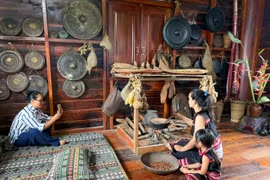
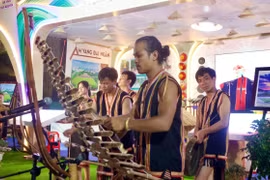
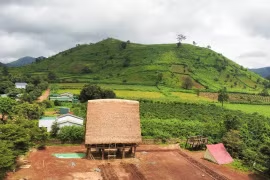
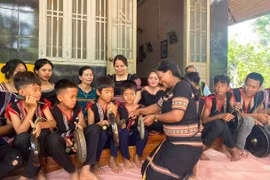
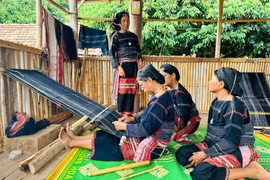
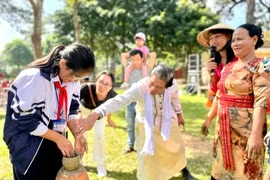
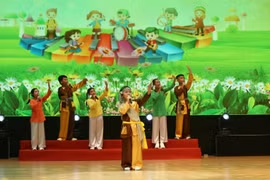
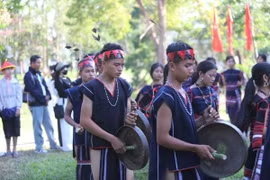
Set against the golden wild sunflowers blooming along the slopes of Chư Đang Ya volcano, the celebrations featured traditional rituals, gong performances and xoang dances, creating a vibrant atmosphere that welcomed visitors and ushered in the Central Highlands' festival season.
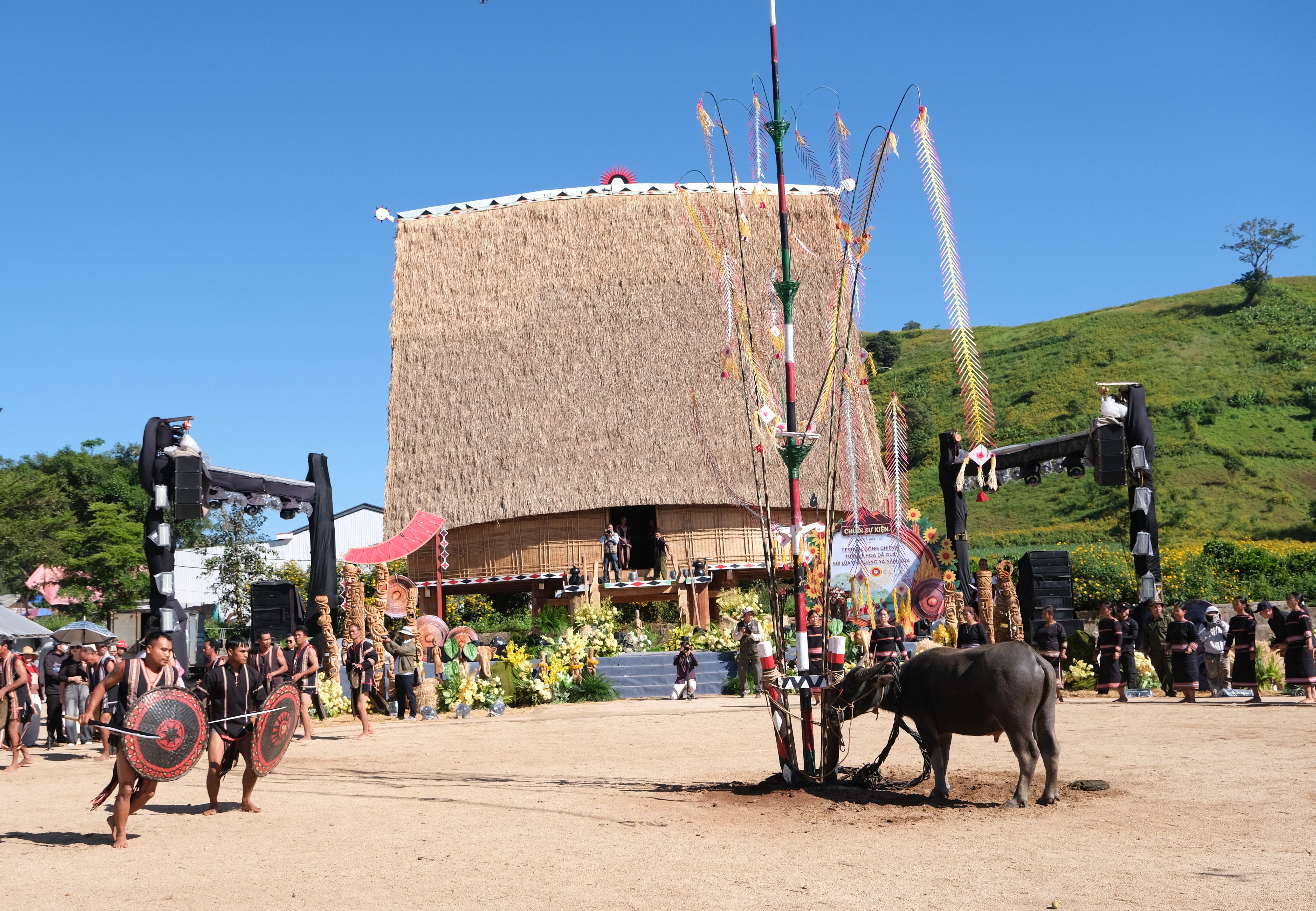
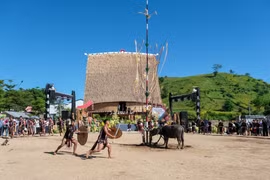
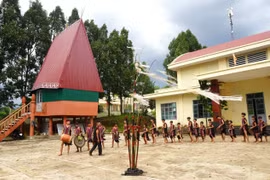
Standing at the foot of the volcano, the newly completed Rong house features traditional architecture with wooden pillars, thatched roofing and bamboo.
The project, costing more than 3 billion VND (approximately US$120,000), was funded by the provincial People's Committee through socialized funding sources, with local residents contributing directly to its construction.
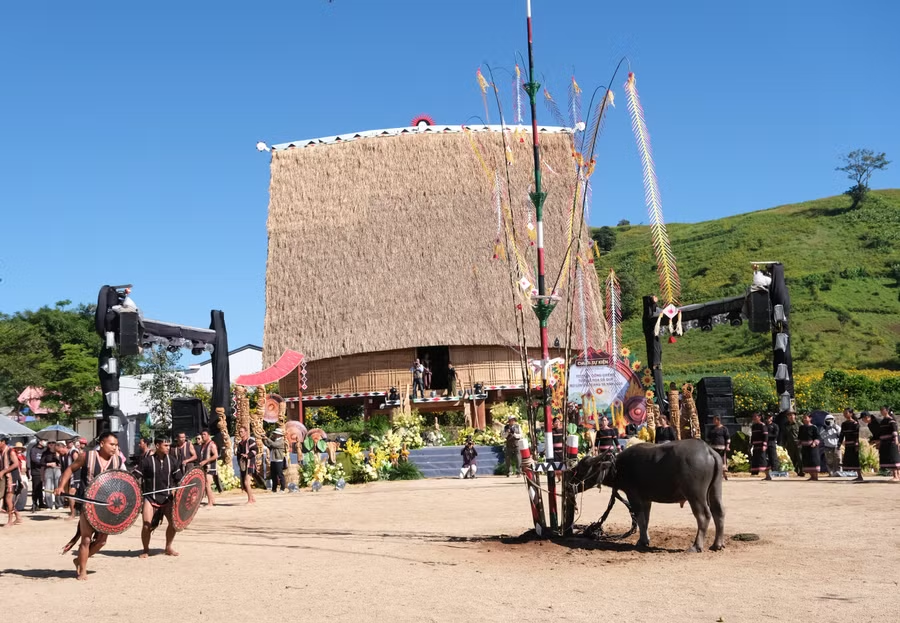
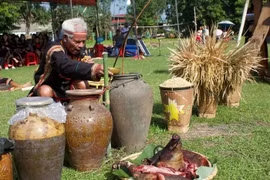
The inauguration was followed by a thanksgiving ceremony to the Yàng, or deities, seeking peace and prosperity for the community.
A traditional buffalo sacrifice formed the centerpiece of the ritual, reflecting the Jrai people's gratitude for favorable weather, abundant harvests and protection from disasters and disease.
For the Jrai, the buffalo represents strength and prosperity and is considered among their most valuable possessions.
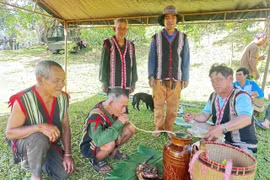
Before the sacrifice, villagers observe the custom of “weeping for the buffalo,” expressing their affection for the animal in a solemn gathering around the fire.
The ritual reflects the community's reverence for the offering and the longstanding bond between people and livestock.
Village elder Mluih, who presided over the ceremonies, said residents were delighted with the new communal house and grateful for government support.
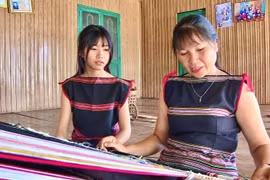
He pledged to encourage villagers to preserve traditional crafts and cultural activities and maintain their gong team to perform at festivals and welcome visitors.
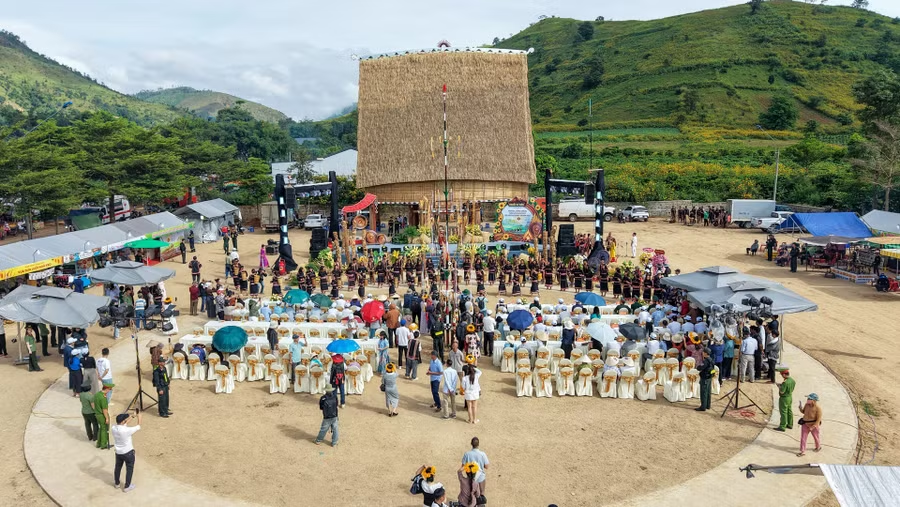
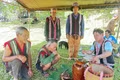
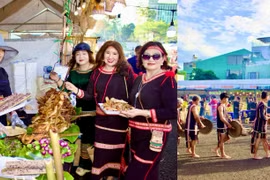
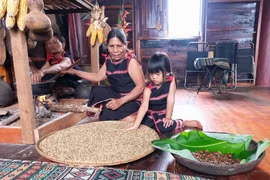
The celebrations also provided opportunities for local residents to share their culture and hospitality.
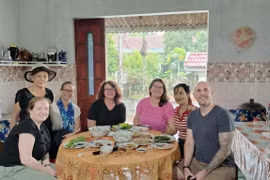
Ngam, a villager who helped prepare traditional dishes for guests, said the festivities brought renewed joy and offered an opportunity to introduce Jrai culture and Chư Đang Ya volcano to a wider audience.
The festival drew visitors from across the country, who experienced traditional rituals, local cuisine and cultural performances.
Nguyễn Thị Hồng Linh, a tourist from Khánh Hòa province, said the event captured the spirit of the Central Highlands through its lively atmosphere and welcoming community.
She particularly enjoyed learning about the buffalo sacrifice ceremony and joining the xoang dance.
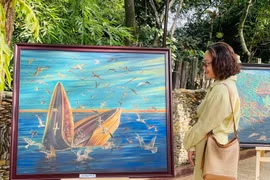
Photographers were also drawn to the combination of cultural traditions and the volcano's dramatic landscape. Nguyễn Tất Bê, a photographer from Hanoi, said the festival offered colorful scenes and distinctive images, with the interaction between local culture and nature giving the event its unique appeal.
At the inauguration, provincial Vice Chairwoman Nguyễn Thị Thanh Lịch praised village elders, artisans and residents for their contributions to the communal house.
She described the structure as the soul of the village, a symbol of unity and a place where cultural identity is preserved and passed down through generations.
The new communal house is expected to strengthen opportunities for community-based tourism in Ia Gri, enabling residents to showcase Jrai traditions through gong music, rituals, epics, handicrafts and folk knowledge while generating local livelihoods.
Provincial leaders emphasized that cultural preservation must remain rooted in the community.
The communal house, gong performances and traditional rituals should retain their authentic meaning and continue to be passed down, rather than becoming merely tourist attractions.