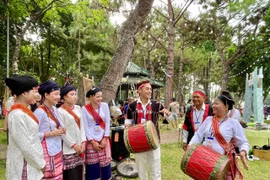
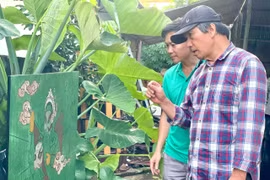
In Kép, Chuêt and Mơ Hra-Đáp villages, local tourism organisers share scenes of traditional crafts, festivals and everyday life online, becoming storytellers for their own communities.
But much of this work still rests with a few digitally skilled residents, prompting calls for training to help more villagers take part.
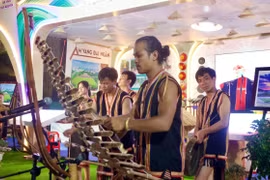
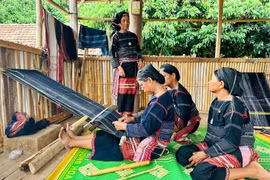
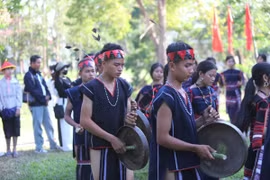
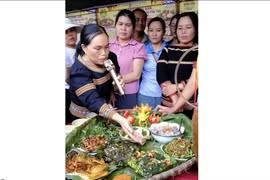
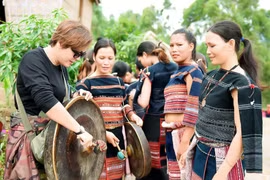
Short videos and photographs of brocade weaving, gong performances and xoang dancing offer prospective visitors a glimpse of village life. Shared on social media, these images also help communities tell their cultural stories when no tourists are present.
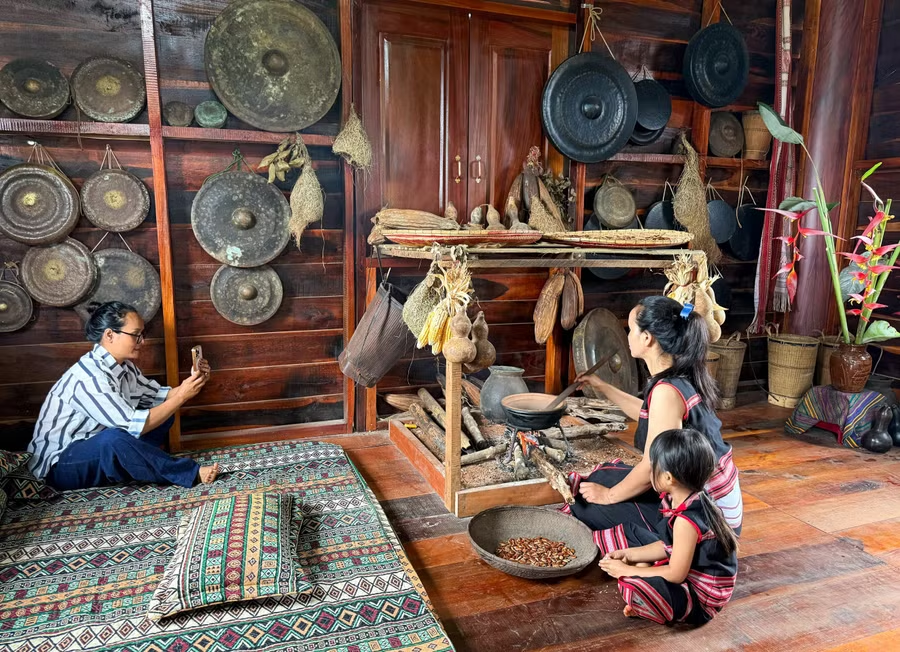
In Kép village, Ia Ly commune, H’Uyên Niê, deputy head of the community tourism management board, photographs, films and livestreams both daily activities and special occasions. Her posts document visits by domestic and international guests, buffalo-eating festivals and celebrations marking a new communal house.
She has also studied photography, taking greater care over the images she publishes to make the village’s stories more engaging.
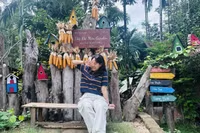
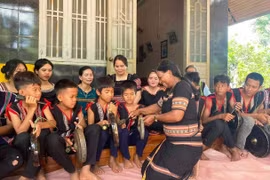
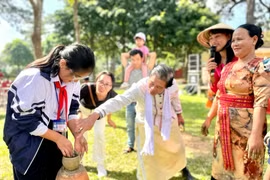
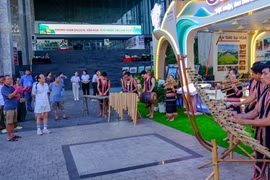
Kép has developed photography tours that attract domestic and international groups each year. Residents recreate activities drawn from daily life, including basket weaving, rice pounding, fabric weaving and upland rice threshing, giving photographers opportunities to capture the community’s cultural traditions.
The resulting photographs extend the village’s reach beyond its own social media channels.
“Many tourists are fascinated by the cultural life here,” H’Uyên Niê said. She said the village was expanding its social media presence while recreating everyday activities for visitors who wanted to take their own photographs.
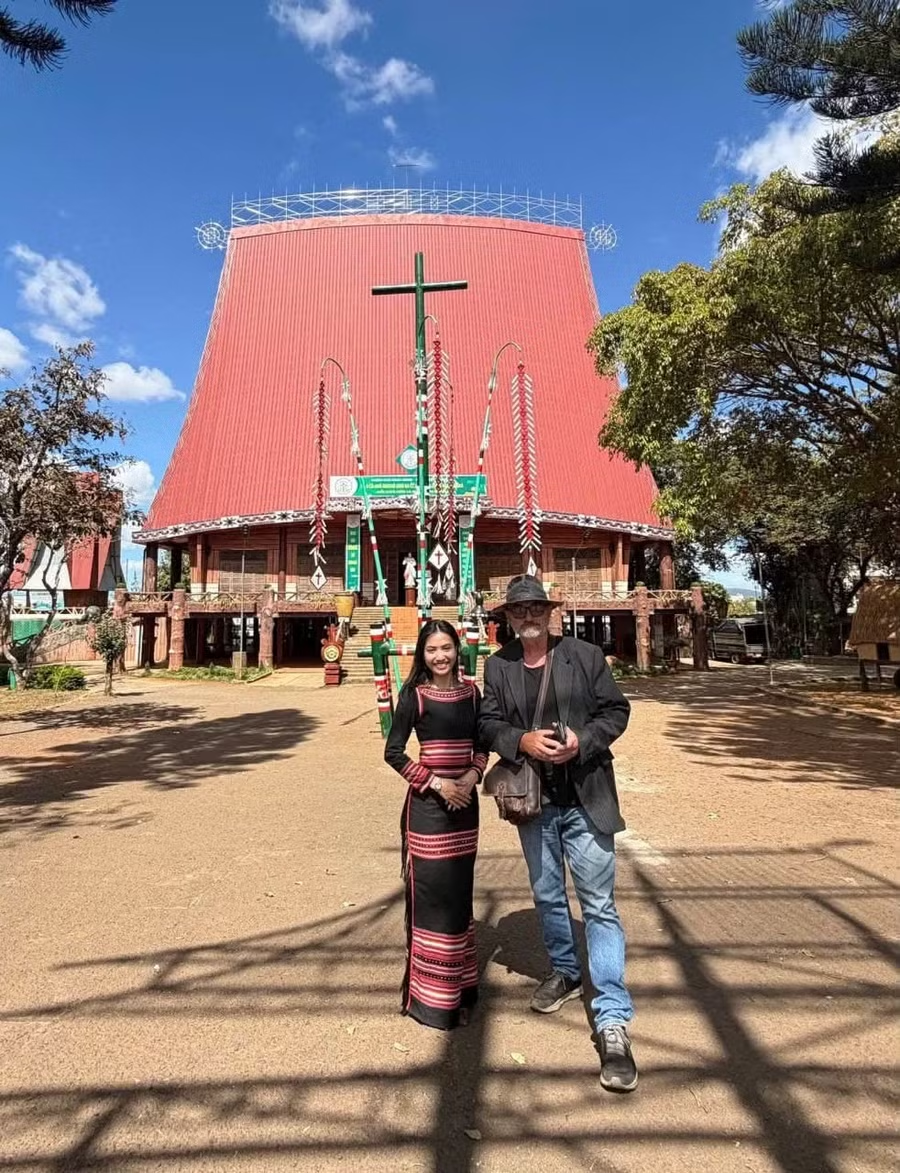
In Chuêt village, An Phú ward, Kpă H’Nhung has used her English-language skills and familiarity with digital technology to introduce Jrai culture to potential visitors.
H’Nhung, a Jrai woman and online opinion leader, directly manages the village’s community tourism page. Through stories and photographs, she has helped establish Chuêt as a tourism destination close to the city centre.
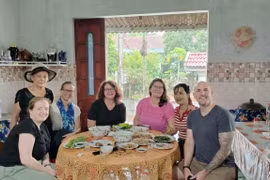
Since launching tourism activities, the village has begun welcoming its first international visitors. Its experience illustrates the contribution residents with cultural knowledge, language skills and digital expertise can make to connecting communities with tourists.
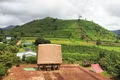
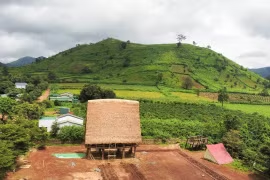
In Mơ Hra-Đáp village, Tơ Tung commune, tour guide Đinh Y Nâu shares scenes of Bahnar life amid the forests of the eastern Truong Son range.
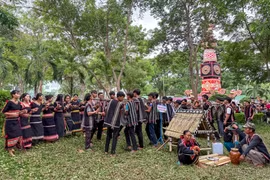
His posts on the village’s community tourism page feature new rice celebrations, artisans teaching basket and fabric weaving, young women collecting water by a stream and nighttime gong performances.
As deputy head of the village’s tourism management board, Y Nâu sees these traditions as a distinctive resource for cultural tourism. Recording and sharing them allows visitors to encounter aspects of village life they may miss during a trip.
He has also collected archival footage of the village’s gong ensemble performing more than 20 years ago.
The footage was used in the UNESCO nomination dossier for the Space of Gong Culture in the Central Highlands and is now available on the tourism page, offering visitors further insight into Bahnar heritage.
Y Nâu said he combined guiding visitors with posting photographs and videos online. He called for more training in filming, video editing and publishing content so villagers could introduce their customs, crafts and daily lives themselves.
Across the three communities, residents are taking on overlapping roles as custodians of culture, tourism organisers and digital content creators.
Expanding digital training would enable more villagers to share that work, promote their destinations and tell the stories of their heritage.