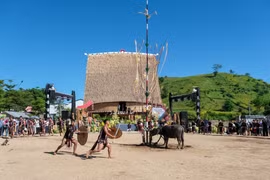
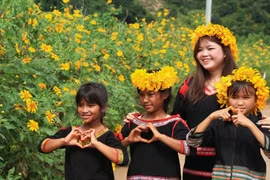
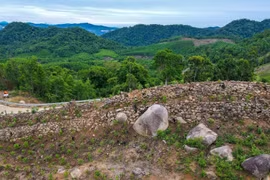
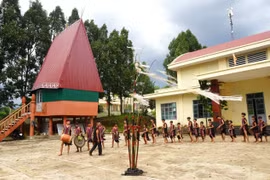
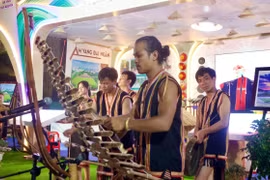
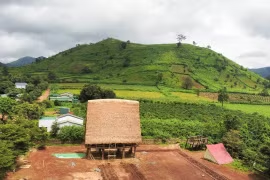
At the foot of Chư Đang Ya volcano, grilled chicken and bamboo-tube rice have become among the most popular attractions during the Gong Festival – Wild Sunflower Week – Chư Đang Ya Volcano 2026.
Beyond their distinctive flavors, the dishes offer visitors an opportunity to experience the traditions and everyday lives of local communities.
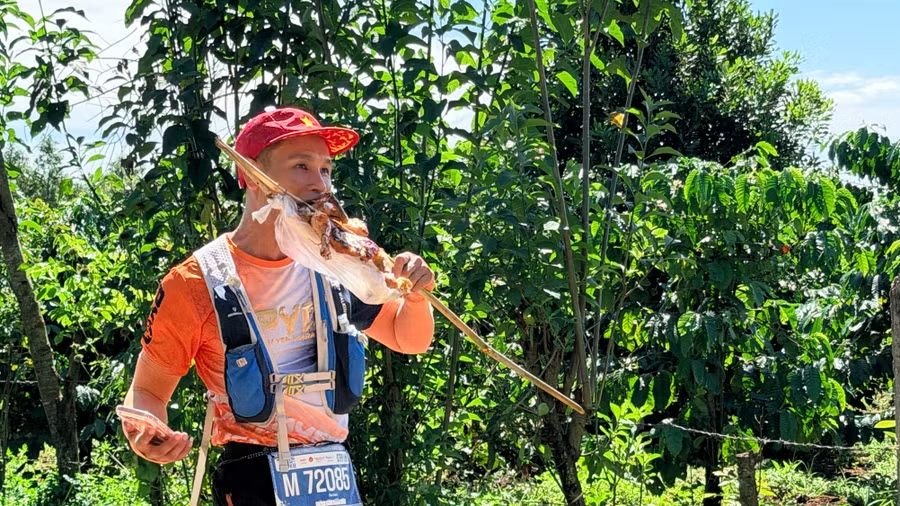
A memorable moment during the festival involved a runner covering a 70-kilometer distance who stopped to buy a whole grilled chicken and eat it while running, unable to resist the appeal of local cuisine.
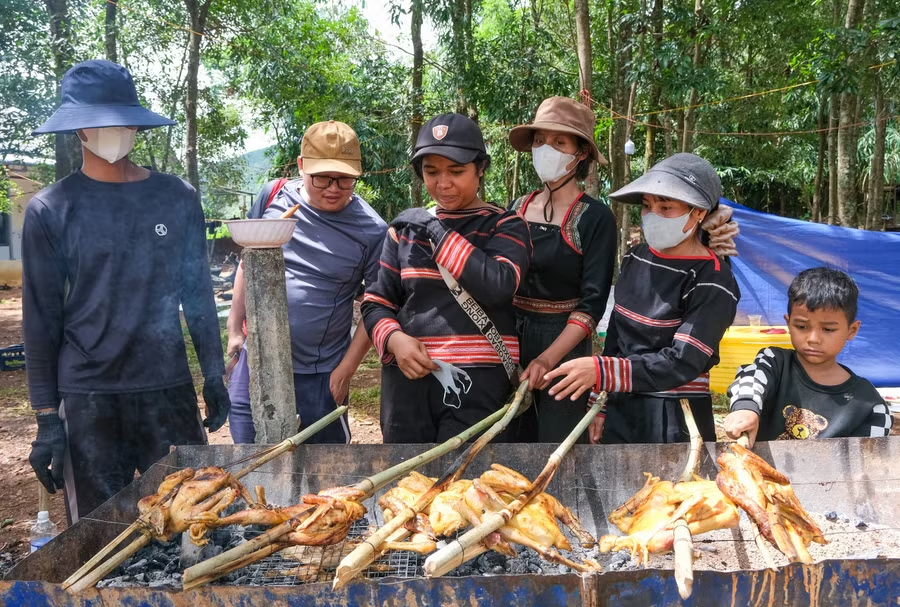
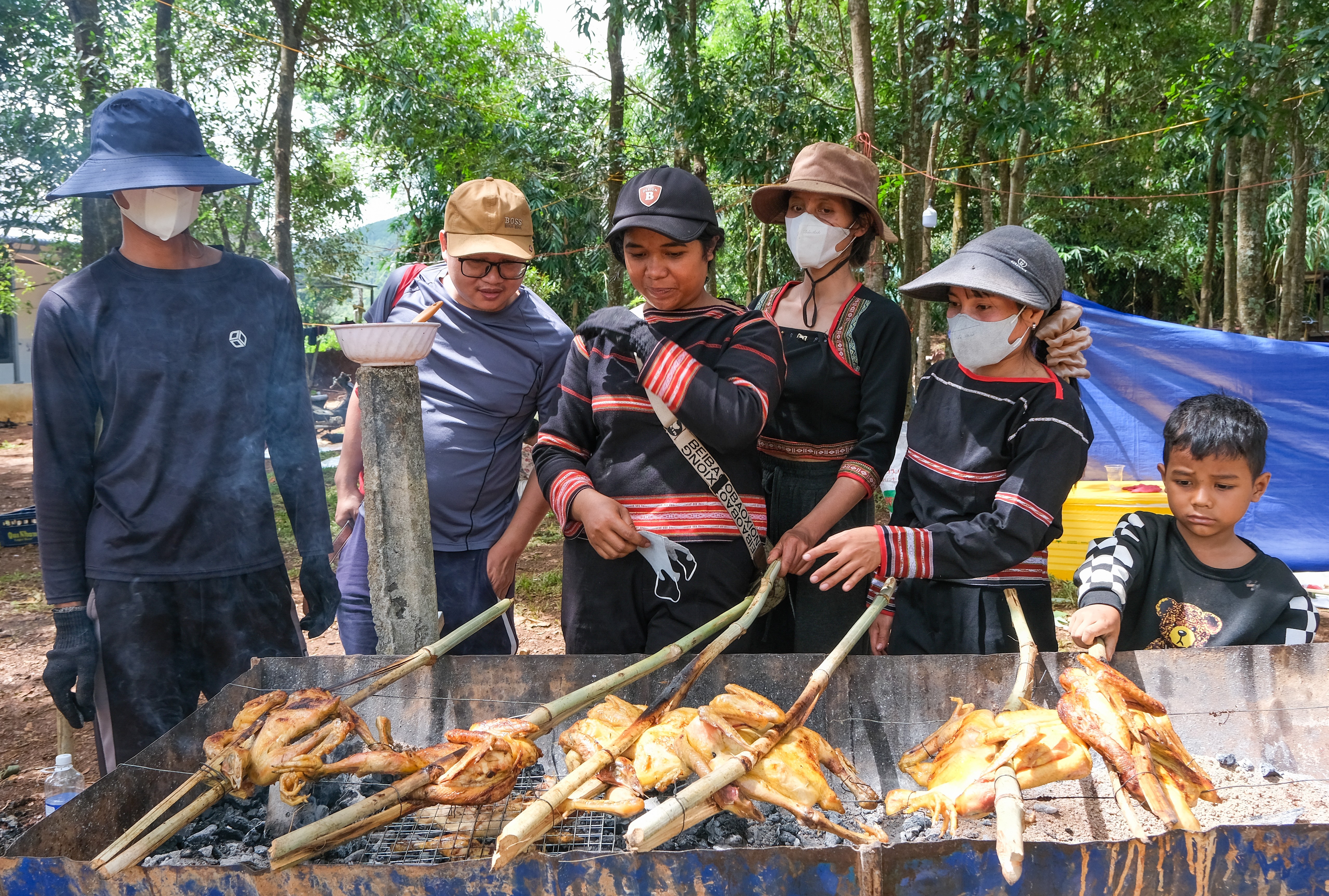
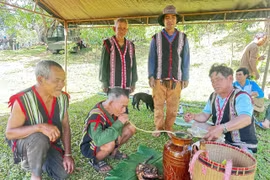
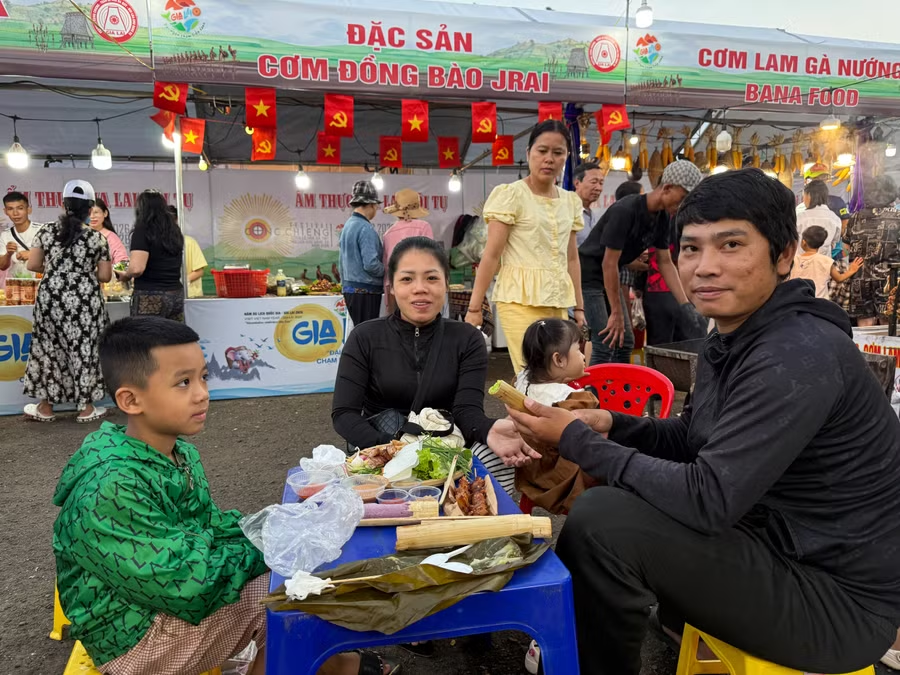
Throughout the event, food stalls serving grilled chicken and bamboo-tube rice, traditional specialties of the Bahnar and Jrai ethnic groups, attracted steady crowds.
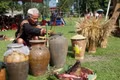
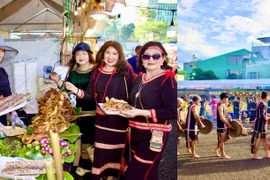
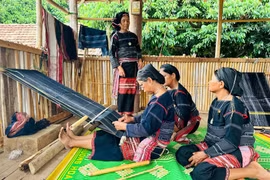
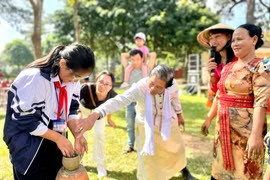
Local vendors dressed in traditional brocade worked beside glowing charcoal fires, preparing golden grilled chickens and fragrant rice cooked in bamboo tubes.
The setting added to the appeal.
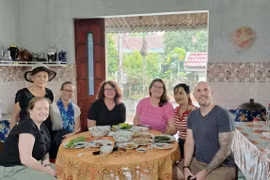
“Sitting in a coffee garden, enjoying dishes prepared by the local people, eating while admiring the volcano during wild sunflower season is a truly special feeling,” said Tô Hồng Vân, a visitor from Da Nang.
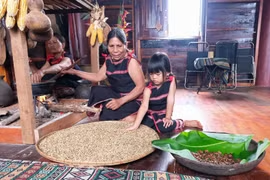
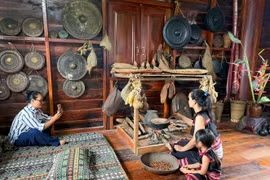
For American tourist Seven, the experience extended beyond food. He spent considerable time observing a grilled chicken and bamboo-tube rice stall, particularly fascinated by the way families worked together to prepare meals.
“They don't serve alone, usually, several family members, dressed in traditional attire, stand together by the fire, working hand in hand to prepare the food. That's a fascinating cultural aspect that draws me in,” he said.
The communal approach to cooking and serving has turned local cuisine into an immersive cultural experience, allowing visitors to observe family relationships and traditional practices alongside enjoying regional flavors.
A culinary journey across Vietnam
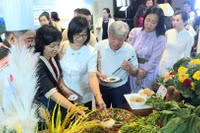
While local dishes showcase the flavors of the Central Highlands, the Gia Lai Culinary Convergence 2026 has expanded the experience by bringing specialties from across Vietnam to a single venue.
Organized as part of the festival program, the event featured food stalls from Gia Lai and other localities, including Đắk Lắk, Quảng Ngãi, Huế, Đà Nẵng, Thanh Hóa, Quảng Trị and Đồng Nai.
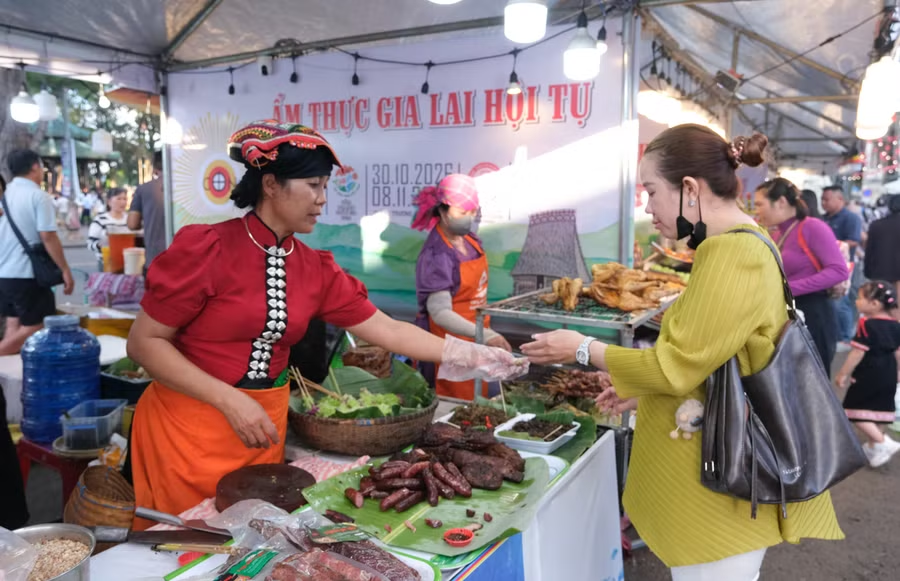
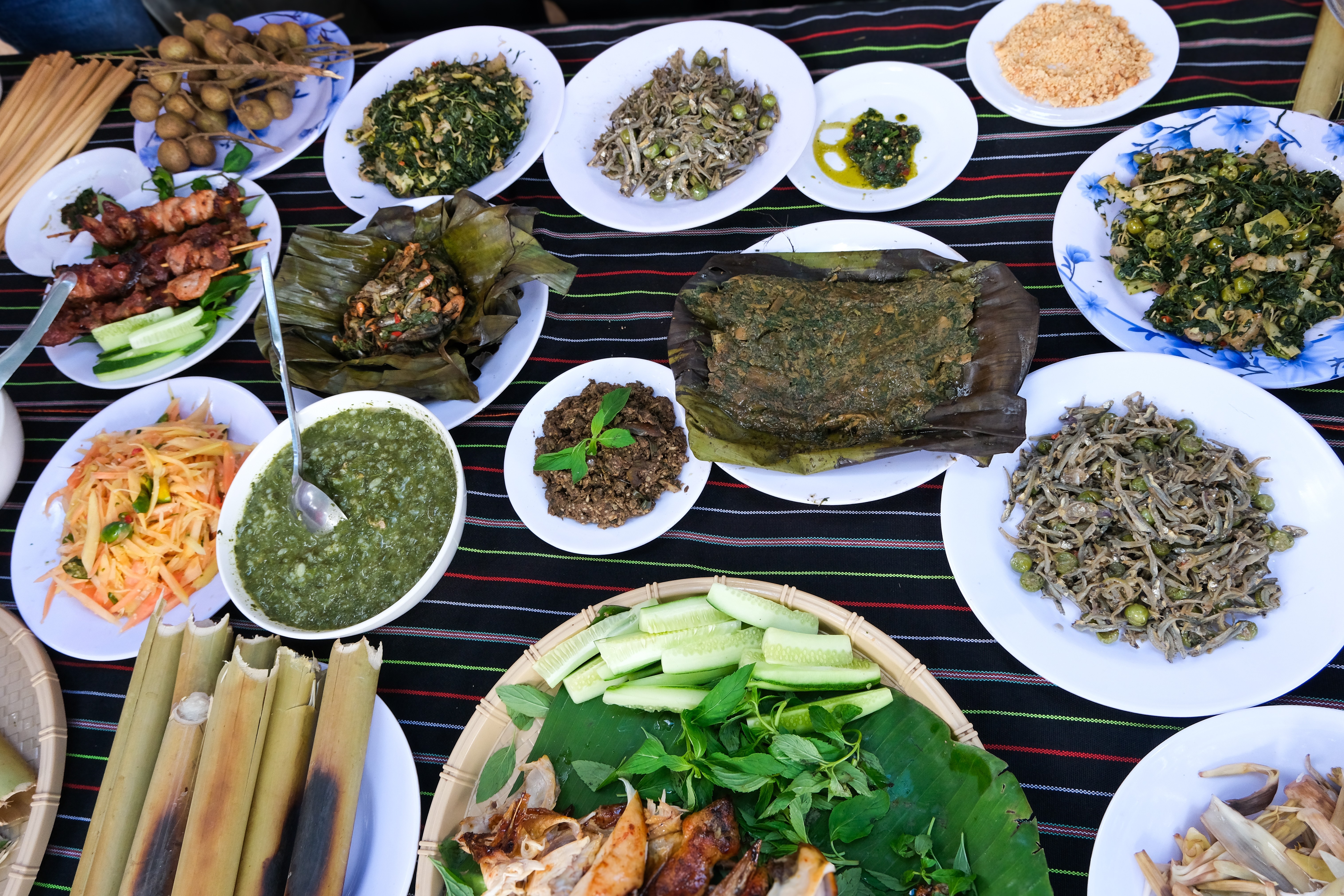
Visitors could sample a wide range of dishes, from grilled chicken with bamboo-tube rice and stir-fried cassava leaves with bitter eggplant to traditional cakes and ocean tuna noodle soup.
Other offerings included Hue beef noodle soup, Mekong Delta fermented fish noodle soup, Thanh Hóa fermented pork rolls and Hải Phòng squid cakes.
Each specialty reflected the ingredients, culinary traditions and techniques associated with its region.
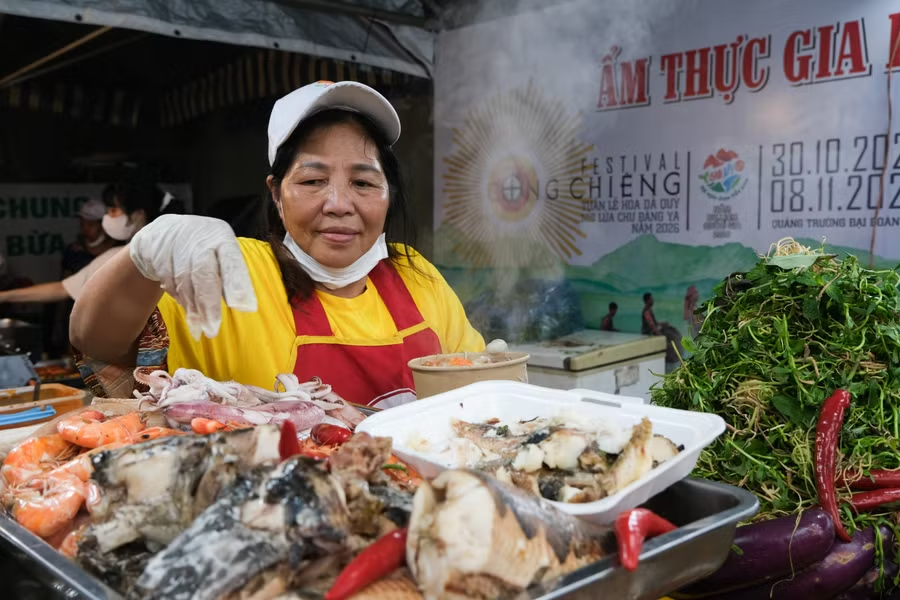
Artisan Lù Thị Hạnh's stall, featuring traditional Thai dishes such as colorful sticky rice, hand-pounded fish, smoked meats and banana leaf-grilled meats, was consistently crowded. She said the food was often sold out as quickly as it was prepared.
“After many years participating in food stalls in Pleiku City, this year I've seen a clear increase in visitors.
The stalls feature many signature dishes from each region, with chefs and restaurant owners directly involved in preparation, giving diners the chance to enjoy truly high-quality food,” Hạnh said.
The event also attracted local residents. Nguyễn Hoài Phương, from Pleiku Ward, said her family spent all three days sampling the offerings.
She said the gathering of so many regional specialties in one place provided a rare opportunity to explore Vietnam's culinary diversity without traveling extensively.
Traditional cuisine takes center stage
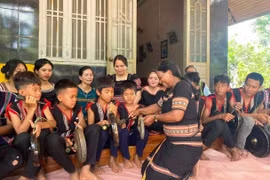
Beyond food stalls, the program featured live culinary demonstrations by chefs and artisans, showcasing five dishes representing forest and sea cuisine: jellyfish noodle soup, Krông Pa grilled beef with bile, Tây Sơn steamed rice rolls, tuna-filled sizzling pancakes and dried banana flour pho.
Ksor Jưn, owner of Nghệ nhân Ksor Hnao Traditional Cuisine Restaurant in Thống Nhất Ward, demonstrated Krông Pa grilled beef with bile, a dish that has been on her restaurant's menu for more than a decade and remains popular with diners.
Its distinctive flavor comes from combining beef bile with other ingredients, while its preparation and culinary heritage reflect Jrai traditions.
“Demonstrating this signature Jrai dish allows diners to enjoy a delicious meal, but more importantly, we hope to bring traditional culinary values into local tourism experiences,” she said.
Đỗ Thị Diệu Hạnh, director of the Department of Culture, Sports and Tourism, said cuisine provides an important connection between visitors and Gia Lai's cultural identity.
Integrating food into cultural and tourism activities at the festival allows visitors not only to enjoy local specialties but also to discover traditional values, regional identity and the people behind them, she said.
Through the combination of culinary traditions, cultural experiences and regional specialties, Gia Lai is positioning food as an increasingly important element of its tourism appeal.