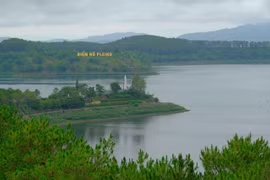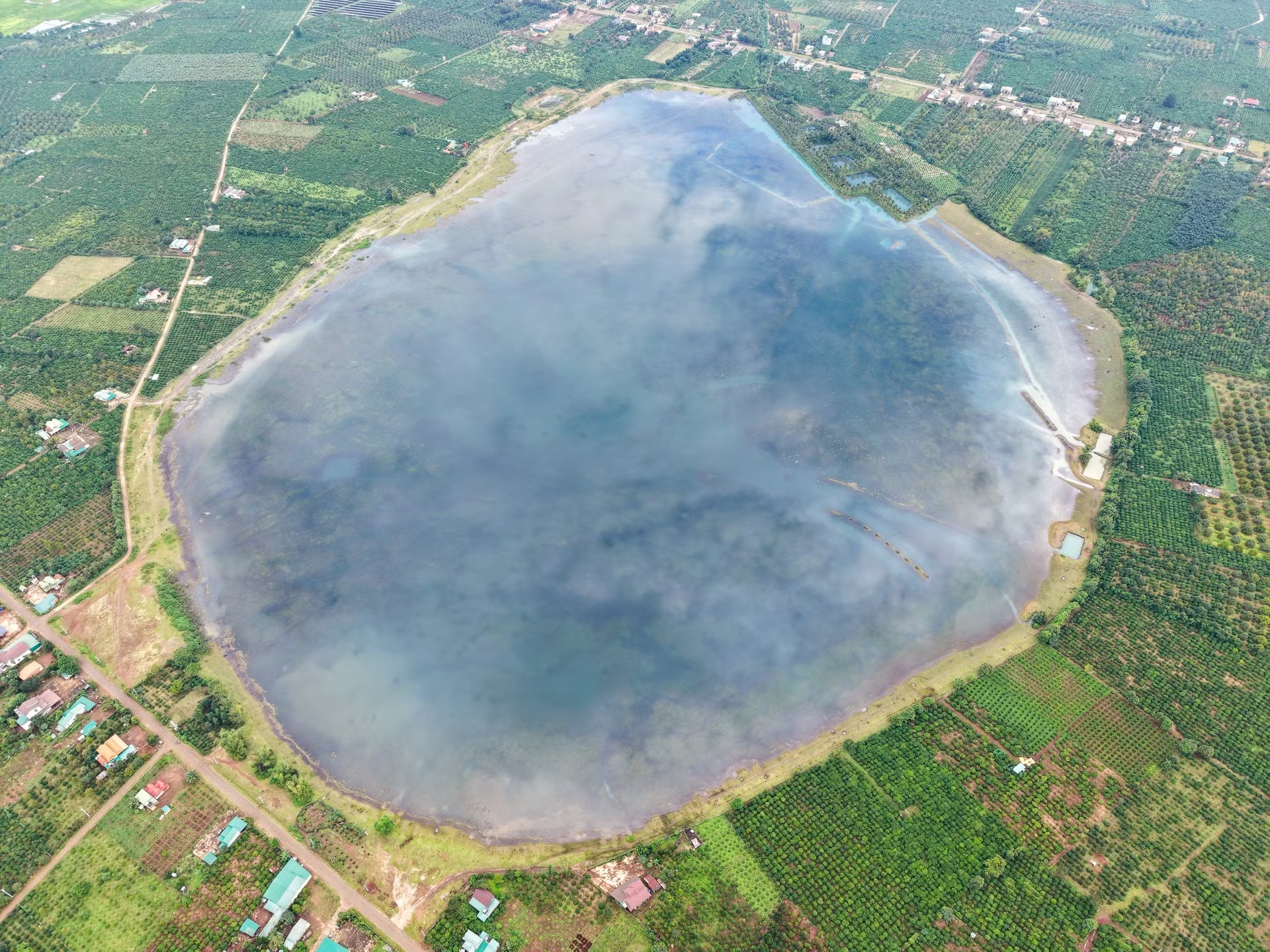
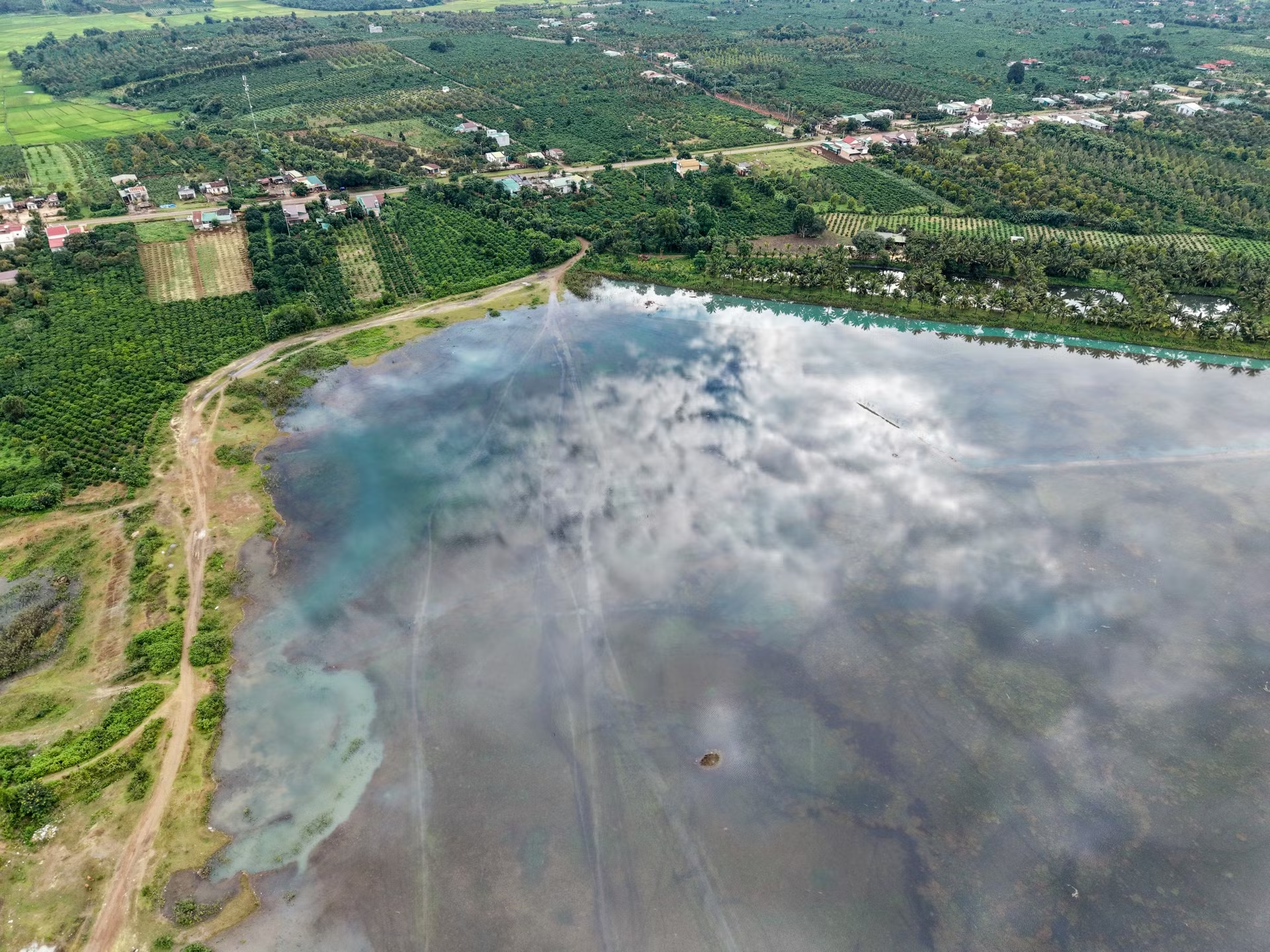
Set amid the greenery of Vietnam’s Central Highlands, the lake resembles a giant emerald, with its surface reflecting the sky, clouds and underwater vegetation.
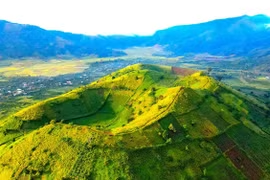
Viewed from above, the lake’s basin forms an almost circular shape reminiscent of an ancient volcanic crater.
Clear water reveals patches of submerged grass beneath the surface, creating soft green streaks that make the lake look like a giant jade stone.
The lake changes with the seasons. After the rainy season, rising water covers the surrounding grasslands, transforming the area into a broad, open expanse.
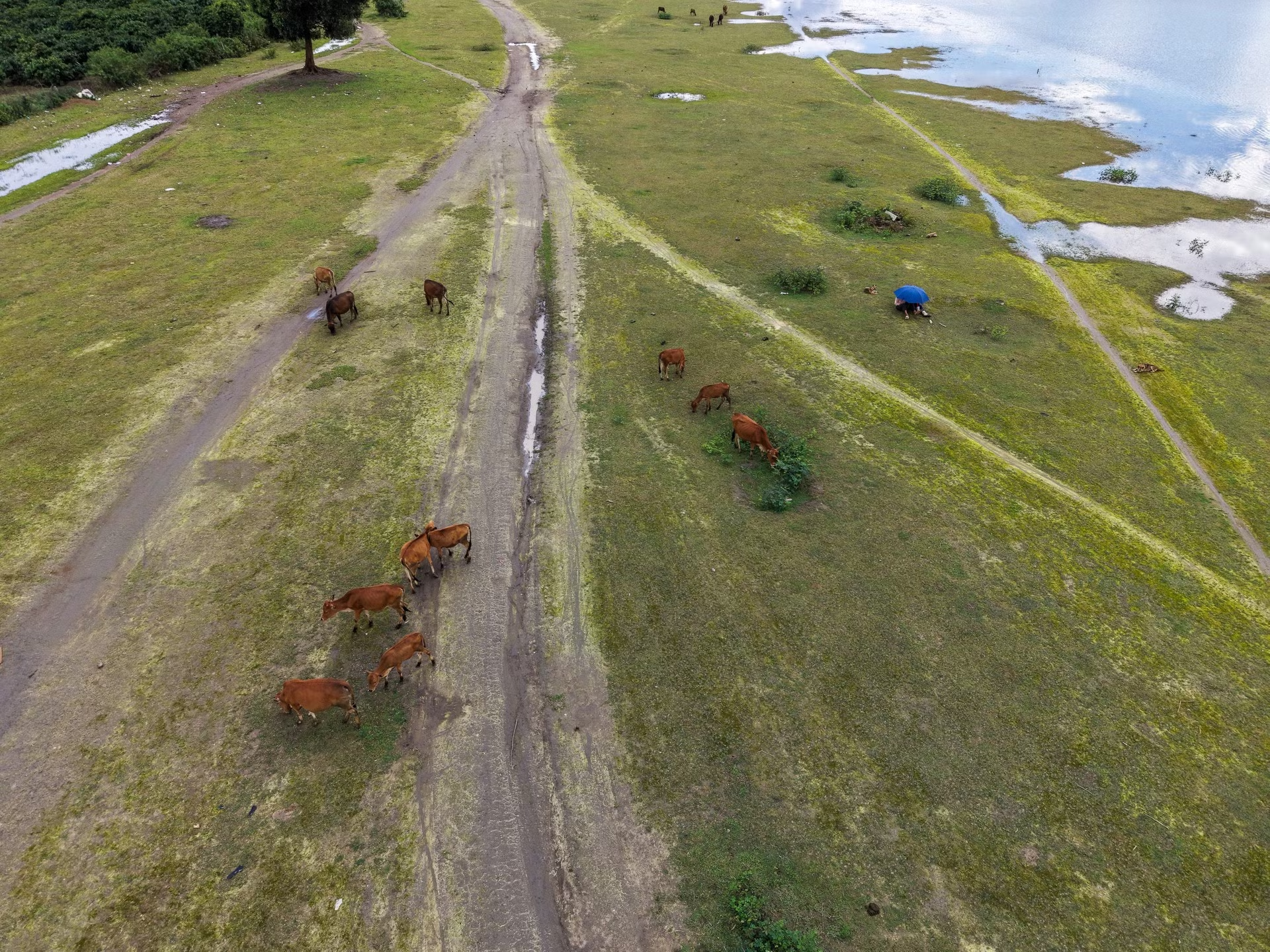
As the water recedes, the grasslands emerge again and become grazing grounds for livestock.
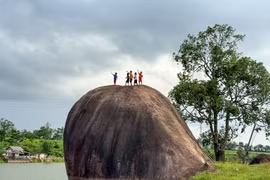
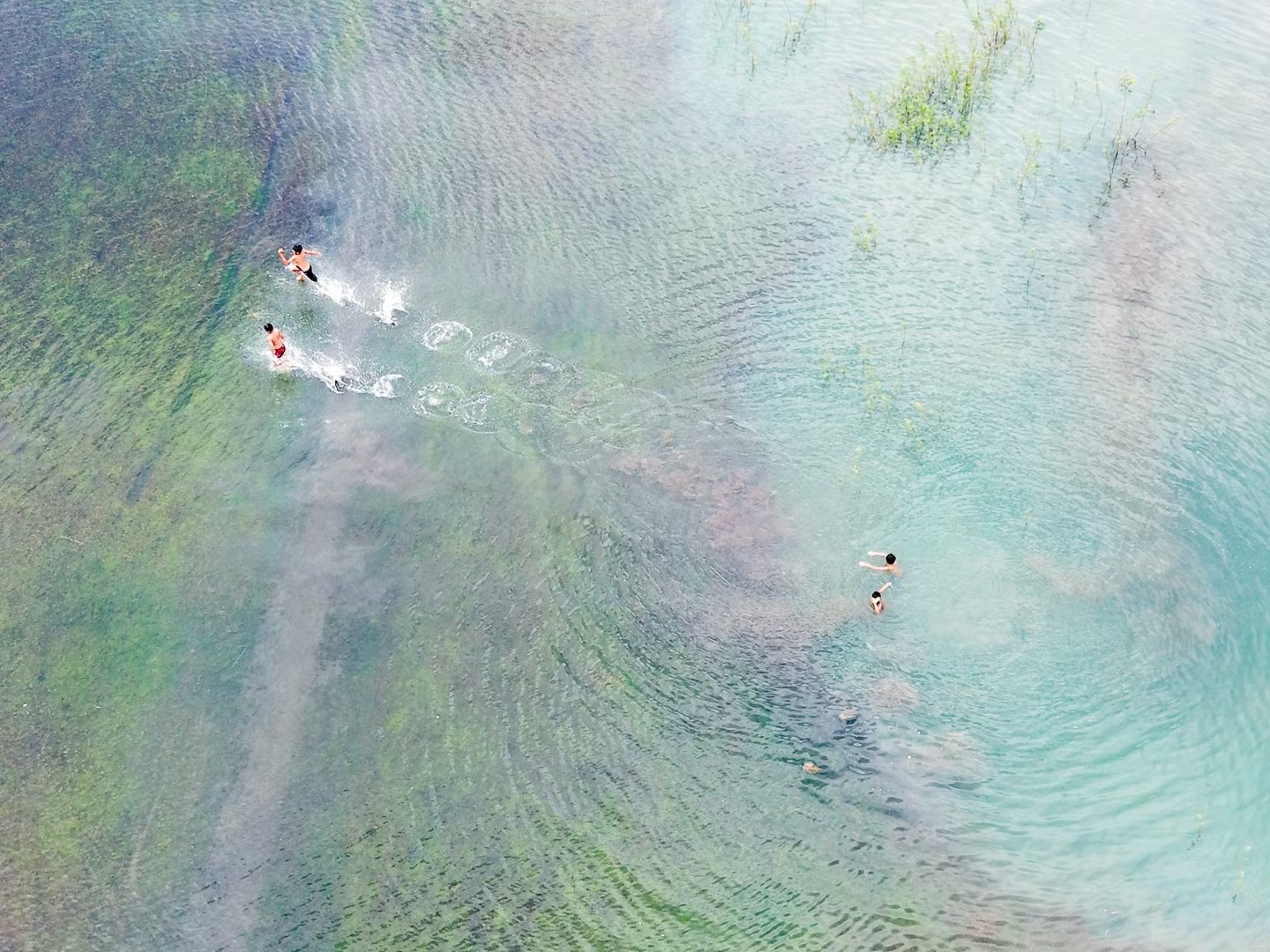
For children from Al and Kép villages, Ia Mơ Nông is also a natural swimming area.
Despite its size, many parts of the lake are relatively shallow because they were once grasslands that became submerged during the rainy season.
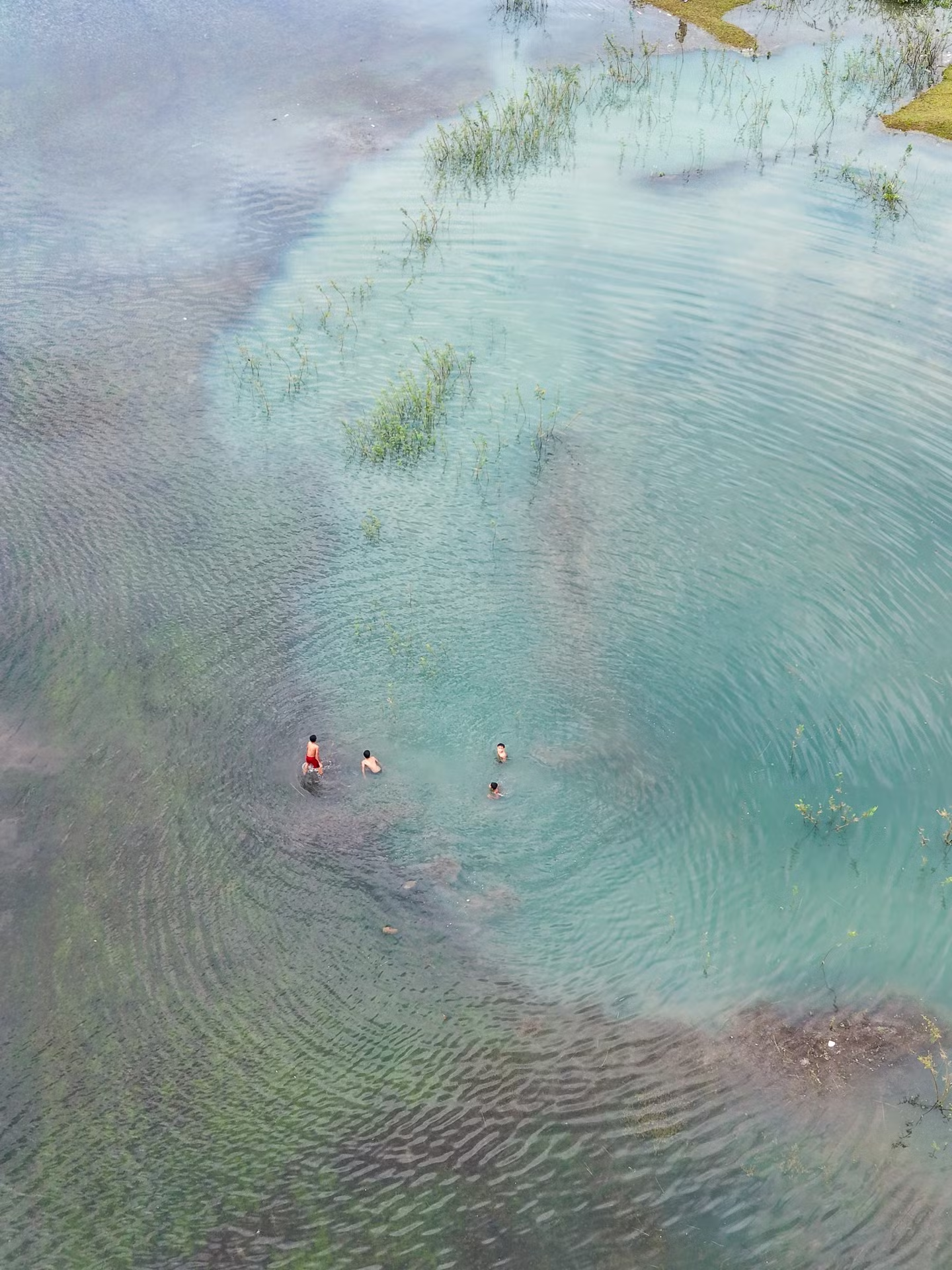
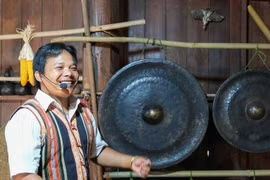
The lake has long been woven into the lives of the Jrai people. A Lok, a resident of Al village, said he had herded cattle on the grasslands beside the lake since childhood, while children from nearby villages gathered there to play.
“Since I was a child, I herded cattle on the grasslands by this lake. Children from nearby villages often gather here to play,” A Lok said.
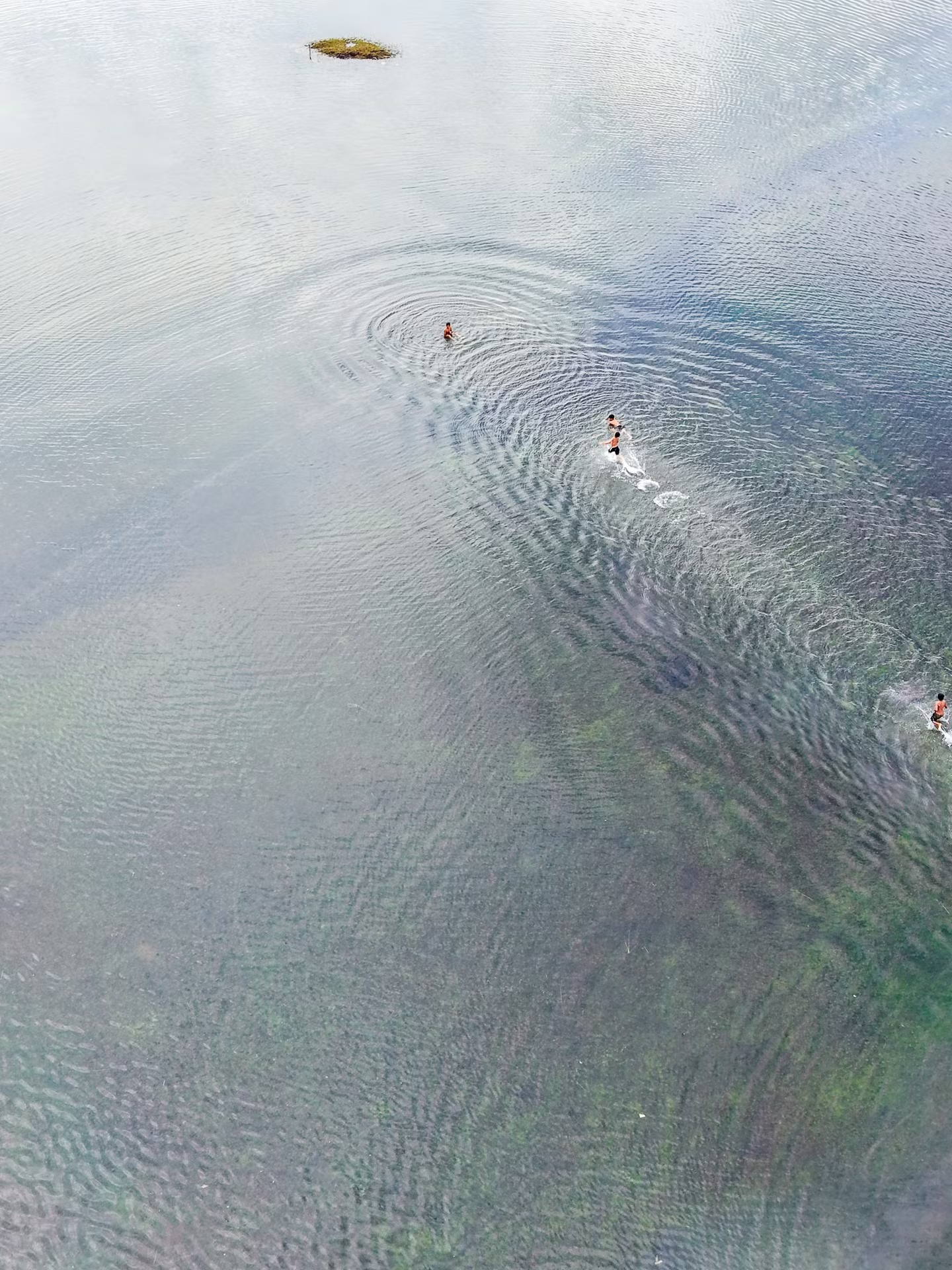
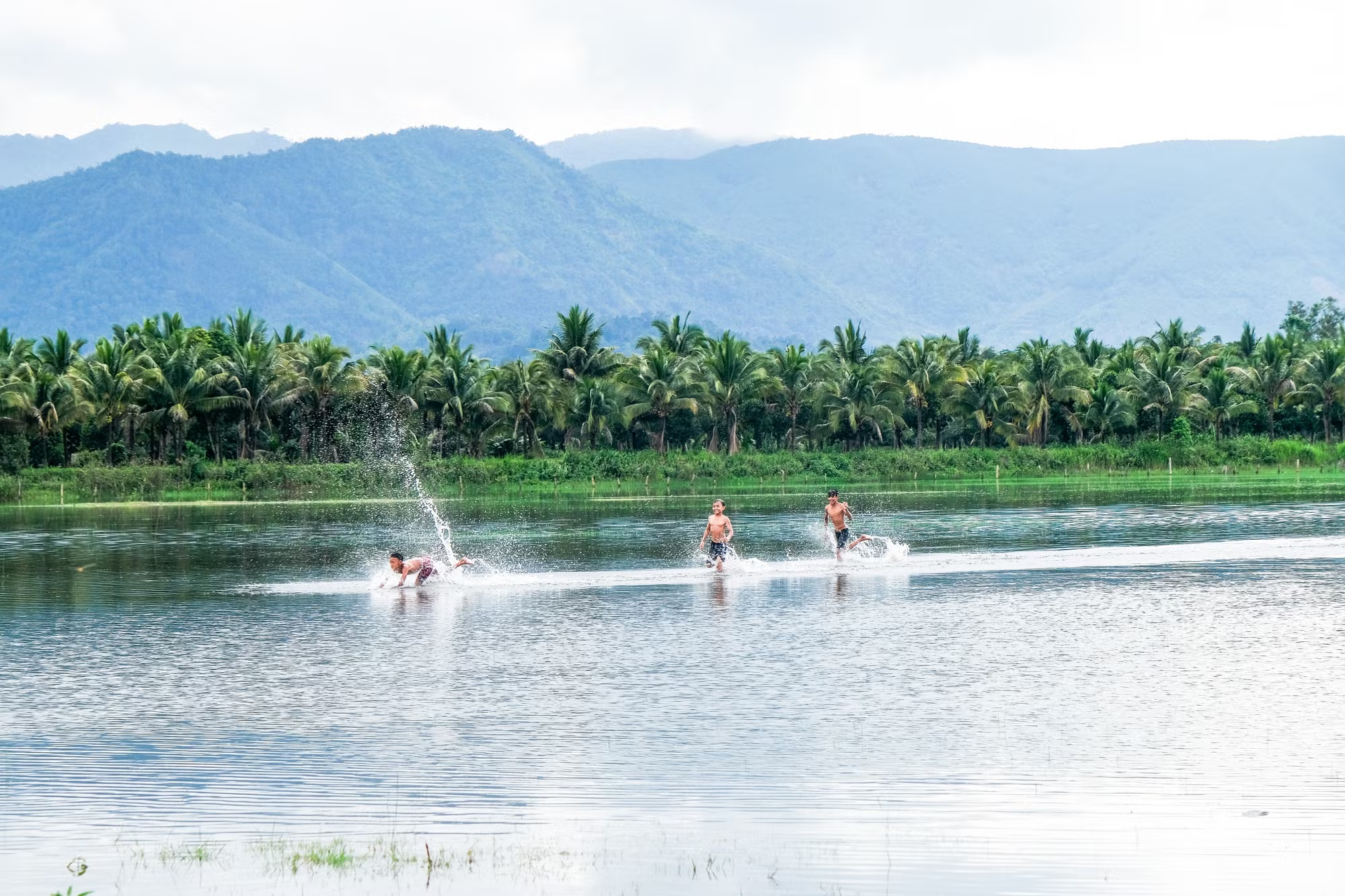
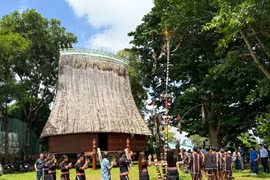
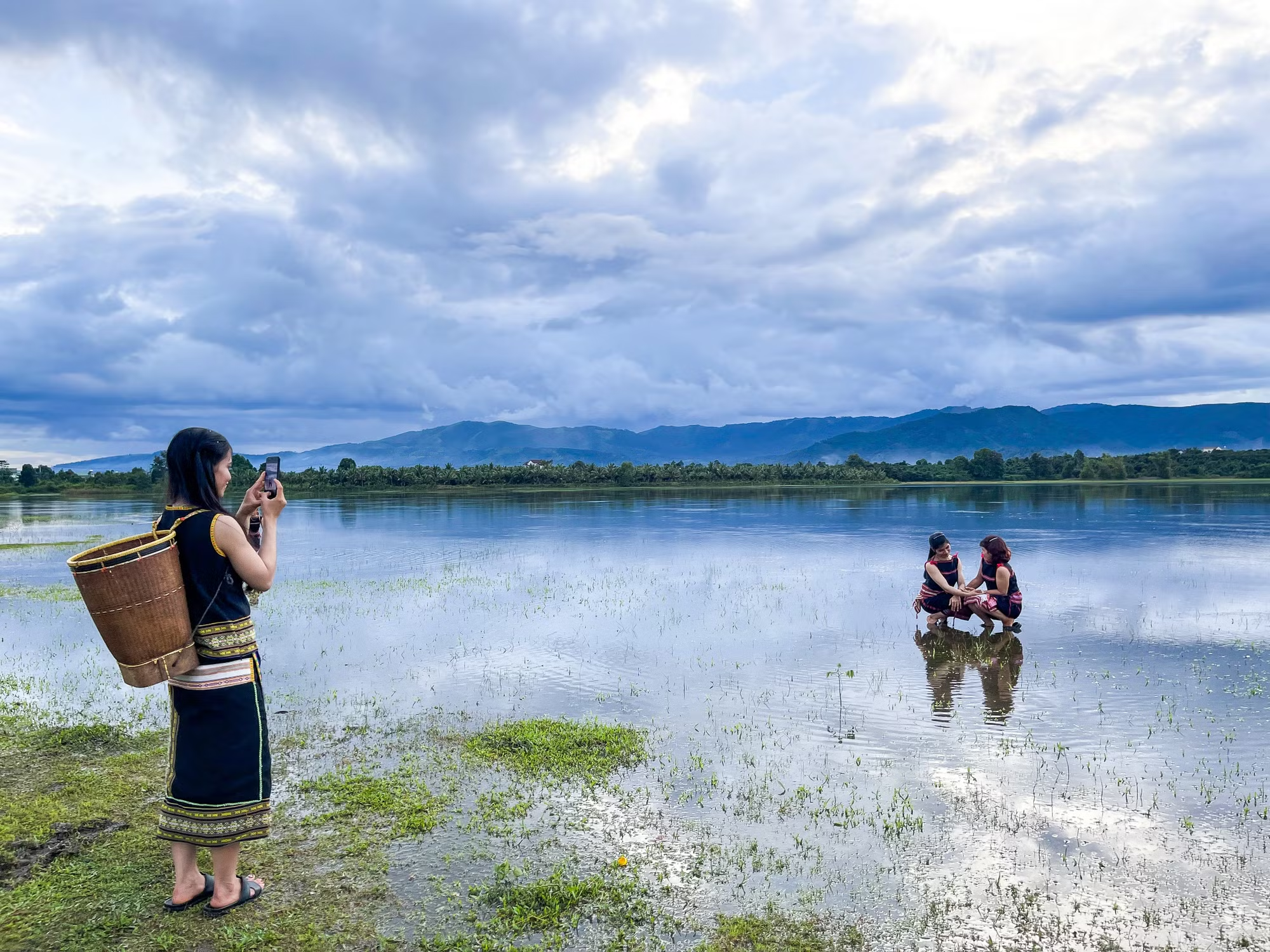
He added that community activities are sometimes held along the lakeshore, including bonfires, gong performances, xoang dances and drinking rượu cần, a traditional jar wine.
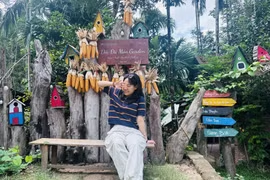
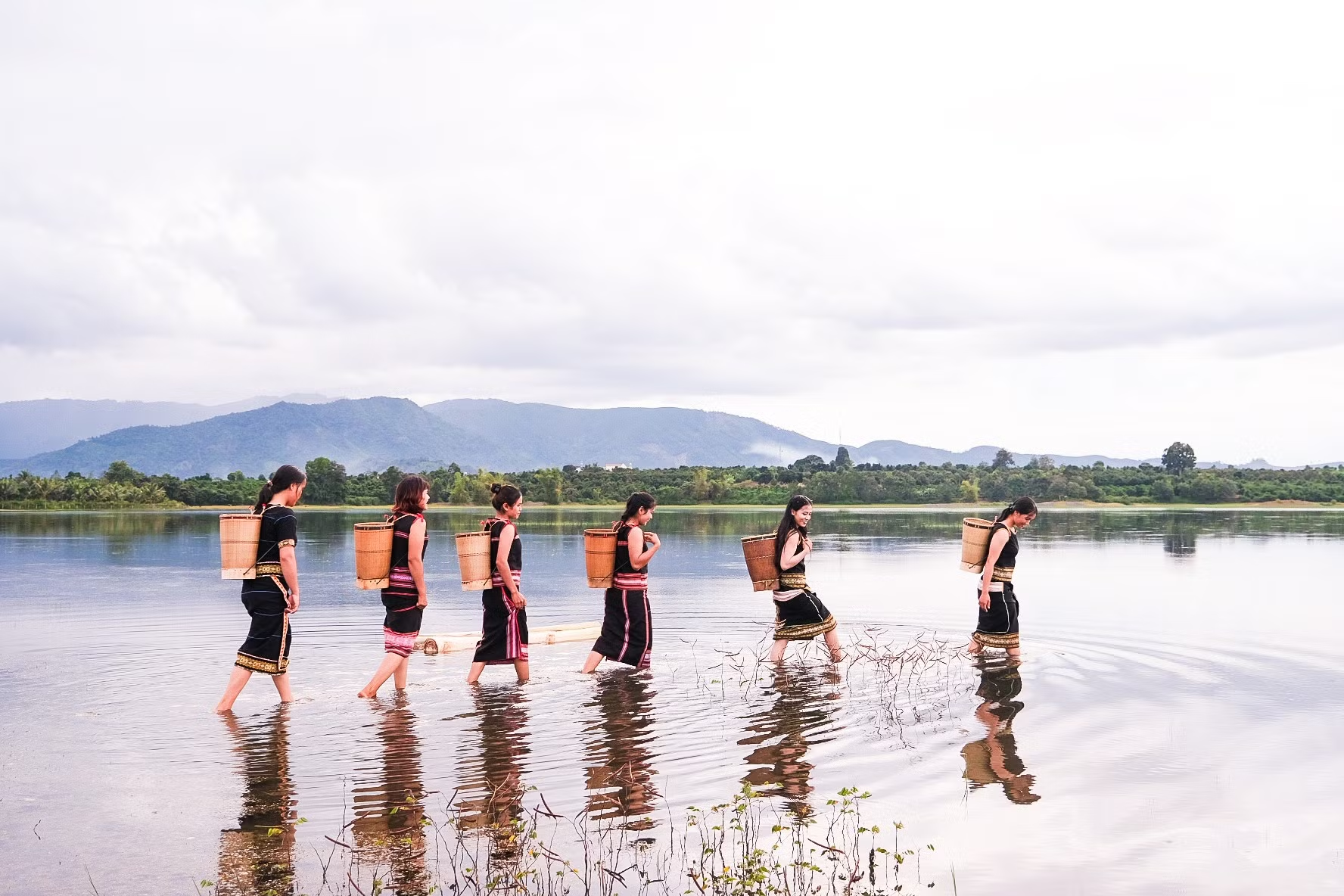
In recent years, the natural beauty and cultural life surrounding Ia Mơ Nông Lake have increasingly been incorporated into community-based tourism activities.
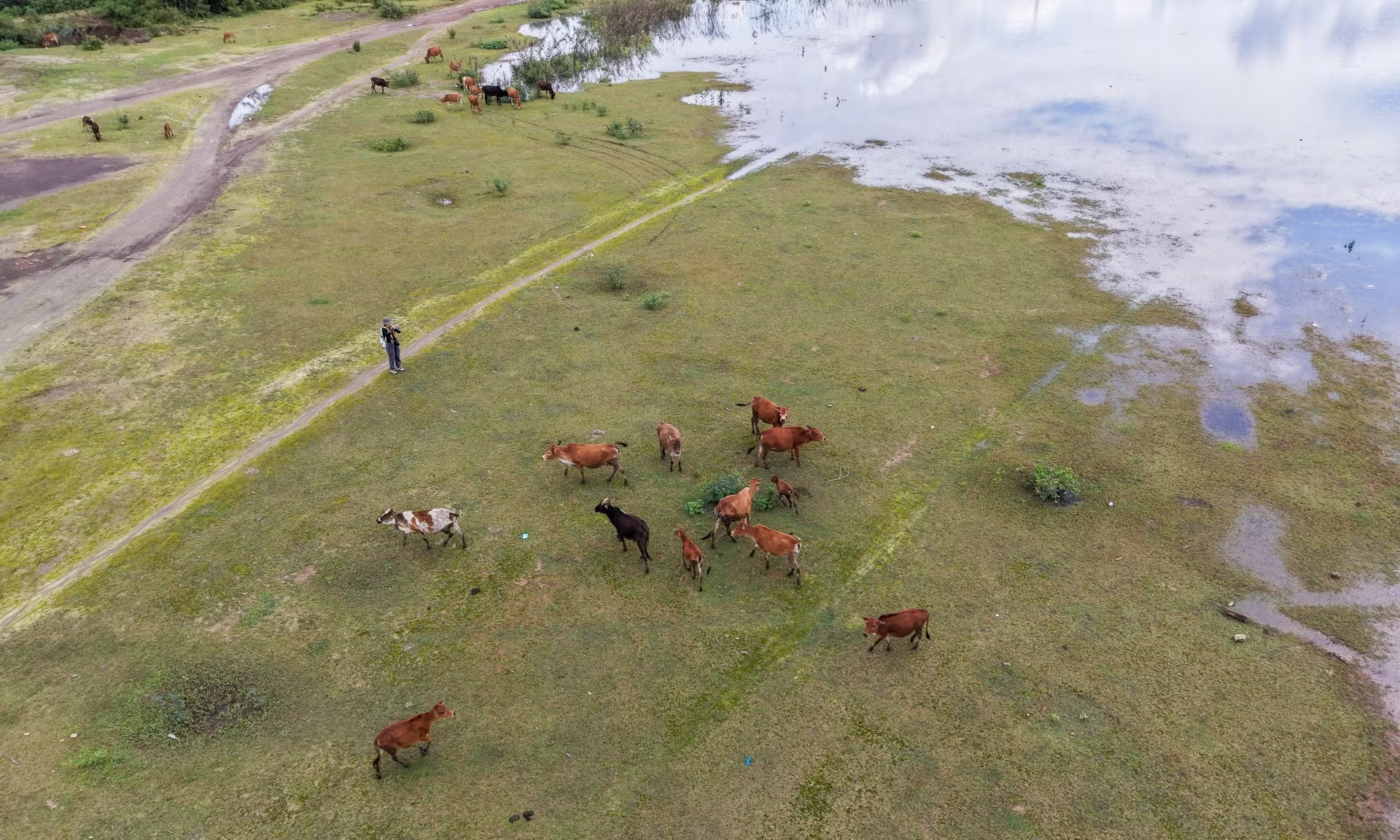
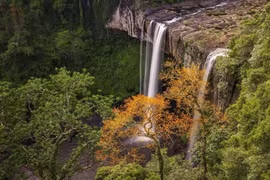
The lake is being connected with nearby attractions, including the Ia Ly Hydropower Plant, the tombs in Kép village and Công Chúa Waterfall, forming part of a broader tourism experience centered on the landscape and culture of the area.