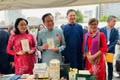
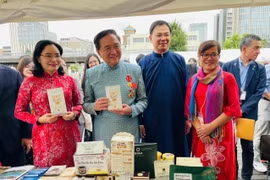
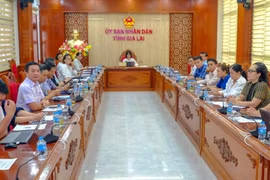
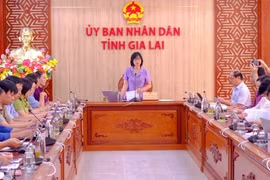
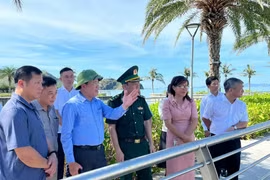
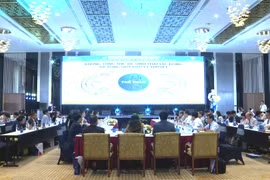
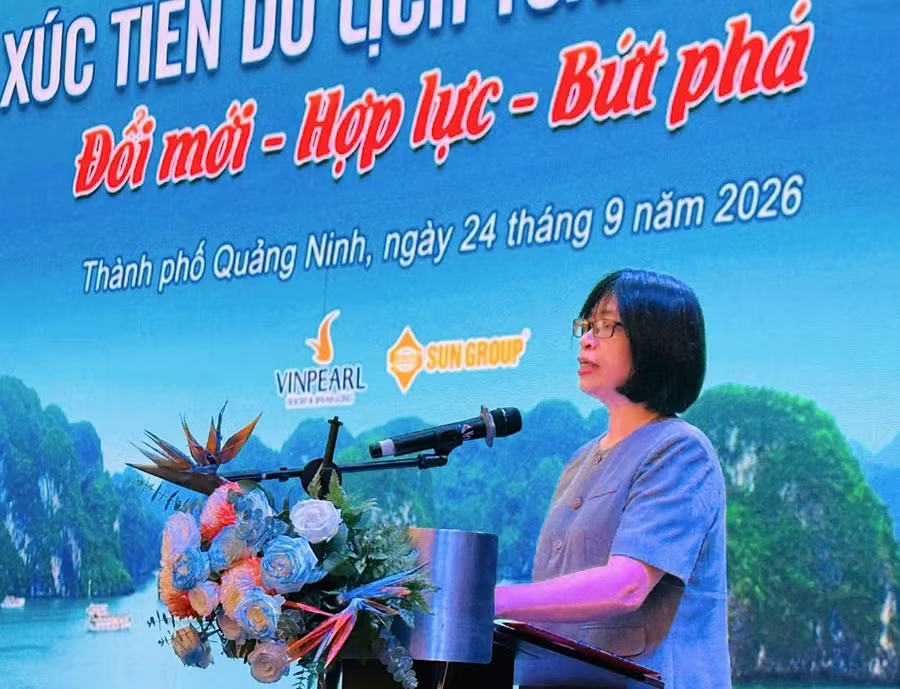
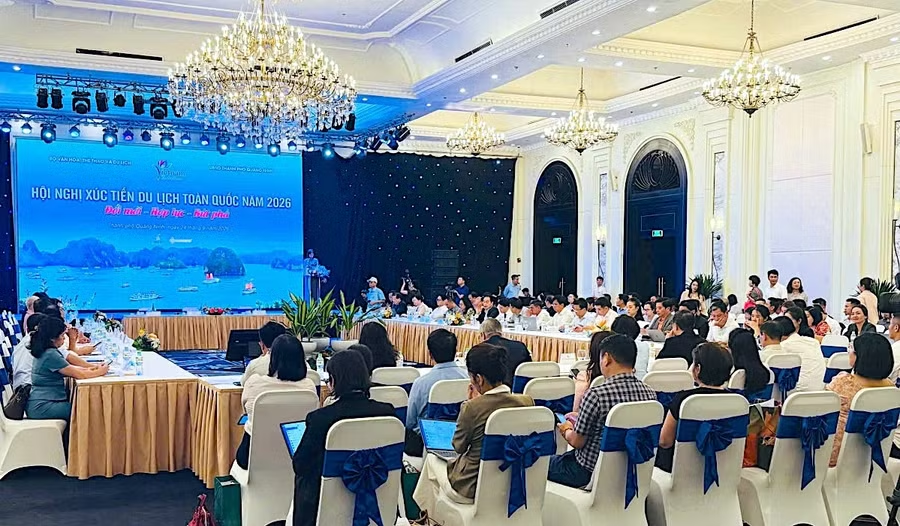
Vice Chairwoman of the Gia Lai Provincial People’s Committee Nguyen Thi Thanh Lich outlined the province’s approach on September 24 at the 2026 National Tourism Promotion Conference in Quang Ninh City.
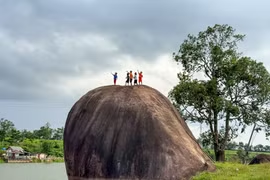
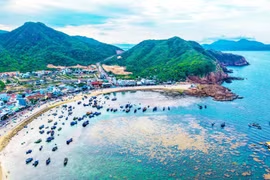
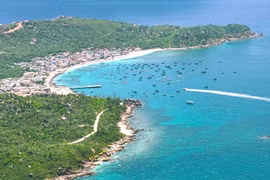
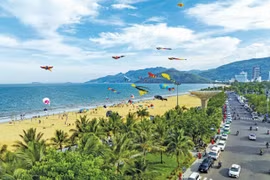
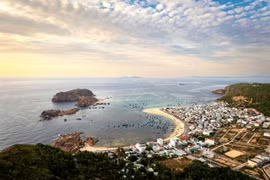
Gia Lai is hosting the National Tourism Year 2026 under the theme “Gia Lai - Mountains embrace the blue sea” The province has said the year should create lasting changes in tourism development rather than simply deliver a series of large-scale events.
The approach focuses on professionalising tourism, adopting a customer-centred model, leveraging natural and cultural assets, and strengthening regional and international linkages.
From events to a tourism ecosystem
Gia Lai has shifted from organising isolated tourism events to mobilising businesses, local authorities, communities and other sectors around a broader tourism ecosystem.
Under the model, sporting events generate visitor flows, cultural festivals create experiences, travel conferences build partnerships, famtrips support product development, investment promotion creates projects, aviation improves accessibility, commerce provides shopping opportunities, agriculture supplies experiential products, and communities contribute local identity.
The province aims to make tourism a connector between industries rather than simply a provider of sightseeing and leisure services.
Gia Lai has also moved from single-sector tourism promotion toward integrated promotion involving investment, trade, aviation, culture, sports, agriculture, logistics and media.
At an investment promotion conference in March 2026, the province granted decisions and investment certificates and signed memorandums of understanding for 273 projects with announced capital of nearly VND850 trillion (about US$34 billion).
Gia Lai said the experience showed that tourism promotion needs to be integrated into broader economic development strategies, including efforts to attract investment and improve the policy environment for tourism.
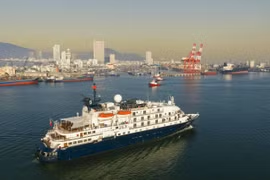
The province is also developing policies to attract international tourists through charter flights to Phu Cat Airport during 2026–2027 and to support community-based tourism from 2026 to 2030.
Developing destinations around journeys and markets
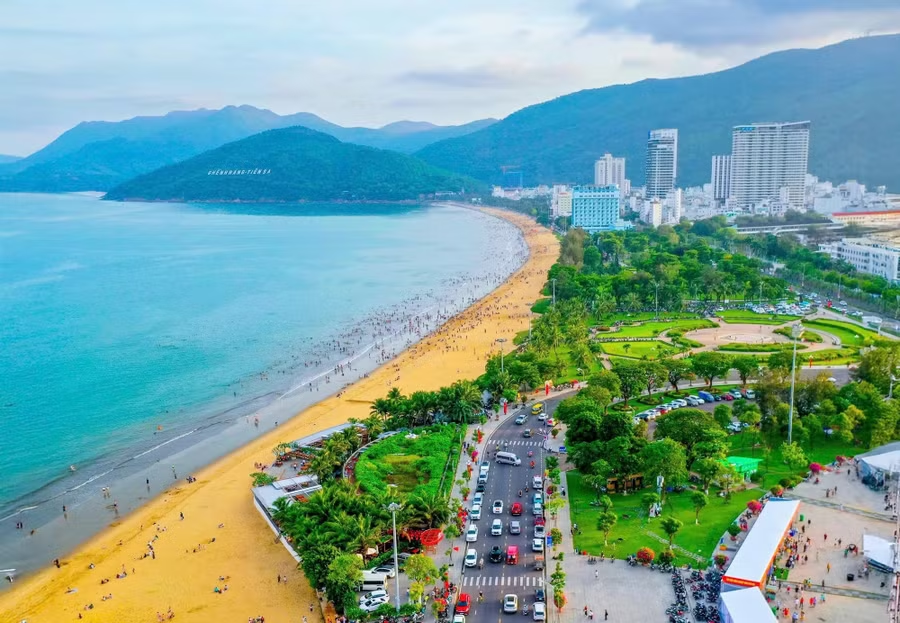
Gia Lai is moving away from a single-destination model and developing a more diverse tourism product ecosystem tailored to the strengths of different areas.
The province said new products are intended to overcome a lack of variety, encourage longer stays, increase tourist spending and create more opportunities for businesses to invest and expand.
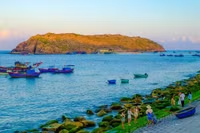
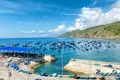
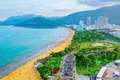
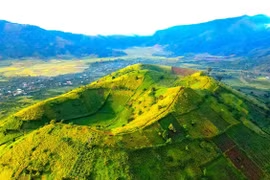
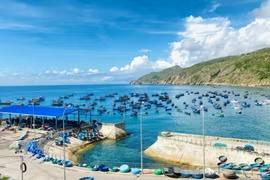
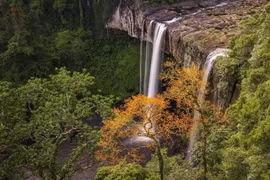
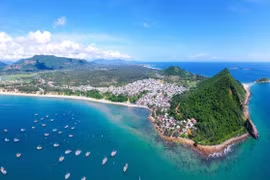
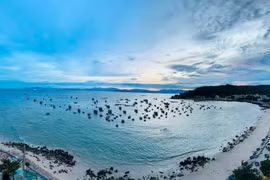
At the same time, Gia Lai is seeking to establish the tourism brand “Gia Lai – The Great Highlands Touch the Blue Sea”, positioning the province around the combined values of sea, forest, highlands, heritage and culture.
The province has also changed its promotional approach from asking what Gia Lai has to asking what markets need and which products can be developed for those markets.
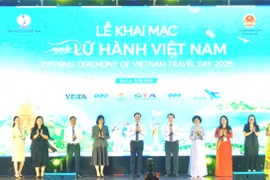
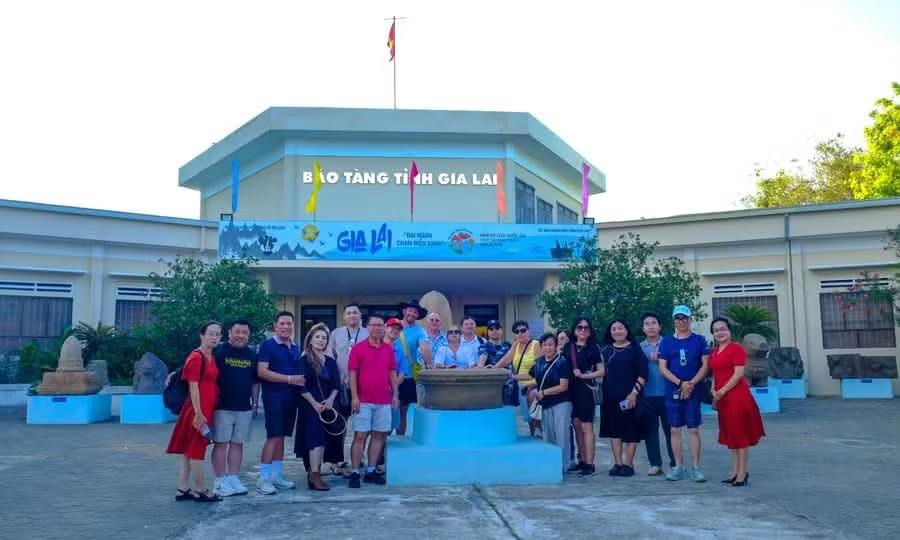
In 2026, Gia Lai increased famtrips and presstrips and expanded connections with international buyers, travel agencies and airlines. The second Vietnam Travel Day, held in Gia Lai in August, brought together domestic and international buyers.
The province described the approach as a shift from promotion aimed primarily at raising awareness to promotion designed to create connections, develop products, generate visitor flows and increase tourism revenue.
Tourism activity and visitor numbers rise
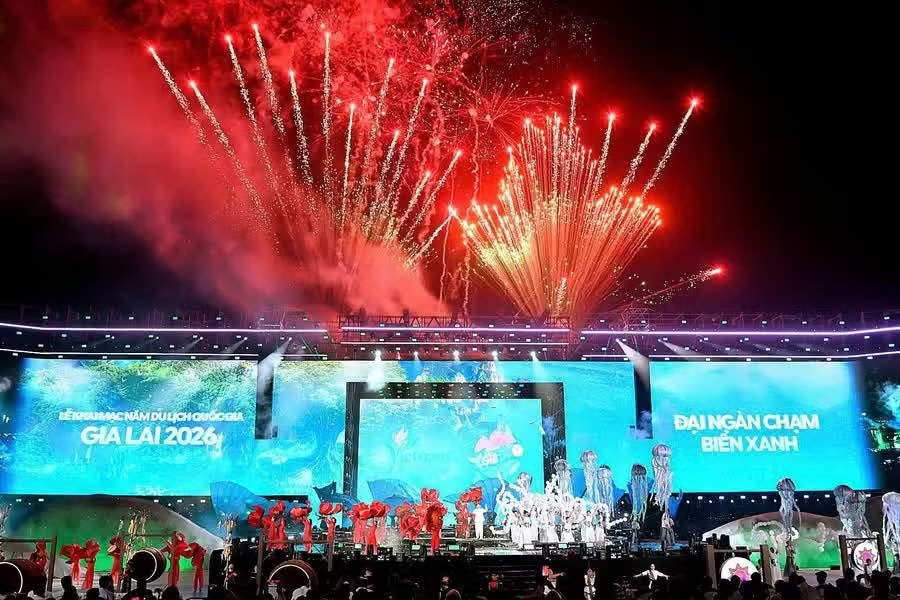
Major activities during the National Tourism Year included the opening week of National Tourism Year - Gia Lai 2026, featuring cultural, sports, tourism, investment promotion, diplomatic, trade and destination-marketing events.
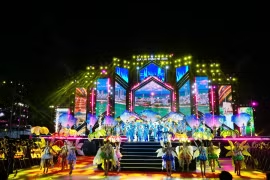
The opening ceremony and Mega Concert “Gia Lai - The Great Highlands Touch the Blue Sea” was ranked fourth among 10 prominent brand events of the week from March 23-29 by Kompa, a media consultancy specialising in Big Data and data technology.
Socialite, a Vietnamese social listening and data analytics company, ranked the concert third among the five most discussed events of the week, recording 39,412 online discussions.
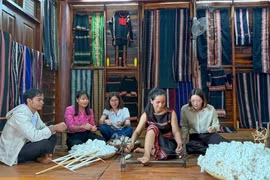
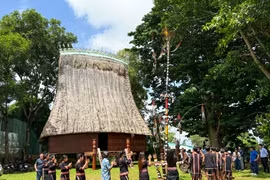
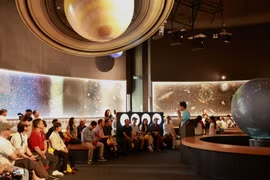
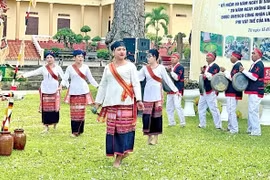
Other major activities included the Gia Lai Summer Tourism Festival 2026, themed “Gia Lai - A Fascinating Destination”, and the Gia Lai Provincial Ethnic Culture Day, which combined cultural, sports, culinary, tourism and product-promotion activities.
The ninth International Traditional Martial Arts Festival in Binh Dinh province also attracted international delegations.
During the first eight months of the year, cultural, sports and tourism activities, together with famtrips and conferences connecting businesses and localities with Gia Lai’s tourism sector, helped promote the province as a destination combining highlands, sea, heritage, culture and local communities.
Tourism promotion was also carried out through events in Vietnam and abroad, including Gia Lai Day in Hanoi, the Spring Fair, VITM Hanoi 2026, the Ho Chi Minh City Tourism Festival, the Travex Fair and ASEAN Tourism Forum 2026 in the Philippines, and a Gia Lai tourism promotion conference in South Korea.
Media campaigns combined traditional journalism with digital platforms to promote the province’s image around the themes of the highlands, blue sea, heritage, culture and people.
Gia Lai recorded 13.505 million visitors in the first nine months of 2026, an increase of about 25% from the same period in 2025, while tourism revenue reached approximately VND29.21 trillion (about US$1.17 billion).
The province said revenue was 26.4% above its annual plan and put it on course to pursue its 2026 targets of 15 million visitors and VND35 trillion (about US$1.4 billion) in tourism revenue.
Five areas proposed for regional cooperation
Based on its experience, Gia Lai proposed five groups of solutions to strengthen inter-sectoral and regional tourism linkages.
The first is stronger regional cooperation, including a proposed “Green Tourism Corridor” and a Central Highlands and South Central Coast tourism coordinating council to support joint planning and reduce duplication among tourism products.
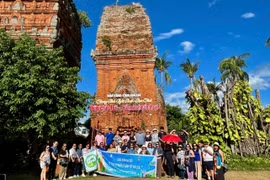
The province also proposed developing inter-provincial tourism routes such as a “Journey from Sea to Highlands” and a “Heritage & Ecotourism Route” connecting destinations from Quy Nhon and Tuy Hoa to Pleiku and Kon Tum.
The second priority is closer cooperation between tourism and other sectors. Gia Lai proposed a mechanism linking aviation, services and destinations, as well as stronger connections between tourism, agriculture and commerce.
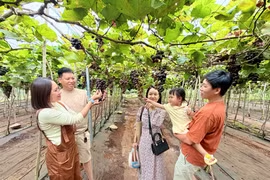
Under the proposed model, key agricultural products such as coffee, pepper and Central Highlands medicinal herbs could become part of the tourism service supply chain, while each OCOP product could serve as a tourism gift.
The third area is transport and digital infrastructure. Gia Lai proposed accelerating upgrades to cross-regional highways, including National Highways 19, 25 and 29, and expanding domestic airport capacity.
It also called for a shared regional tourism data platform integrating information on destinations, services, electronic tickets and quality ratings.
The proposed system would track where visitors come from, where they travel, how long they stay, what they spend on, their means of transport and their next destination. The data could be used to identify visitor routes, bottlenecks, target markets, products, accommodation capacity, transport needs and aviation demand.
The fourth proposal is a market-based national tourism promotion mechanism in which the central government sets market orientations, regions develop products, localities provide destinations, businesses build tours and airlines provide connections.
Gia Lai said this would shift promotion from destination marketing toward selling integrated tourism products across Vietnam, particularly for international markets.
The fifth area is institutional and policy support for businesses, including preferential tax and credit policies for companies investing in green, regenerative and community-based tourism in remote areas.
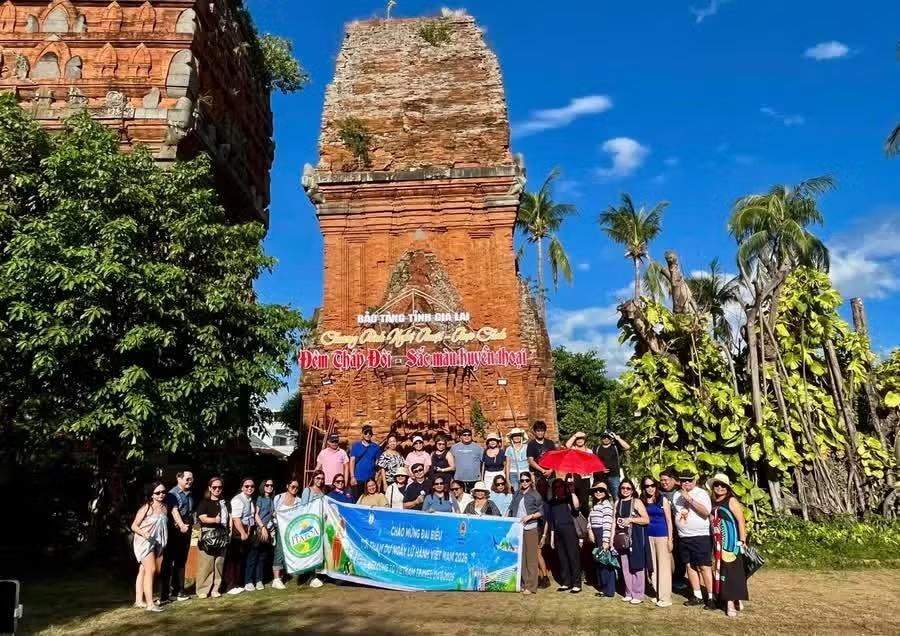
The province also proposed international promotion under a “One Message – Multiple Destinations” approach, using the experience of the 2026 National Tourism Year as a model for future promotion.
Gia Lai described the National Tourism Year as a strategic springboard for a new phase of inter-regional tourism development, with the aim of building a destination based on cooperation among government, businesses and local communities.
(*) Title provided by Gia Lai Newspaper and Radio & Television based on the content of the speech.