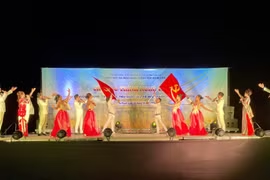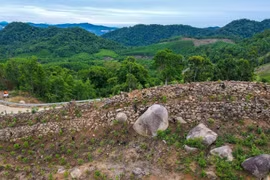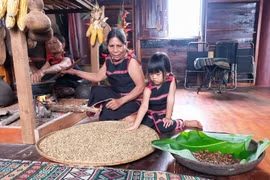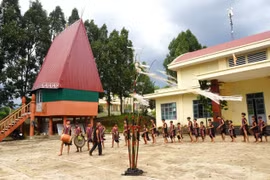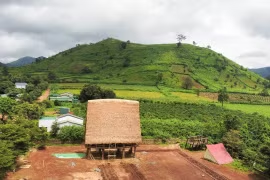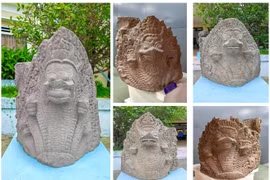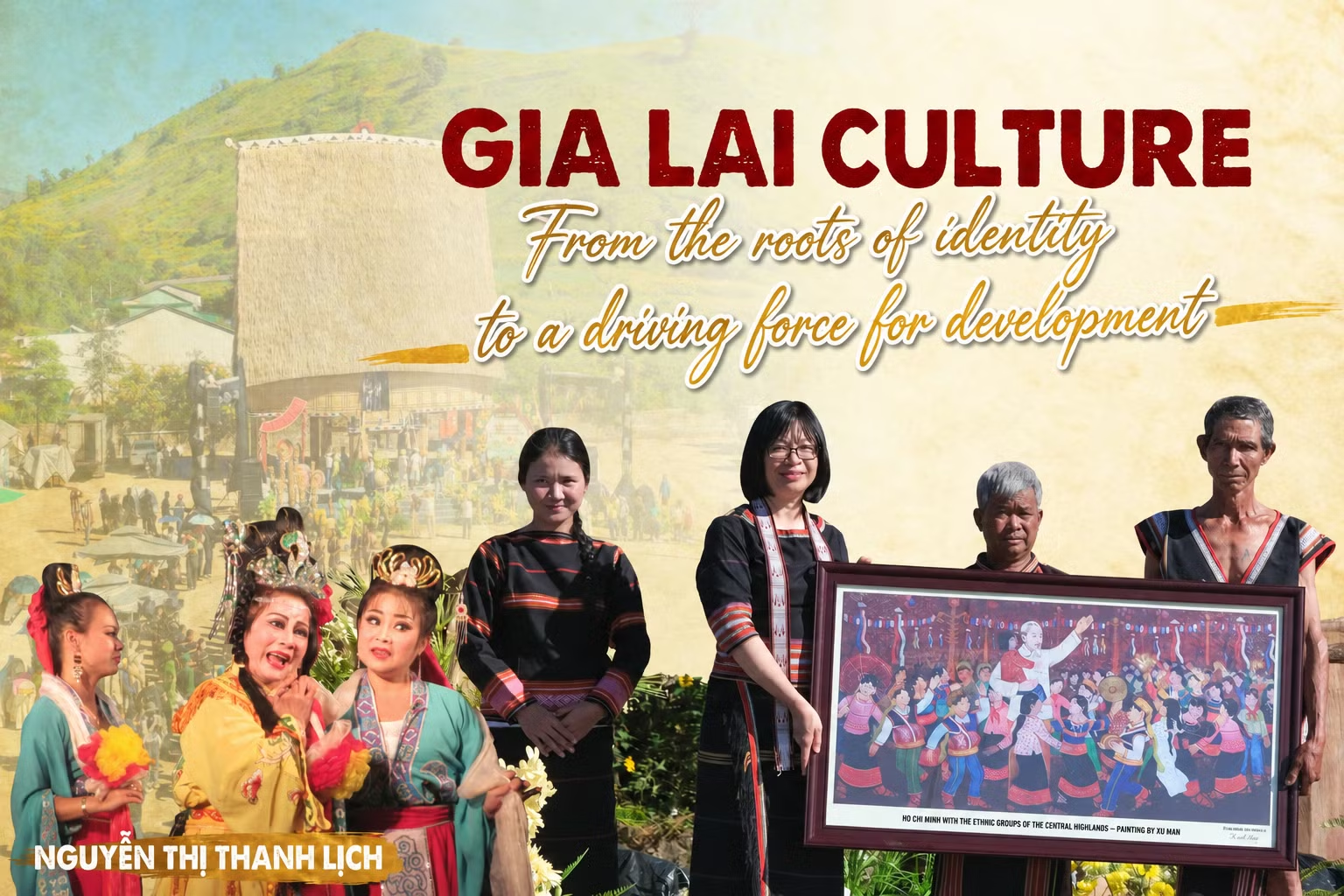

As Gia Lai’s development extends from the Central Highlands to the Central Coast, it brings together traditions shaped by different histories.
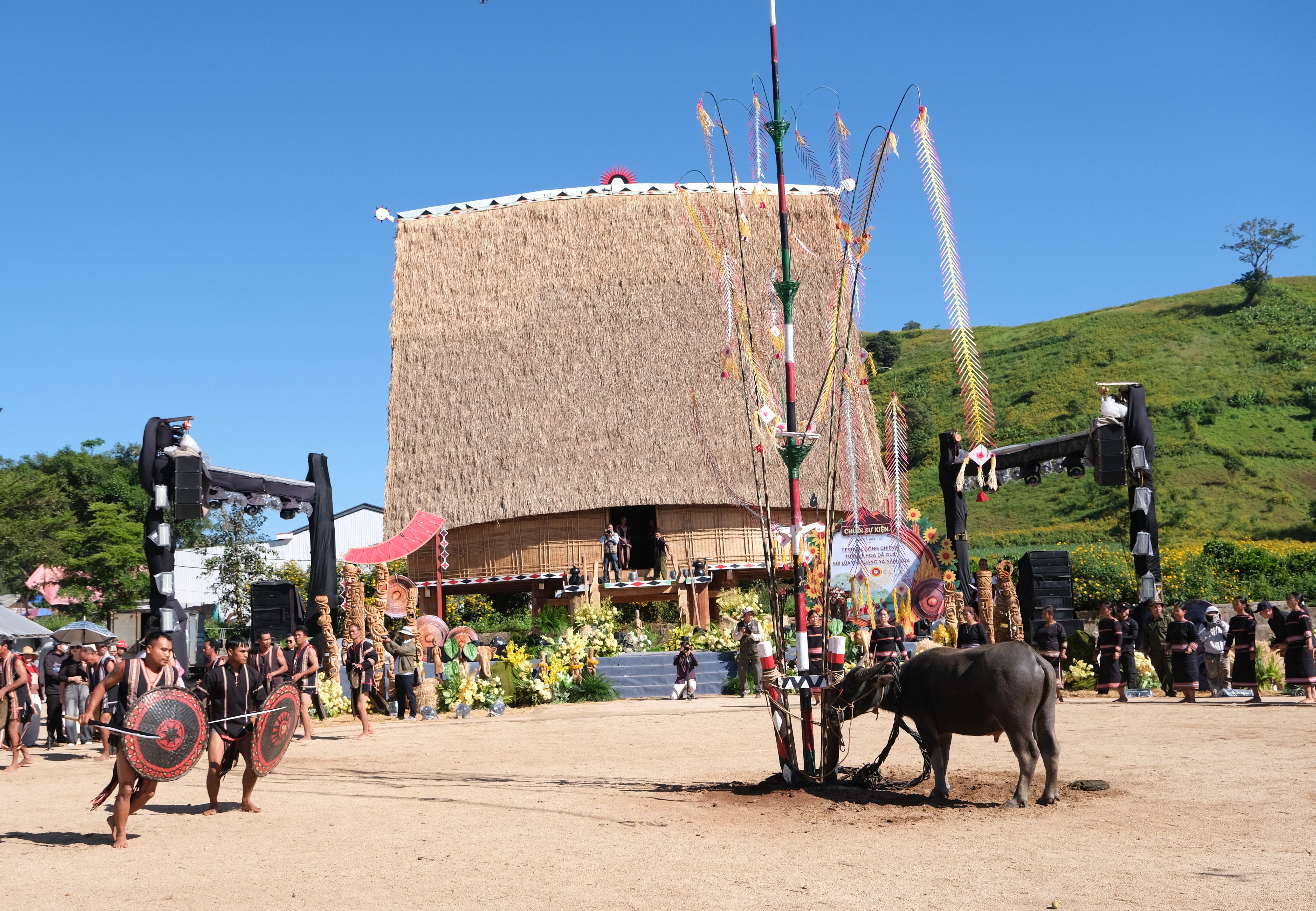
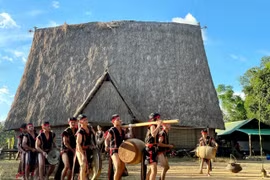
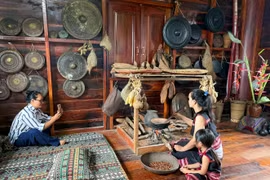
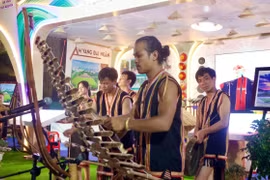
Highland villages are home to gong music and the communal house. The Tay Son battle drums, Binh Dinh martial arts, Tuong and Bai Choi performances, and the remains of Champa civilisation along the coast add to that cultural range.
Investment, infrastructure and technology can accelerate growth. Culture helps shape how that growth is sustained by building trust, encouraging creativity and giving visitors a reason to choose one destination over another.
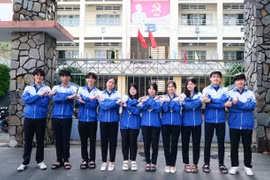
Its role extends into education, local governance and the way people care for their surroundings and treat one another.
Keeping Gia Lai’s heritage alive
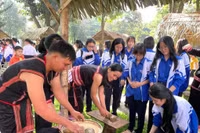
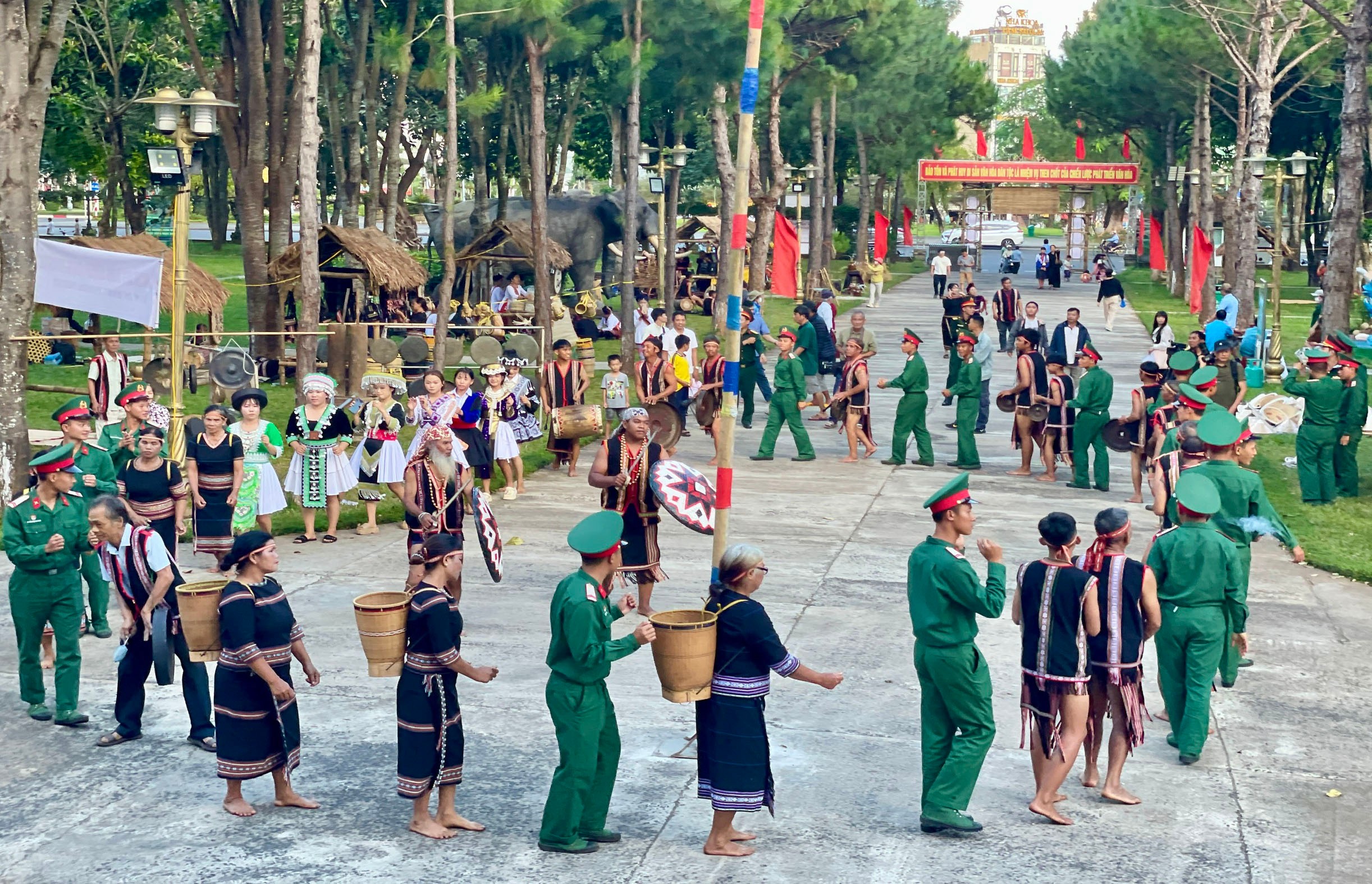
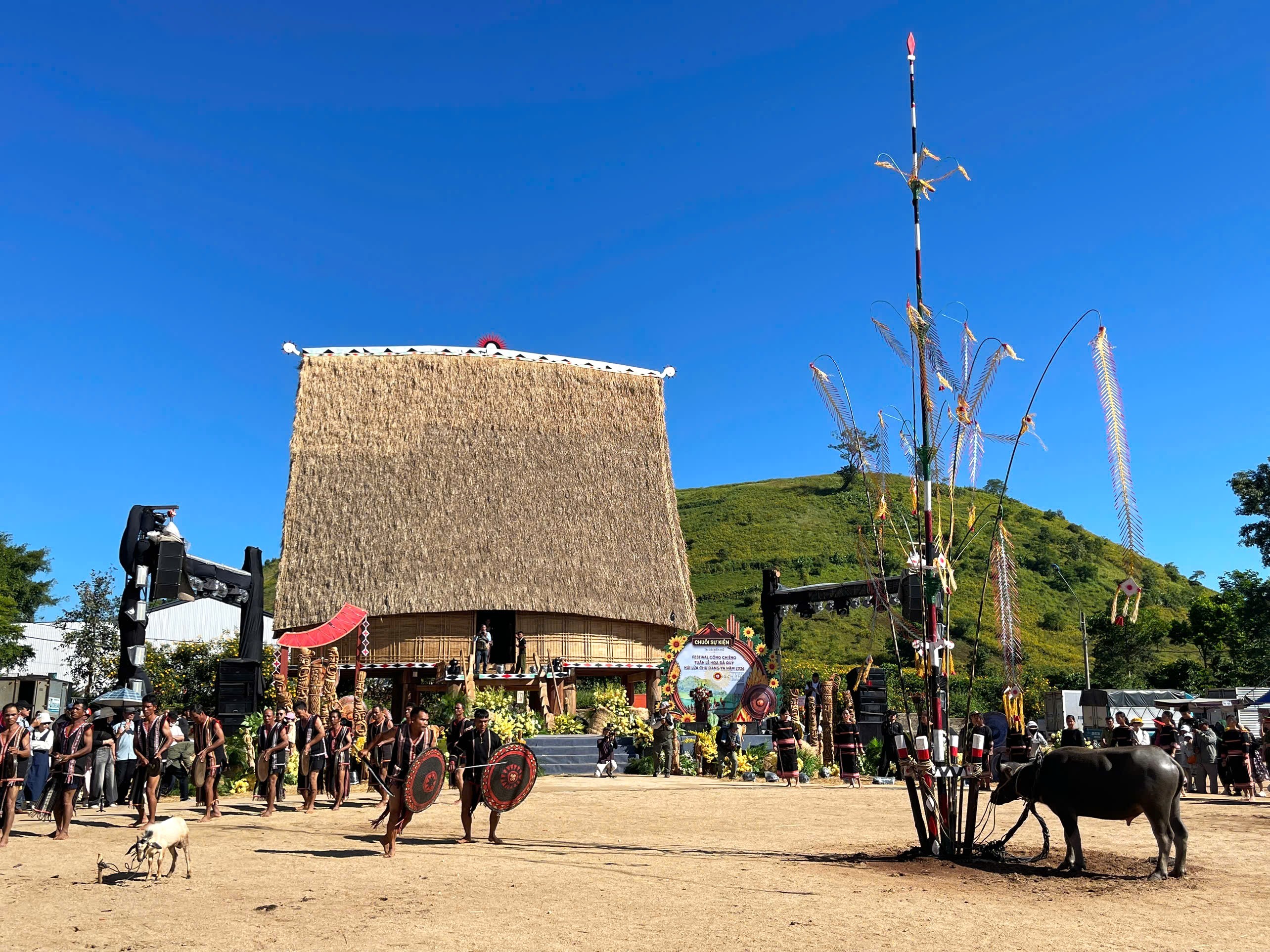
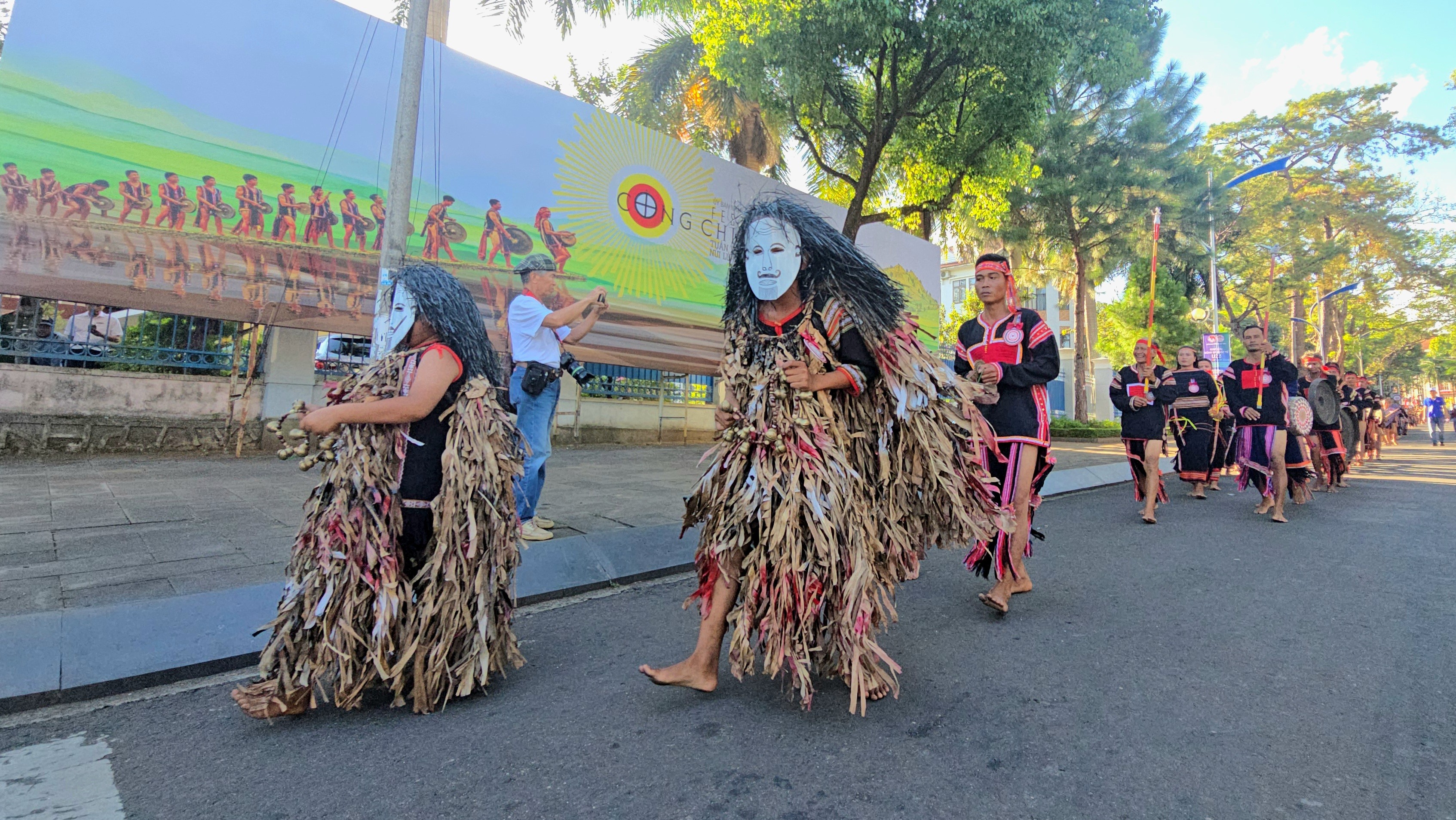
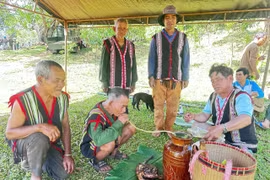
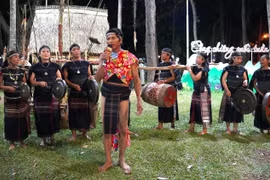
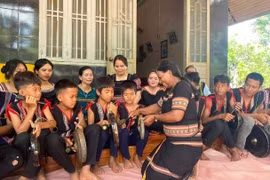
Central Highlands gongs are woven into the beliefs, rituals and relationships of the region’s ethnic communities.
Keeping the tradition alive means passing on melodies, tuning and performance skills, and preserving the spaces where people gather to play.
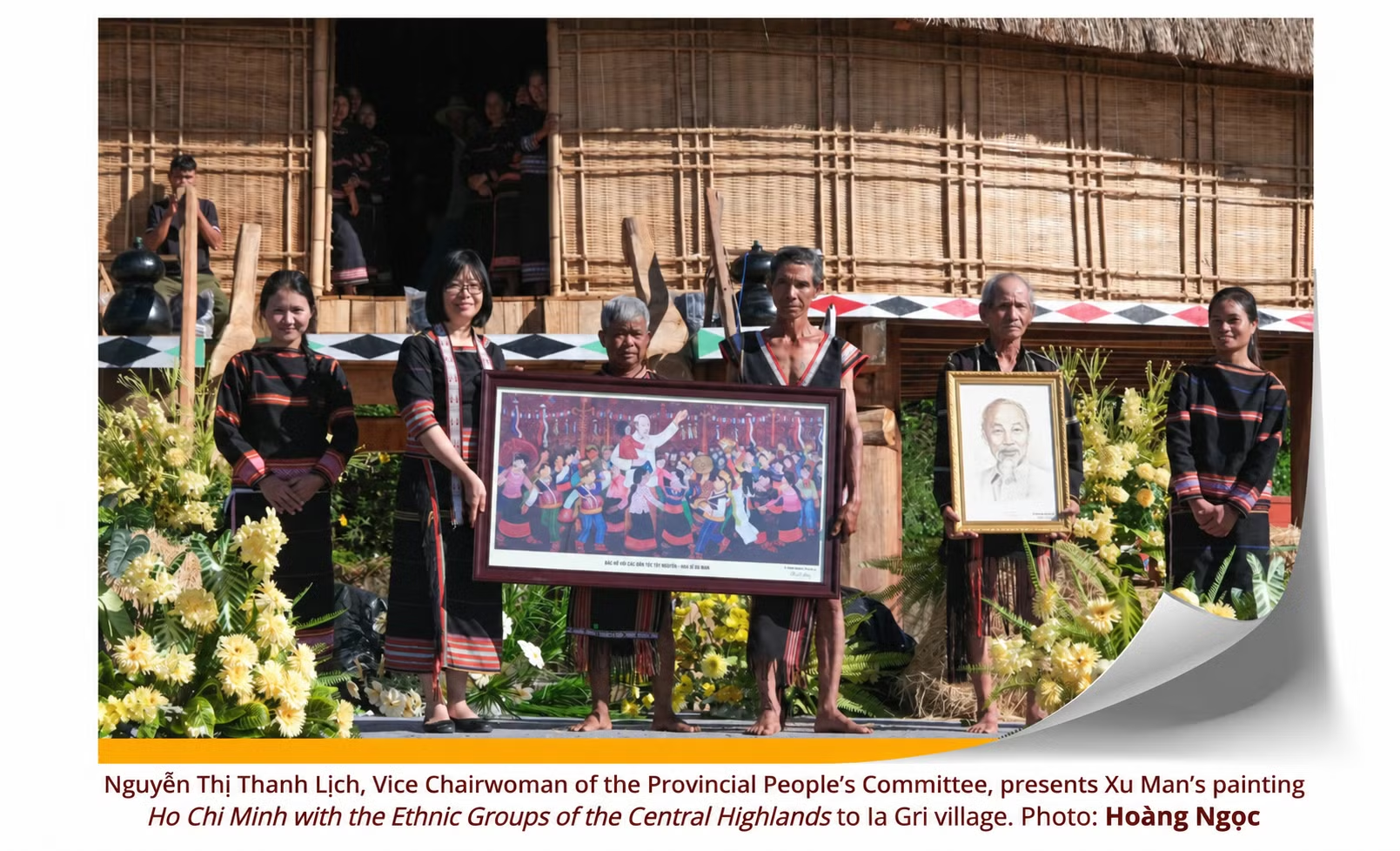
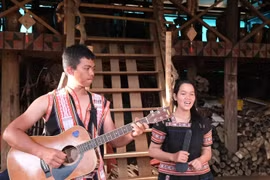
It also depends on young people wanting to learn and experienced practitioners having the means to teach them.
Binh Dinh’s traditional martial arts carry forward the values of resilience, courage and respect for teachers associated with the Tay Son movement.
Training future generations can sustain those values while giving martial arts a place in education, sport, tourism and international cultural exchange.
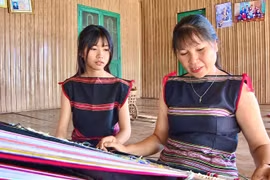
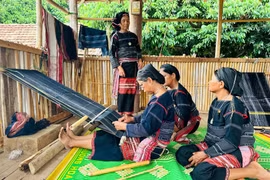
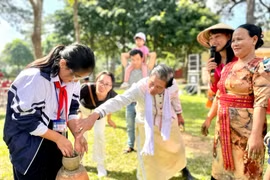
The same care applies to Tuong, Bai Choi, traditional crafts, folk festivals and Champa heritage.
Research and an understanding of each tradition’s origins can guide how it is protected and adapted for contemporary audiences.
The people who created and sustained these traditions should help decide how they evolve.
Turning cultural assets into local livelihoods
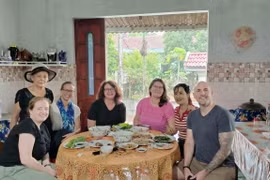
Gong programmes organised with local communities could give visitors a better understanding of highland life and bring income to the people who sustain the tradition.
A martial arts programme could combine Tay Son history, demonstrations and opportunities for visitors to take part.
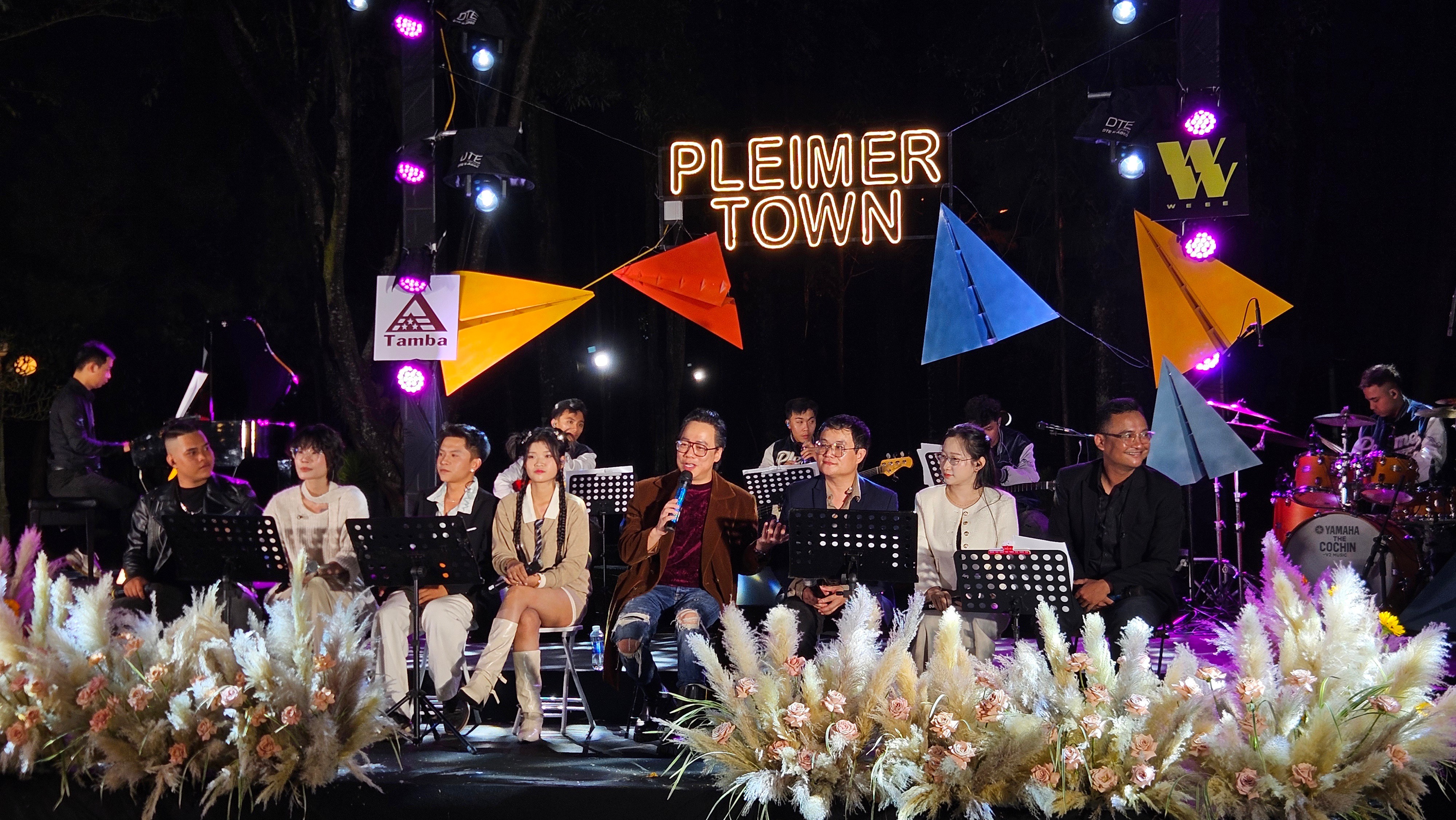
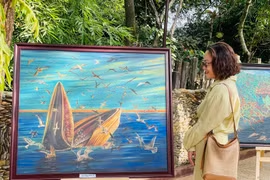
Stories drawn from Champa heritage, village life and the coast could inspire films, music, design and digital products.
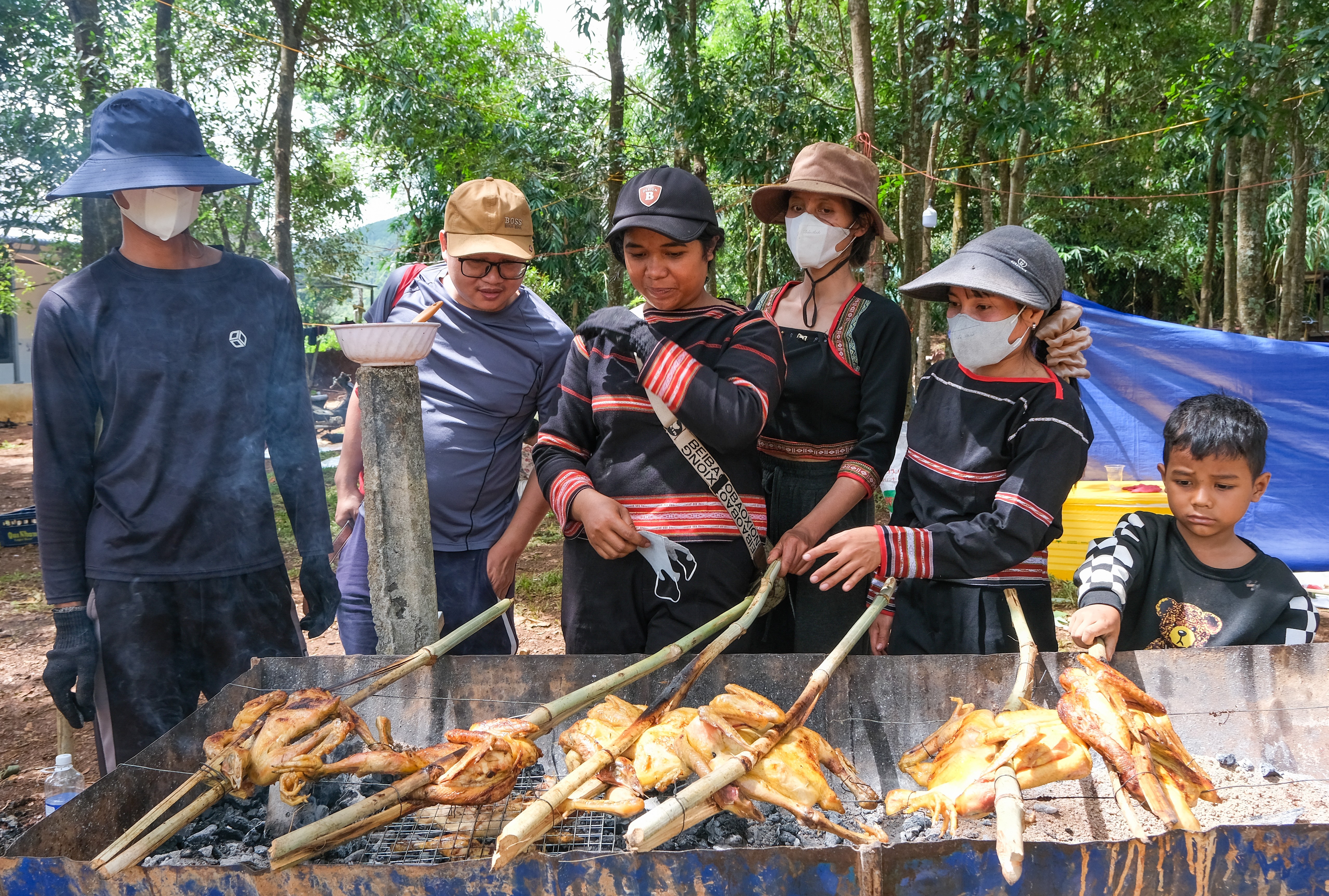
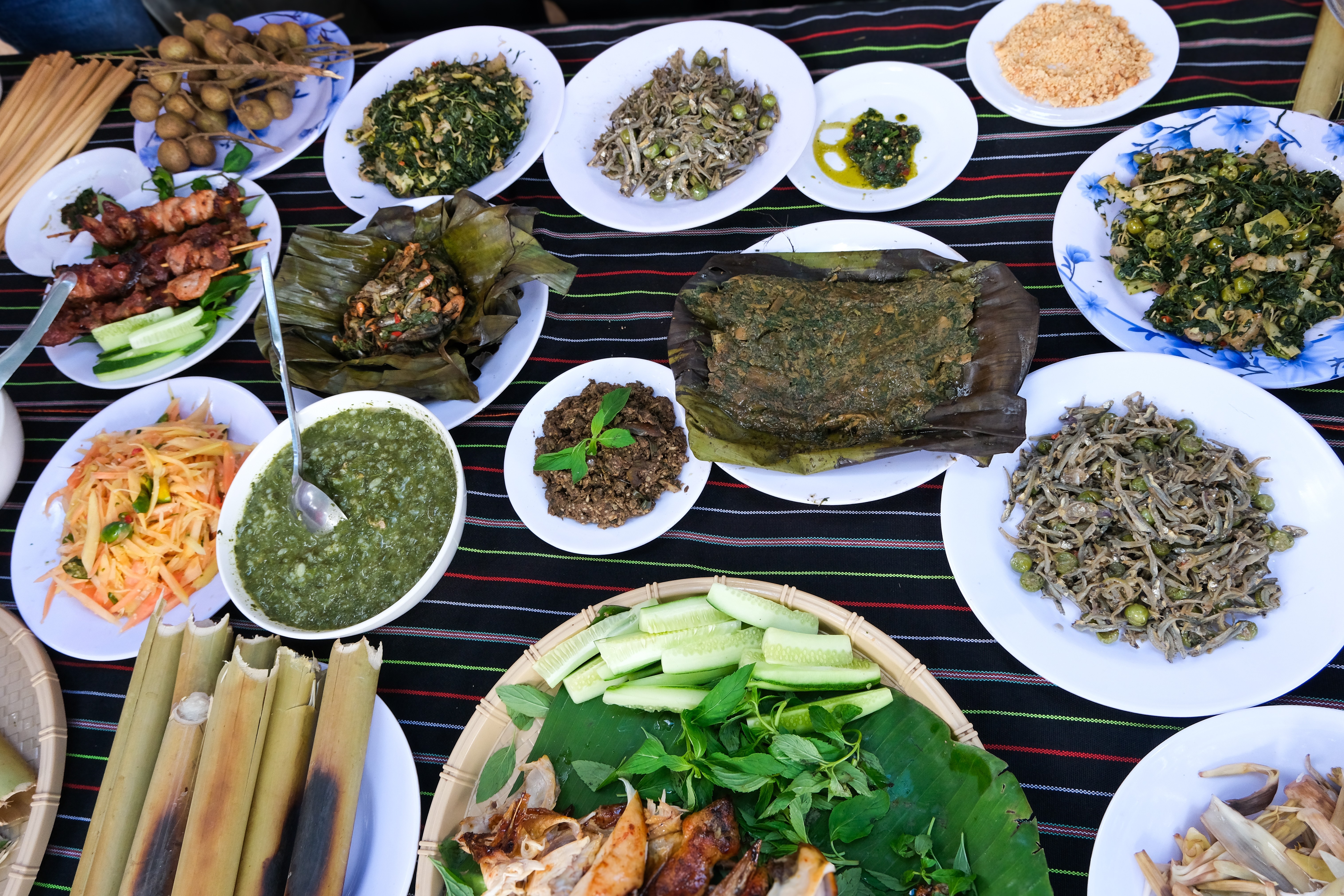
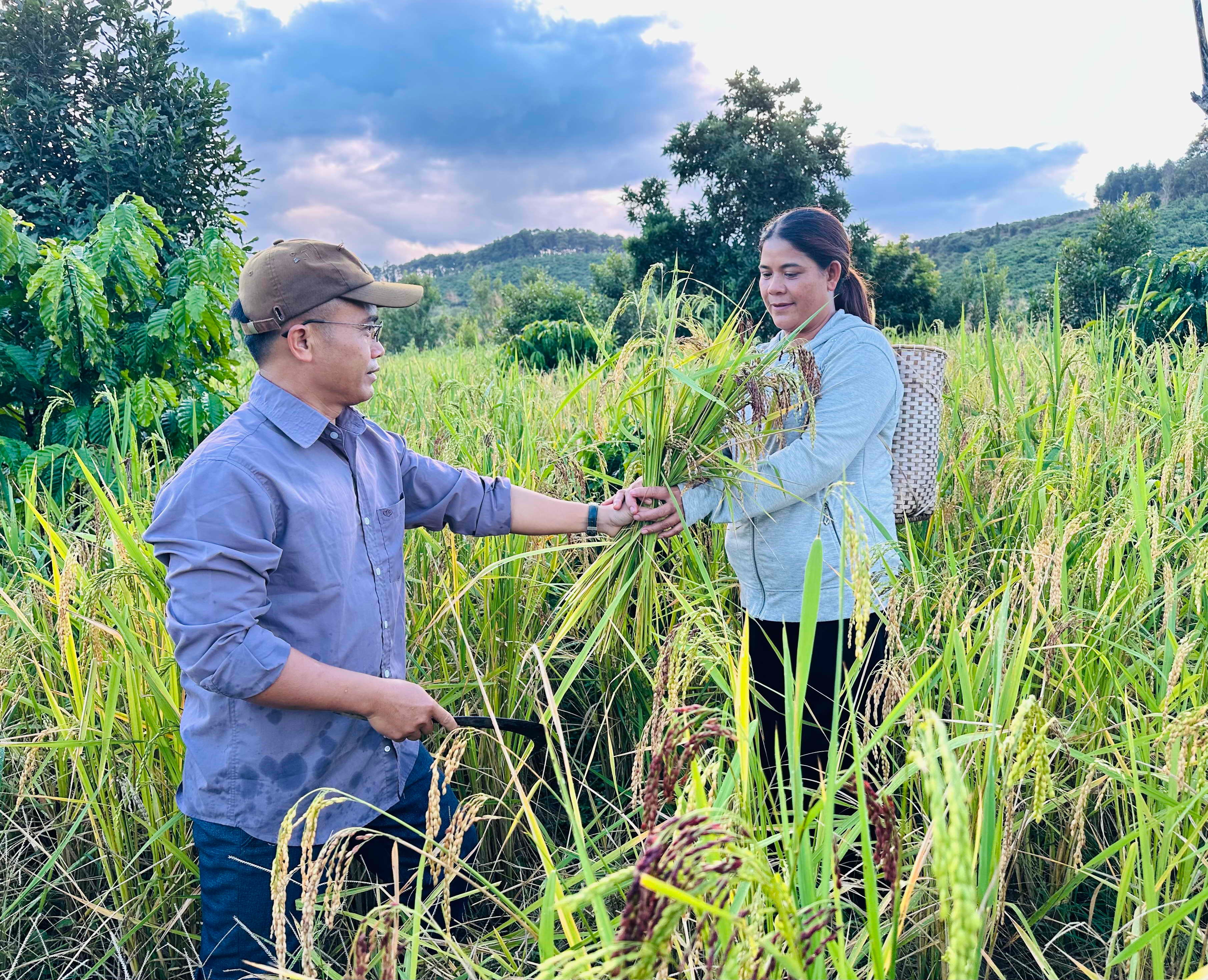
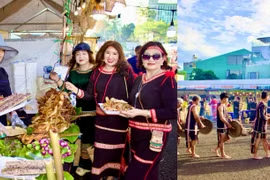
Cuisine offers another route. A local dish can tell visitors about the climate, farming practices and work that went into producing it.
Telling those stories accurately can help give Gia Lai’s food and agricultural products a recognisable identity.
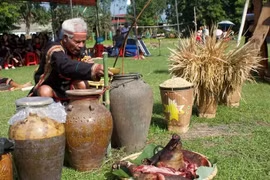
Sacred places and rituals need particular care. Some are unsuitable for tourism or public performance, and revenue alone is a poor measure of their value.
Residents and artisans should help decide what can be shared, benefit fairly from tourism and have the means to keep practising and passing on their traditions.