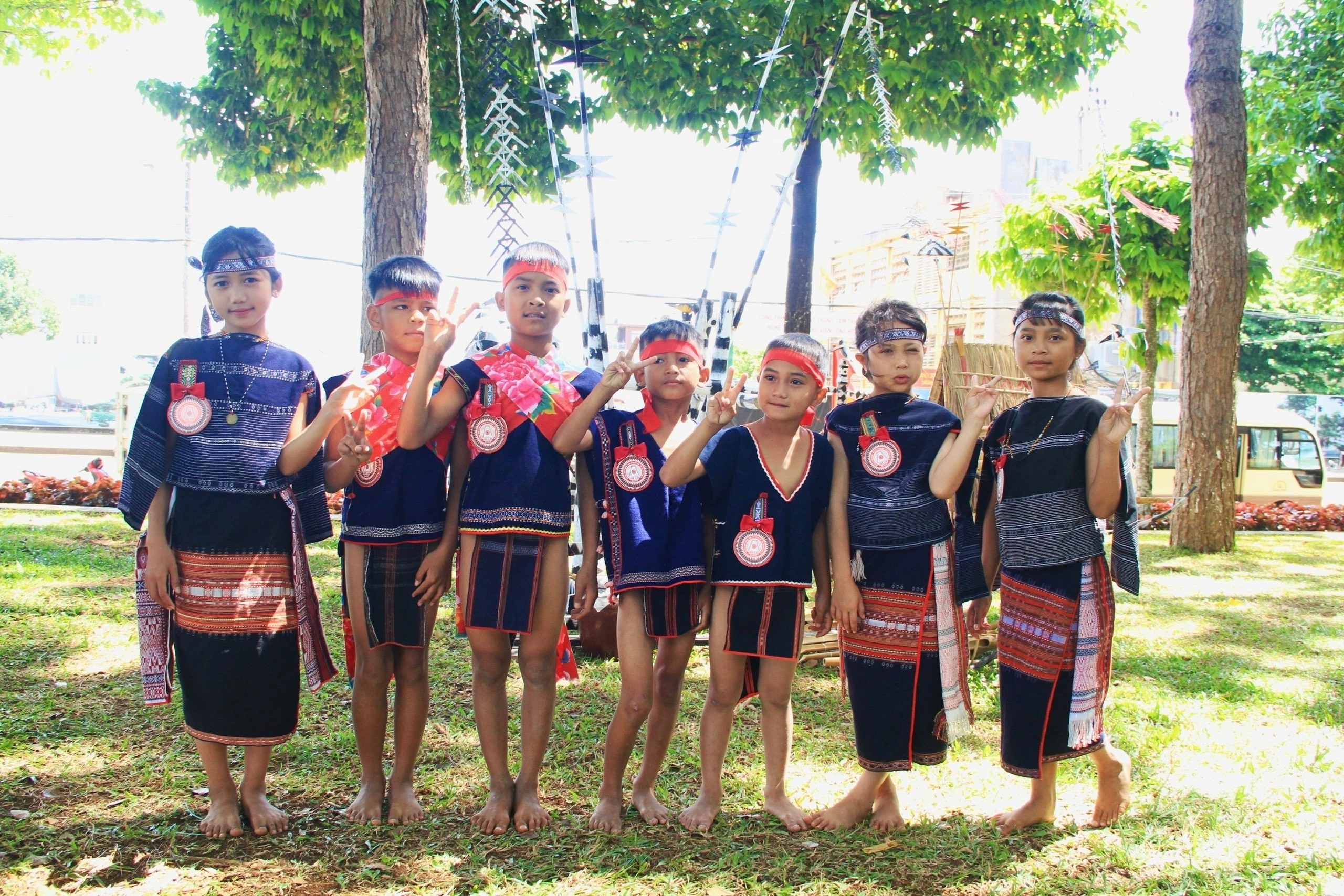
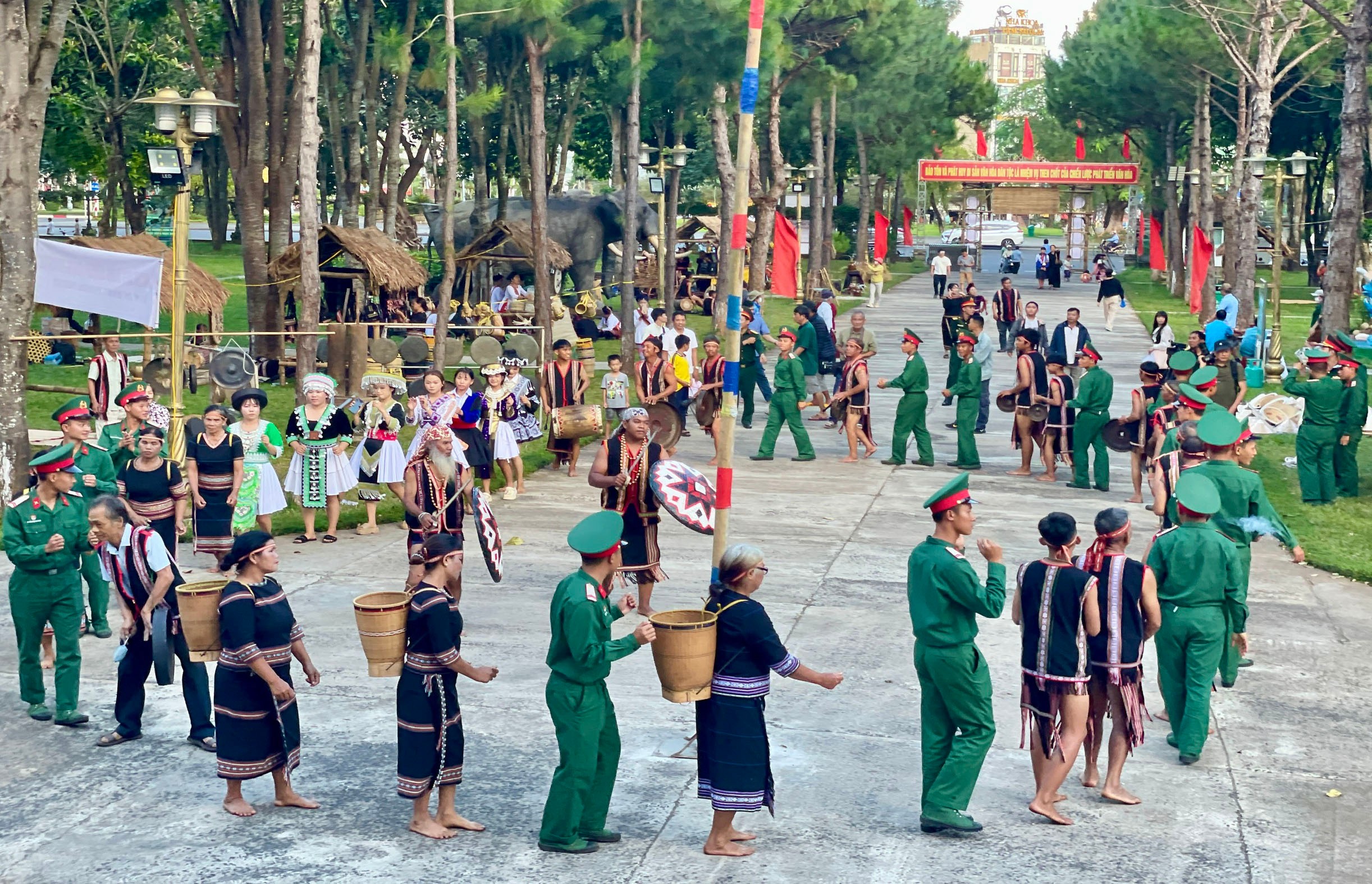
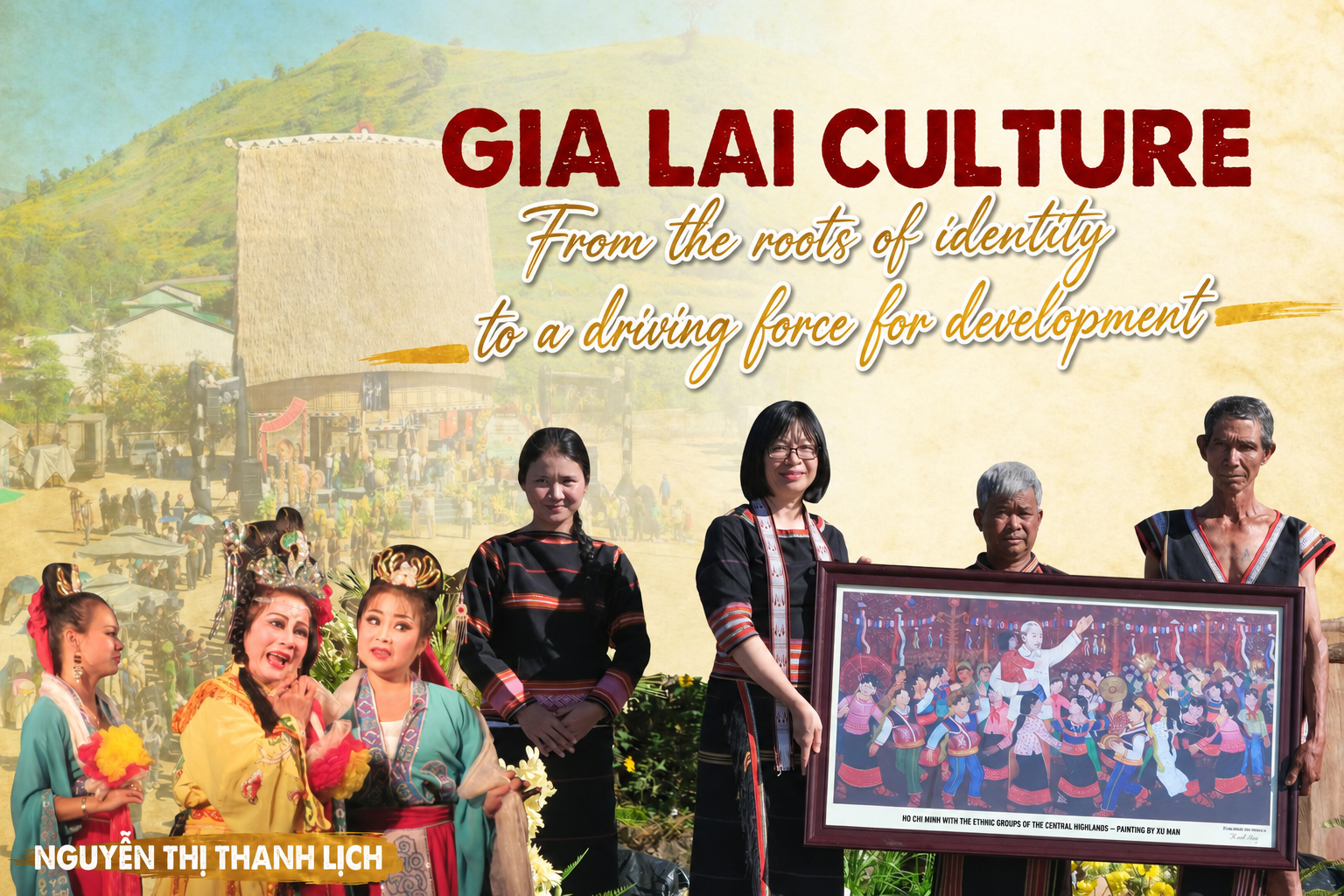
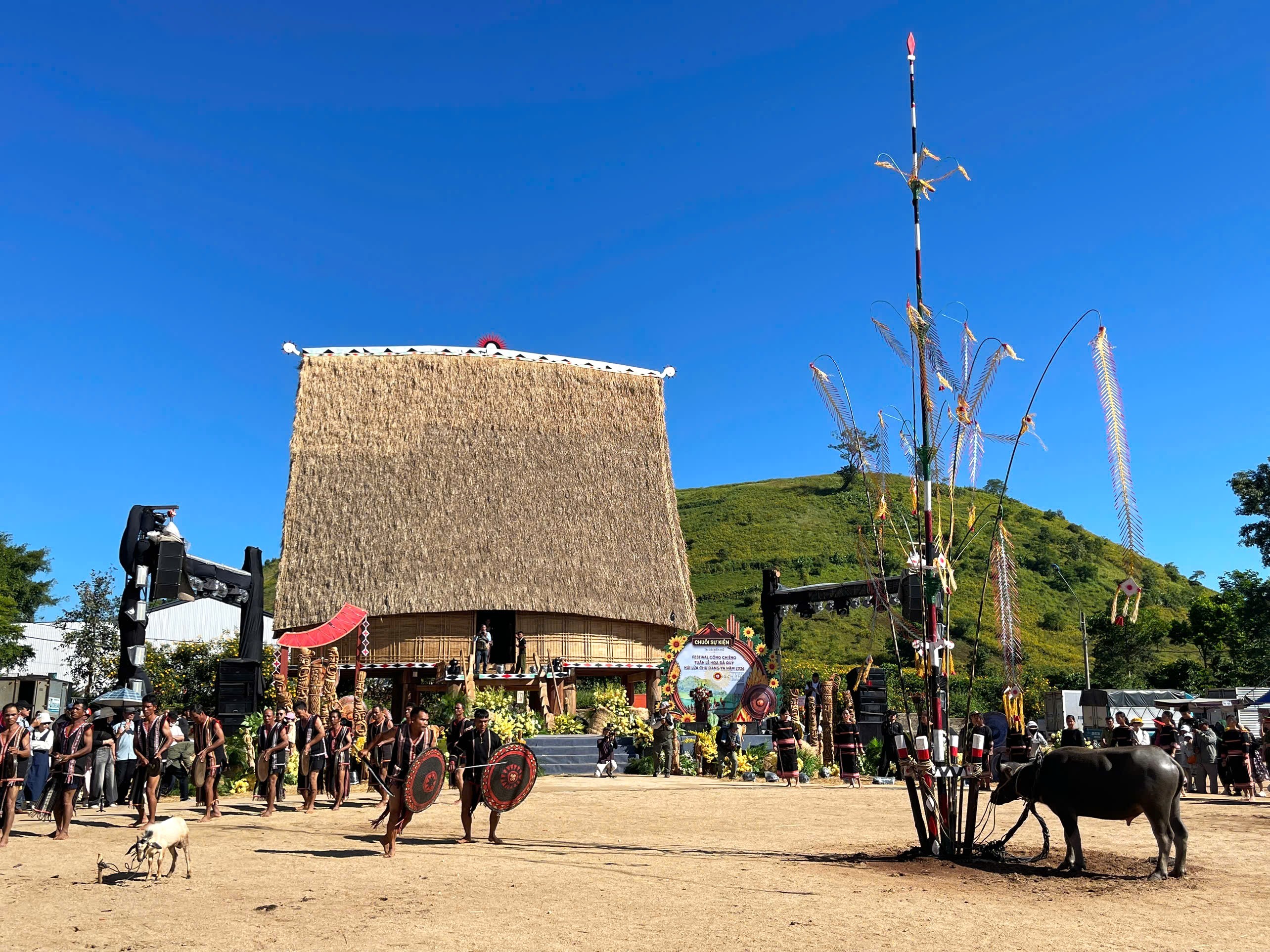
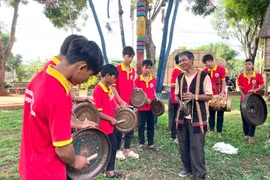
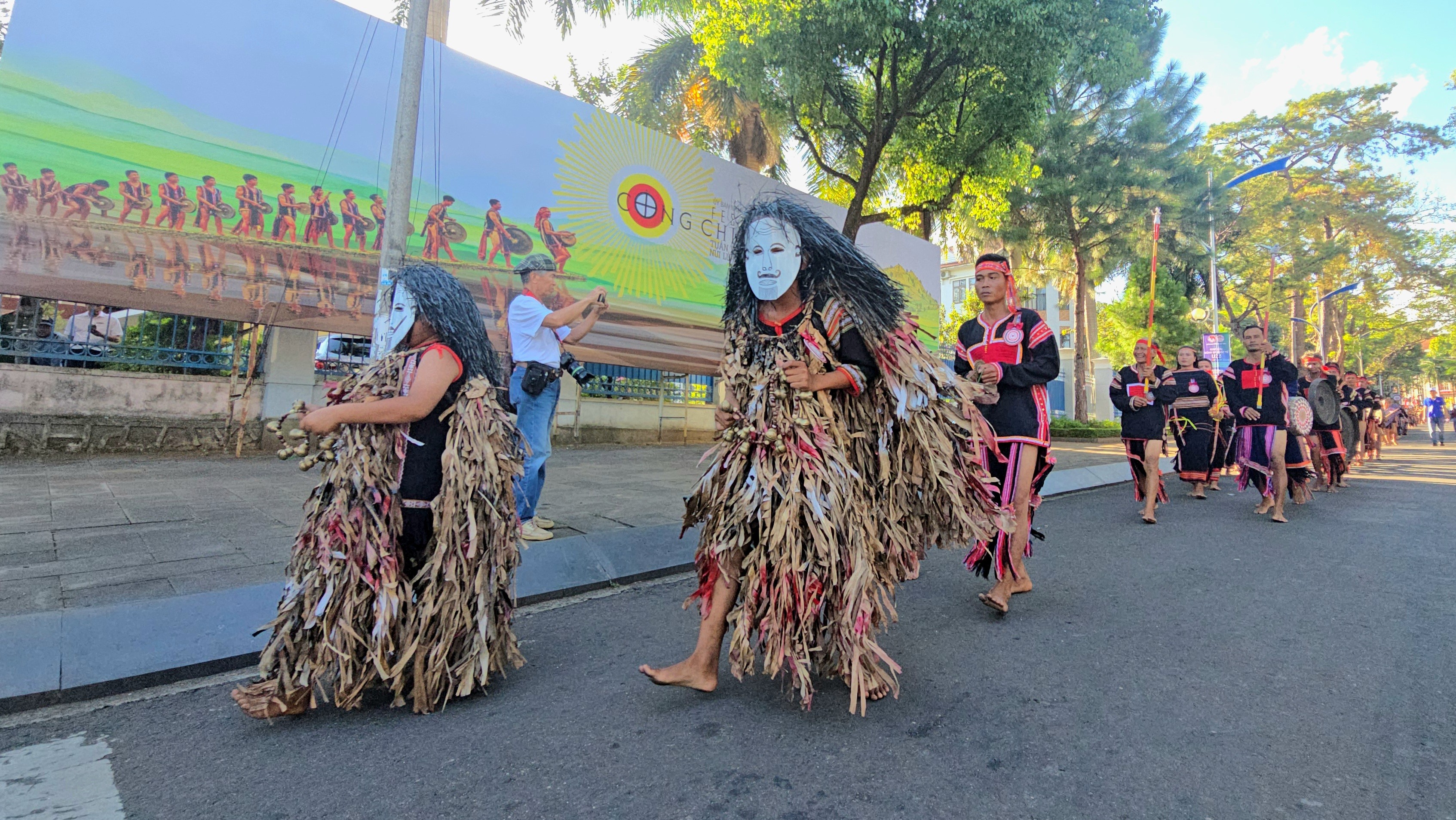
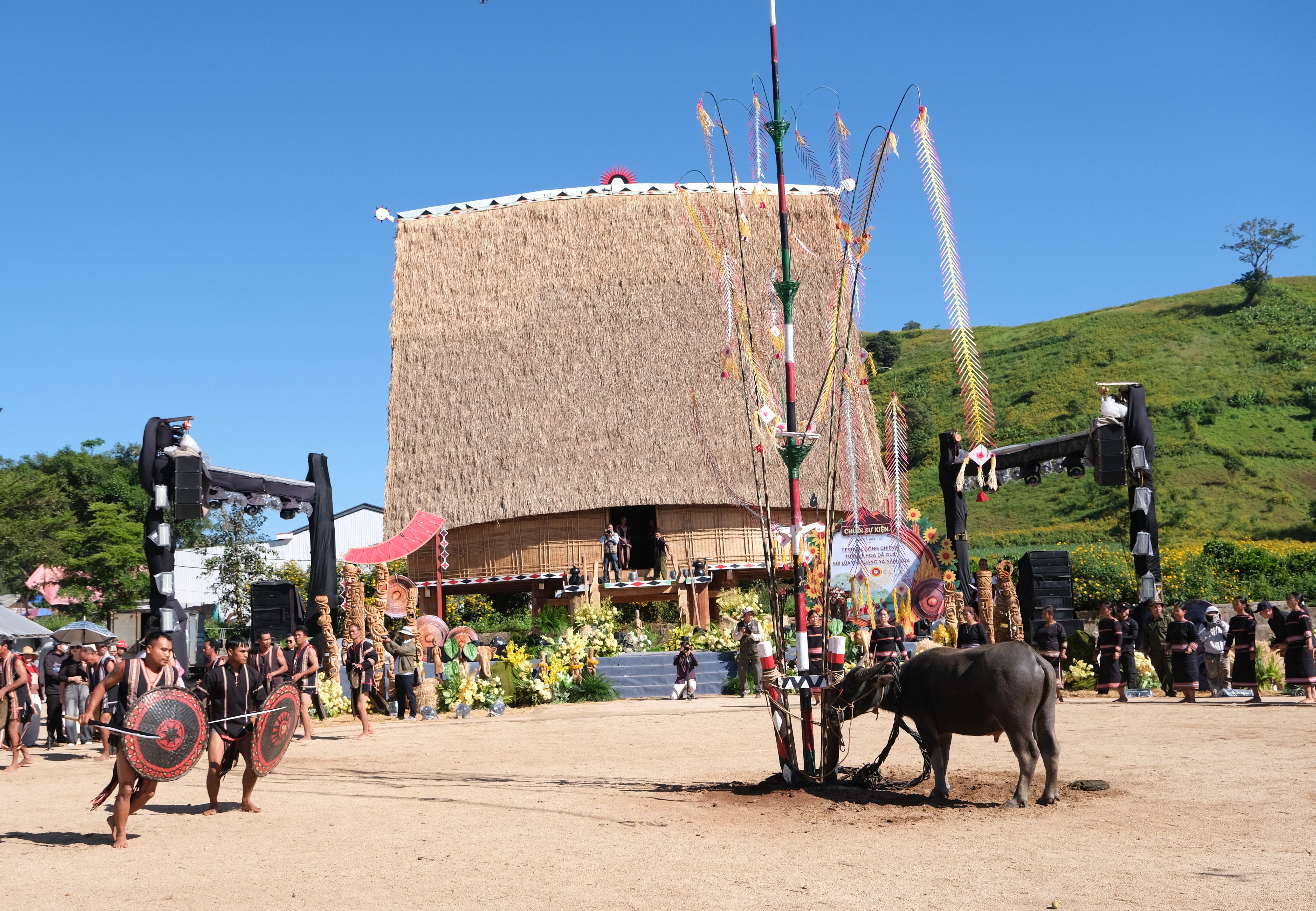
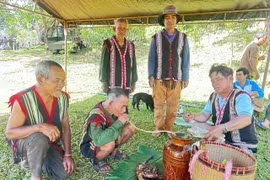
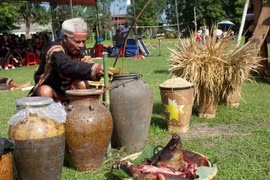
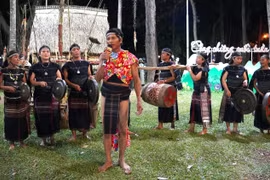
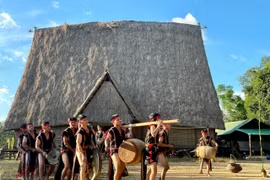
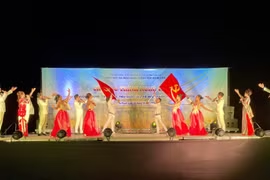
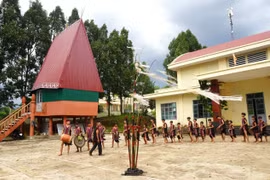
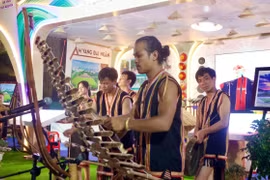
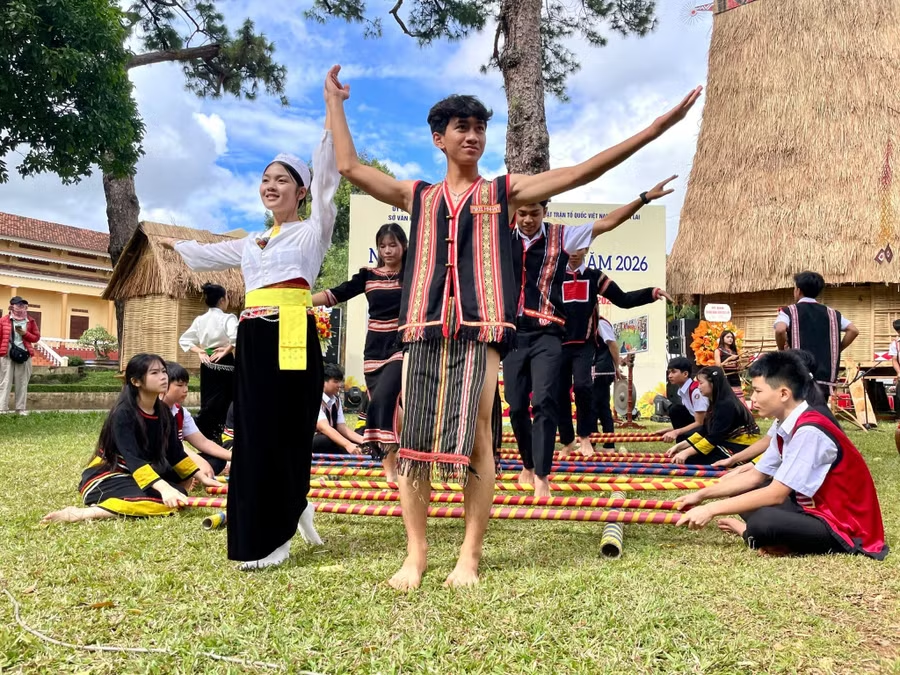
The programme featured gong ensembles, bài chòi folk singing, classical theatre, Tây Sơn war drums and traditional martial arts.
Organised by the Department of Culture, Sports and Tourism, the festival drew 23 troupes from within and outside Gia Lai province.
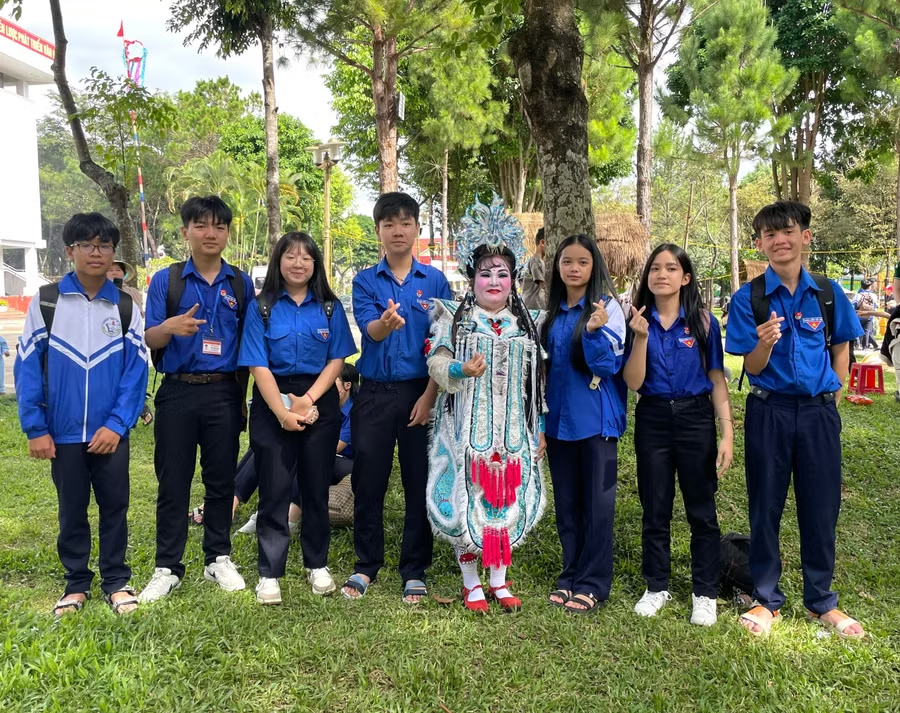
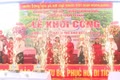
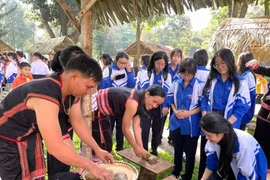
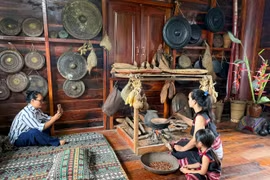
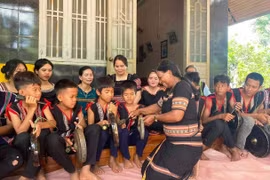
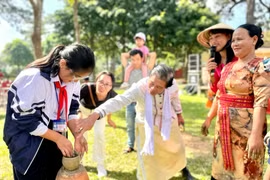
Hundreds of students, residents and tourists joined the opening celebrations and visited areas set up across the museum grounds for performances and hands-on activities.
Pleiku Museum Director Lê Thanh Tuấn said the programme showcased traditions from among Gia Lai’s 47 ethnic groups and gave communities a chance to meet and share responsibility for preserving their heritage.
Artisans from the Phước Kiều bronze-casting village in Da Nang took part for the first time.
They cast and tuned gongs on site, showing visitors how the instruments are made and tracing their journey from the lowlands to the highlands over centuries.
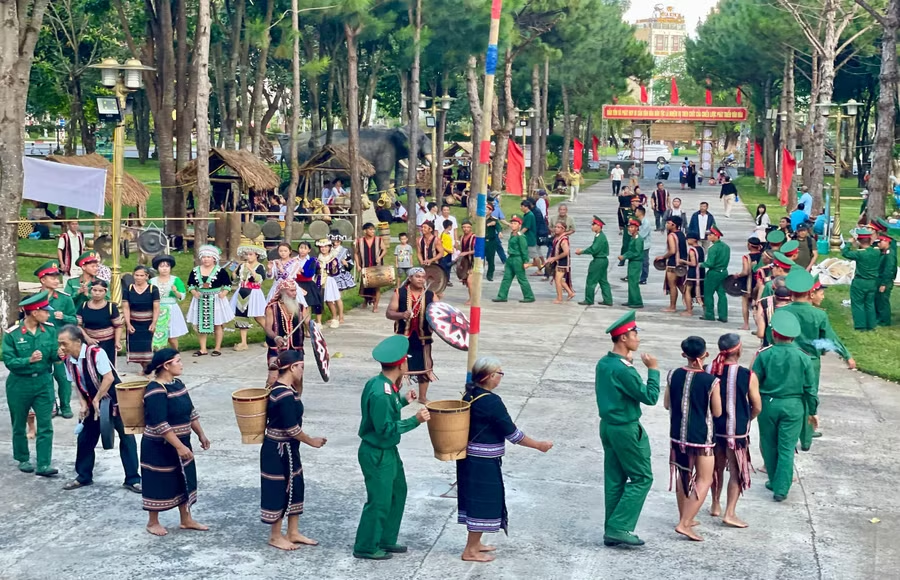
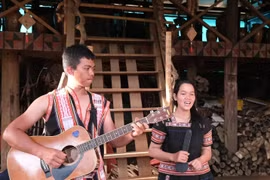
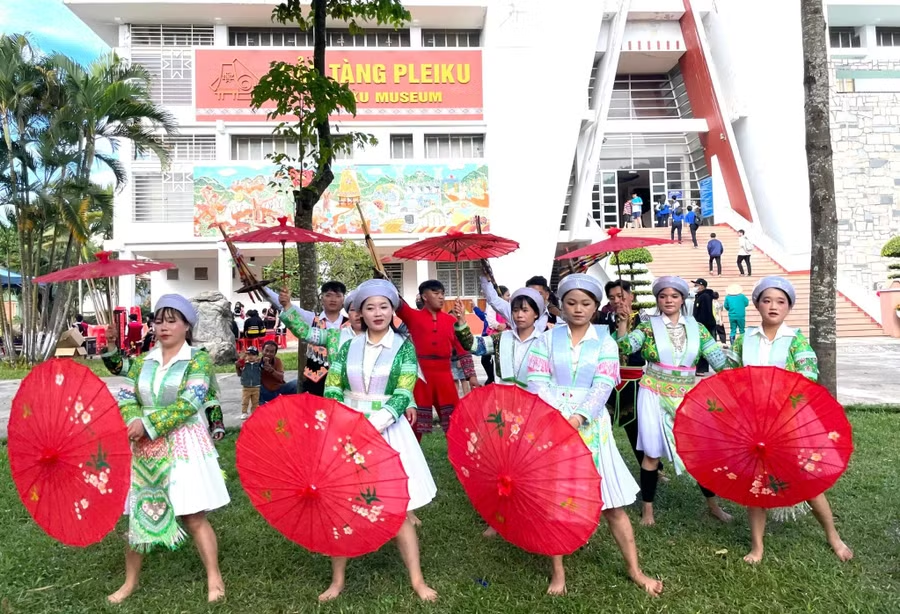
The programme featured gong traditions of the Bahnar, Jrai and Chăm H’roi communities, Mông khèn dances and flute music, and then singing accompanied by the đàn tính of the Tày and Nùng. It also included water puppetry and hát bội, a form of classical theatre also known as tuồng.
Meritorious Artisan Nguyễn Phú, who heads the Tuy Phước Commune Folk Bài Chòi Club, performed lyrics he had written about Gia Lai’s coastal and highland identities, weaving references to seafood and coffee into a song inviting audiences to enjoy bài chòi and hát bội.
Meritorious Artisan Lệ Hoa of the Tuy Phước Commune Hát Bội Club said visitors used all 100 blanks she had brought for mask painting in a single session.
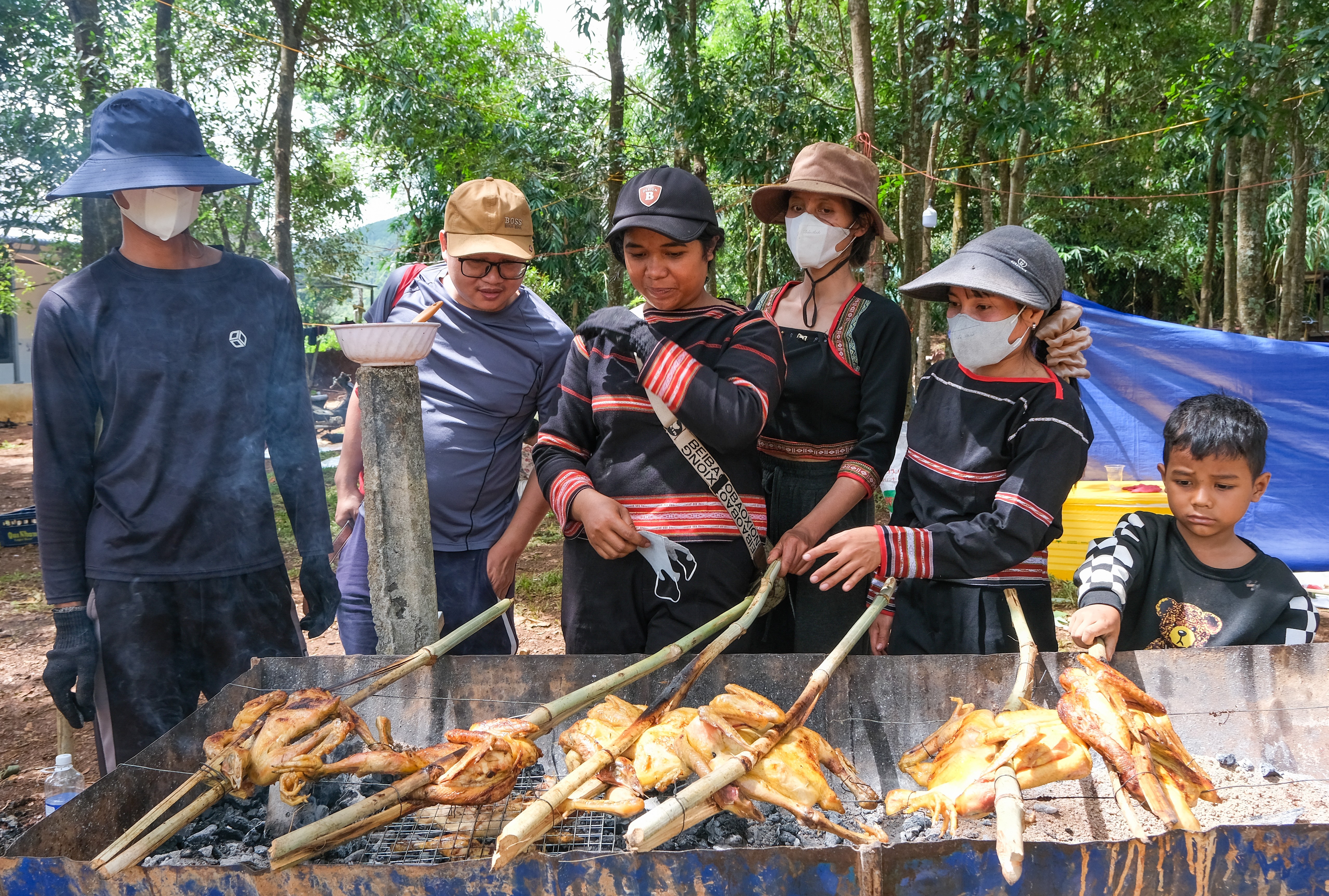
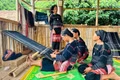
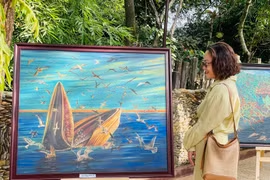
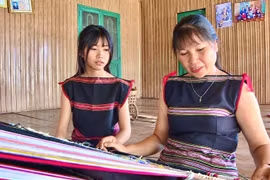
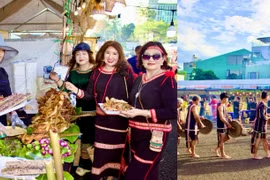
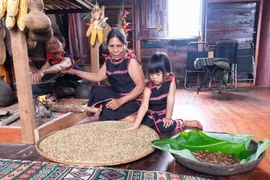
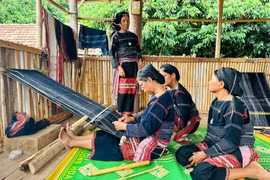
Craft demonstrations included bamboo weaving, wood carving, brocade weaving, pottery, Phú Gia horse hat making and Đông Hồ folk painting. Visitors could also make tò he figurines, try calligraphy, attend tea ceremonies and explore an exhibition on the áo dài.
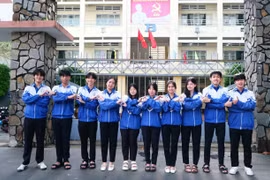
Lê Lợi High School brought 187 tenth-grade students to the festival to mark Vietnam Cultural Heritage Day on November 23 and Vietnam Culture Day on November 24.
The school’s Youth Union secretary, Lê Thị Anh Đào, said the trip gave students a chance to try traditional crafts and meet the people keeping them alive.
Trần Thiên Phúc, a tenth-grader at Hùng Vương High School for the Gifted, said he had researched local heritage for a school competition before attending the festival.
He said the programme stood out for bringing together traditions from the mountains and the coast following Gia Lai’s merger.
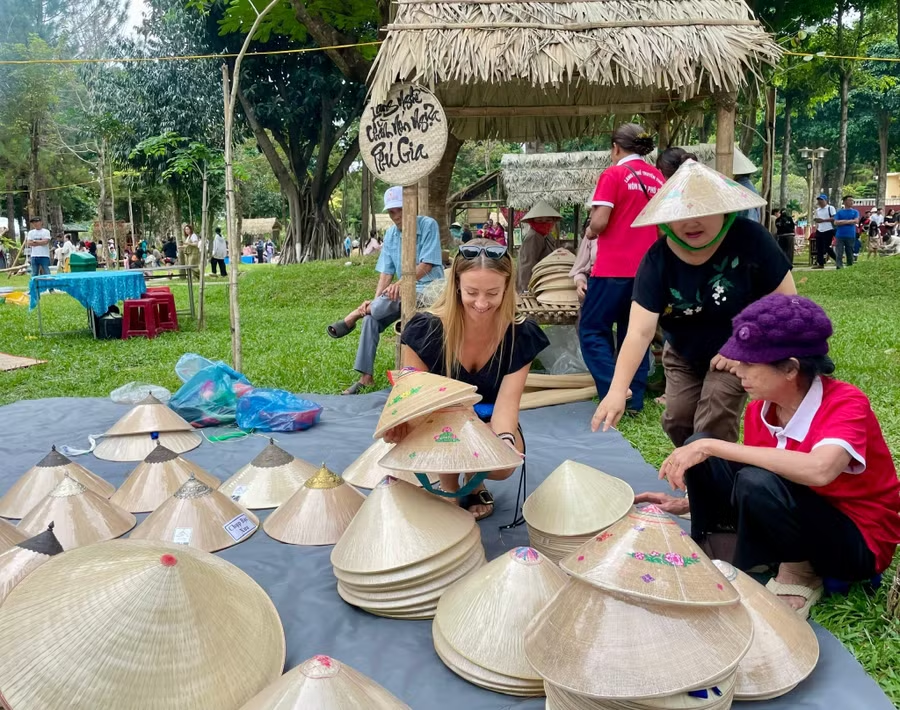
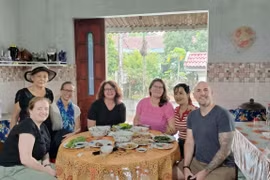
Polish visitor Paula Ostalska watched a gong being cast, met Phú Gia horse hat makers and saw Mông performers sing and dance.
She said seeing the work firsthand helped her understand how communities have kept their traditions alive.