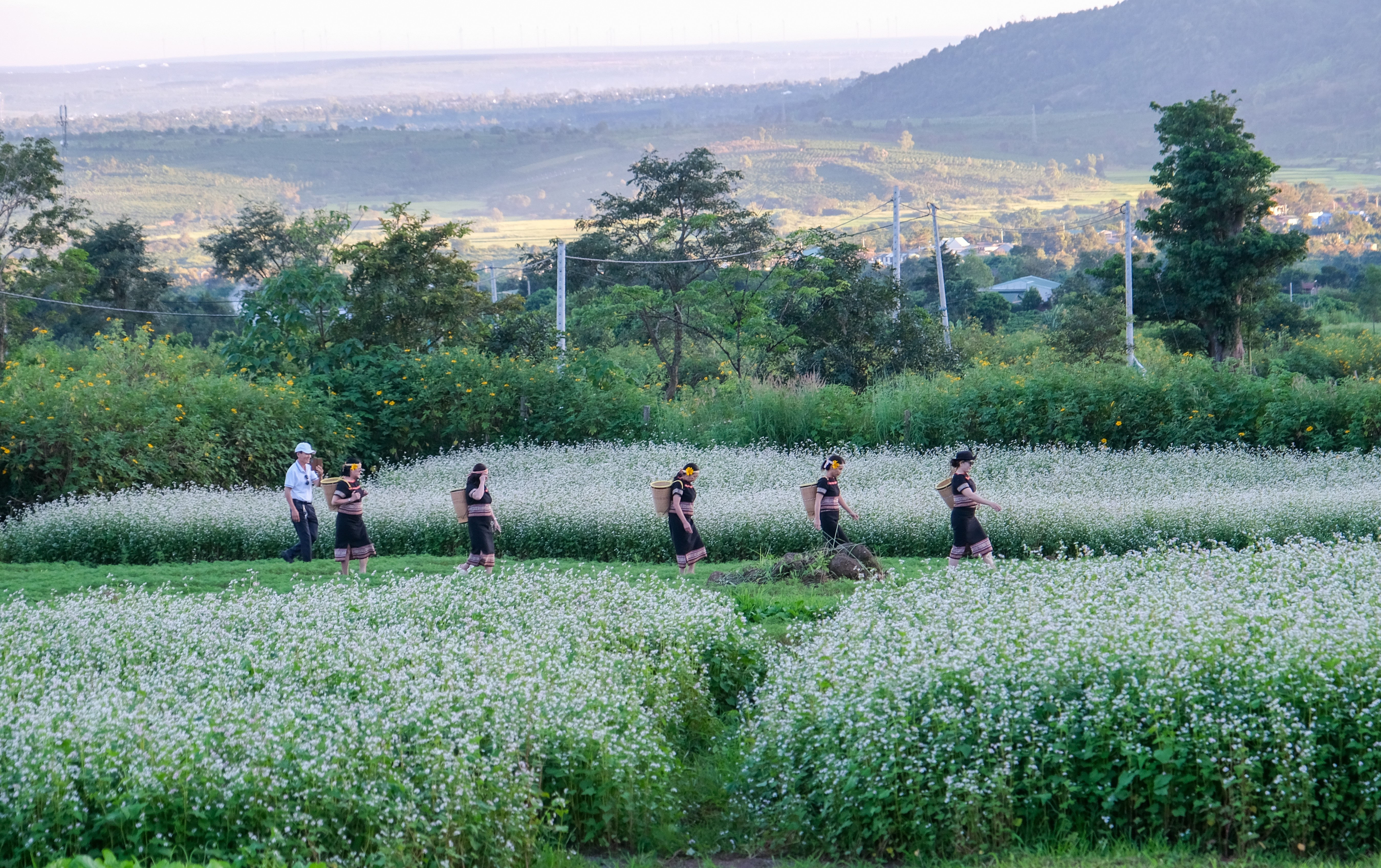
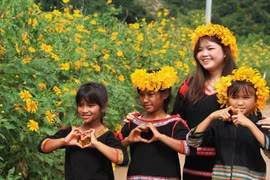
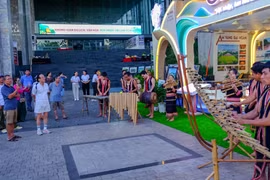
The ceremony took place on the morning of October 31 in Bien Ho commune, as part of the Gong Festival - Wild Sunflower Week - Chu Dang Ya Volcano 2026, bringing together local residents, officials, researchers and domestic and international visitors.
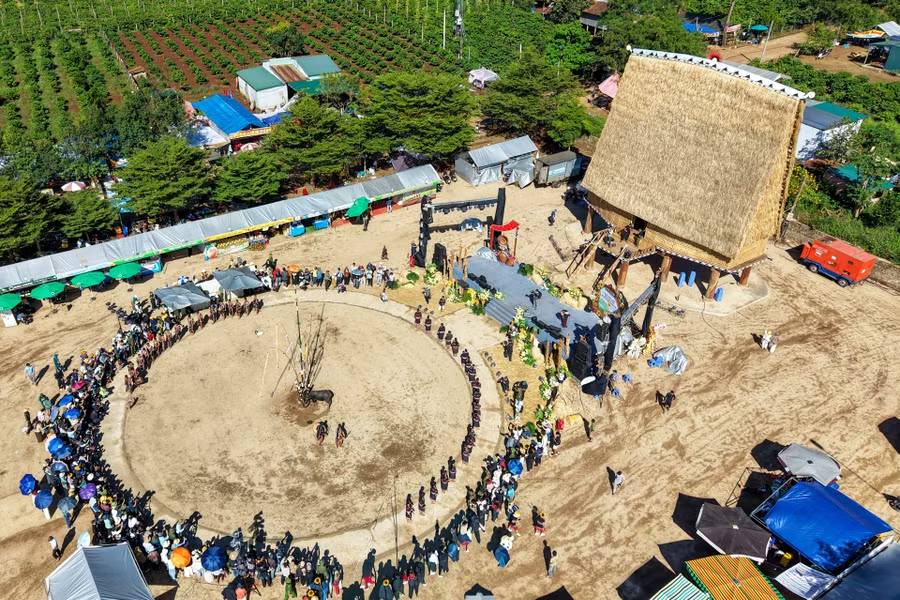
Organized by the provincial Department of Culture, Sports and Tourism in coordination with the Bien Ho Commune People's Committee, the event was conducted under the guidance of village elders and the Jrai community.
Among those attending were Nguyen Thi Thanh Lich, Vice Chairwoman of the Gia Lai Provincial People's Committee and head of the festival's organizing committee, and cultural researcher Bui Trong Hien from the Vietnam Institute of Culture, Arts, Sports and Tourism.
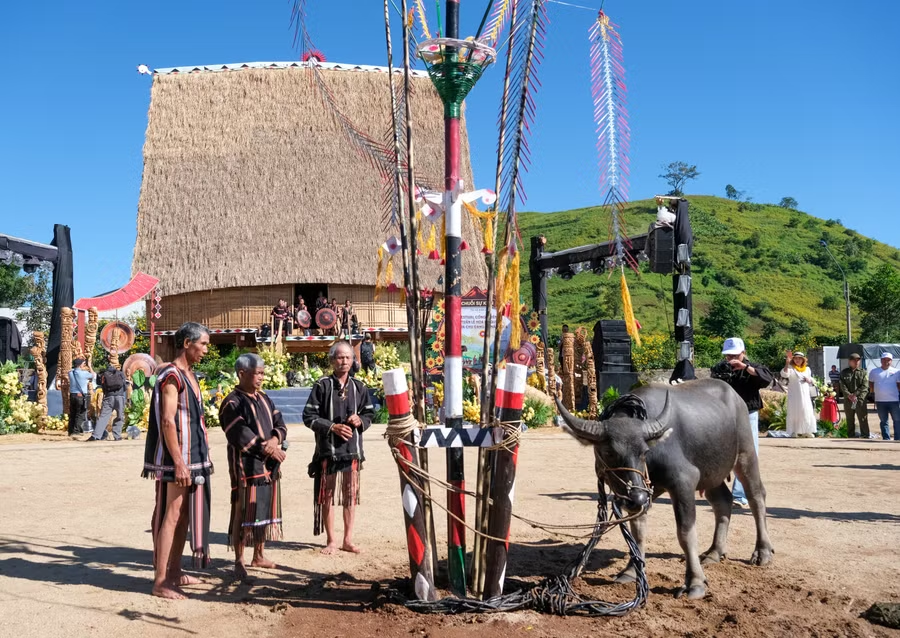
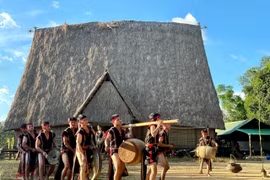
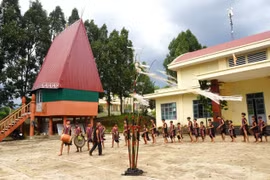
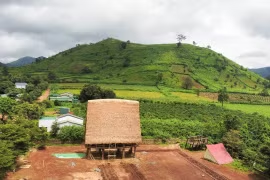
The new communal house was built with financial support from the provincial government and contributions from local residents. Its completion marks an important milestone for the village, providing a space to preserve and pass on the Jrai people's cultural traditions.
For the Jrai community, the communal house, known as nha rong, is more than an architectural structure. It serves as the spiritual and cultural heart of the village, where residents gather to discuss community affairs, share experiences and maintain customs across generations.
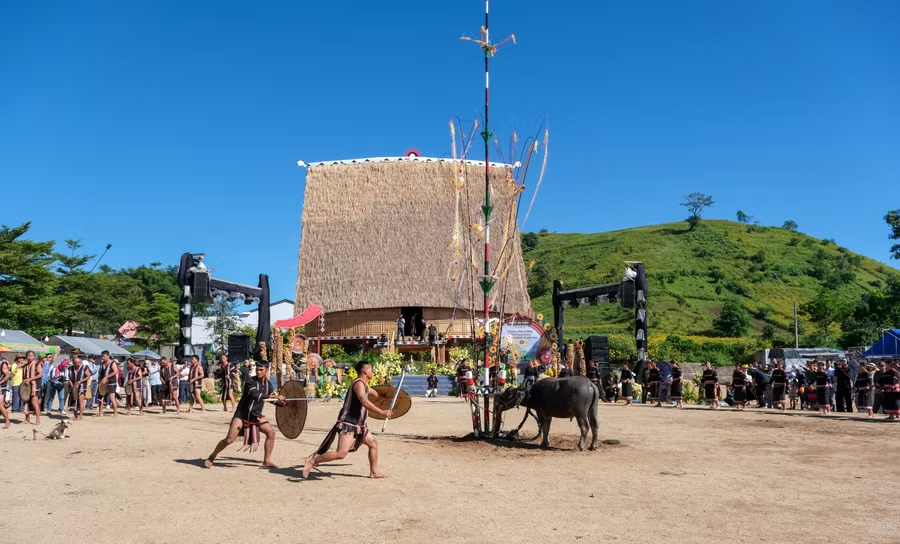
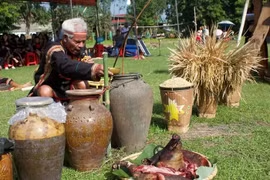
According to tradition, the completion of a new communal house is marked by a ceremony offering thanks to the Yang, or deities, and prayers for peace, prosperity and favorable harvests.
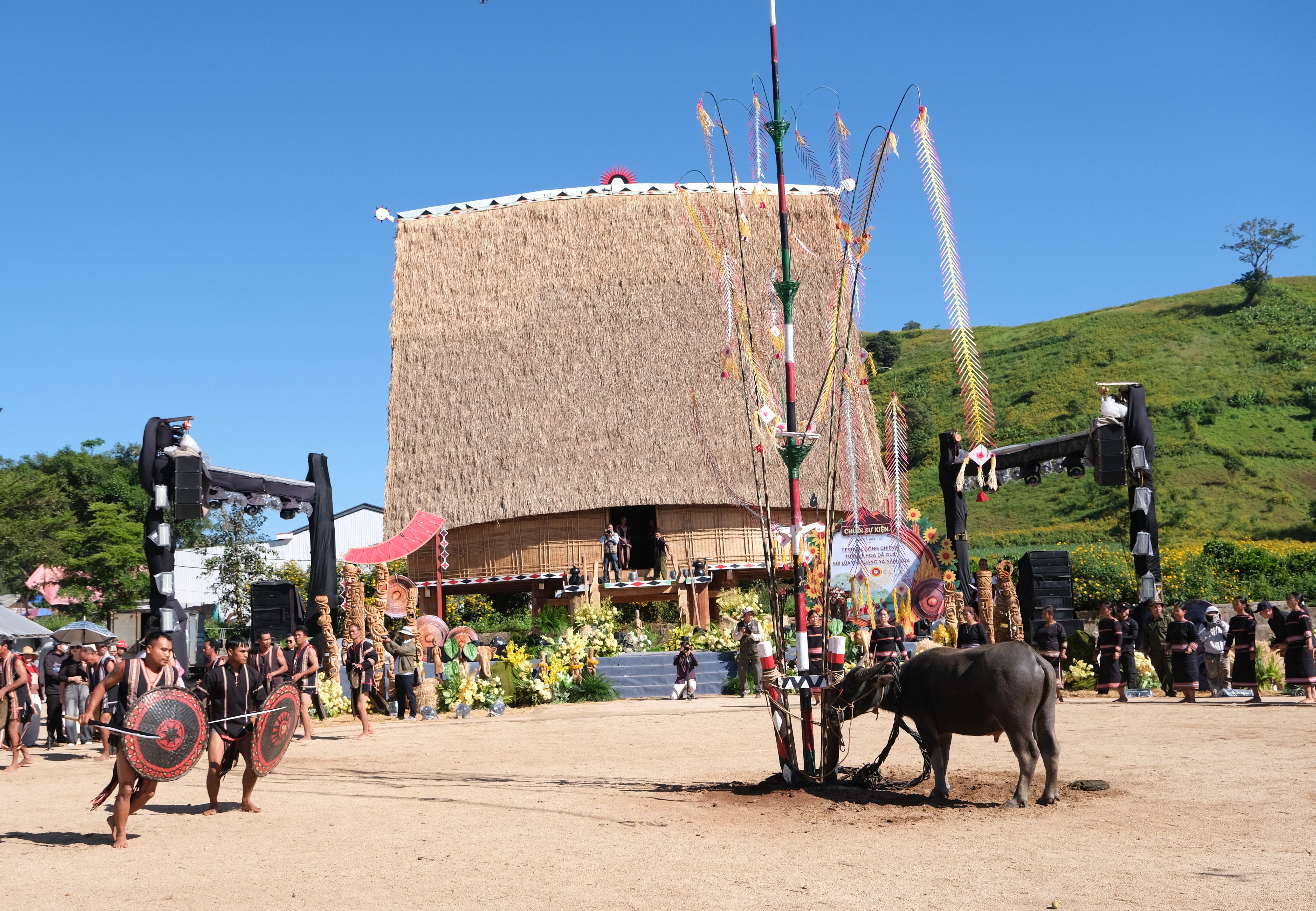
On the eve of the main ceremony, villagers performed the traditional custom known as "crying for the buffalo", expressing their feelings toward the animal selected for sacrifice. The practice reflects the community's spiritual beliefs and respect for the sacrificial ritual.
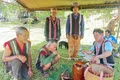
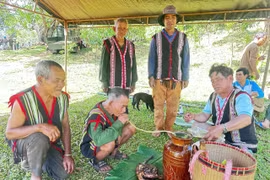
During the ceremony, village elders and respected community members stood before the communal house to invite the Yang to witness the proceedings.
Their prayers called for the building to remain strong and peaceful, villagers to live in harmony, the elderly to enjoy good health, children to be safe, and crops and livestock to prosper.
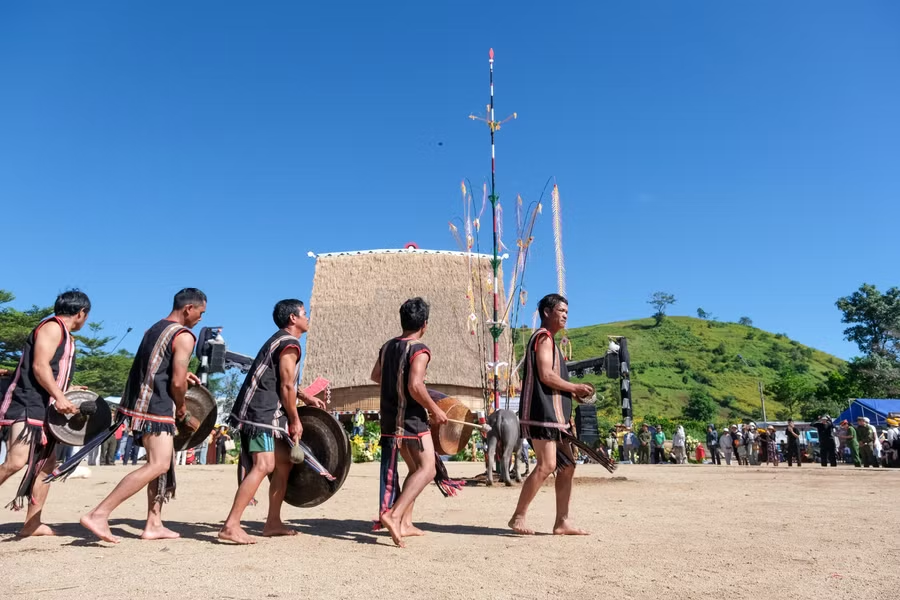
The traditional new communal house celebration includes a buffalo sacrifice, an important spiritual ritual. However, at the Ia Gri event, the buffalo-stabbing ceremony was recreated as a demonstration and was not actually performed.
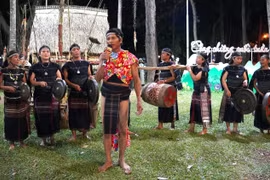
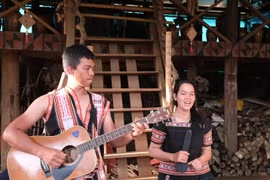
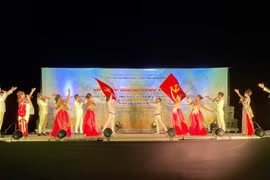
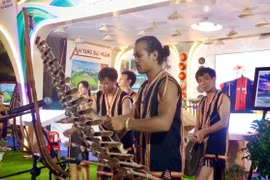
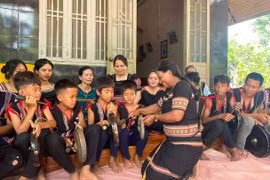
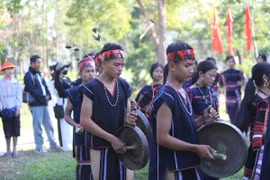
Following the prayers, gongs and chimes rang out across the communal house grounds. Young men performed traditional shield dances, while villagers joined in gong performances and xoang dancing, creating a lively atmosphere that brought together solemn ritual and communal celebration.
Speaking at the event, Vice Chairwoman Nguyen Thi Thanh Lich described the communal house as the soul of the village, serving as a gathering place where people share their joys and difficulties, discuss common affairs and preserve their cultural identity.
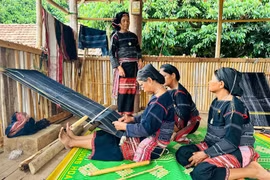
She acknowledged the contributions of village elders, artisans and residents to the construction of the new building, emphasizing that cultural heritage lives not only in physical artifacts but also in gong music, xoang dances, traditional craftsmanship and everyday community practices.
She also stressed the importance of local people taking the lead in preserving and passing on their traditions to younger generations.
Provincial leaders expressed hope that the new cultural space would help Ia Gri develop sustainable community-based tourism, promoting the distinctive values of Jrai culture while creating additional livelihoods for local residents.

They emphasized that preservation efforts should remain rooted in the community, ensuring that the communal house, gong performances and traditional rituals retain their original cultural and spiritual significance rather than becoming activities staged solely for tourists.
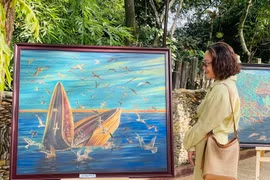
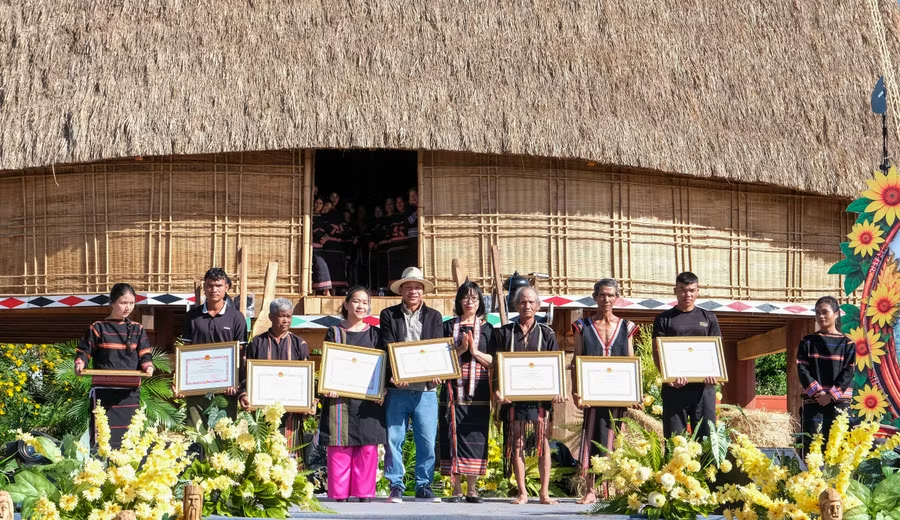
During the event, the Gia Lai Provincial People's Committee presented Certificates of Merit to two groups and six individuals in recognition of their contributions to the construction of the communal house. Two paintings by artist Xu Man were also donated for display inside the building.
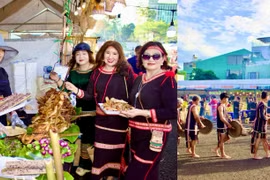
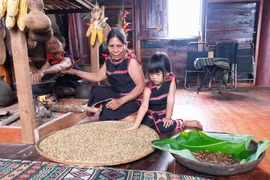
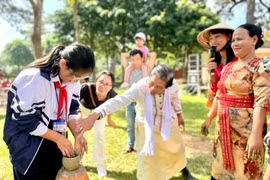
After the formal ceremony, residents and visitors shared traditional dishes and took part in gong and xoang dance exchanges. Food prepared from the sacrificial offerings was shared among community members as part of the celebrations.
The reconstruction of the traditional new communal house ceremony was among the cultural activities organized in response to the Gong Festival – Wild Sunflower Week – Chu Dang Ya Volcano 2026, contributing to efforts to preserve and promote Jrai cultural heritage while offering visitors a closer look at the traditions of Gia Lai's Central Highlands communities.