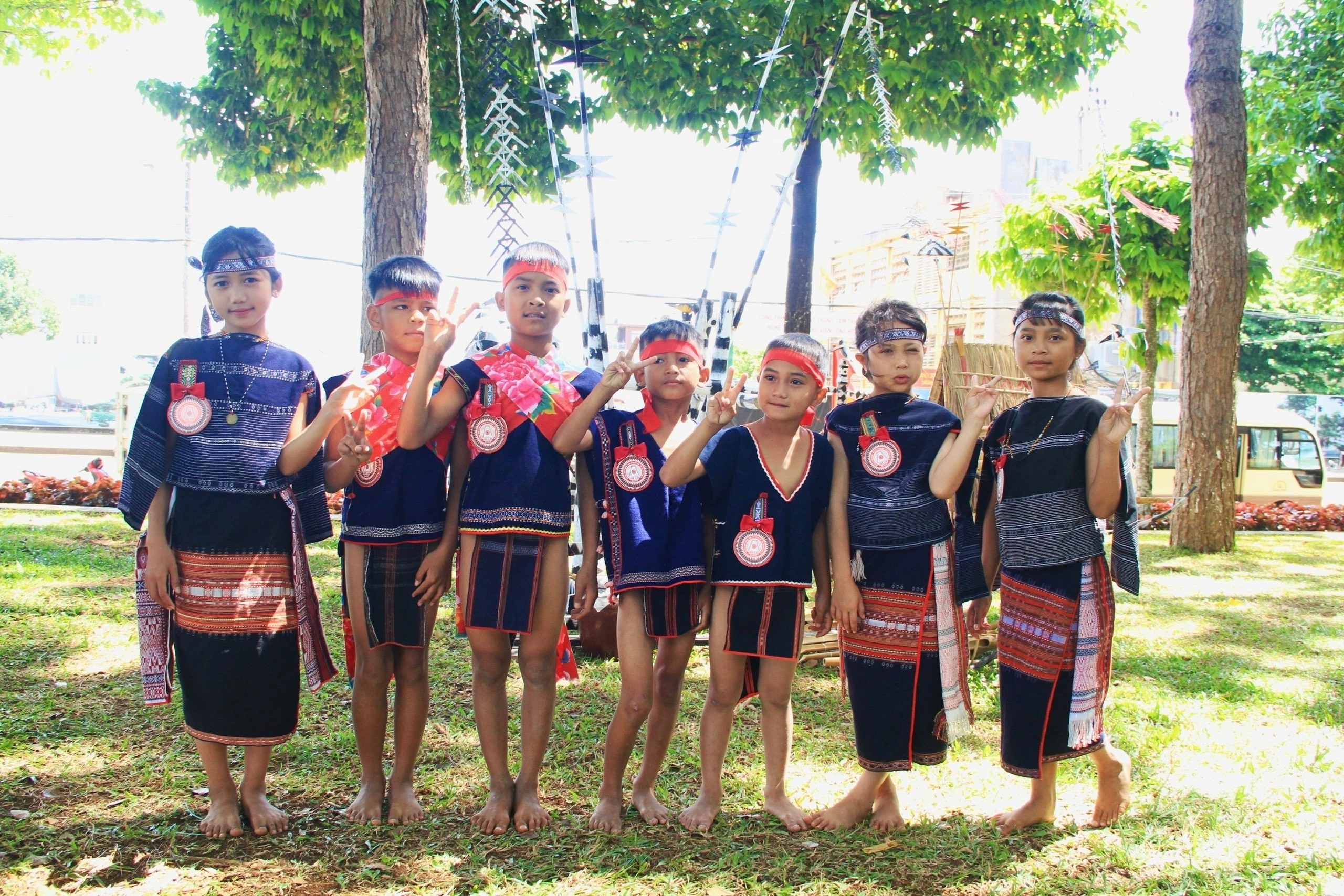
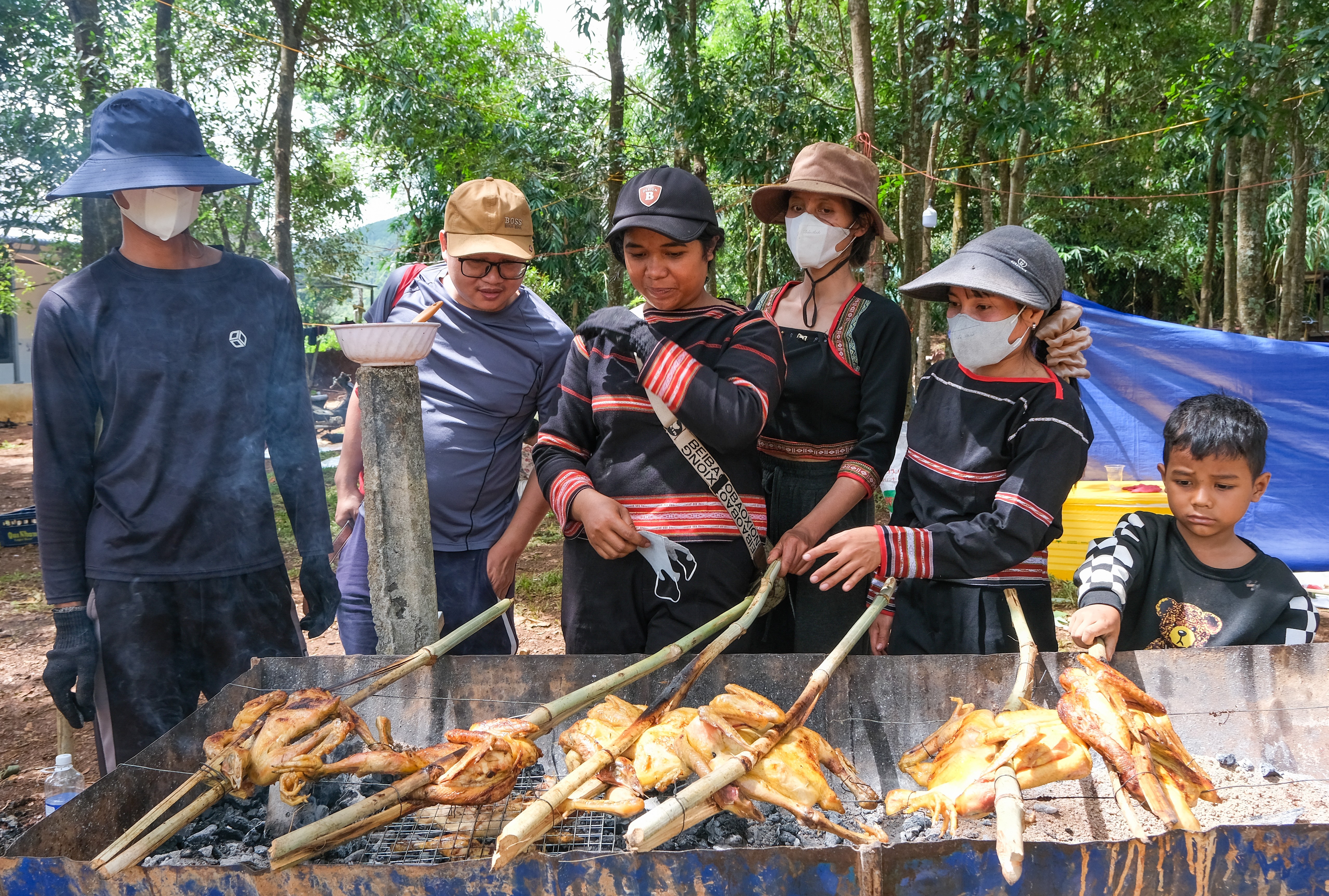
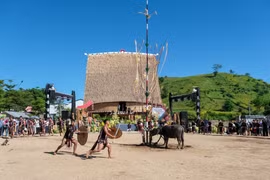
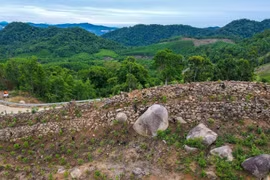
Amid the forests of Vietnam’s Central Highlands, traditional rong (communal) houses continue to stand as symbols of communal strength, cultural identity and spiritual life.
From the Bahnar Kriêm community in Kon Blo to the Jrai people in Ia Gri, these distinctive communal structures are being rebuilt through collective effort, sustaining traditions passed down through generations.
In Kon Blo village, Vĩnh Sơn commune, the construction of a new rong house in 2019 brought the community together in a vivid demonstration of solidarity.
Men worked to saw timber, erect pillars and join beams, while women gathered firewood, collected vegetables and prepared communal meals. Each villager contributed to building what would become the shared home of the community.
“The pillars are up! The village will drink rice wine and play the gongs,” village elder Đinh Hú recalled.
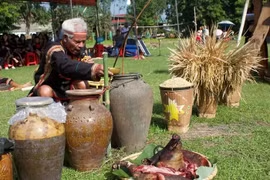
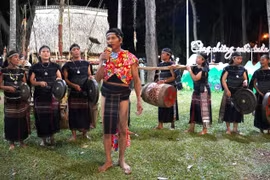
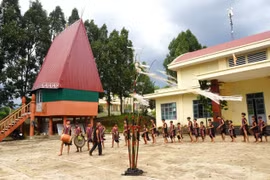
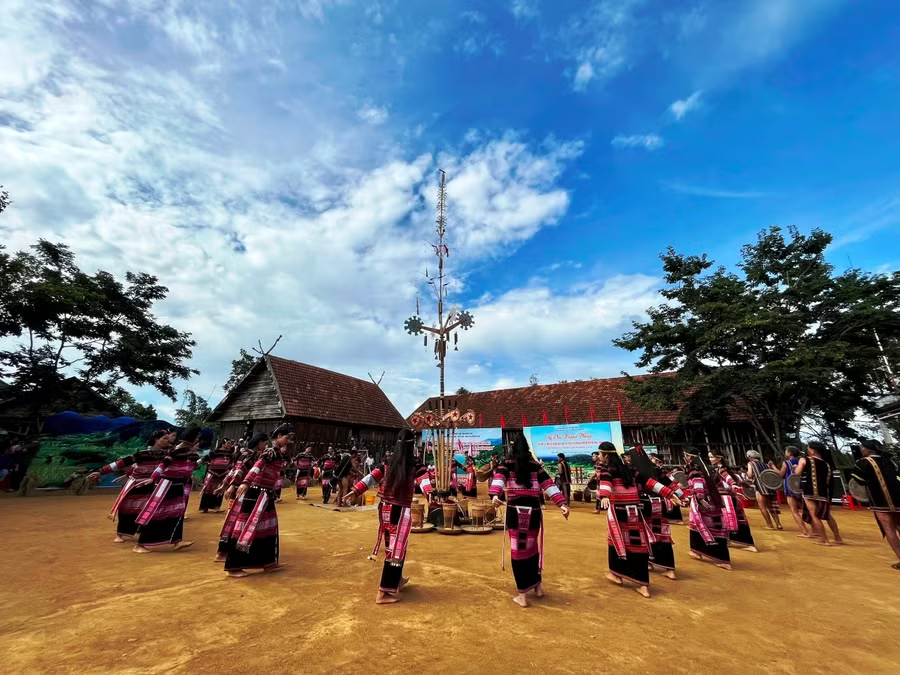
The completion of the structure was accompanied by gong performances, rice wine and the rhythmic movements of the traditional xoang dance.
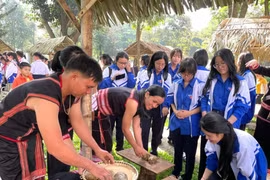
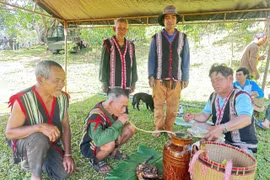
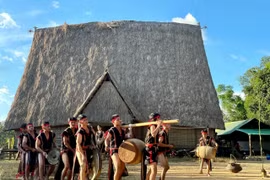
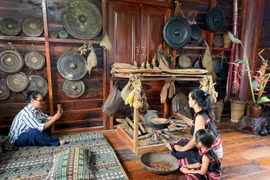
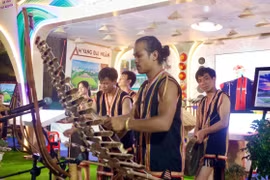
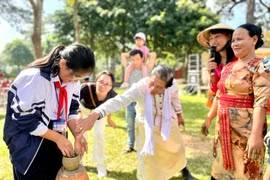
Villagers gathered around jars of rice wine as gongs and the Sơgâr drum filled the mountain air, their sounds accompanying dancers moving in counterclockwise circles.
The celebration came in a year of cultural achievements for Kon Blo. Its gong ensemble won first prize at the inaugural Vĩnh Sơn Gong Culture Festival.
At the first Gong Festival for Bình Định’s ethnic minorities, the village was also the only one among two artisan groups representing Vĩnh Thạnh district to perform the gong piece “Buffalo Stabbing Festival.”
Rong houses at the heart of Bahnar Kriêm heritage
Beyond their physical presence, rong houses hold profound spiritual and cultural significance for the Bahnar Kriêm people.
Researcher Yang Danh, who helped document the community's folk traditions, said the rong house was the largest stilt structure in Bahnar Kriêm villages and occupied a special place in communal life.
In the Bahnar Kriêm worldview, the rong house is a sacred space where rituals and offerings are performed, connecting villagers with the deities known as Yàng. It is also where communities express their hopes for peace, prosperity and abundant harvests.
The rong house has long featured in Bahnar stories, known as roi, and epics, or hơ’mon.
Legendary figures such as Dăm Dư, Dăm Dyông, Dăm Joong, Dăm Día, Xét and Ma Vắt are associated with the communal house, from which they set out to fight and accomplish heroic deeds.
Its significance therefore extends beyond village architecture into the spiritual world and collective memory. Every pillar, roof and decorative motif reflects the craftsmanship, memories and aesthetic traditions of generations.
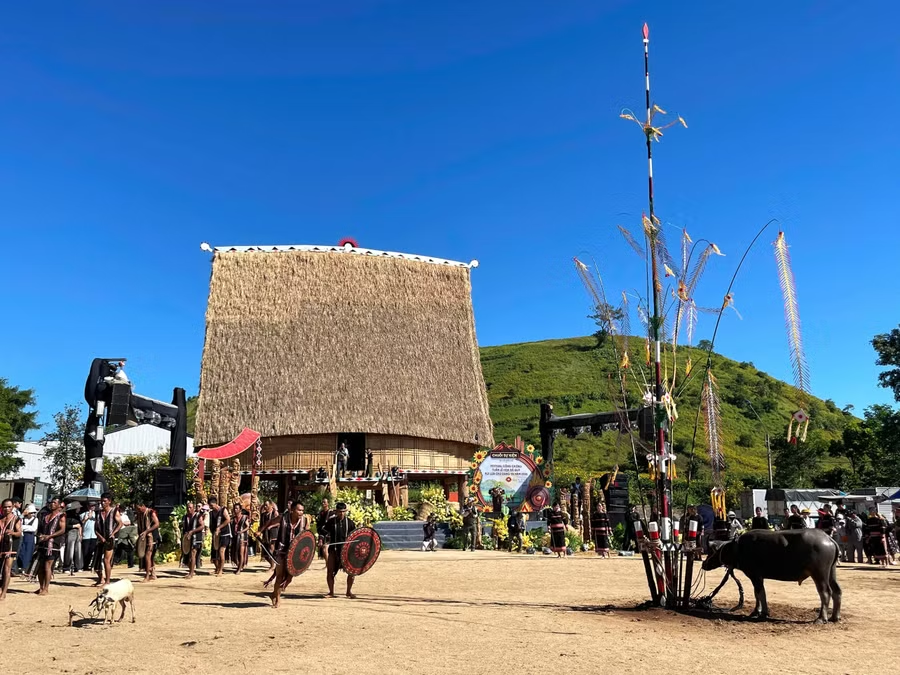
A new rong house brings renewed pride to Ia Gri
The tradition remains equally important among the Jrai people.
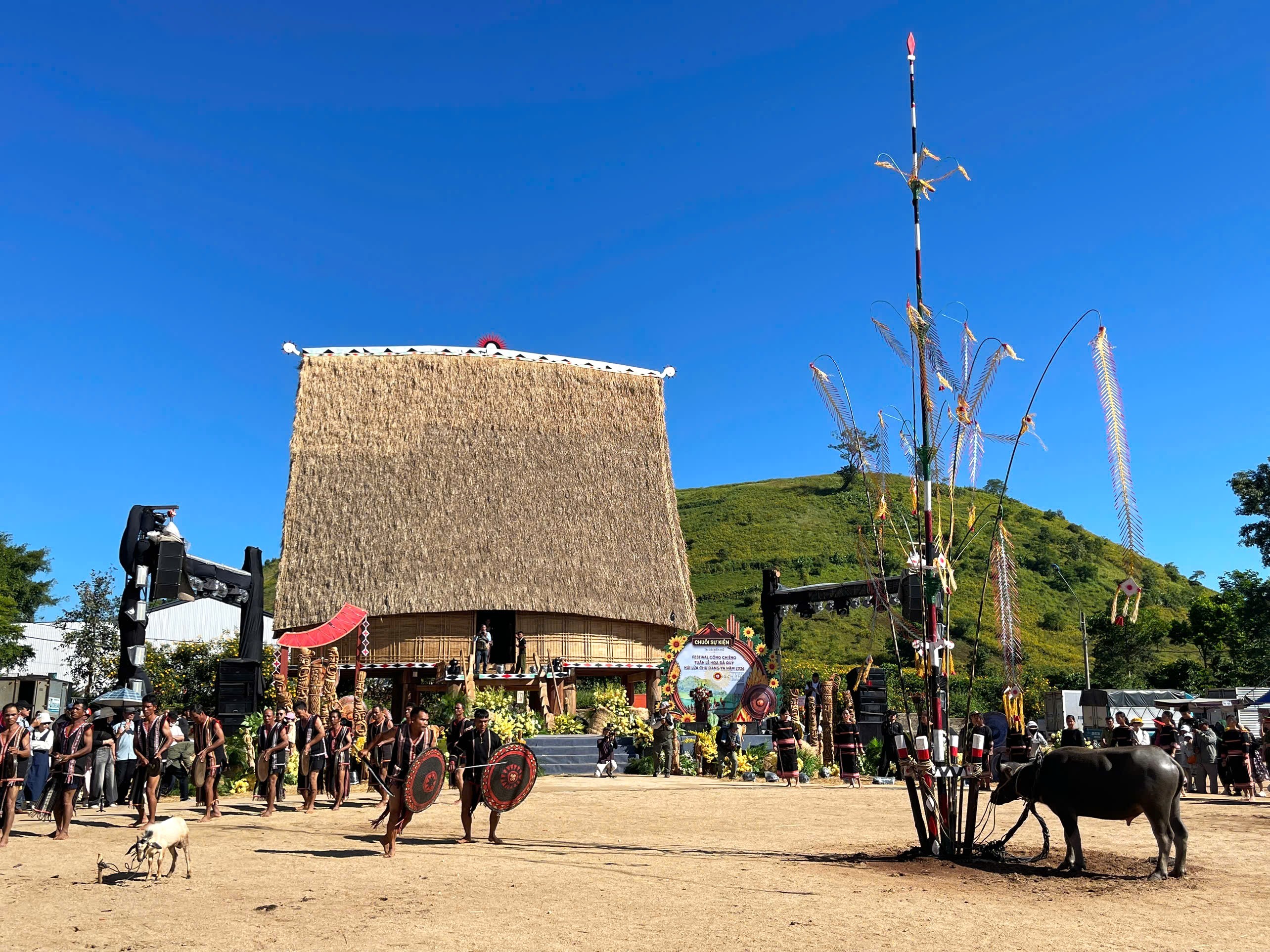
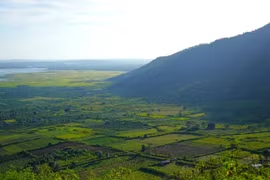
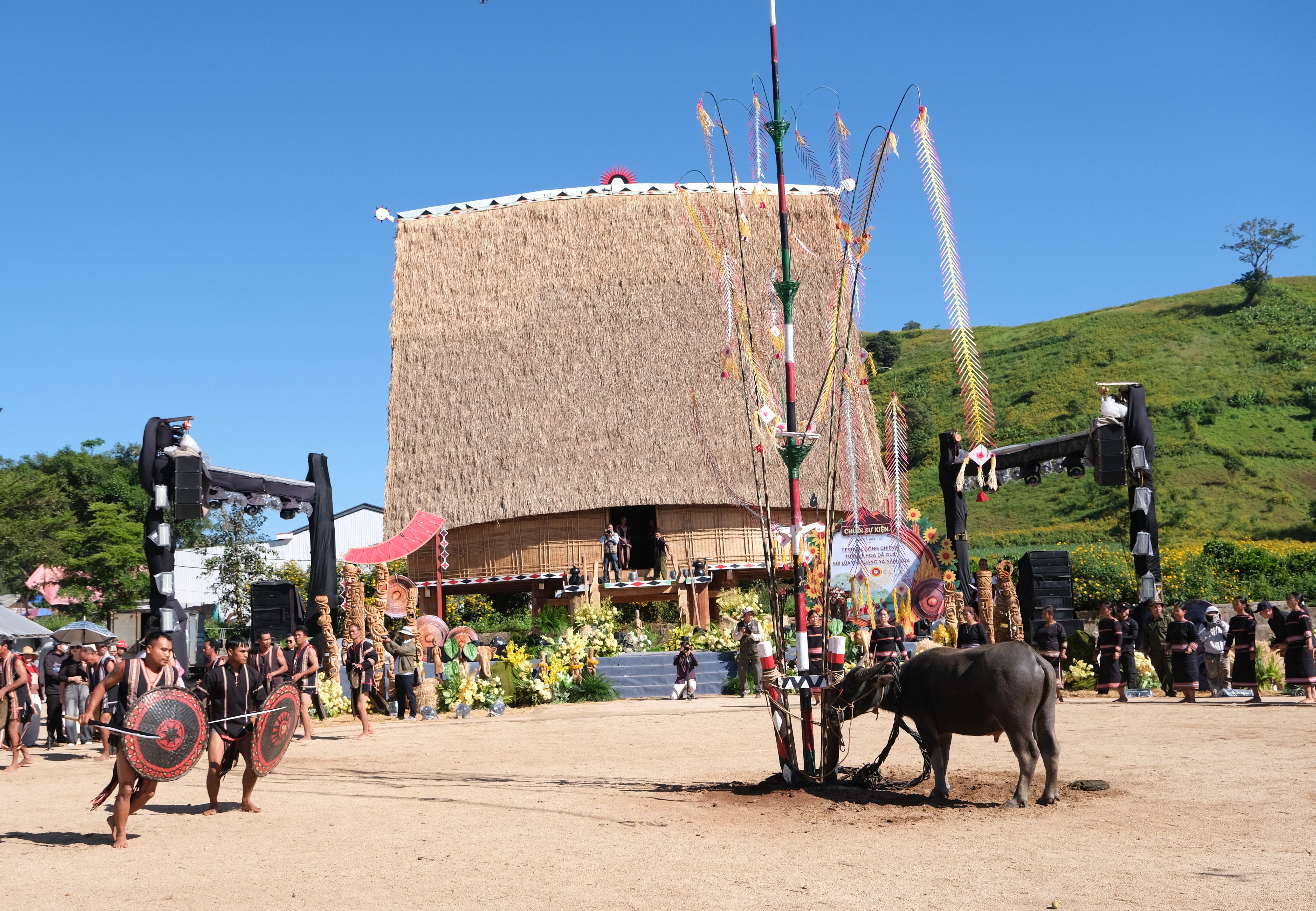
At the foot of Chư Đang Ya volcano, Ia Gri village in Biển Hồ commune continues to preserve traditional cultural practices, including rong houses, gong performances, village offerings and celebrations marking the completion of new communal houses.
In late October 2026, villagers gathered to celebrate the completion of a new rong house, built with funding from the provincial People's Committee and the collective efforts of the community.
More than 20 young men took part in construction from June to October, working together to create a communal space that villagers could call their own.
Village elder Aml Uih, 78, expressed his happiness at seeing the project completed.
“With a new nhà rông, I and the villagers are very happy. In the past, if it wasn’t built right, we wouldn’t use it. Now, this is the village’s house. All rituals and village activities are held here,” he said.
His remarks highlight a fundamental principle of cultural preservation: a rong house is not simply a building. To become a true communal space, it must reflect the customs, beliefs and cultural needs of the people who use it.
Preserving heritage requires community ownership
The preservation of traditional rong houses faces challenges, particularly when restoration and construction fail to adequately incorporate local cultural knowledge.
Dr. Lưu Hồng Sơn of Pleiku Museum said insufficient involvement and supervision by heritage experts and specialized agencies could lead to errors and wasted resources during restoration and construction projects.
He emphasized the importance of expert oversight and the participation of local heritage institutions, even when architectural consultants have already been appointed.
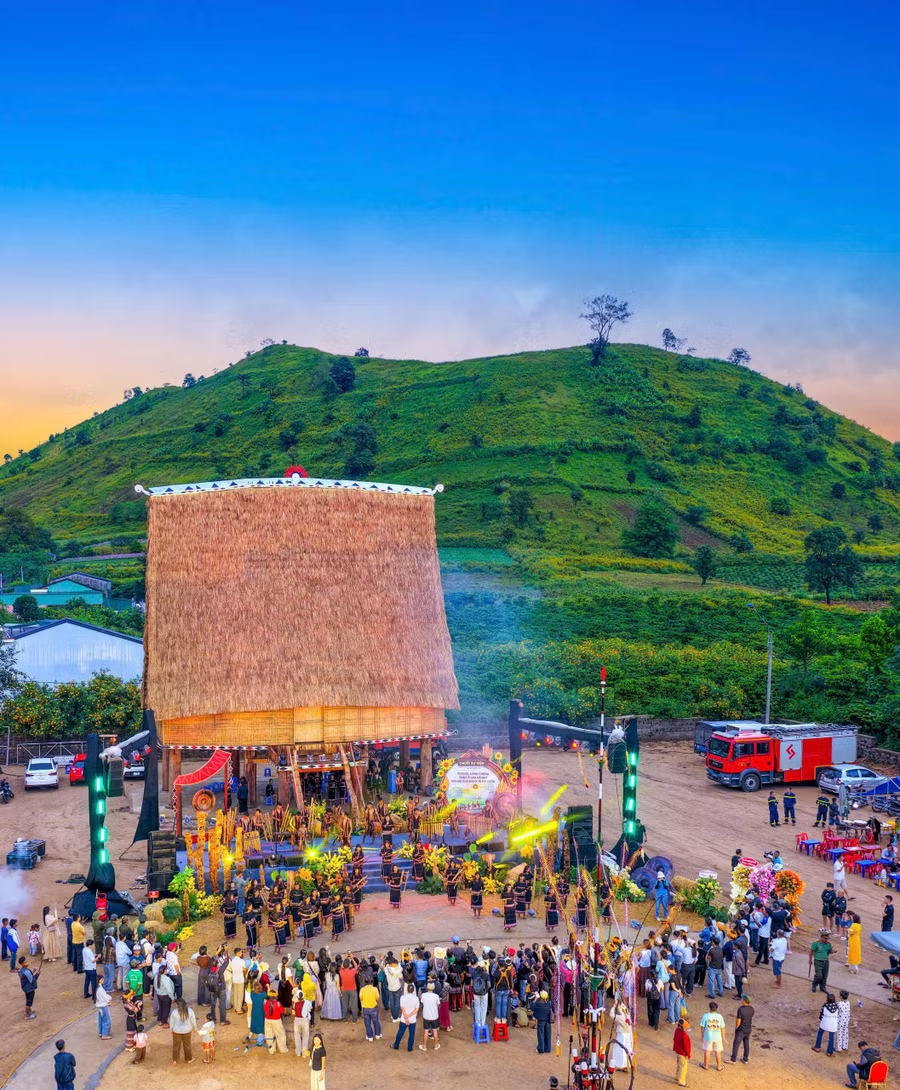
For rong houses, the need for community involvement is particularly important because each ethnic group has its own customs, aesthetic traditions and approaches to communal space.
Preservation efforts must therefore go beyond maintaining architectural features. They must also safeguard the cultural activities, traditional knowledge and community relationships that give these structures their meaning.
Artisans, village elders and local residents need to play an active role in building, maintaining and promoting the value of rong houses.
Researcher Yang Danh described the communal house as an indispensable cultural need for the Bahnar community.
“The nhà rông has become an indispensable cultural need in the life of the Bana community. The nhà rông festival is highly educational and communal. Having a nhà rông means preserving festivals. Having a nhà rông means preserving many beautiful traditional customs in cultural and artistic life,” he said.
Culture must remain rooted in the community
The relationship between cultural preservation and tourism development has also become an important consideration.
Vice Chairwoman of the provincial People's Committee Nguyễn Thị Thanh Lịch said tourism should help authentic cultural values gain recognition and respect rather than reshape local traditions to meet visitors' expectations.
She emphasized that rong houses must first and foremost belong to villagers, while gong performances should emerge naturally from community cultural life.
Sacred rituals, she said, must be preserved according to their traditional meanings and customs. Culture should remain alive within communities rather than becoming merely a performance for tourists.
When cultural heritage becomes a resource for development, local people must be the primary beneficiaries.
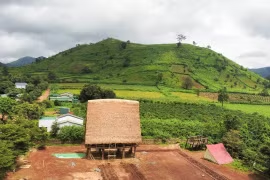
From Kon Blo to Ia Gri, the roofs of rong houses continue to rise above the forests of the Central Highlands, carrying the memories and pride of generations.
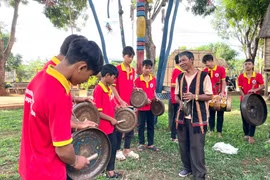
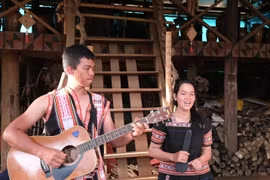
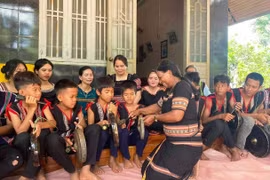
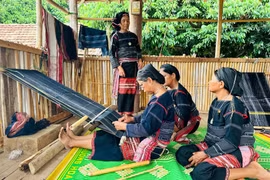
Under these roofs, elders pass down stories, artisans teach younger generations the language of gongs, and children learn to cherish their ancestral traditions.
The preservation of rong houses is ultimately about sustaining the cultural soul of villages - ensuring that their communal bonds, spiritual beliefs and traditional ways of life continue to endure for generations to come.