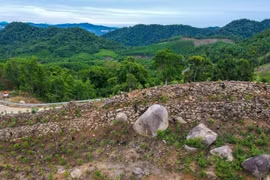
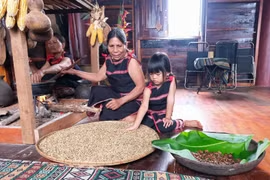
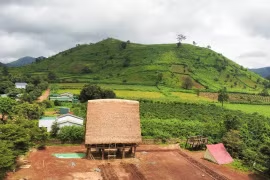
At the foothills of the eastern Trường Sơn range, golden upland rice fields stretch along the Đak Cram stream, marking the beginning of harvest season for the Bahnar Pơ Nâm people in Hamlet 7, Sơn Lang Commune. Beyond providing food, the traditional rice varieties preserve ancestral knowledge and offer visitors a glimpse into highland life.
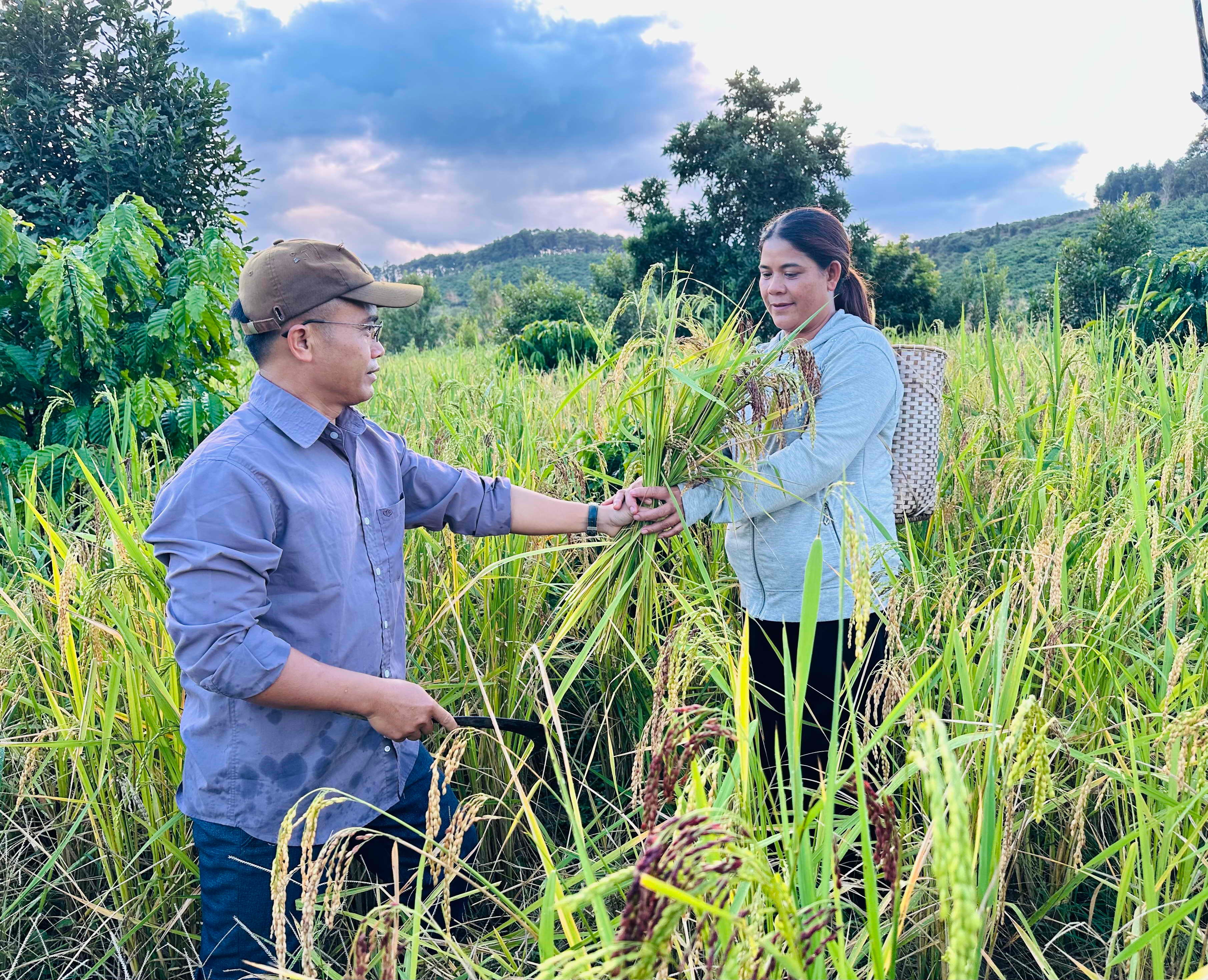
On a steep hillside, Đinh Thị Hak and her family were harvesting Ba Bul, a traditional white rice variety they had planted in early April alongside coffee and macadamia. This season, she cultivated more than 4 sào, or approximately 1,440 square metres, of upland rice.
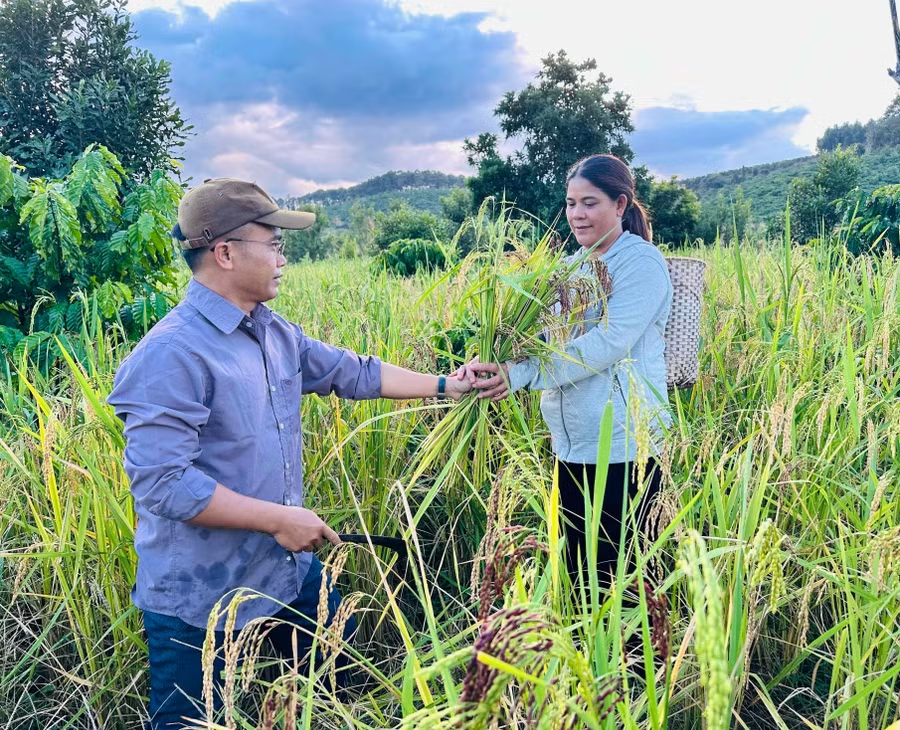
The family expects to harvest around 500kg, enough to feed them throughout the year and serve guests on special occasions.
Upland rice cultivation remains labour-intensive, relying largely on rainfall and natural conditions. Farmers clear weeds, prepare the land and sow seeds by hand, without using pesticides or chemical fertilisers.
“Life has changed, but we still grow upland rice to preserve the old varieties so our children and grandchildren can understand the seeds passed down by their ancestors,” Hak said.
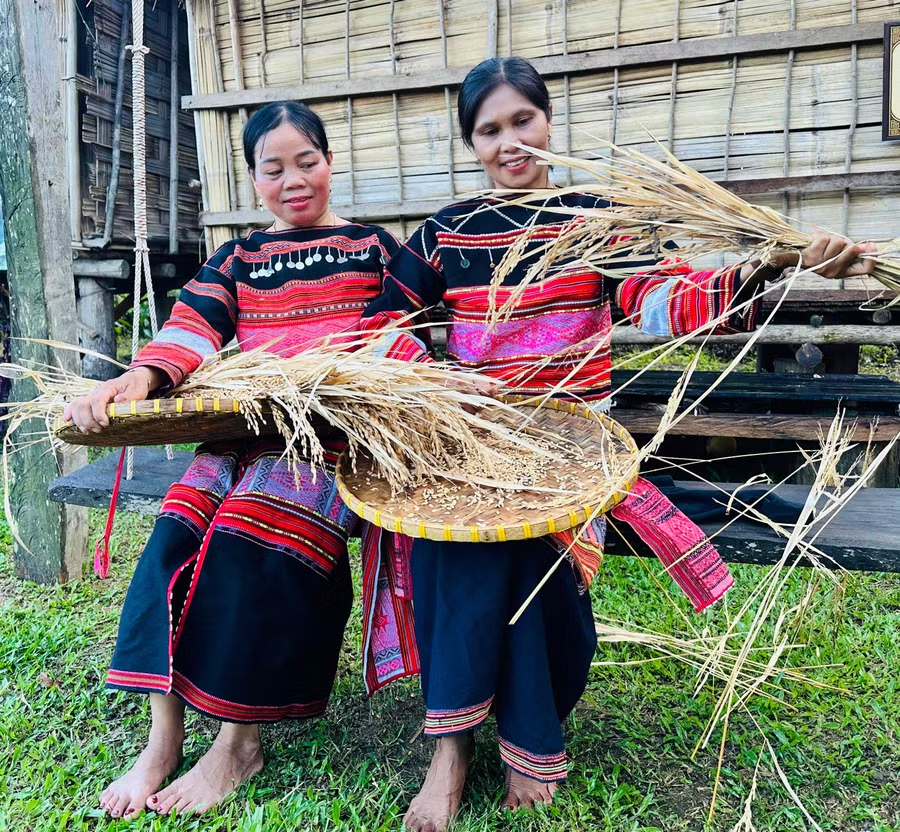
Traditional rice varieties survive generations
On a neighbouring hillside, Đinh Xuân Phúc and his children were also gathering the harvest. For local families, the season is not only about collecting rice but also bringing generations together and passing down farming knowledge.
After clearing weeds, villagers allow them to dry before burning the fields, using the resulting ash as fertiliser. When the rainy season begins, farmers carry seeds uphill and sow them individually by making holes with pointed sticks.
Although yields are lower than those of irrigated rice cultivated twice a year, upland rice remains highly valued for its distinctive taste and nutritional qualities.
“Cooked upland rice expands, is fragrant and filling. In the past, it helped many households get through lean seasons, so my family continues to maintain this tradition,” Phúc said.
Đinh Xuân Quý, secretary of the Hamlet 7 Party Cell, said the hamlet was recently established through the merger of Đăk Asêl and Srắt villages. It now has 283 households, more than 95% of which are ethnic minority families.
Hundreds of households continue to cultivate upland rice, sowing between April and June and harvesting from October to December.
Among the varieties preserved by the community are Ba Bul, Ba Đăk, which has red grains and a firmer texture, and Ba Rưn, distinguished by its deep red grains. Each variety reflects generations of cultivation experience and local knowledge.
Maintaining these rice fields is also a way of preserving ancestral customs and collective memories.
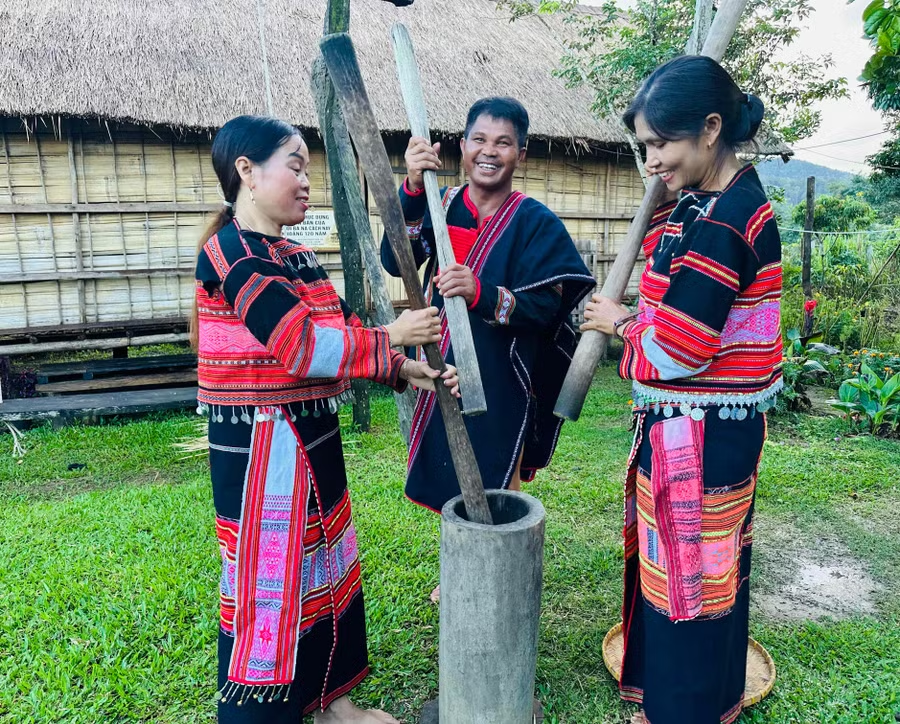
Upland rice brings traditional cuisine to visitors
Upland rice remains an important part of daily meals, traditional dishes and hospitality in Sơn Lang. Its cultural significance is increasingly being incorporated into community-based tourism activities.
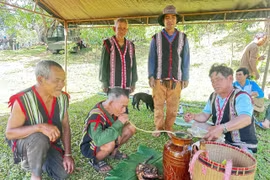
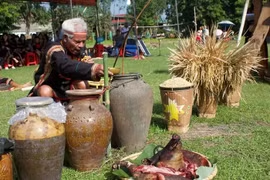
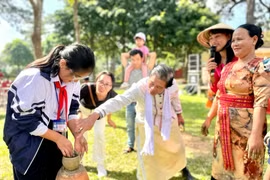
After harvesting in early October, Đinh Thị Hạ selects freshly harvested rice to produce traditional jar wine, preparing several dozen jars each season.
The process involves roasting and cooking the rice, allowing it to cool before mixing it with yeast. The mixture is then placed in jars sealed with beeswax and clay, with rice husks layered around them to maintain warmth during fermentation.
The wine requires at least a month to ferment before it is ready for consumption.
“Every step requires meticulous care, from preparing the rice to timing the fermentation. Wine made from upland rice has a distinctive flavour,” Hạ said.
Her family keeps the wine for festivals and Tet celebrations, selling the remainder to tourists visiting the village to supplement household income.
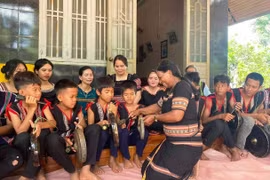
Community tourism draws on Bahnar cultural identity
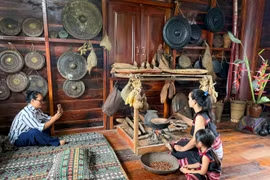
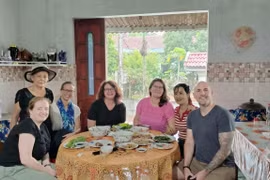
At Nút Phăm Homestay Sơn Lang, H’Vinh Nút and his wife incorporate local traditions into tourism experiences, allowing visitors to explore the cultural heritage of the area.
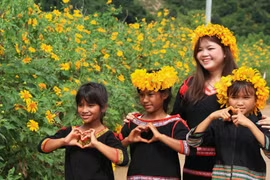
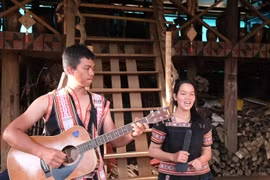
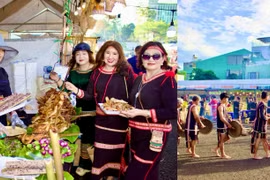
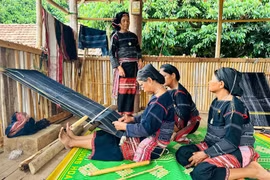
Alongside tours to Kon Chư Răng Nature Reserve and the K40 and K50 waterfalls, the family offers activities such as wearing traditional costumes, photographing visitors working in rice fields and introducing the new rice offering ceremony.
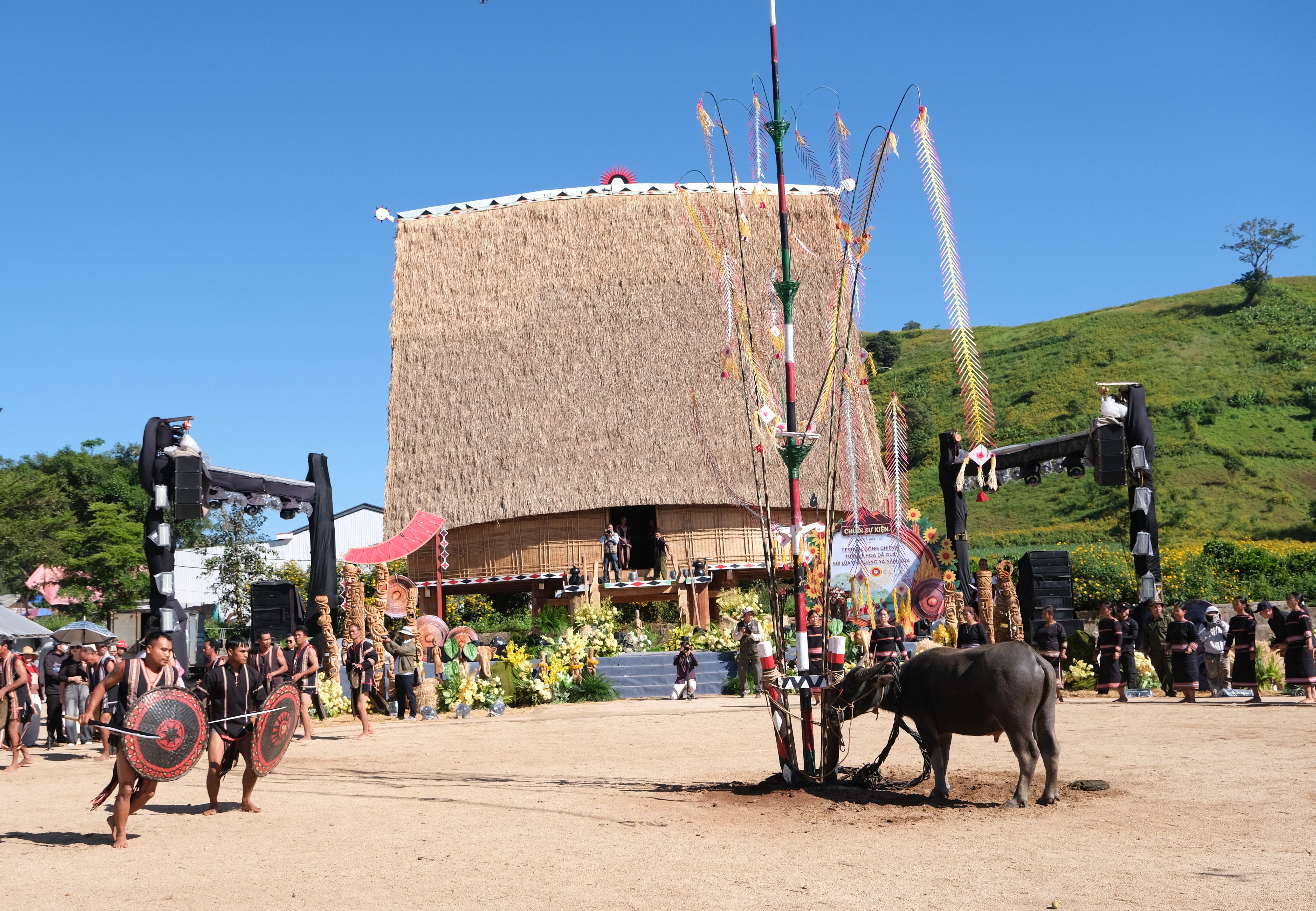
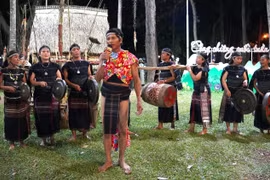
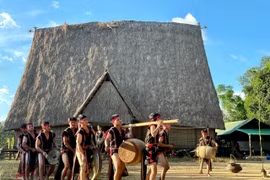
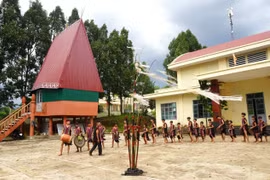
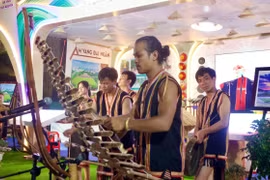
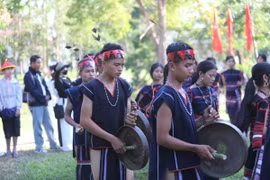
Guests can also enjoy gong performances, xoang dances and traditional dishes made from upland rice, including chicken porridge, bamboo-tube rice with grilled chicken, stream fish, bitter eggplant and jar wine.
“Sơn Lang has many distinctive cultural features, from the upland rice season and traditional dishes to long-established customs. I want to build tourism products around these existing values so visitors can better understand local life,” Nút said.
He added that developing these experiences could create employment, increase local incomes and encourage residents to preserve their ethnic identity.
Across the Central Highlands, the upland rice seasons in Sơn Lang continue to connect the Bahnar Pơ Nâm people with their ancestral traditions.
The preservation of traditional rice varieties, farming practices and cuisine is increasingly offering visitors an opportunity to experience the region's cultural heritage while supporting community-based tourism.