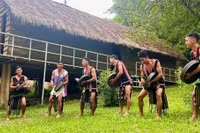
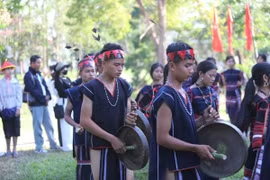
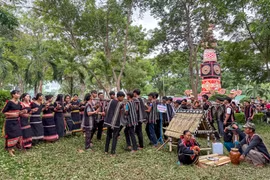
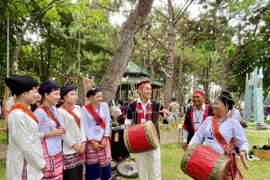
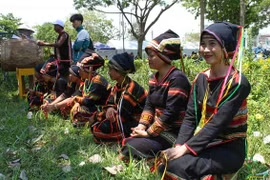
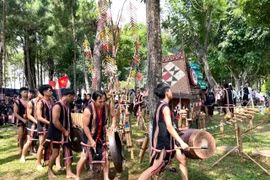
Amid the pressures of modernisation, members of the Canh Thành Village Gong Club in Vân Canh commune, Gia Lai province, practise and perform regularly while passing on their knowledge to village youths. For the Chăm H’roi community, the gong and ching are not merely musical instruments but central symbols of cultural identity and spiritual connection.
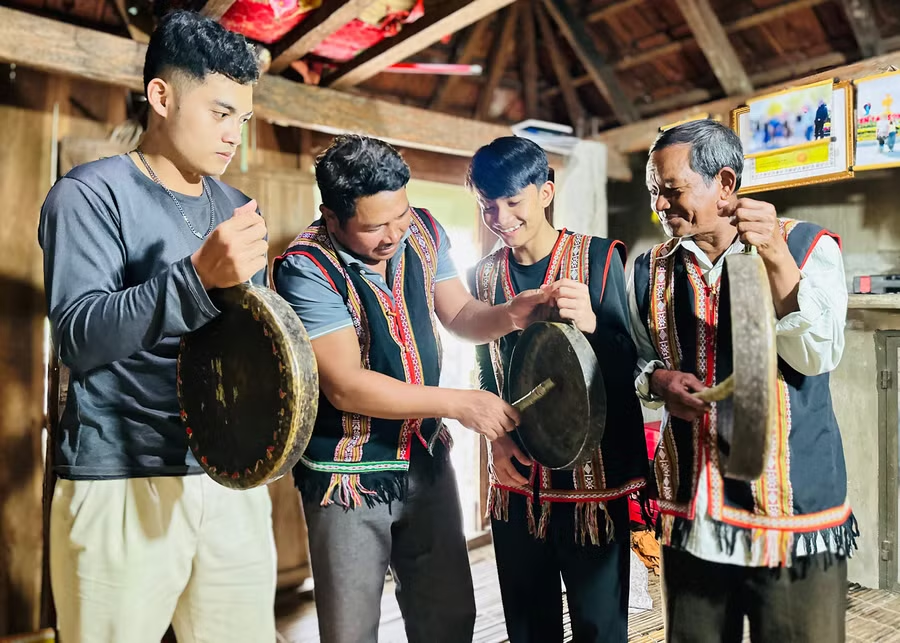
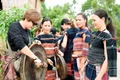
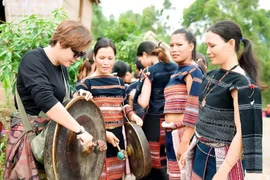
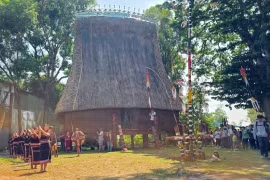
In the late afternoons, the deep, measured sounds of gongs and chimes echo across the hillsides of Canh Thành, drawing villagers to a stilt house in Hamlet 2. There, artisan Thanh Văn Huấn, 46, head of the Gong Club, leads informal classes without blackboards or written lessons. Young learners, many new to the instruments, follow the rhythms under the patient guidance of experienced players.
Teaching is entirely practical. Each movement and beat is demonstrated and repeated, allowing cultural memory to be transmitted directly from one generation to the next. Village elder Đoàn Kim Hành, 66, said he learned to play as a child from his father and other elders, mastering rhythms tied to rituals and communal life. “For us, the gong is also a message from our ancestors,” he said.
The Gong Club was established in October 2022 by the former Vân Canh District People’s Committee and the Canh Thành Village Management Board. It brings together 25 artisans, including elderly players regarded locally as “living treasures” for their knowledge of traditional gong pieces and drum rhythms.
According to Mr Huấn, the club’s purpose extends beyond festival performances. “It creates a space for the gongs to live in everyday life, helping young people understand the importance of preserving their cultural identity,” he said.
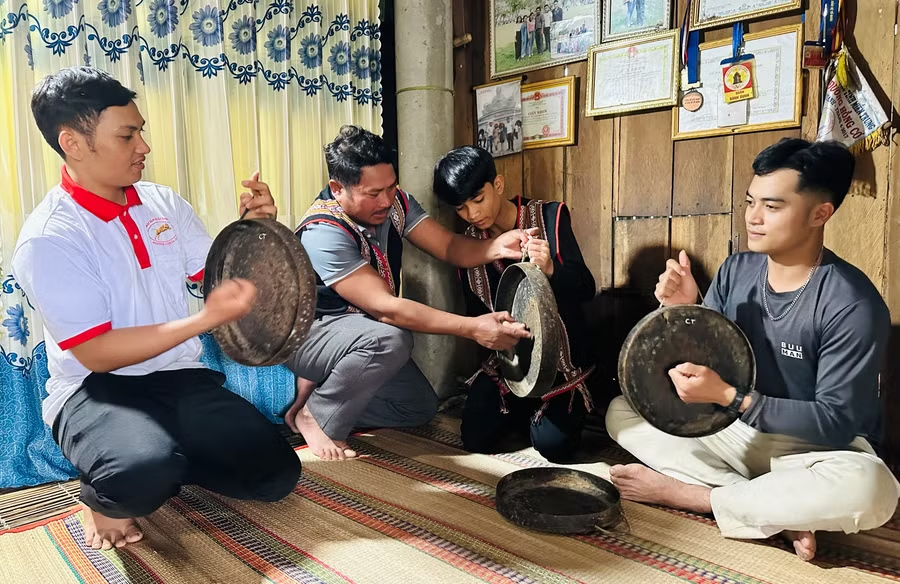
Canh Thành village has 327 households, the majority Chăm H’roi. Local Party Cell Secretary Đoàn Văn Tuyến recalled a period when gong music and xoang dances faded, raising concerns about cultural loss as skilled performers grew fewer. In response, the club has organised regular training sessions to revive the tradition.
Club member Nguyễn Văn Chiếu, 68, said the classes have helped young villagers reconnect with their heritage. “If gongs are played only at festivals, it is not enough. They must be practised regularly, with a new generation to keep the culture alive,” he said.
The club now attracts dozens of young people aged 12 to 18. Many have progressed from unfamiliarity with the rhythms to confidently performing and understanding the spiritual meaning of each piece. Đoàn Bảo Quốc, 15, said he has learned several basic gong pieces and hopes to help preserve the tradition in the future.
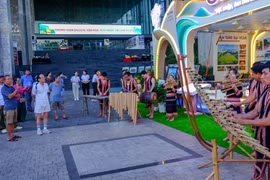
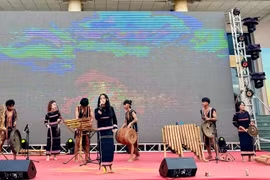
Beyond lessons, artisans take youths to perform at cultural and sporting festivals, allowing them to build confidence and deepen their understanding of the gong’s role in rituals and customs. Nguyễn Phước Tấn, 13, said performing has strengthened his pride in his ethnic heritage.
Looking ahead, local authorities say they will continue to support the initiative. Nguyễn Xuân Việt, Secretary of the Vân Canh Commune Party Committee and Chairman of the People’s Committee, said the commune plans to integrate gong teaching with community events and youth education, while mobilising resources to support artisans and ensure the sustainable preservation of the gong cultural space.