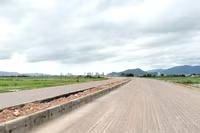
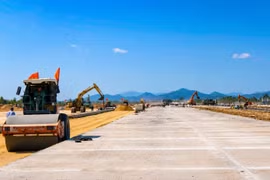
The 3,536-meter route, connecting Village B to the commune center, began construction on March 10, 2026, and is expected to be completed within four months. Designed with an 8-meter-wide roadbed and a 5-meter concrete surface, the project is a critical link between residential areas and production zones.
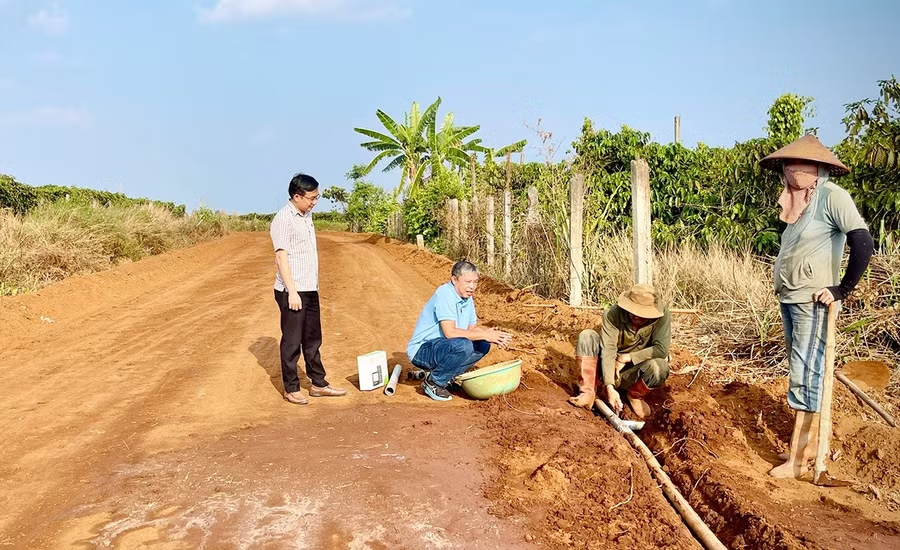
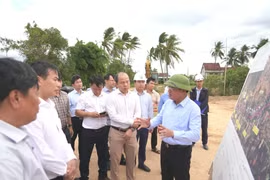
Land clearance, often a major obstacle in infrastructure projects, was completed rapidly after 48 households and two businesses agreed to donate approximately 14,000 square meters of land and contribute more than 600 million VND (about $23,500). The consensus was reached after a single meeting on March 1, enabling construction to proceed without delays or complaints.
Residents also dismantled fences, relocated crops, and handed over land ahead of schedule, allowing the project to move swiftly into the roadbed construction phase. Within a month, site clearance along the entire route was largely completed.
Construction crews are now working continuously to level and compact the red basalt soil in preparation for concrete paving. The project contractor aims to complete the road by early June, taking advantage of the post-harvest period for coffee and pepper to mobilize labor and machinery.
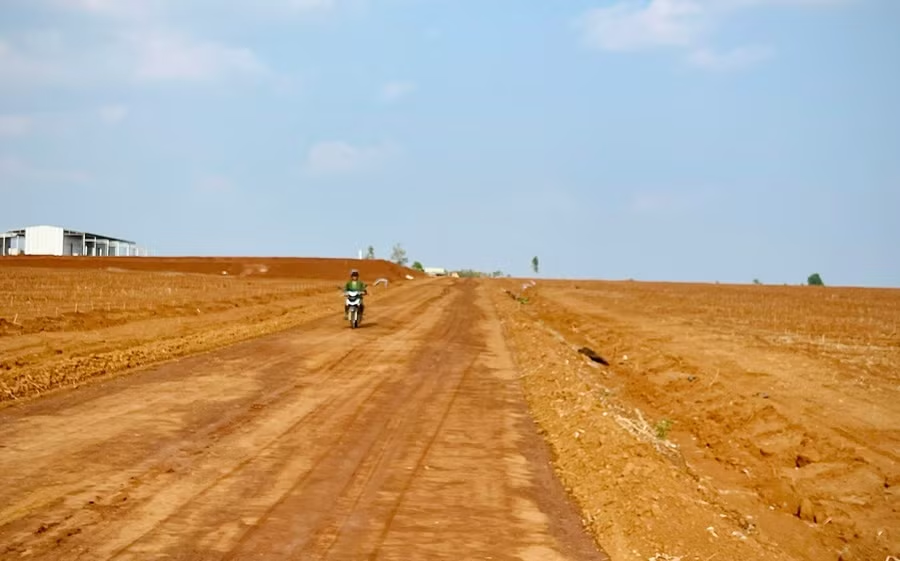
The road replaces a narrow dirt track previously less than three meters wide, which became muddy and impassable during the rainy season. Poor conditions often delayed crop transportation and made travel hazardous, particularly for students.
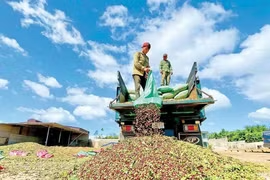
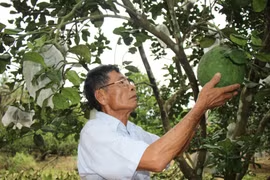
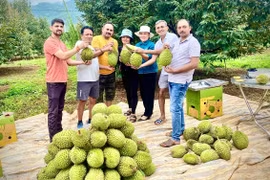
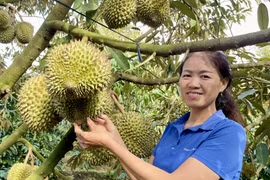
Local farmers say the upgrade will significantly reduce post-harvest losses. One household reported losing over 100 million VND (about $3,900) last year due to delays in transporting nearly 20 tons of durian. Improved access is expected to stabilize prices and ensure timely market delivery.
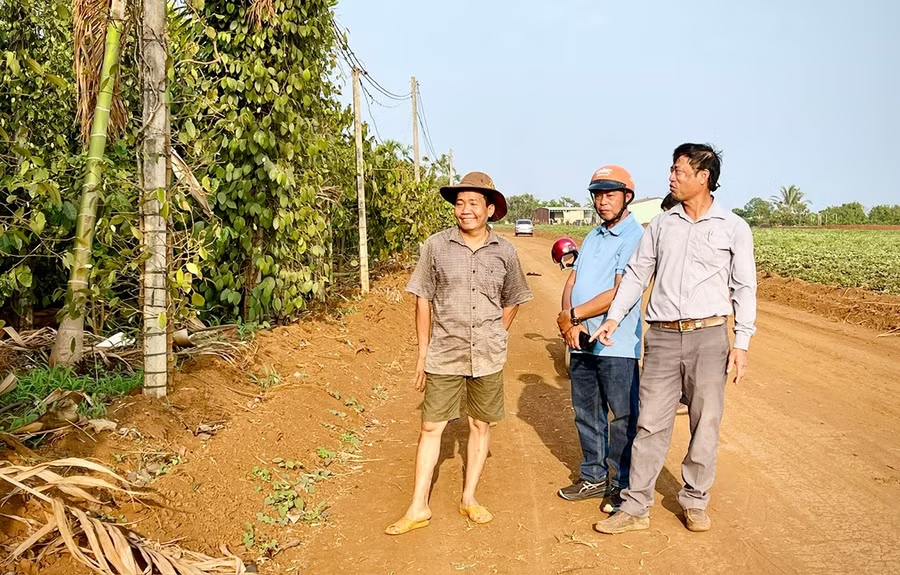
The project is part of a broader infrastructure push following the administrative merger of Ia Pếch, Ia Kênh, and Gào communes, which created a network of more than 237 kilometers of roads. While many routes have been upgraded, several remain narrow and inconsistent, limiting transport efficiency.
Authorities have identified transport infrastructure as a key development priority for 2026–2030. By 2030, all main and inter-village roads are expected to meet a minimum width of seven meters, with a fully integrated network targeted by 2035.
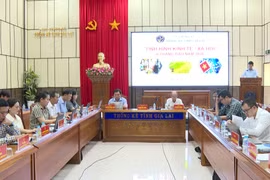
The Gào Commune project is being implemented under the model “State and people working together,” with officials aiming to replicate the approach across other areas. Local leaders say the strong community consensus has been instrumental in overcoming logistical challenges.
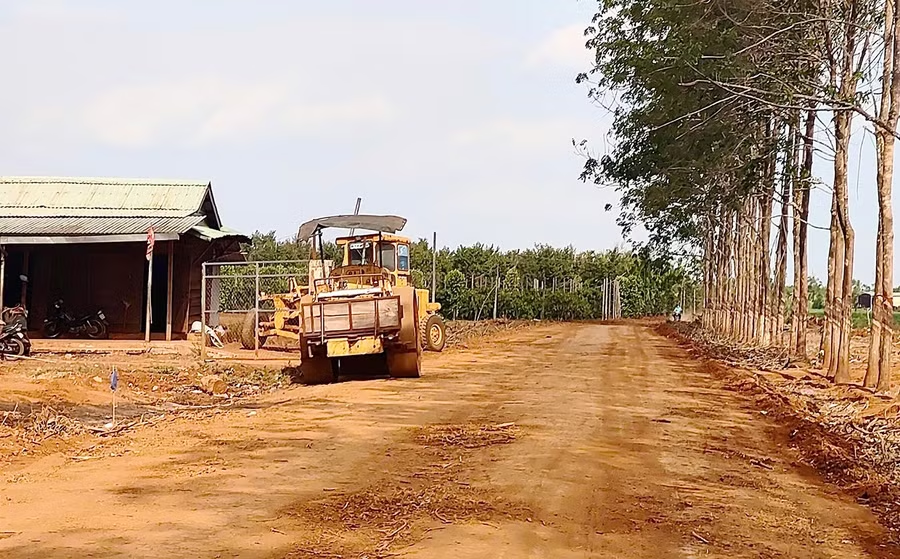
As the new road takes shape, it is expected not only to improve daily mobility but also to create long-term momentum for agricultural production and economic growth, demonstrating the impact of collective action in rural development.