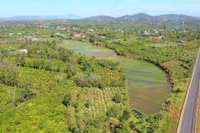
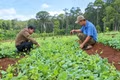
During the 2025-2026 winter-spring crop, the company supplied irrigation water to more than 20,257 hectares of crops, achieving 102% of its planned target. All cultivated areas within its service zones received sufficient and timely water, avoiding shortages seen in previous years.
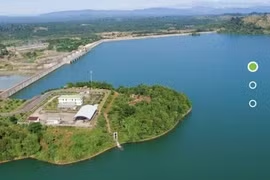
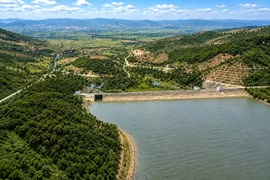
The company currently operates an extensive system of 18 reservoirs, 28 weirs, four electric pumping stations and a wide canal network across multiple localities. These facilities not only support irrigation but also provide raw water to treatment plants, meeting essential domestic needs in many communes and wards.
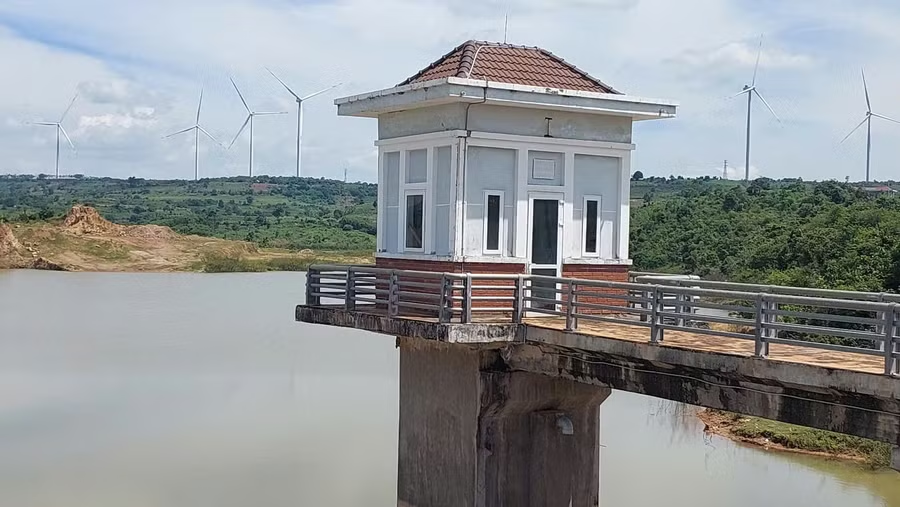
Photo: N.D
To maintain efficiency, the company has closely monitored weather conditions and water availability at each facility, implementing detailed water distribution schedules. Priority has been given to rice fields, long-term industrial crops such as coffee and pepper, and areas at high risk of water shortages, helping reduce waste and prevent disputes.
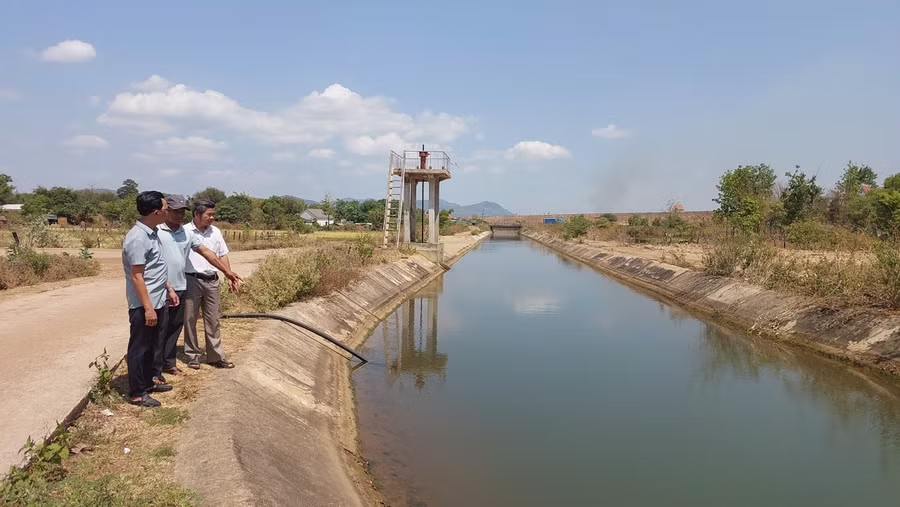
Nguyễn Văn Lương, Deputy Director of the company, said irrigation for the winter-spring crop has largely been completed. Some facilities are continuing a third round of watering for coffee and pepper, while most rice fields have reached harvest stage or are developing well thanks to stable water supply.
In addition to agriculture, the company supplies raw water to four domestic water plants connected to major reservoirs including Ia Mlá, Ayun Hạ, Ia Ring and Ia Rbol, ensuring daily water needs during extended dry periods.
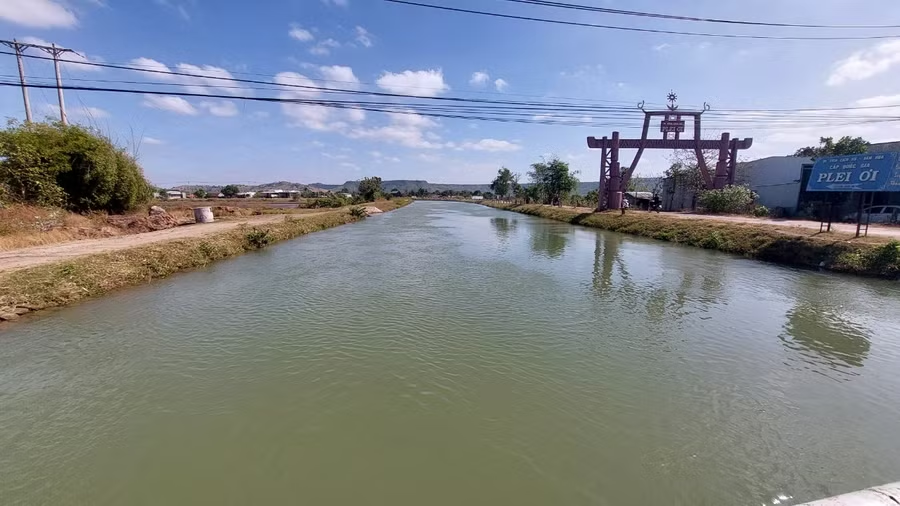
However, challenges remain in managing the irrigation system, particularly in western Gia Lai. Following administrative restructuring, some areas lack effective grassroots irrigation organizations, leading to coordination issues. Off-schedule planting, water disputes and unauthorized extraction continue to affect system efficiency.
The company has responded by working with local authorities to strengthen inspections and promote water-saving practices. It has also proposed that the Department of Agriculture and Environment accelerate the establishment of local irrigation teams to improve coordination.
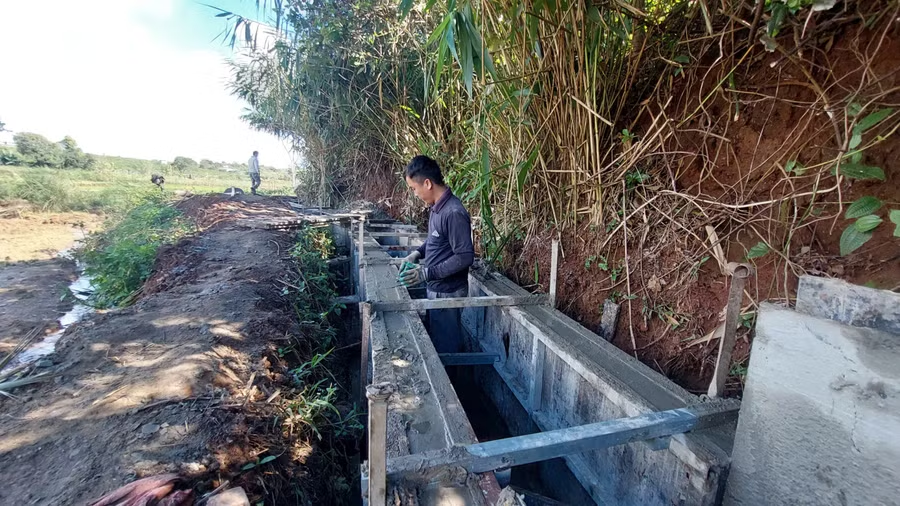
At the same time, the company has called for investment to upgrade aging infrastructure, including Ia Glai Reservoir, its canal systems, Tân Sơn Reservoir, Ia Dreh, Biển Hồ B and Ia Mlá. These upgrades are expected to enhance water storage capacity and ensure safety during the rainy and flood season.
Completing canal systems for newly built facilities is also seen as critical to expanding irrigated areas and improving agricultural productivity.
For the 2026 summer-autumn crop, the company plans to supply water to more than 12,848 hectares. It will continue monitoring weather conditions, balancing water resources and prioritizing domestic use and key crops to ensure sustainable production.
With these measures, Gia Lai Irrigation Company is reinforcing its role in safeguarding water supply, supporting agricultural stability and helping the province adapt to climate change.