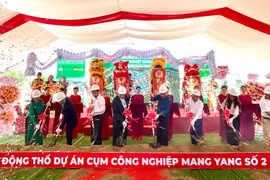
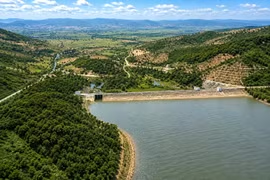
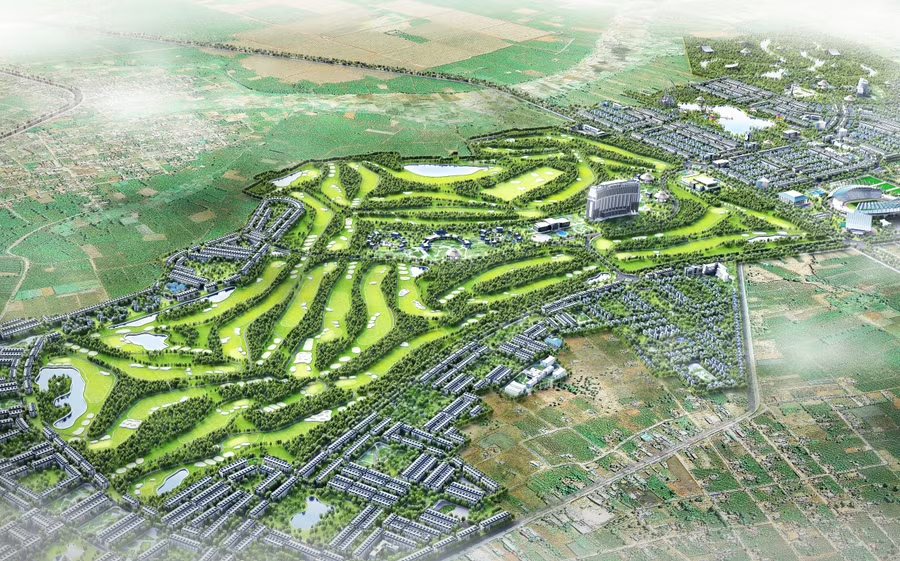
Developed by FLC Group, the 517-hectare project carries a total investment of nearly VND 20 trillion (approximately $800 million). It is designed as the first large-scale integrated urban resort complex in the region, featuring residential zones, villas, commercial facilities, ecological parks, schools and sports infrastructure.
At the core of the development is a 36-hole golf course spanning more than 171 hectares, aimed at attracting high-spending international tourists, particularly from Northeast Asia. The project is expected to address long-standing gaps in high-end tourism infrastructure that have constrained Gia Lai’s growth.
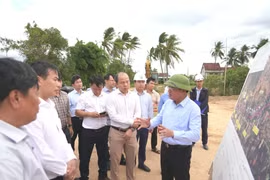
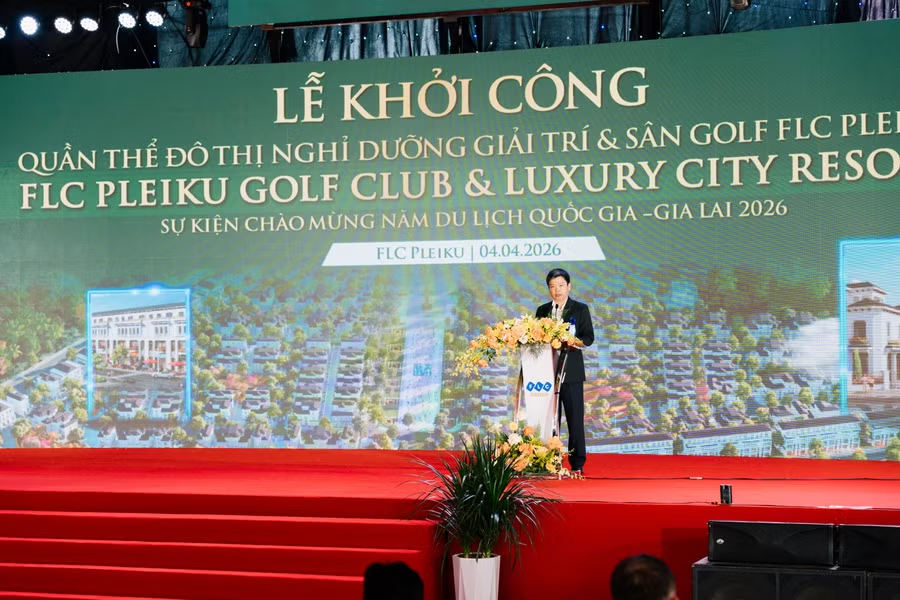
Local authorities say the province has struggled to fully capitalize on its natural landscapes and cultural assets due to a shortage of premium tourism products. Nguyễn Hữu Quế, Vice Chairman of the Provincial People’s Committee, described the project as a “strategic move” to overcome these limitations and unlock new economic opportunities.
Once completed, FLC Pleiku is expected to serve as a new growth pole, creating spillover effects across tourism, services and urban development, while boosting local incomes and employment.
FLC Group said the project is being developed as an integrated ecosystem rather than a standalone destination, with a focus on sustainability, cultural preservation and improved connectivity.
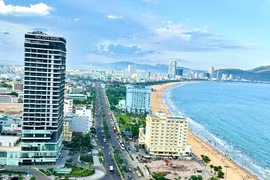
The company’s previous success in Bình Định province underpins expectations for the Pleiku project.
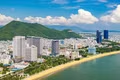
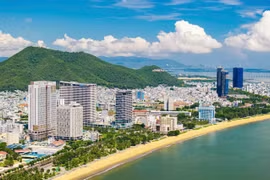
The FLC Quy Nhơn Beach & Golf Resort, launched in 2016 with a similar investment of VND 20 trillion (approximately $800 million), has attracted millions of visitors and helped reshape the province’s tourism profile, with Korean tourists accounting for more than 20% of international arrivals.
Industry experts also see strong potential in Pleiku’s distinct offering. Unlike coastal destinations, the area features a cooler climate and highland terrain, which developers say will be reflected in the golf course design.
Martin Moore, Chairman of Flagstick Golf Course Construction Management Company, said the project could become a regional icon for golf tourism, emphasizing efforts to preserve natural elements such as existing pine trees.
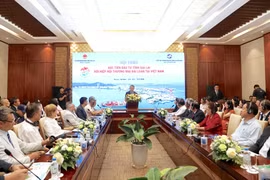
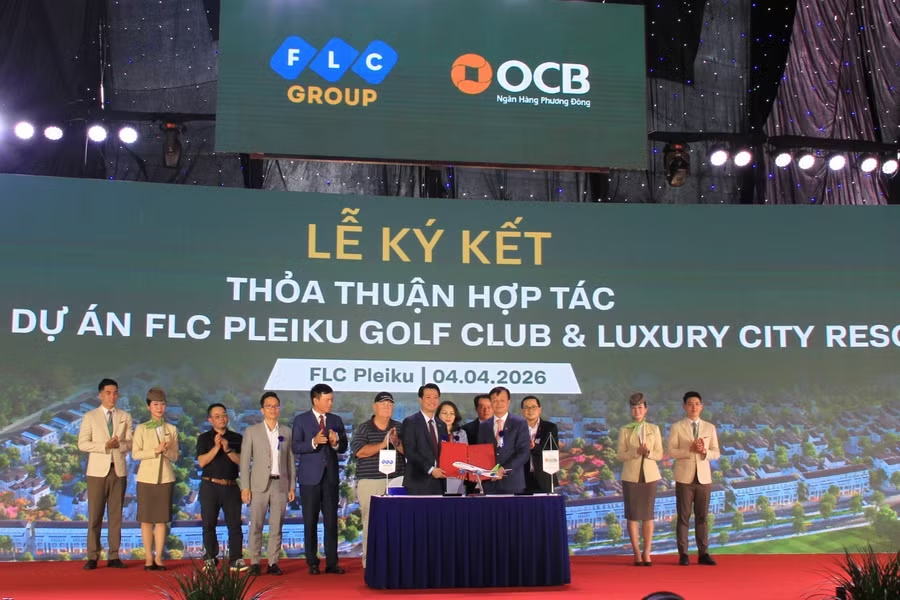
Financial backing for the project has been secured through a cooperation agreement with Orient Commercial Joint Stock Bank (OCB), ensuring capital availability and reinforcing investor confidence. Early interest from distribution partners also signals strong market demand.
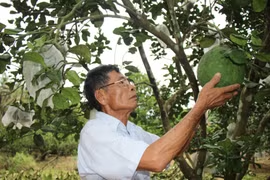
Local residents have expressed optimism about the project’s impact. Nguyễn Tiến Việt, a resident of Đak Đoa commune, said it is expected to create jobs, raise incomes and improve infrastructure, contributing to a more modern urban landscape.
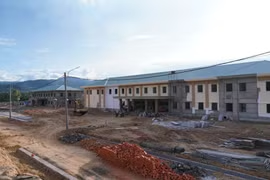
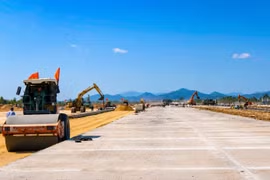
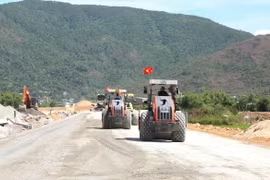
As construction moves forward, FLC Pleiku is widely seen as a catalyst that could redefine Gia Lai’s tourism sector—shifting it toward higher-value, sustainable development and strengthening its role in the broader “sea–highlands” tourism corridor.