Prices have dropped sharply from over 10,000-16,000 VND/kg (approximately $0.39–$0.63/kg) a month ago to just 5,000-6,000 VND/kg ($0.20-$0.24/kg), leaving many growers barely breaking even. For those leasing farmland, the downturn has pushed operations into significant losses.
Across the region’s fields, farmers are racing to harvest under intense heat nearing 40°C, but the usual optimism associated with a profitable season has been replaced by concern. Many now face a difficult choice between selling at low prices or delaying harvest and risking declining crop quality.
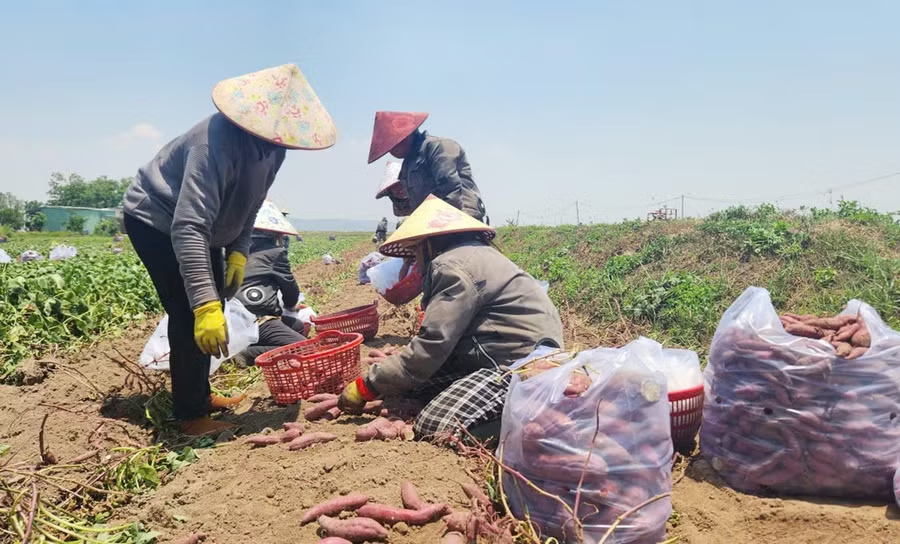
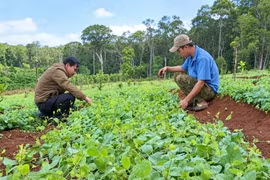
Phạm Văn Viện, who invested in more than 16 hectares with costs of around 100 million VND per hectare (about $3,940), said expectations of strong returns have evaporated. “At 5,000 VND/kg, there is virtually no profit, and we are facing losses,” he said.
Similar challenges are reported in nearby areas. Đàm Văn Khôi, with 10 hectares under cultivation, said earlier harvests sold at 9,000–10,000 VND/kg ($0.35–$0.39/kg) yielded modest profits. However, current prices mean the remaining crop will incur heavy losses, with each hectare losing hundreds of millions of VND (thousands of USD).
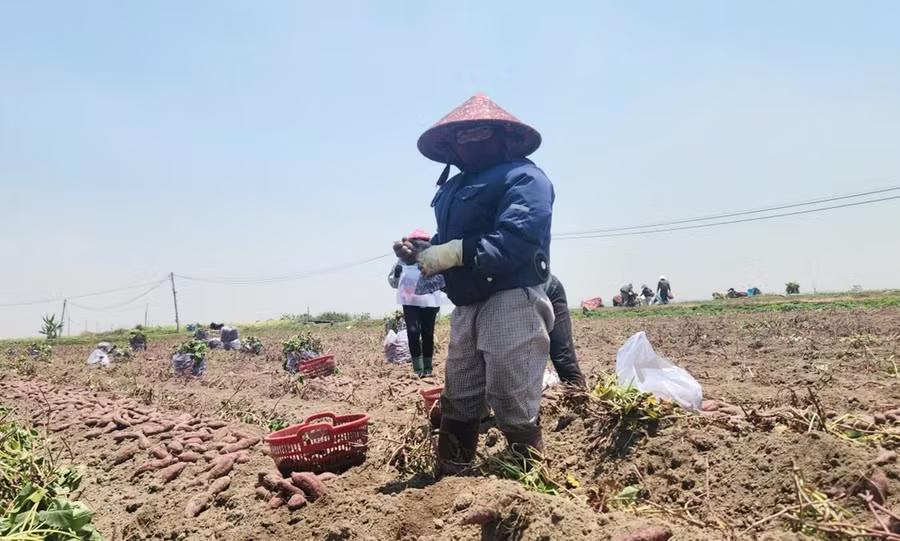
Other farmers, such as Phạm Thị Lĩnh, are delaying harvest in hopes of a price rebound, despite the risk of overripe crops and declining quality.
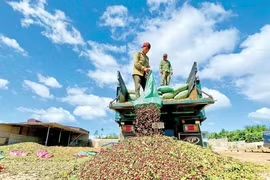
Traders attribute the price collapse primarily to oversupply and rising transportation costs. Mã Thị Thơm, a local buyer, said she purchases around 25 tons daily but cannot keep pace with the volume farmers need to sell. “With low prices and sluggish demand, neither growers nor traders are making a profit”, she said.
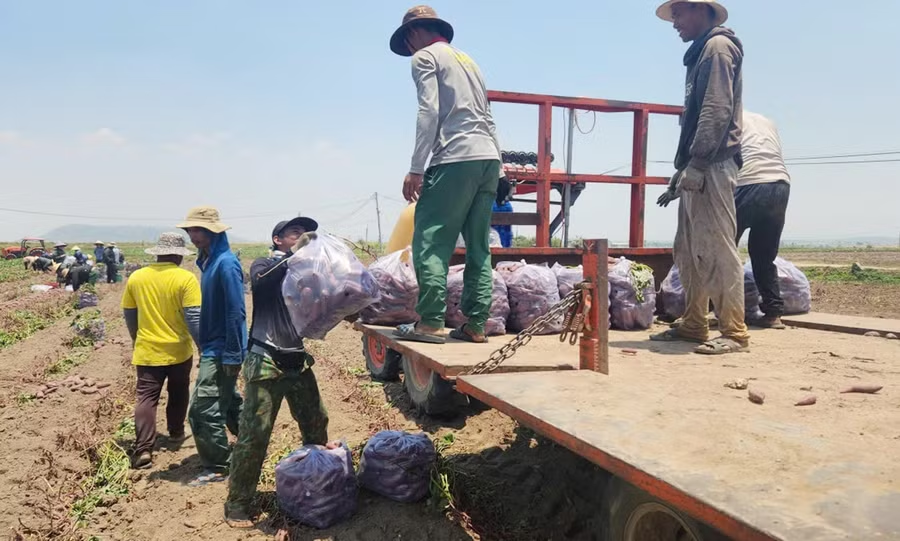
According to industry estimates, only fields yielding about 30 tons per hectare can break even under current conditions, leaving most producers in deficit.
Local officials say structural issues in production are exacerbating the crisis. Đỗ Văn Năm, director of a local agricultural cooperative, noted that simultaneous planting has led to a surge in supply that the market cannot absorb quickly enough. Demand has also weakened in northern markets due to hot weather, while higher fuel costs have increased transportation expenses.
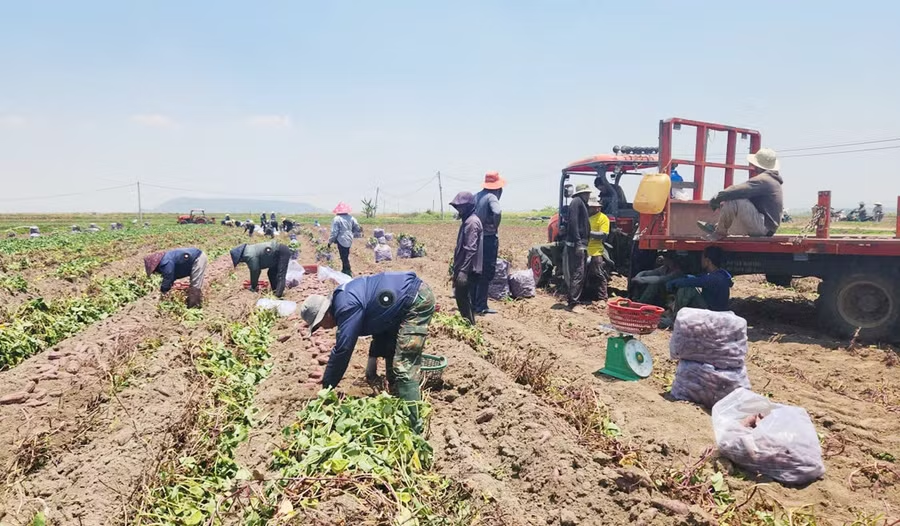
Mai Ngọc Quý, head of the commune’s economic department, said the area currently has about 800 hectares of sweet potatoes, with falling prices directly impacting local incomes. He added that some traders have taken advantage of market volatility to push prices down further.
Authorities and experts say the situation underscores the need for stronger supply chain coordination. Proposed solutions include contract farming with businesses, improved production planning, and diversification into alternative crops.
Without better linkage between production and consumption, officials warn that such price collapses will continue to recur, leaving farmers vulnerable to market fluctuations.