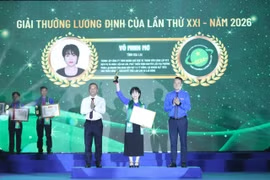
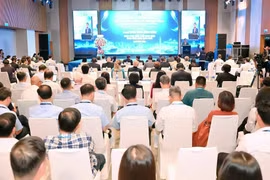
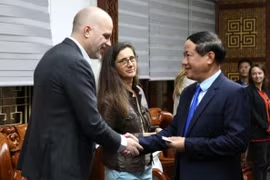
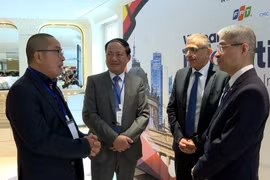
The award recognizes outstanding achievements in production, business, innovation, contributions to the community, and socio-economic development.
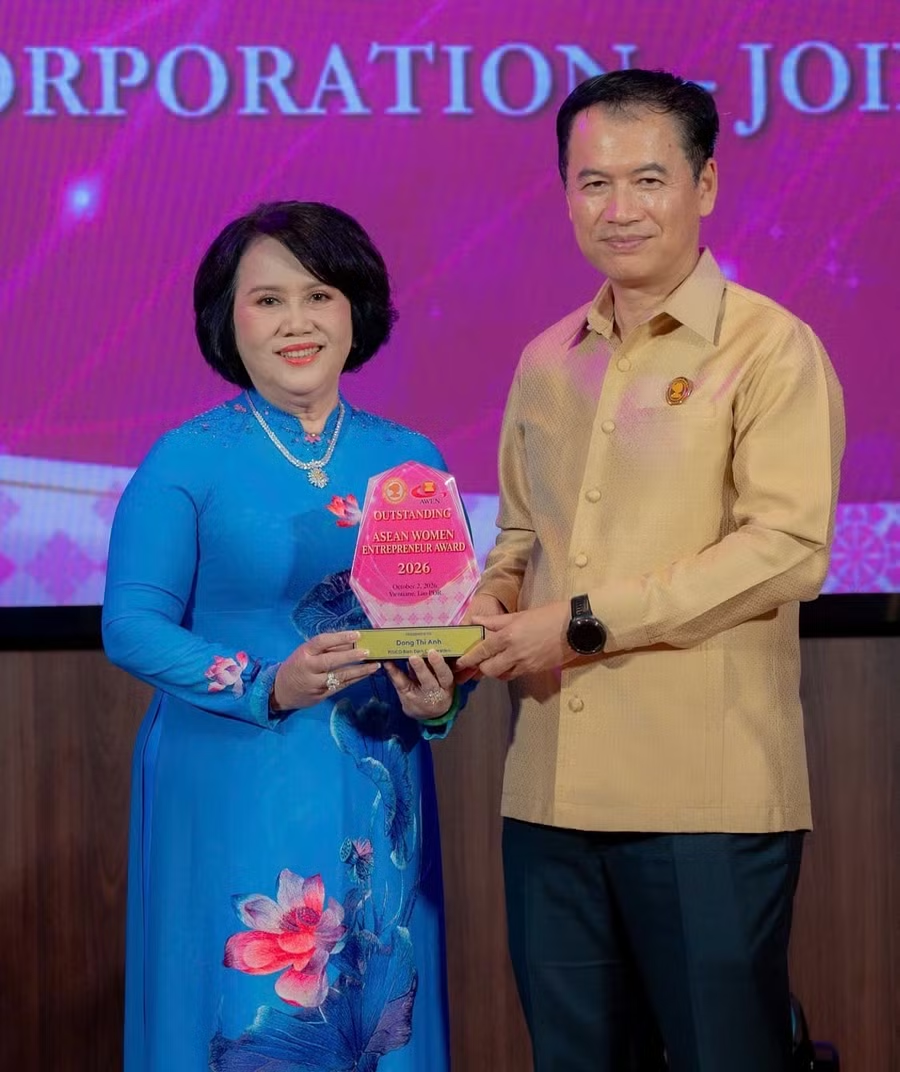
Upon returning from the event, Ms. Đồng Thị Ánh shared with Gia Lai Newspaper, Radio, and Television about connecting the ASEAN women entrepreneurs network, cross-border cooperation, management mindset, and strategic investment projects.
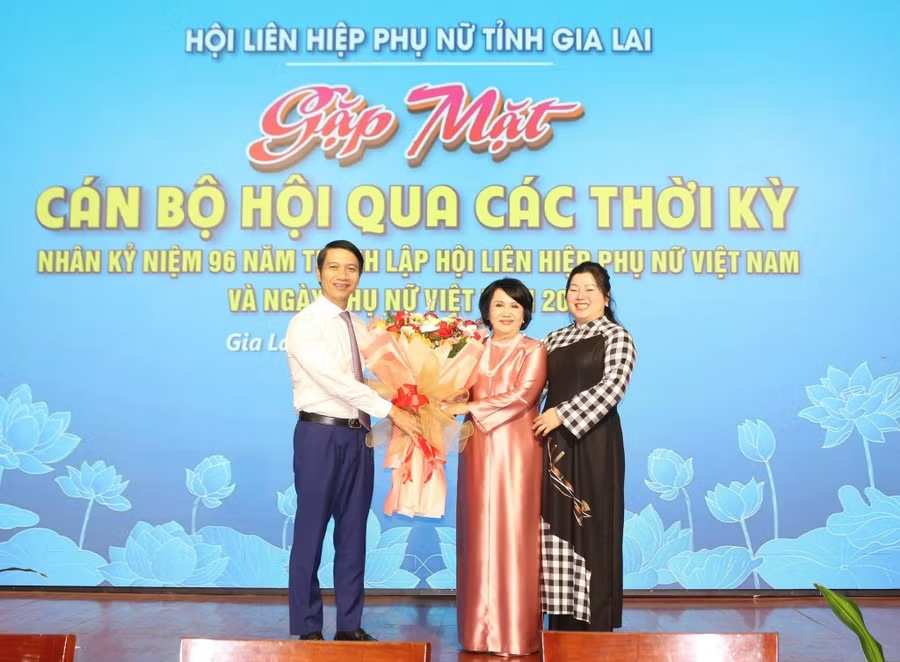
Ms. Đồng Thị Ánh, born in 1956, is Chairwoman of the Board of Directors of PISICO Bình Định Corporation – Joint Stock Company. With 33 years in business, she has led companies such as Ánh Việt, Ánh Vy, Thị Nại Port, and PISICO to develop sustainably across multiple sectors. Throughout her career, Ms. Ánh has received numerous prestigious honors: First, Second, and Third-class Labor Orders; National Emulation Fighter; Thánh Gióng Cup; Golden Rose; and Outstanding ASEAN Woman Entrepreneur.
Connectivity and integration - From networking to substantive cooperation
• At the 2026 Outstanding ASEAN Woman Entrepreneur Award Ceremony in Vientiane, what left the deepest impression on you?
What lingers with me is not just the joy of being honored for the second time at a prestigious regional award.
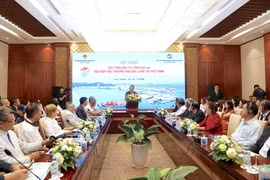
I am even more impressed by how the ASEAN women entrepreneurs community is shifting from mere networking to concrete exchanges about markets, technology, capital, and cross-border cooperation.
At this year’s forum, many direct issues were raised, such as artificial intelligence (AI), digital transformation, market access, and building business linkages.
This shows that AWEN is delving deeper, bringing real value to its members. Women entrepreneurs in the region are increasingly proactive in connecting resources and sharing experiences.
AWEN’s 2026–2027 term has also identified strengthening member linkages, skill development, trade promotion, and cross-border cooperation as key priorities.
• From your meetings with ASEAN women entrepreneurs, how do you assess the opportunities for cross-border business cooperation for women-led enterprises?
ASEAN is geographically close, but each country has its own legal framework, business culture, and consumer needs.
To reach the regional market, businesses not only need good products but also reliable contacts who understand the market and can identify the right partners.
This is the value of networks like AWEN. When entrepreneurs from 11 countries meet face-to-face, initial barriers are greatly reduced.
Such exchanges can open up relationships, information sources, or partners that would take much longer to find independently.
For women-led businesses, most of which are small and medium-sized with limited resources for international market research, regional networks help them access markets, investors, technology, and management experience more easily.
• Looking back on your business journey, how significant is expanding your network for enterprises in an integrated environment?
I always see networking as an integral part of business capability, not just a side activity.
A business may have capital, products, and a team, but without market understanding and trustworthy relationships, it is very difficult to go far.
The development of PISICO, investment in seaports, or expansion into Laos has proven this.
Every step requires cooperation from partners, authorities, and the local community.
Relationships are only sustainable when built on credibility, transparency, and fulfilling commitments.
Leadership mindset and core management competencies
• Starting from a small scale to becoming the controlling shareholder of PISICO, what were the turning-point decisions in your business journey?
Over more than 30 years in business, there have been several decisions that clearly changed my path.
I started out as a teacher and began my business career in 1993. Although the initial scale was small, it taught me the fundamentals of the market, labor, cash flow, and the responsibilities of a leader.
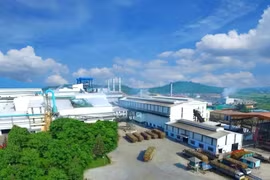
In 2010, I invested in Thị Nại Port Joint Stock Company with an initial 45.6% stake, later increasing it to 61.3% upon recognizing the potential of seaports and logistics. In 2014, I became a major shareholder of PISICO with a 10% stake, participating in management and restructuring.
By October 2017, increasing my ownership to become the strategic controlling shareholder and directly managing PISICO was a major turning point.
The common thread is that I only move forward when the business has a solid foundation, growth potential, and I can add value.
• How have you translated the motto “Efficiency – Transparency – Innovation – Sustainable Development” into specific management principles at PISICO?
These four values only matter when they are put into daily practice. “Efficiency” means using resources appropriately, ensuring investment decisions create value, managing by objectives, and linking responsibility to results.
“Transparency” is reflected in regulations, internal controls, and clear delegation. PISICO regularly works with independent auditors, legal, and tax consultants to ensure compliance and minimize risks.
“Innovation” involves promoting digital transformation, technical improvements, KPI-based management, and changing the team’s work mindset.
“Sustainable development” means not sacrificing long-term benefits for short-term results, and is tied to forest management, supply chains, the environment, and workers.
PISICO currently manages about 12,000 hectares of FSC-certified forest and is gradually implementing ESG standards in its business operations.
• Among the ability to spot opportunities, willingness to innovate, and team building, which do you consider most important for a leader?
These three factors are inseparable. A leader must see opportunities to set direction, be decisive in innovation, but the long-term key is still building a strong team.
No individual can single-handedly turn strategy into results. The larger the business, the more the leader’s role must shift from “doing it yourself” to building a system that operates well even in their absence.
I always delegate authority with responsibility, empower staff to be proactive, but maintain clear control mechanisms and shared core values.
PISICO has nearly 2,000 employees across the system. A leader can pave the way, but it is the team that ensures the business’s long-term journey.
Investment in Laos – Strategic Milestone and Regional Reach
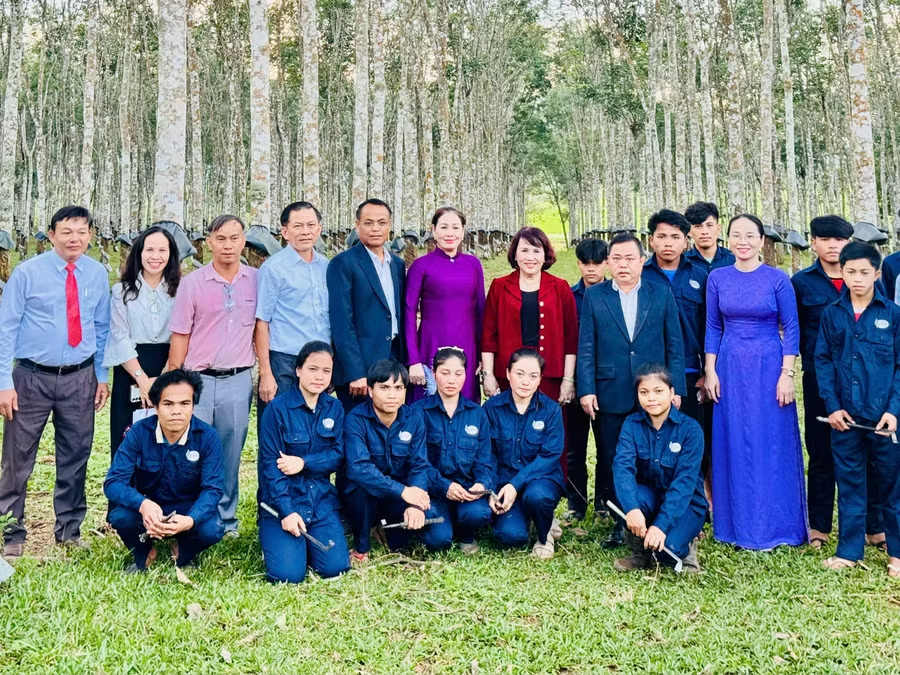
In 2013, PISICO decided to invest in a rubber planting and processing project in Sekong (Laos).
After 13 years, the company has established a stable production base with long-term development potential, creating jobs and income for local people, while concretizing cooperation between the two localities and fostering Vietnam–Laos friendship.
• What is the current scale of the Sekong project, and how has your investment experience in Laos helped you expand regionally?
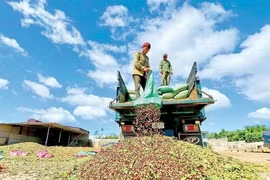
The project now comprises nearly 2,400 hectares of rubber in operation and 500 hectares of coffee under development.
It provides regular employment for over 500 local workers, contributes to the budget, and supports social welfare.
Developing coffee marks a shift to deeper investment, requiring workforce preparation, capital balancing, and careful market planning.
Experience in Laos shows that domestic experience is foundational, but operating abroad requires adaptability to local laws, customs, and coordination with local authorities.
The leader must build an on-site management team, clearly define responsibilities, and control finances, progress, and quality.
From this, I approach regional expansion with three questions: Are our advantages suitable? Is our team strong enough? Are our resources sustainable? Addressing these issues is the basis for expansion and fulfilling commitments.
• What are your plans for expanding investment in Laos and ASEAN in the near future, and what do you expect from AWEN’s role as a bridge?
Laos is a long-term investment market for PISICO. In the coming period, we plan to expand in Sekong and southern Laos, with an estimated investment of about VND 1,500 billion, developing over 10,000 hectares of industrial and agricultural crops and large timber trees.
At the same time, we are exploring opportunities in mineral exploitation based on careful assessment of efficiency, legality, and environmental impact.
In ASEAN, we focus on suitable opportunities, leveraging our strengths and choosing partners with shared perspectives, rather than expanding at any cost.
I hope AWEN will play a substantive bridging role: providing reliable information, connecting markets, investors, and partners.
The ultimate goal is to turn meetings into trusted relationships and concrete cooperation projects, affirming the network’s position.