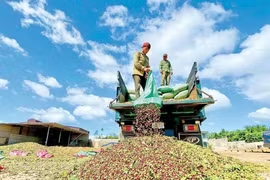
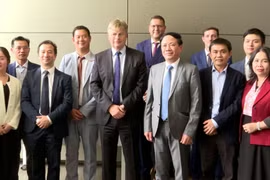
The changes in Ia Phí and Chư A Thai communes reflect efforts to organise production around shared technical practices and market needs, with farmers increasingly working together on cultivation, livestock care and sales.
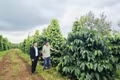
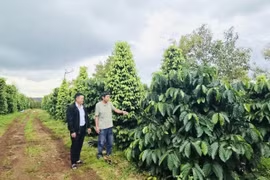
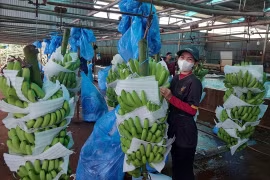
In Ia Phí, the Ia Phí Organic Agricultural Cooperative received VietGAP certification in late September 2026 for 35.5 hectares of coffee, with expected annual output of about 781 tonnes.
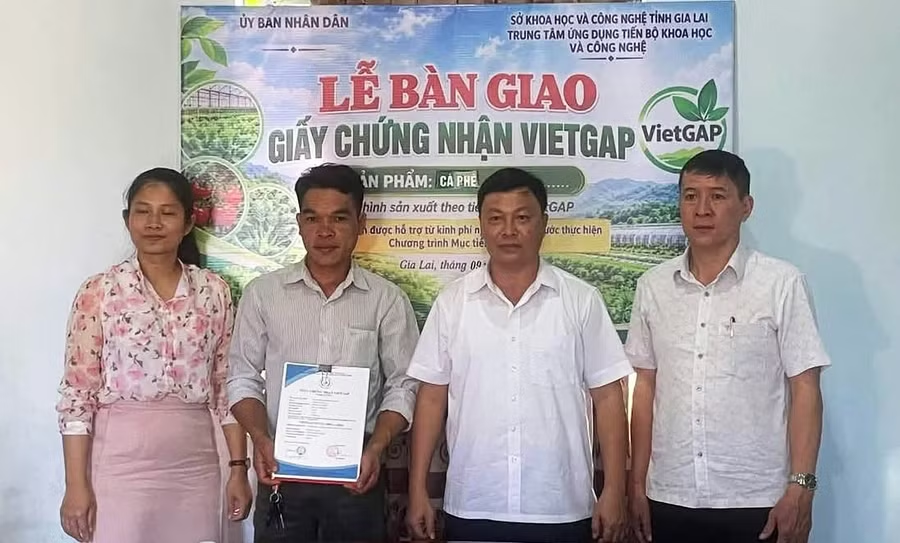
The certified area belongs to 12 of the cooperative’s 100 members, who together cultivate more than 200 hectares of coffee.
Cooperative director Bùi Văn Dương said the initial certification would help encourage other members to improve quality, change farming practices and bring more land under the standard.
Certification requires growers to follow cultivation procedures, manage agricultural inputs, monitor quality and maintain production records that allow their products to be traced. These requirements make record-keeping and oversight a routine part of farming.
Nguyễn Công Sơn, chairman of the Ia Phí Commune People’s Committee, said the certification marked a step towards standardised production in an area where growers had relied largely on experience.
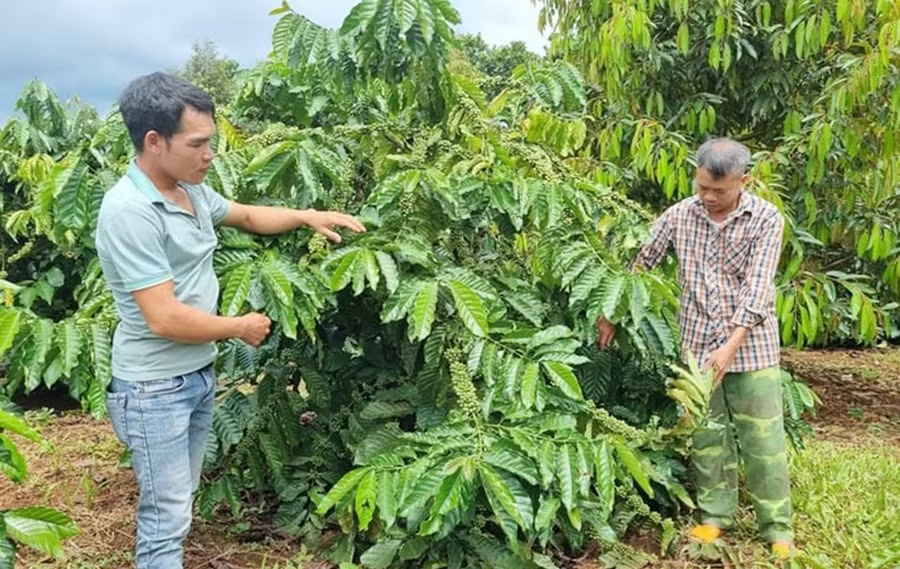
The commune aims to turn compliance into financial benefits for farmers through better quality, traceability, business partnerships and processing. Sơn said certification was a starting point towards increasing the value of coffee and growers’ incomes.
In Chư A Thai, sweet potato farmers are organising to address fragmented production and improve coordination with buyers.
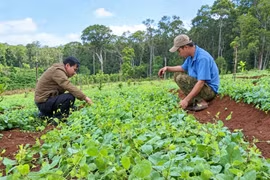
The Japanese Sweet Potato Growers’ Association in Hải Yên hamlet has brought together 50 members to exchange technical knowledge, share market information and coordinate production and sales.
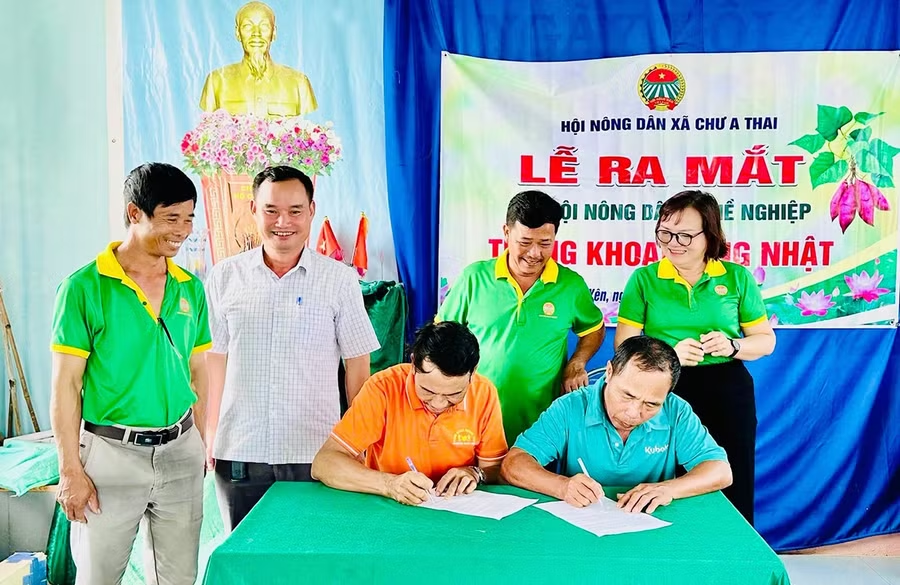
The hamlet has about 225 hectares of Japanese sweet potatoes. Most households previously handled planting, crop care, harvesting and marketing independently, limiting their ability to respond collectively to market changes.
Đỗ Văn Lời, the association’s deputy head, said cooperation would help members agree on technical procedures and planting and harvesting schedules, while making it easier to connect with buyers.
After its establishment, the association created a Zalo group to share information on cultivated areas, expected output, harvest dates and markets. It also aims to secure agreements for buyers to purchase members’ produce.
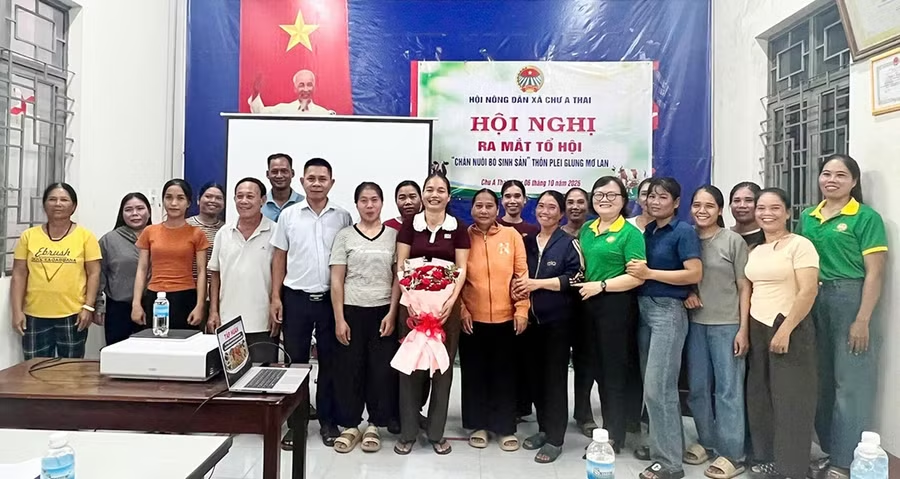
Members receive cultivation training and guidance on working towards VietGAP standards, developing collective businesses, participating in the One Commune One Product (OCOP) programme and using digital tools.
Similar cooperation is taking shape among cattle farmers.
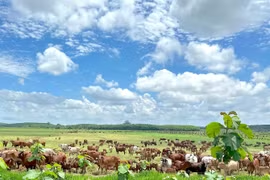
On October 6, the Chư A Thai Commune Farmers’ Association launched a cattle breeding group in Plei Glung Mơ Lan hamlet with 20 members. Together, they keep 87 cattle, including 63 breeding cows.
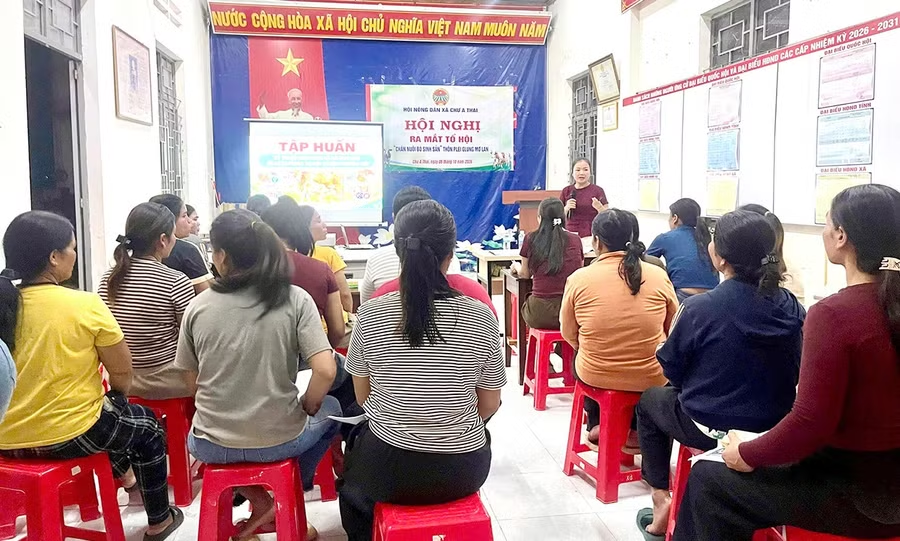
The group provides a forum for sharing husbandry experience and helping members access technical advice, production support programmes and preferential loans.
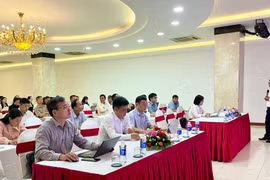
Following the launch, the commune’s Farmers’ Association and the Phú Thiện Commune Public Service Center held training on breeding cattle husbandry and the prevention and treatment of common diseases.
The training covered animal care, herd management and disease prevention, supporting efforts to supplement farmers’ practical experience with technical knowledge.
Chư A Thai has about 4,600 cattle, including 1,841 breeding cows. Plei Glung Mơ Lan accounts for 345 cattle, of which 160 are breeding cows.
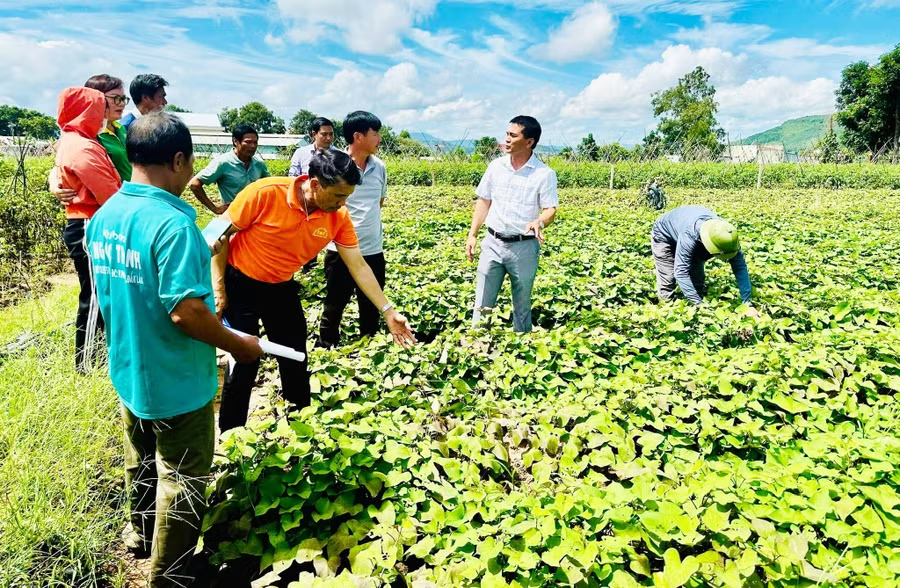
Under the National Target Programme, the Chư A Thai Commune People’s Committee has provided 84 breeding cows to 42 poor and near-poor households in an initial round of support. A second round is planned to provide 144 cows to 96 households.
Alongside the livestock assistance, local efforts focus on improving husbandry skills and cooperation to support herd development and household livelihoods.
Nguyễn Thị Ý Đạt, chairwoman of the Chư A Thai Commune Farmers’ Association, said groups organised around shared occupations help farmers exchange experience and gain access to technical knowledge and market information.
She said closer coordination could improve product consistency and marketability as members move from individual production towards cooperation.
The association would continue helping farmers access technology, finance and buyers, Đạt said, with the aim of supporting sustainable production and higher incomes.