Inspections have found missing label information, incorrect production or expiry dates and the use of OCOP star ratings on products whose certification has expired.
Some small producers have also attached OCOP labels to uncertified goods, according to Le Hong Ha, head of the Market Management Sub-Department under the Department of Industry and Trade.
The findings highlight the continuing responsibilities of producers after certification, as the province expands sales outlets and promotes local specialties.
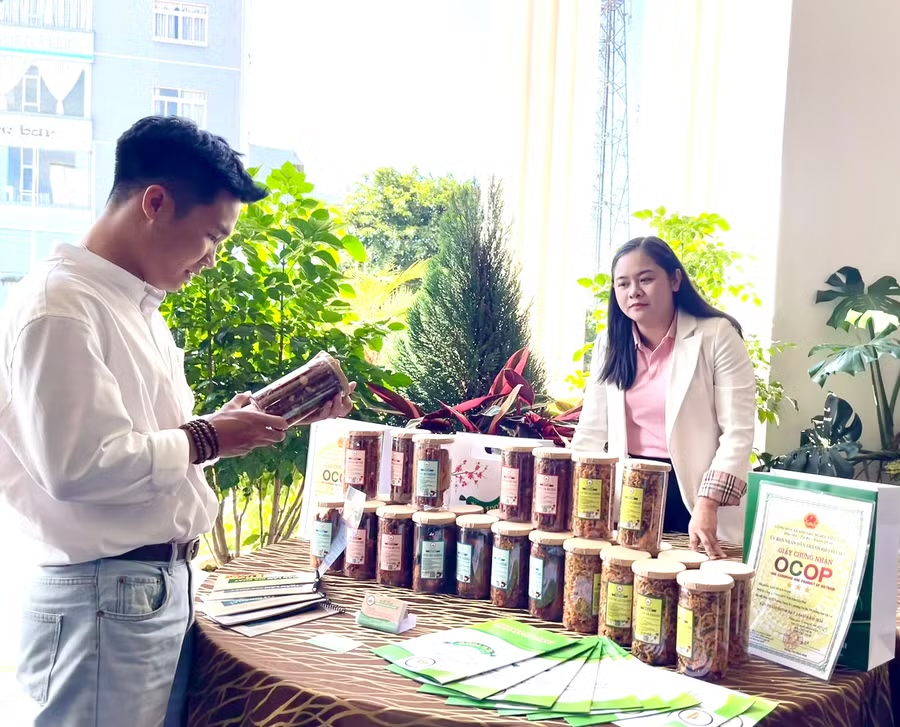
A review by the Department of Agriculture and Environment found that Gia Lai has 750 three-star, 85 four-star and 11 five-star OCOP products with valid certification. Products must undergo reassessment after 36 months to retain their status.
The programme covers six groups: food; beverages; medicinal herbs and herbal products; handicrafts; ornamental creatures; and community tourism, ecotourism and tourist sites. Each group is subject to management and quality requirements tailored to its characteristics.
Tran Quoc Truong, head of the Quality Standards Management Division at the Sub-Department of Standards, Metrology and Quality, said producers must focus on three areas: technical standards and regulations, product quality, and labeling.
Technical requirements guide production and processing, while consistent quality underpins consumer confidence and competitiveness. Labels must give buyers the information they need to identify a product, understand its ingredients and origin, and establish who is responsible for it.
Ha said some producers had been slow to keep up with new regulations on electronic labels, QR codes and traceability.
Guidance on these requirements, alongside food safety, pricing, trading practices and consumer protection, would help businesses understand their obligations and prevent violations, he said.
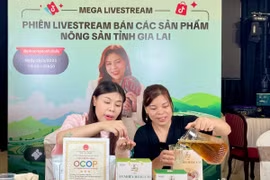
Online sales are increasing the need for accurate, verifiable information. Ha said digital marketing must reflect a product’s actual quality.
Herbal products cannot be promoted as medicines without justification, while claims such as “organic” or “green product” require supporting documentation and verification records.
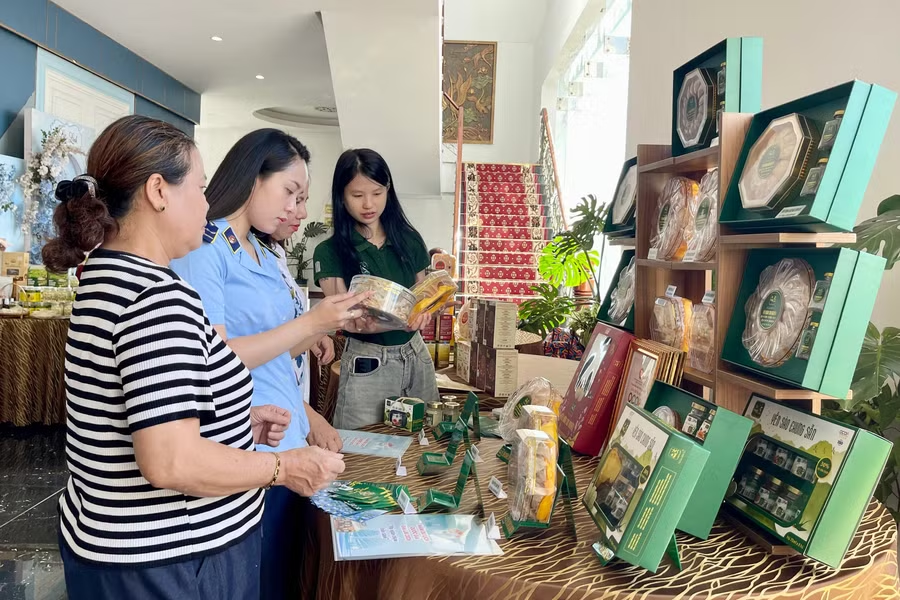
For producers, meeting those expectations begins before an application for OCOP recognition.
Tran Thi Be, director of Tran Lam Gia Phat Co., Ltd. in Hoi Phu Ward, said changing consumer behaviour was driving demand for higher quality and greater transparency.
Businesses therefore needed to strengthen production capacity and quality controls from the outset, rather than focus solely on certification paperwork.
Her company received training during the application process on quality standards, product declarations, labeling, packaging and traceability.
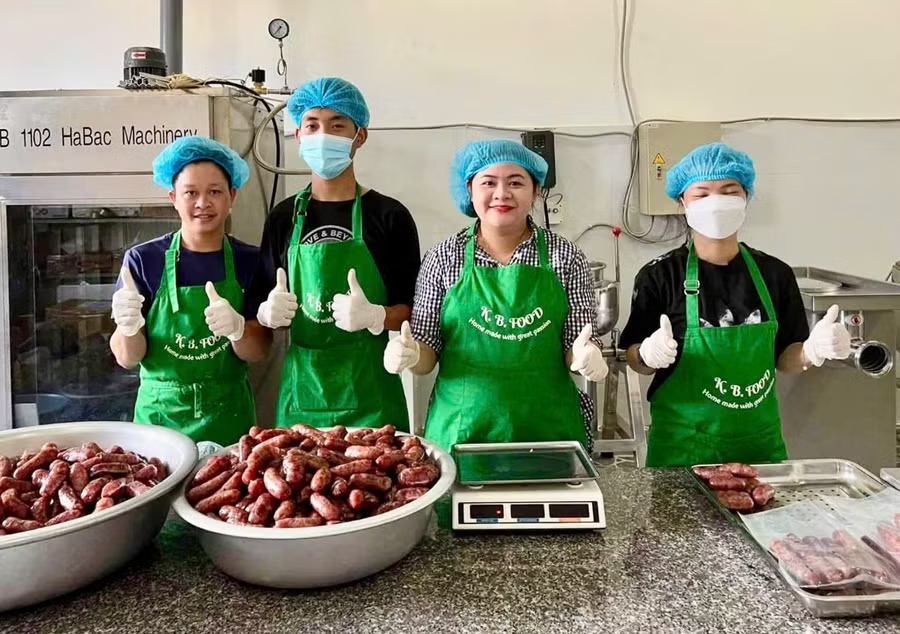
Be said OCOP recognition did not replace other licences, certifications or sector-specific business conditions. Understanding those obligations was essential to maintaining standards after certification.
For products subject to specialised regulation, including alcohol, compliance is particularly important.
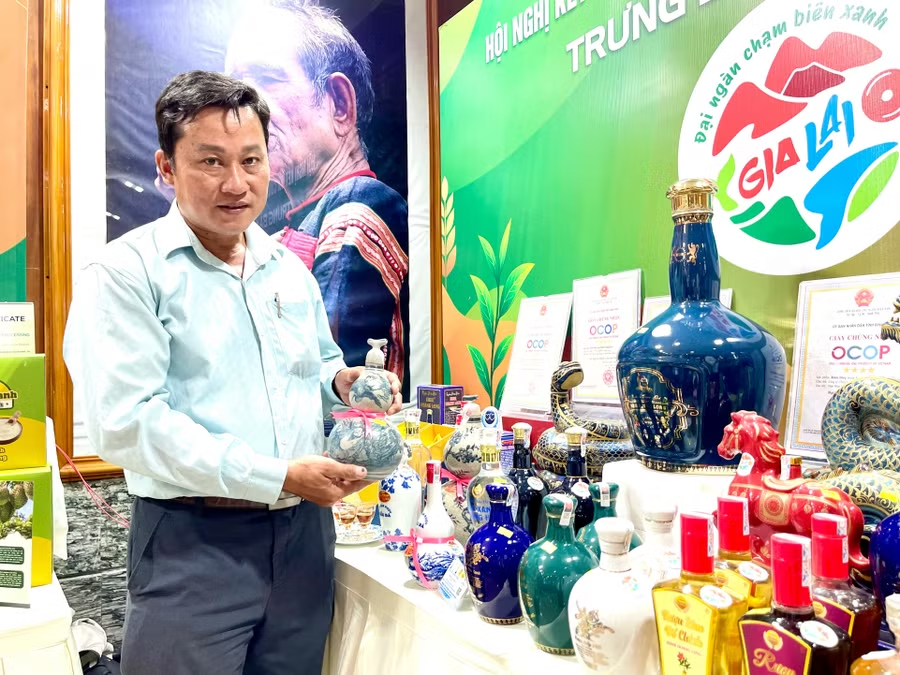
Duong Van Hanh, director of BIDIR Hoang Long Co., Ltd. in Binh Dinh Ward, said consistent quality for products carrying the Bau Da liquor collective brand must be supported by standardised production, packaging and labeling.
The brand is associated with Binh Dinh’s cultural heritage and traditional craft. Hanh said those controls helped protect the reputation of the company’s four-star OCOP products, reduce risks from counterfeiting and unclear origins, and support access to modern distribution and retail channels.
State support and business investment have helped expand Gia Lai’s network of OCOP shops and product display outlets. Further development and trade promotion are taking place during National Tourism Year – Gia Lai 2026.
As producers reach larger distribution networks, online buyers and export markets, information about ingredients, production methods, quality standards and origin must be verifiable. Maintaining those standards is central to retaining certification and protecting the reputation of local products.