Ahead of the programme’s closing ceremony in Quy Nhon Ward on 6 December, Nguyễn Thị Thanh Lịch, Vice Chairwoman of the Gia Lai Provincial People’s Committee, spoke to Gia Lai Newspaper and Radio & Television about what the province has achieved so far and how it plans to build on that work.
* What has National Tourism Year done to raise Gia Lai’s profile and attract visitors?
- The biggest change has been in how people see Gia Lai. The province is becoming better known as a destination with a distinct identity and a range of experiences that can appeal to visitors from Vietnam and abroad.
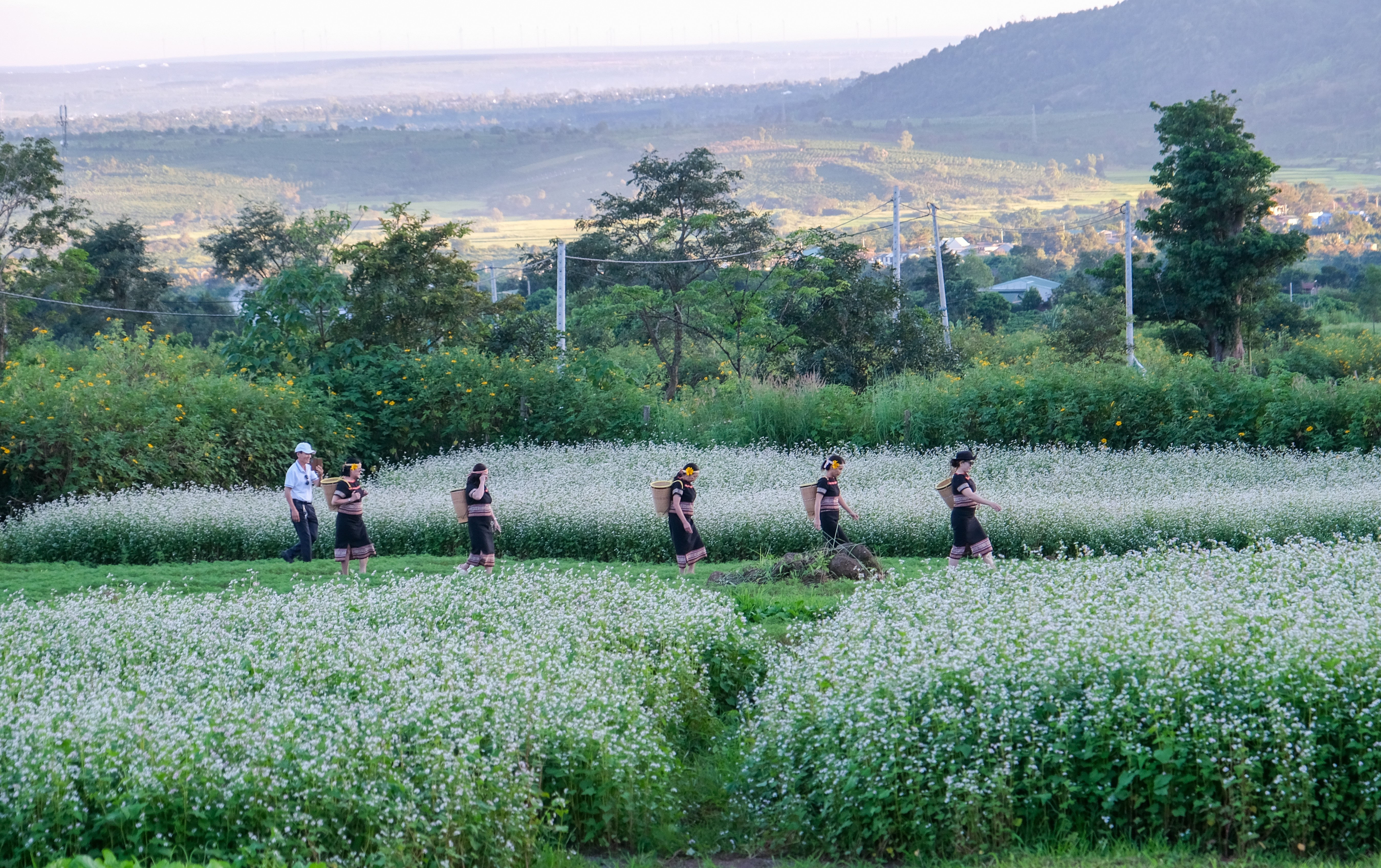
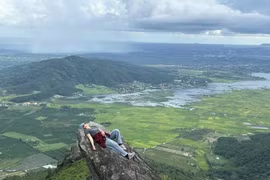
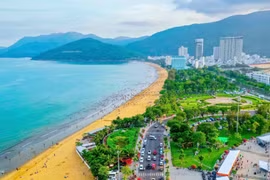
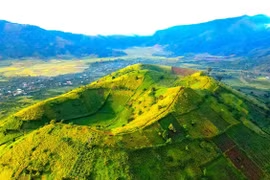
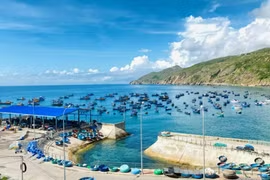
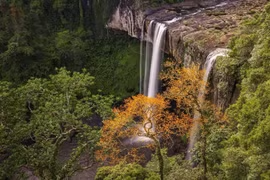
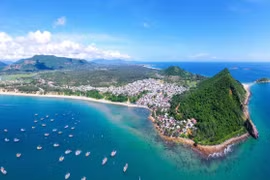
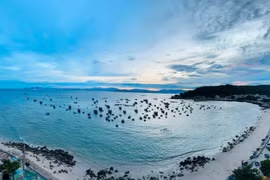
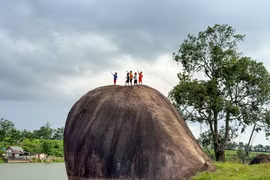
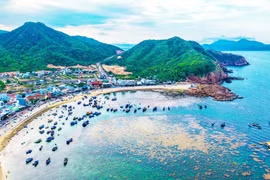
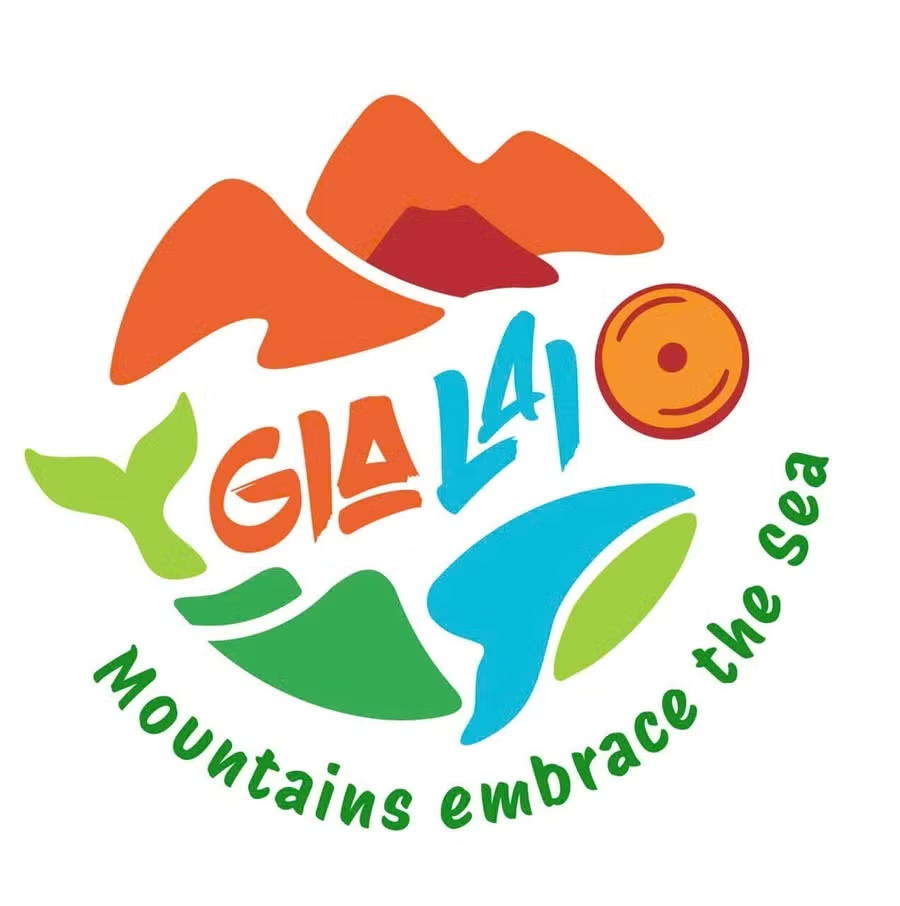
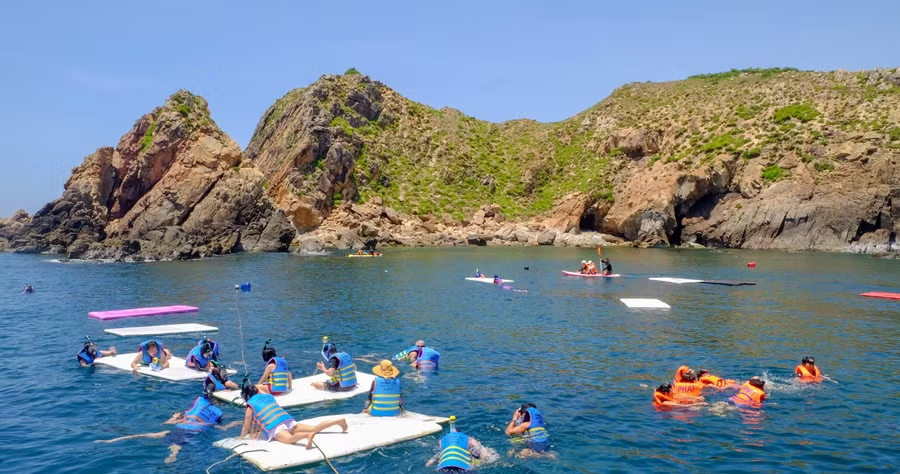
Our theme, “Gia Lai - Mountains embrace the sea”, brings together the landscapes of the Central Highlands and the coast.
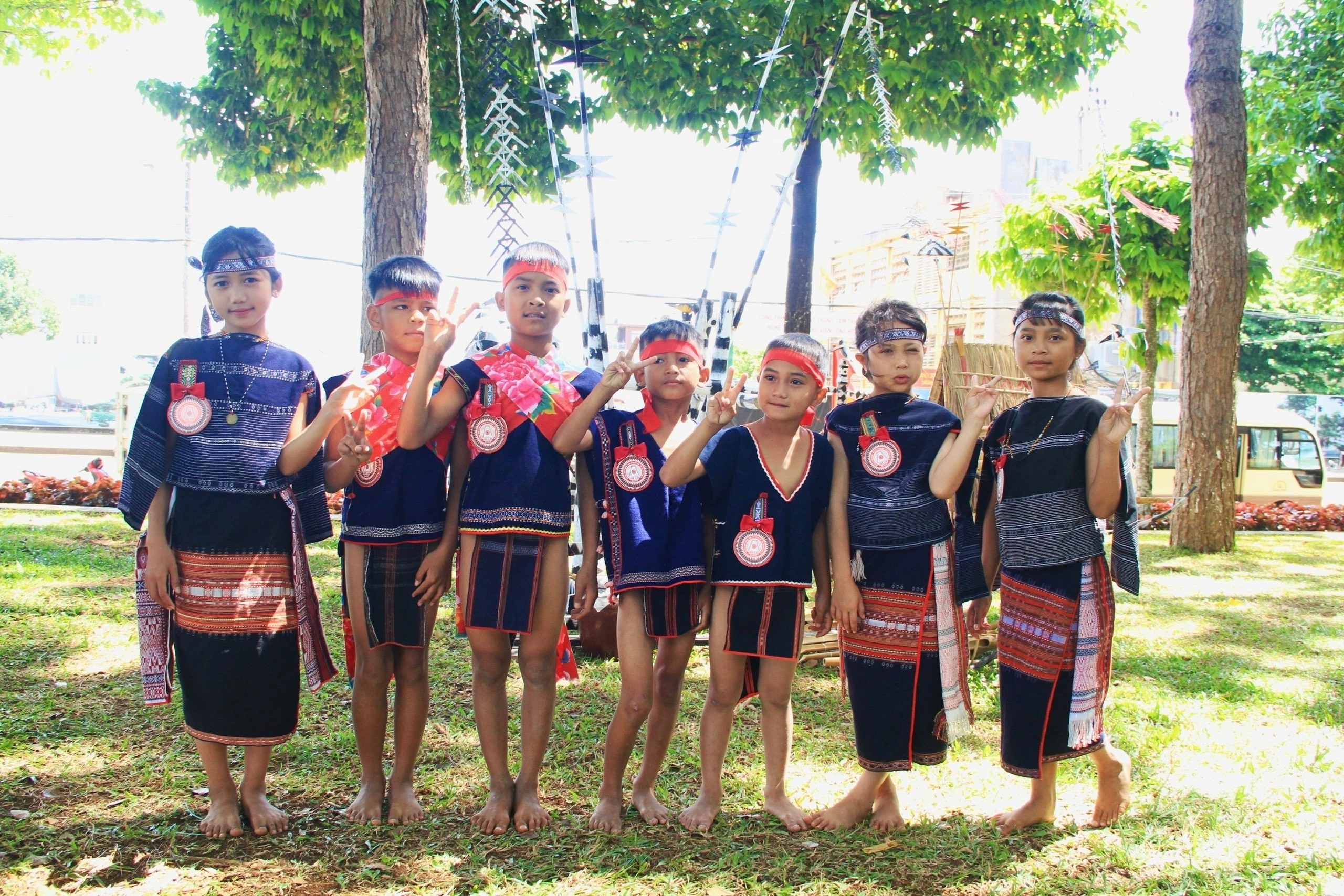
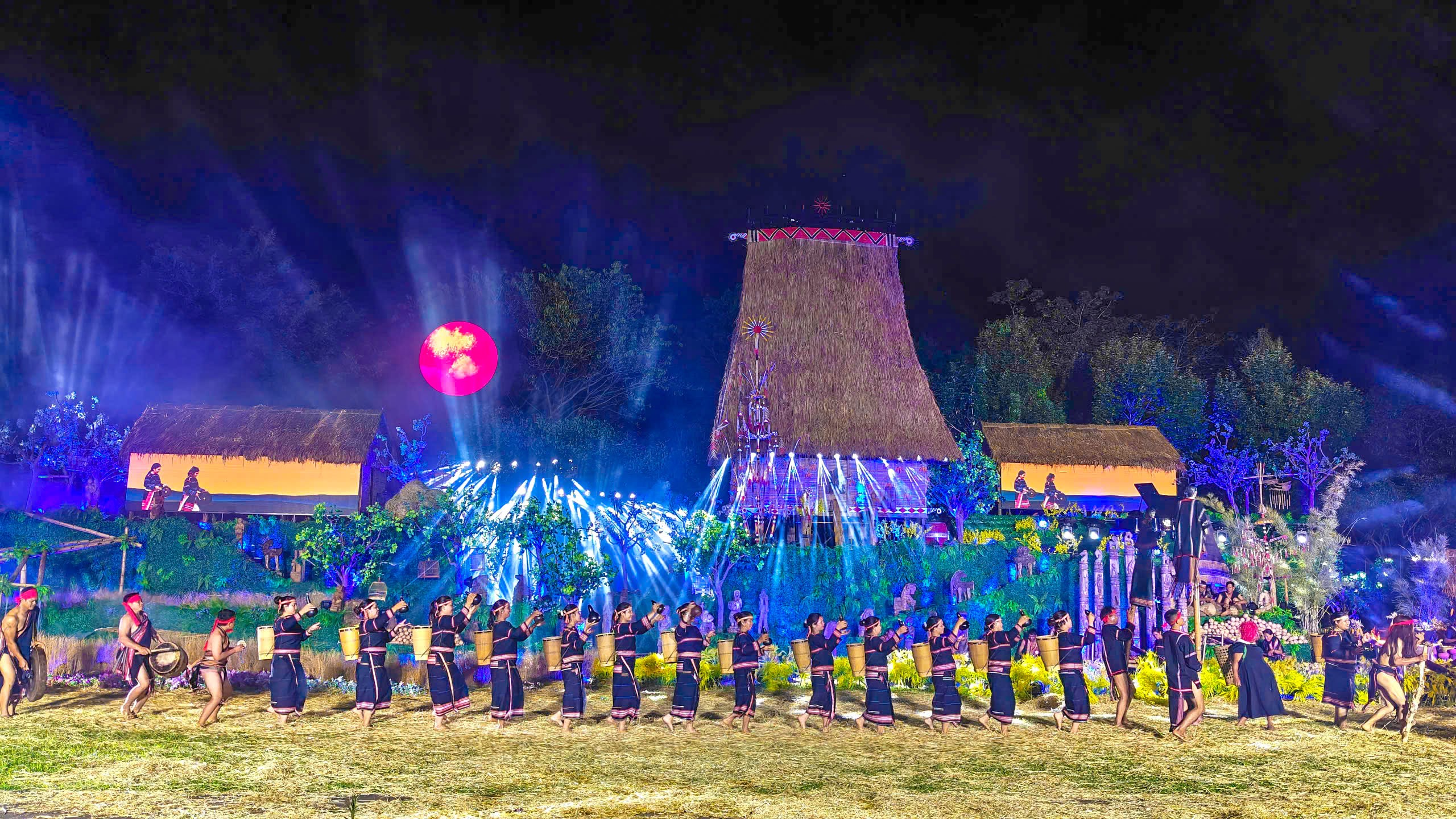
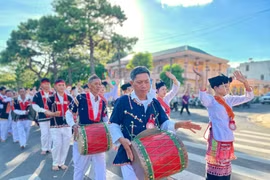
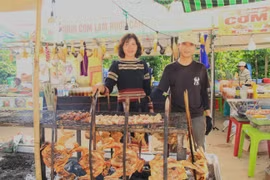
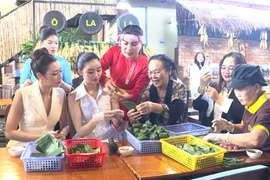
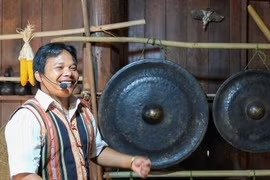
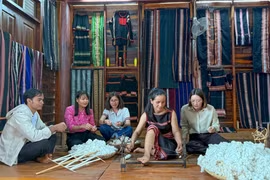
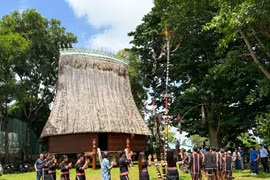
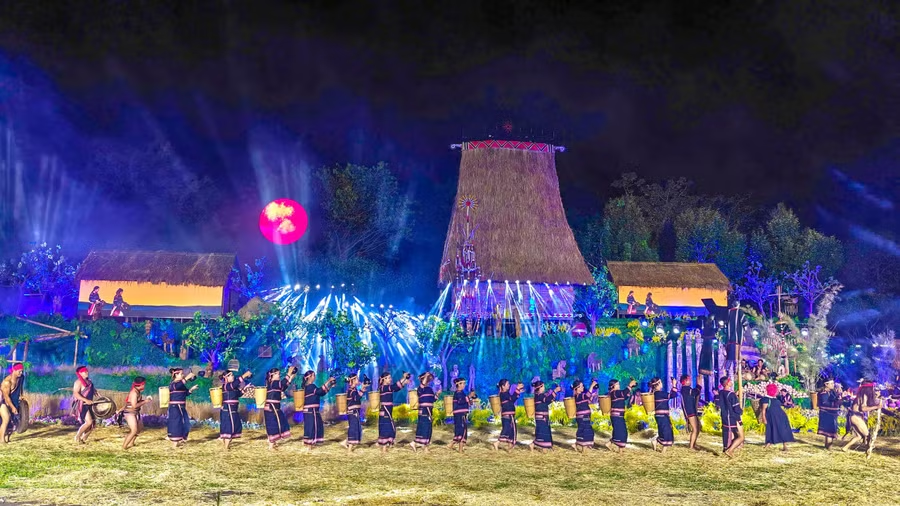
It also reflects the range of traditions visitors can experience, from gong culture to traditional Bình Định martial arts, Tây Sơn heritage, Champa culture and performing arts such as hát bội and bài chòi. Local food and everyday community life are part of that experience.
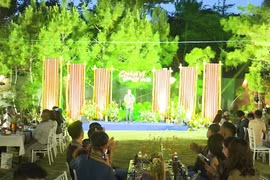
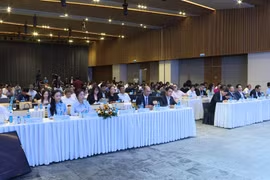
Cultural, sporting and tourism events have helped us reach visitors. Investment forums, business meetings and media coverage have also introduced Gia Lai to potential partners and investors.
The programme has encouraged residents to take pride in their communities and in the way they welcome visitors.
The way people are received can be as memorable as the places they visit. We want people who hear about Gia Lai to find a reason to come and, once they have been here, a reason to return.
* How has the programme helped develop tourism routes between the coast and the Central Highlands?
- We have brought destinations, tour operators, accommodation providers and other businesses together to develop itineraries that take visitors from the coast into the highlands. Three types of trip have emerged.
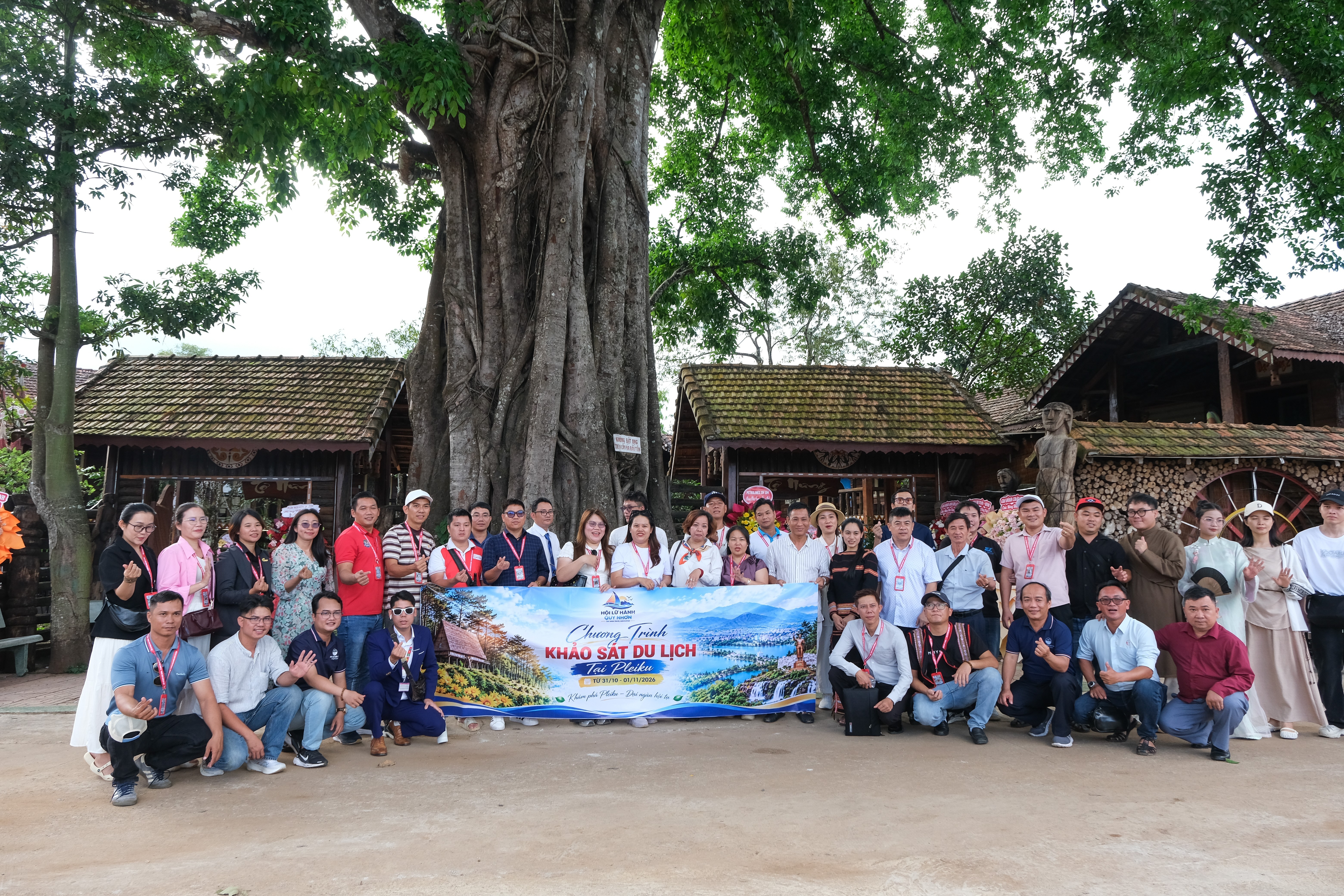
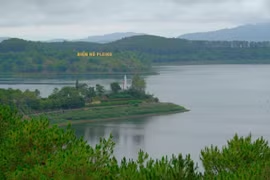
The first links Quy Nhon and other coastal destinations with Pleiku, Bien Ho and Chư Đang Ya.
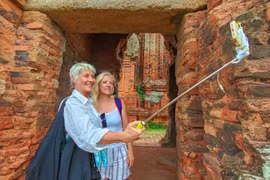
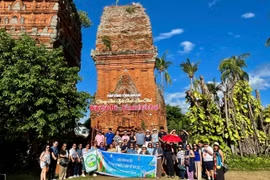
The second focuses on history and culture. It brings together Tây Sơn heritage, Bình Định martial arts, Cham towers, hát bội and bài chòi with gong traditions and daily life in ethnic communities.
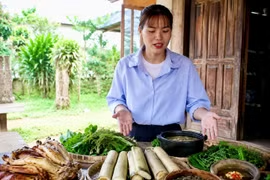
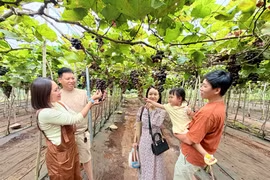
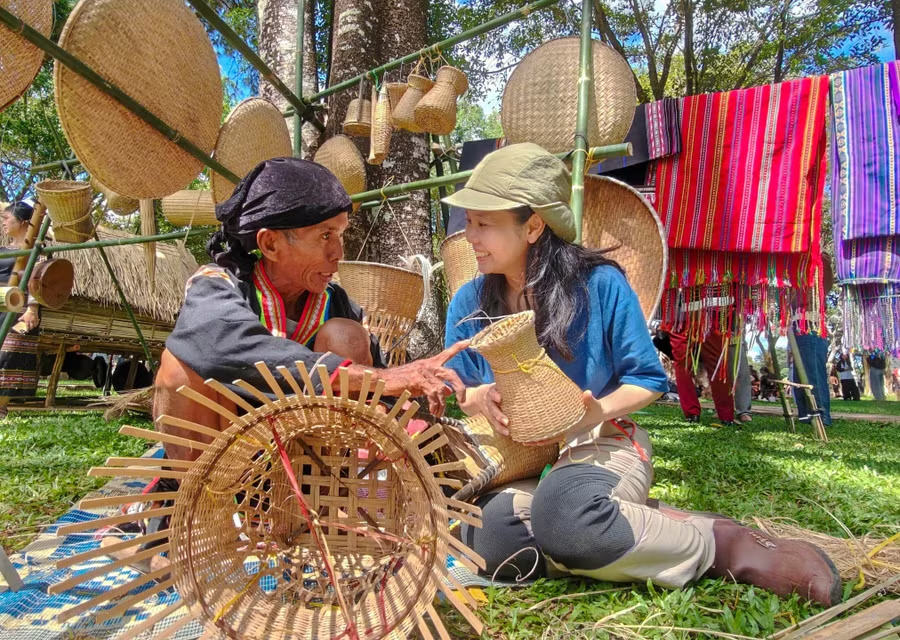
The third combines nature, highland farming, traditional crafts, local food and community-based tourism.
These routes are still at an early stage. Better transport, rest stops and visitor services will make the journeys easier.
Businesses will also need to work more closely together and design trips around what travellers want. The aim is to give visitors enough to do along the way to stay longer and spend more in Gia Lai.
* How will the province assess the impact on tourism revenue, businesses, investment and local communities?
- We will look at visitor numbers and revenue, alongside where visitors come from, how long they stay, how much they spend and how many return. Those figures give us a fuller picture of how Gia Lai is doing as a destination.
For businesses, the test is whether introductions made during National Tourism Year lead to contracts, new tourism products and steady business.
The programme has given operators opportunities to reach new markets and work with travel agencies, transport companies, accommodation providers and investors.
We see investment opportunities in resorts, integrated tourism complexes, ecotourism and high-quality cultural, sporting and entertainment activities.
We also want to see benefits for residents, particularly in rural and mountainous areas.
Tourism can create jobs and help people earn more from farm produce, handicrafts and local food.
When residents share in those benefits, they have more incentive to protect the landscapes and traditions that draw visitors. We want tourism growth to generate lasting income for local businesses and communities.
* What comes after the closing ceremony, and how will Gia Lai use the APEC 2027 Informal Senior Officials’ Meeting in Quy Nhon from 7 to 9 December 2026 to promote tourism?
-After the ceremony, we will keep promoting Gia Lai and select events and tourism experiences to develop in 2027 and beyond.
We will also work to improve services and public spaces, keep destinations clean and safe, ensure food safety and make prices clear to visitors. Friendly, professional service will be part of that work.
We will work more closely with tour operators, airlines and accommodation providers to develop trips for different groups of travellers, especially international visitors.
For the meeting in Quy Nhon, our immediate priority is to host delegates safely and professionally.
We also want to offer them a chance to try local food, learn about our culture and visit destinations that fit around their schedules.
The meeting gives Gia Lai an opportunity to introduce the province to an international audience and build relationships in tourism, culture and business.