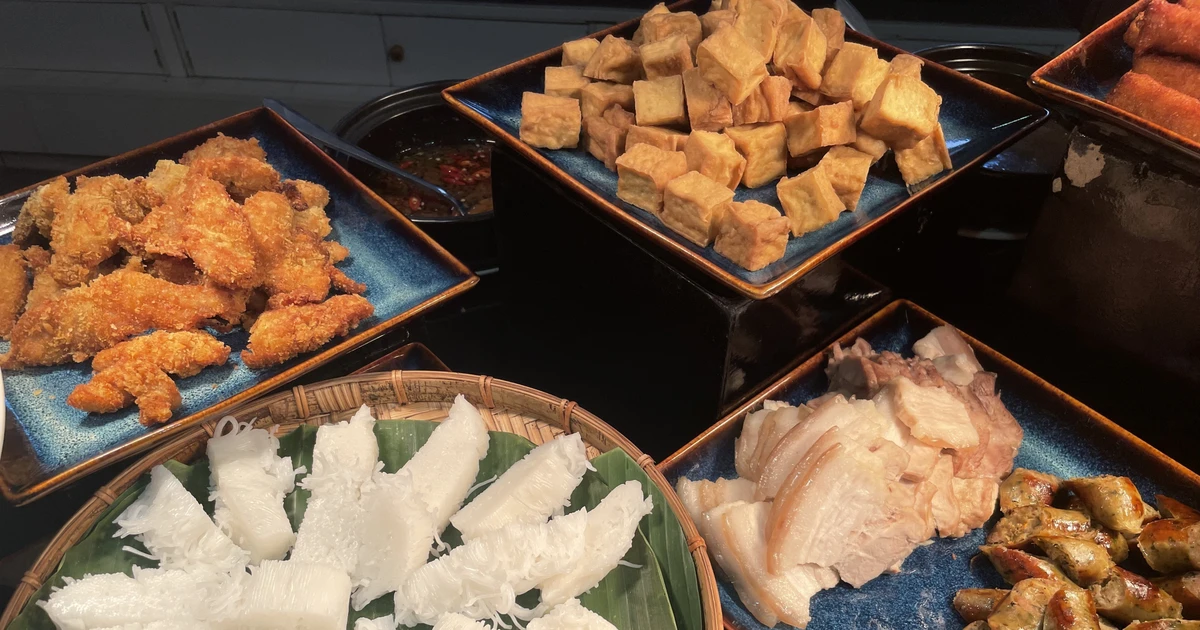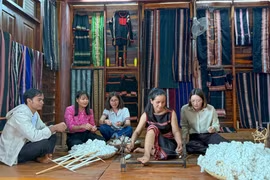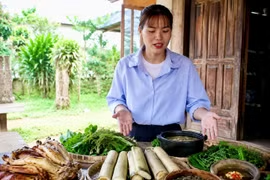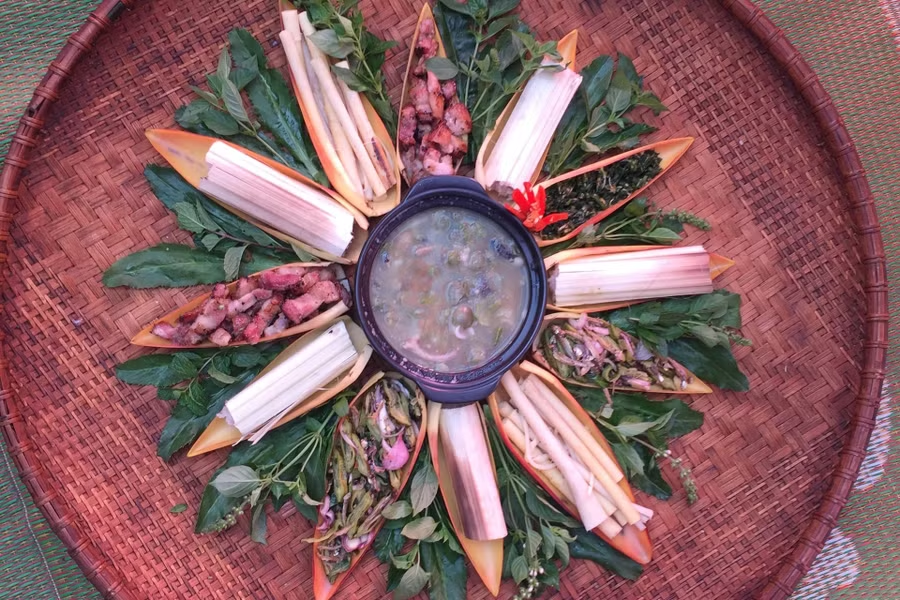
Amid the global shift toward environmentally friendly dining, local communities in Lam Dong are redefining their traditional gastronomy, built on harmony with nature, as a model of green cuisine. For generations, ethnic groups such as the M’nông, Mạ, Ê Đê, Dao, Tày, and Nùng have relied on forest vegetables, bamboo shoots, mushrooms, stream fish, and locally raised poultry to create dishes that are both wholesome and environmentally responsible.
Signature dishes like canh thụt (bamboo tube soup), cơm lam (bamboo-cooked sticky rice), grilled stream fish, charcoal-roasted meats, and rượu cần (fermented rice wine sipped through bamboo straws) showcase the region’s culinary philosophy: natural ingredients, minimal waste, and deep respect for the environment.
Canh thụt, a signature of the M’nông people, is made from forest vegetables, bamboo shoots, and rice flour, slow-cooked in bamboo to preserve natural sweetness without artificial seasonings. Cơm lam, cooked over glowing coals, carries a distinctive bamboo aroma, while rượu cần, fermented with forest leaves rather than industrial additives, embodies both flavor and sustainability. Promoted as “green specialties,” these dishes offer potential for sustainable tourism and a unique competitive edge.
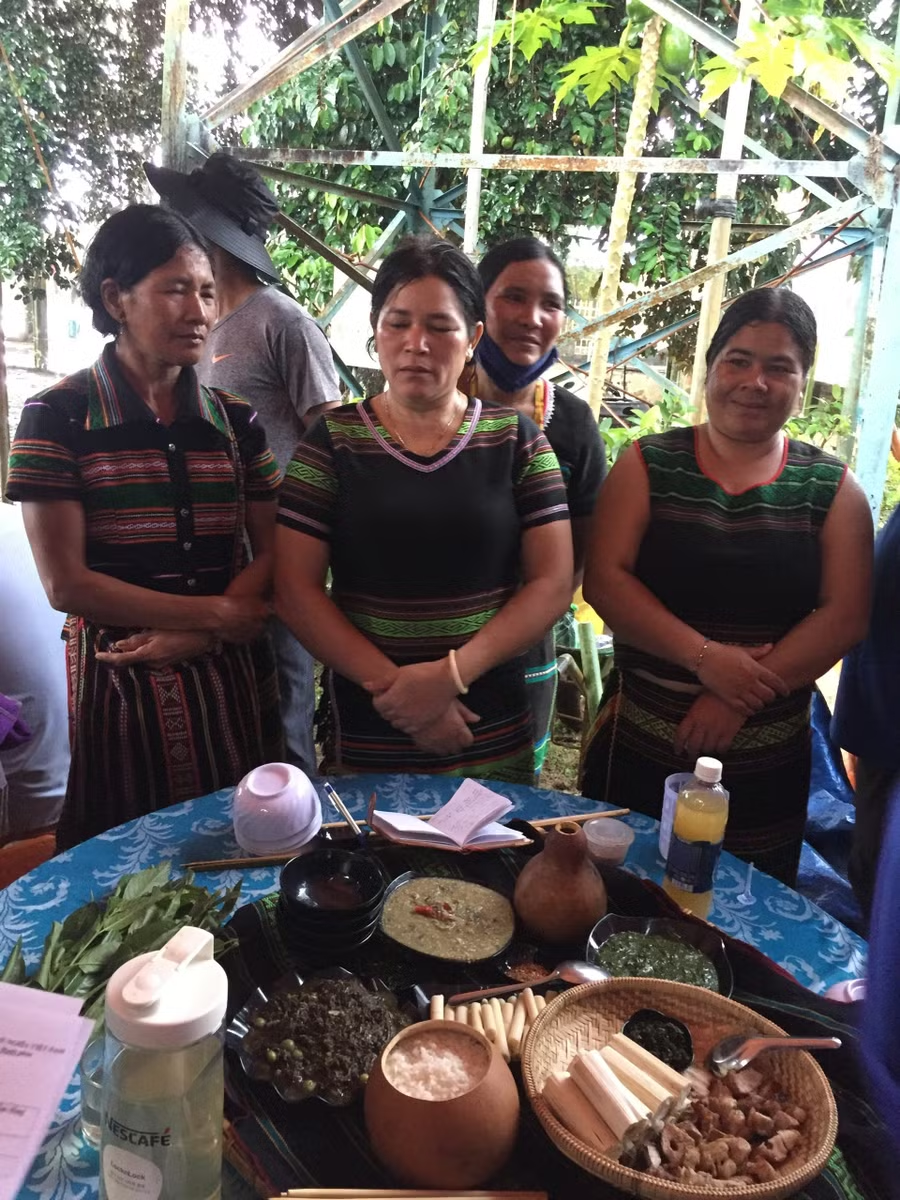
The “green” approach extends beyond ingredients to preparation and serving methods. Local communities replace plastic packaging with bamboo, rattan, wood, and banana leaves. Communal drinking customs, such as sharing rượu cần through bamboo straws, further minimize waste.
Many households and cooperatives are now integrating traditional cuisine into eco-friendly tourism experiences. Artisan Điểu Nơi from Jiêng Ngaih village, Tuy Đức commune, emphasized that preserving culinary heritage starts with respecting natural ingredients: “We don’t rely on industrial seasonings. We let the food’s natural flavor speak for itself, this reflects our culture and supports healthy, green living.”
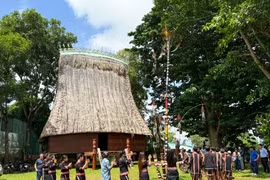
Community-based tourism has embraced this culinary revival. Visitors increasingly seek authentic meals in longhouses or village settings, where traditional dishes and sustainable practices create memorable cultural experiences. Younger generations are also contributing, developing dried food products and eco-packaged souvenirs, as well as designing culinary workshops tied to local tourism.
For Lam Dong’s indigenous cuisine to thrive within the green gastronomy movement, cooperation between local communities and authorities remains crucial. Key priorities include brand development, food safety training, technical assistance for sustainable processing, and skills programs to enhance hospitality. Integrating green cuisine into eco- and community-based tourism could form a sustainable value chain, preserving culture while boosting local livelihoods.
(Source: baolamdong.vn)