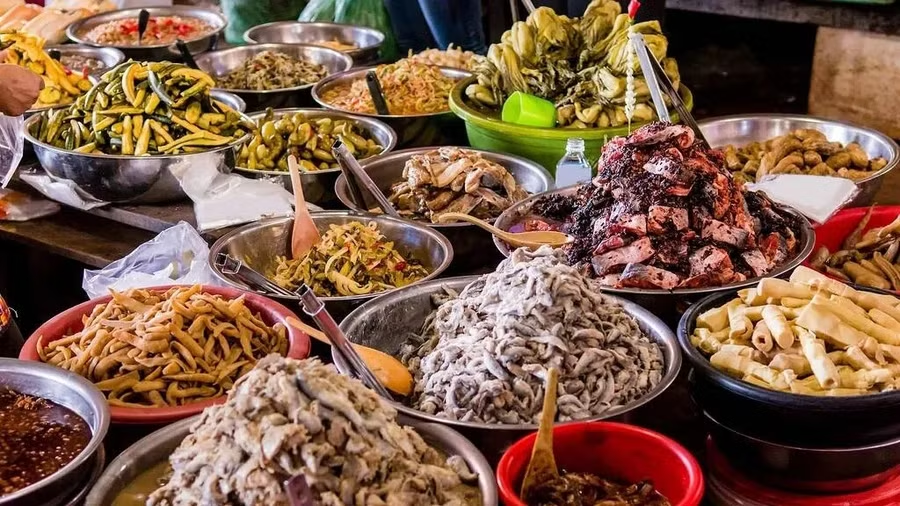
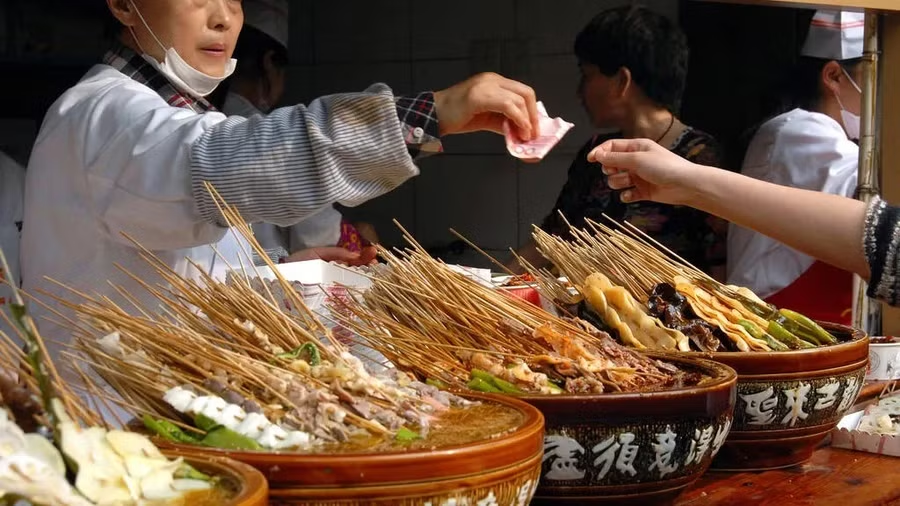
Hanoi has surpassed many of its neighbors, including Singapore, Bangkok, and Phnom Penh, to be named Asia’s second-best street food city, according to British magazine Time Out.
Asia is widely regarded as the epitome of street food, consistently ranked among the world’s best- just ask Michelin.
Picture sizzling woks ablaze, tiny red plastic stools, and the tantalizing aroma wafting through the air. The following list of Asia’s top 10 culinary cities was selected by the renowned British travel magazine Time Out.
1. Penang, Malaysia
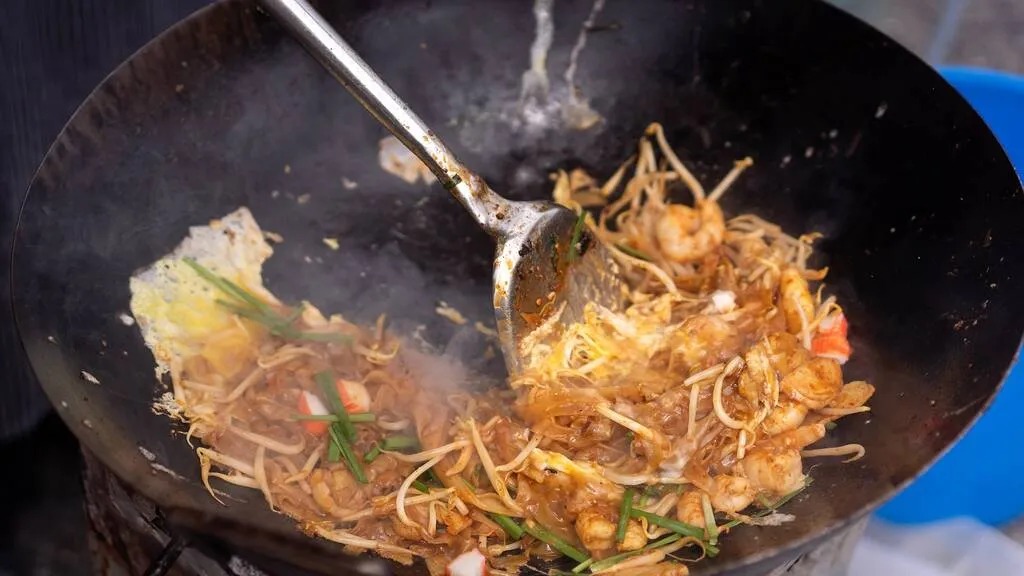
A cultural blend of Malay, Chinese, Peranakan, and Indian influences, Penang boasts a long list of must-try specialties, including char kuey teow (stir-fried noodles), assam laksa (a tangy noodle soup), roti canai (Indian flatbread), and hokkien mee (prawn noodle soup). Ask locals for the best place to try each dish, and you’ll always get a different answer.
2. Hanoi, Vietnam
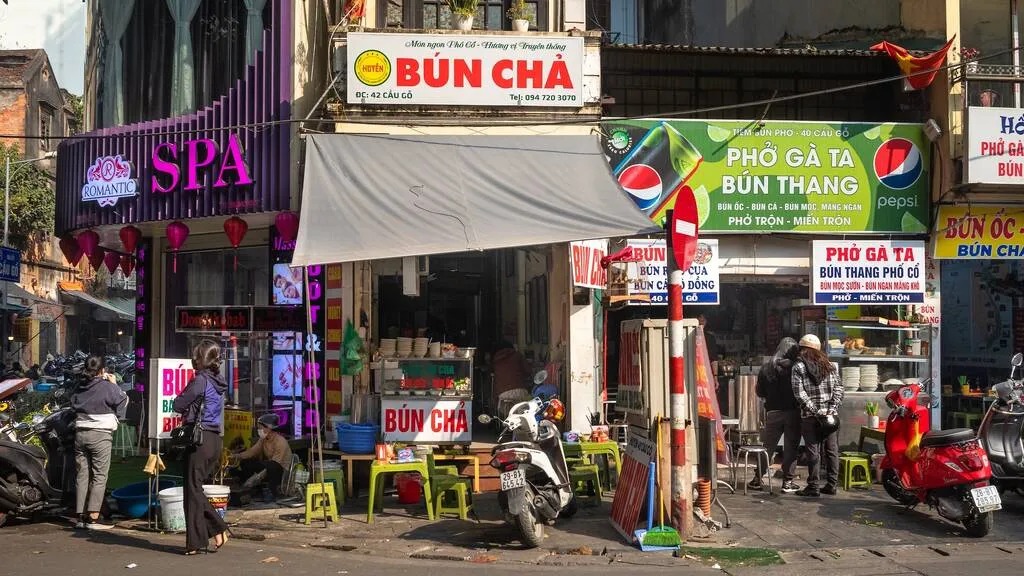
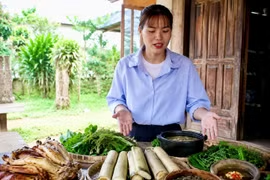
Vietnam’s capital is home to countless delicious dishes found in narrow alleys, along winding concrete steps, and in bustling street corners. There’s a long list of must-try foods, from banh mi and pho to banh cuon and bun cha.
3. Singapore
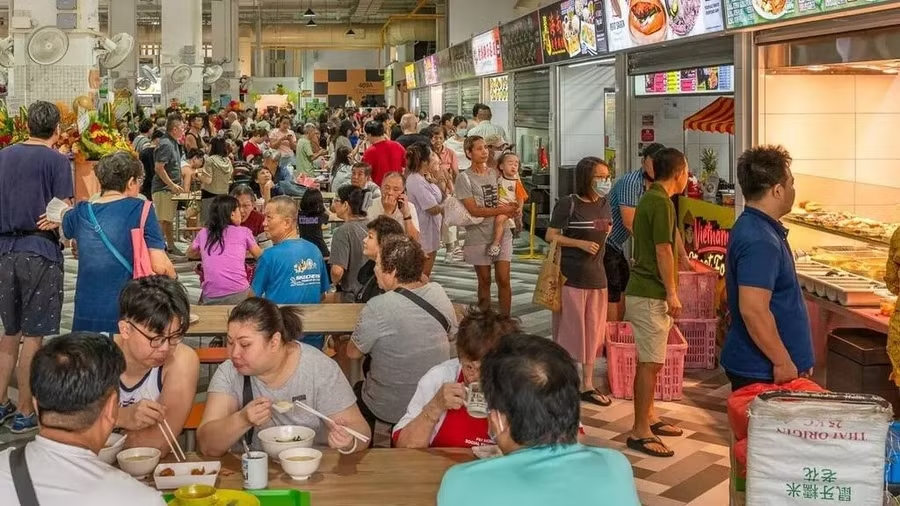
Singapore’s street food is so exceptional that UNESCO recognized it as an Intangible Cultural Heritage of Humanity in 2020. With over 200 hawker centers to choose from, there are thousands of stalls offering signature dishes.
4. Mumbai, India
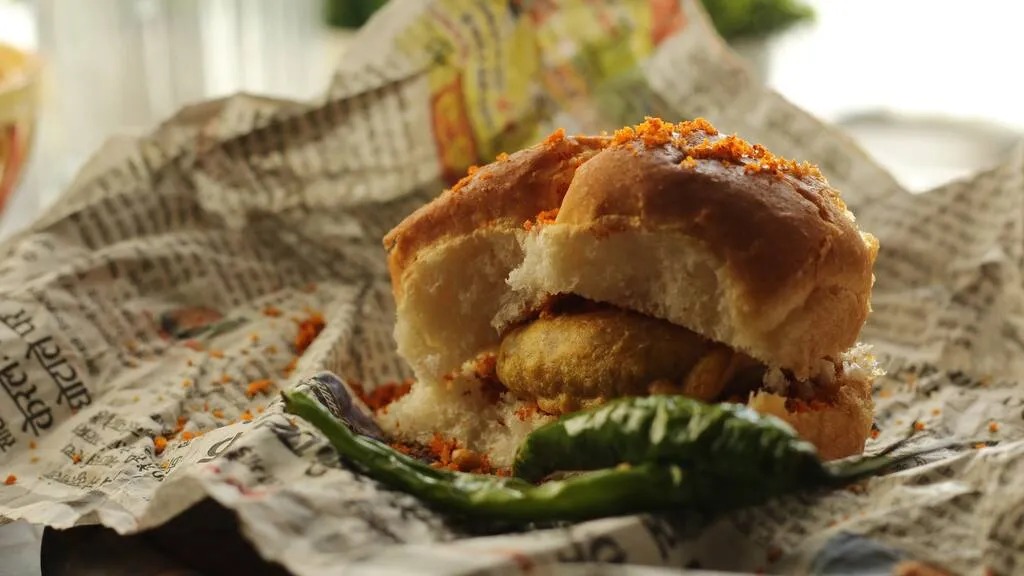
Exploring Mumbai’s street food isn’t for the faint of heart or stomach, but be bold—your taste buds will thank you. Influences from local Maharashtrians, South Indians, the British, and Portuguese have shaped this diverse culinary scene.
5. Chiang Mai, Thailand
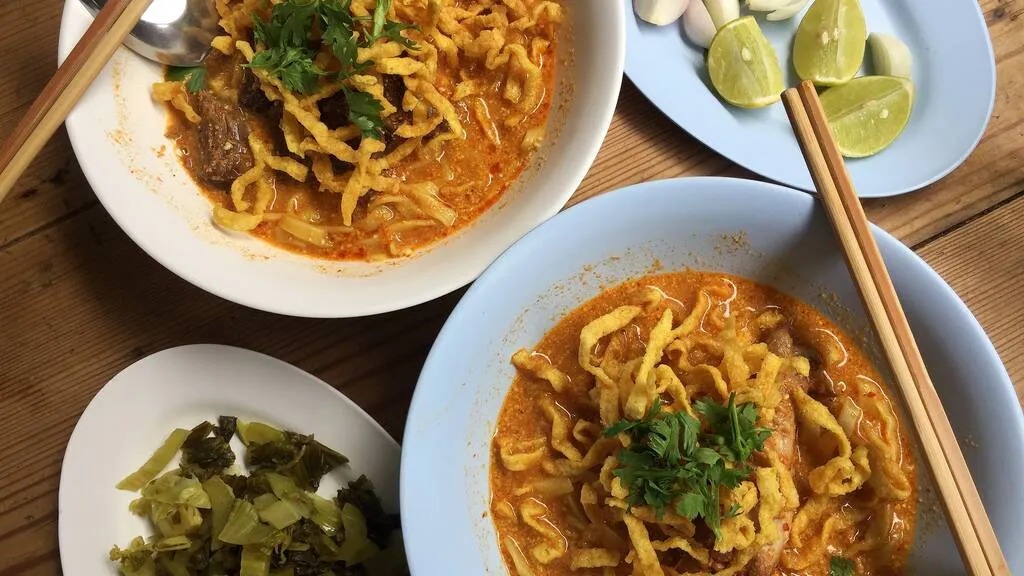
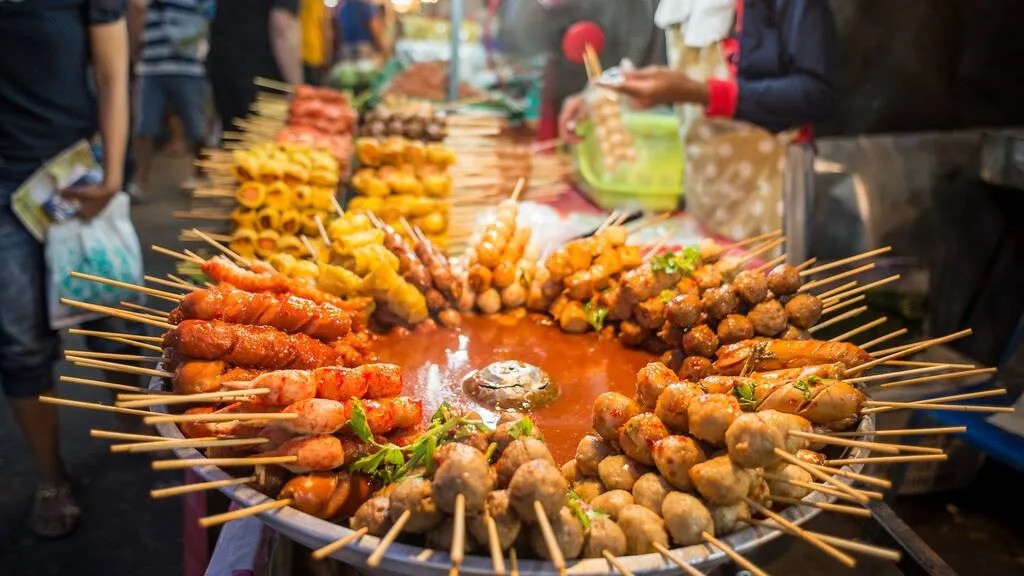
It’s hard to have a bad meal in Chiang Mai. The northern capital of Thailand is famous for Lanna cuisine, especially its bold flavors and spices, such as spicy sausages and chili-laden dishes, with dozens of night markets to explore around the city’s ancient walls.
6. Tainan, Taiwan
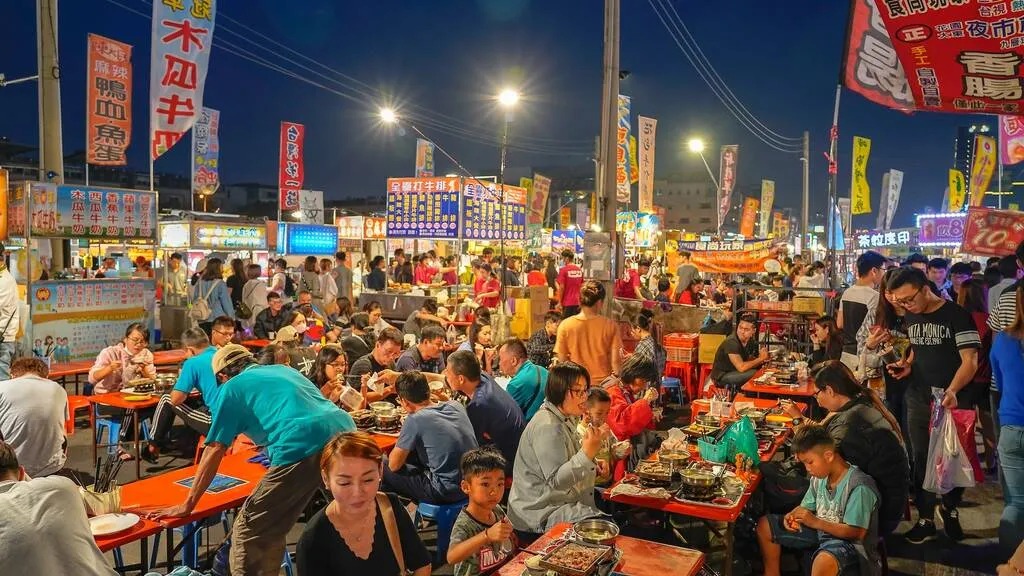
This ancient city is known as the birthplace and culinary capital of Taiwan. Here, beloved beef soup recipes have been perfected over centuries and passed down through generations. A simple rule when visiting: wander the alleys, pass under hanging red lanterns and street art, and join any long queue you see—the best food is there.
7. Osaka, Japan
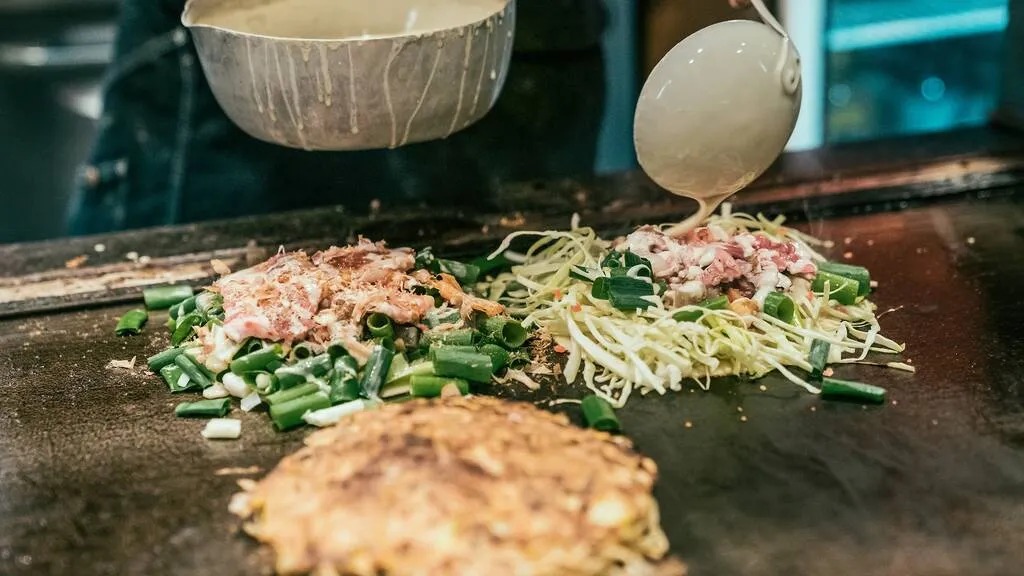
Nicknamed the “kitchen of Japan,” Osaka is a dream destination for food lovers seeking affordable eats like takoyaki (octopus balls) and okonomiyaki (savory Japanese pancakes).
8. Bangkok, Thailand
Bangkok is famous for its mouthwatering street food, from the world-renowned crab omelet at Jay Fai to trays of mango sticky rice. Banthat Thong Road offers nearly every Thai dish your appetite could desire.
9. Phnom Penh, Cambodia
Often underrated as a street food destination, Phnom Penh’s culinary scene is about much more than fried tarantulas and scorpions. Local highlights include amok, Cambodia’s signature dish made from freshwater fish mixed with coconut curry and steamed in banana leaves, and num pang with pâté—a fresh, addictive Cambodian take on the banh mi.
10. Chengdu, China
The heart of Sichuan cuisine, Chengdu is a UNESCO-recognized City of Gastronomy, famed for its fiery, tongue-numbing chili dishes.
Hotels and accommodation providers in Quy Nhon are stepping up preparations for the September 2 National Day holiday, upgrading facilities, refining services and offering promotions as advance bookings continue to rise.
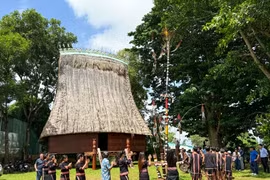
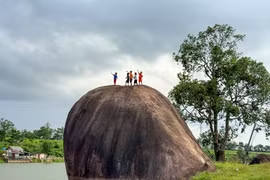
The five-day National Day holiday from August 29 to September 2 offers travelers an opportunity to explore Gia Lai through a journey linking its forests, cultural heritage and coastline.
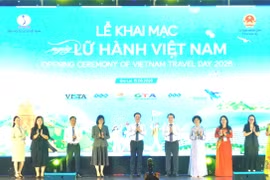
The 2nd Vietnam Travel Day 2026 opened in Gia Lai on August 15, bringing together tourism authorities, associations and businesses from Vietnam and overseas to strengthen market connections, develop new products and showcase the province’s evolving tourism landscape.
Hundreds of domestic and international tourism businesses surveyed attractions, cultural experiences and facilities in Gia Lai on August 14, exploring opportunities to develop new travel programs and partnerships in the province.
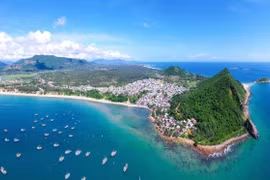
Mui Vi Rong, a dramatic rocky promontory jutting into the East Sea, is attracting a growing number of visitors to Phu My Dong, bringing new tourism opportunities to the centuries-old fishing community of Tan Phung.
Three whales were spotted simultaneously hunting for food off the coast of Vũng Bồi in An Lương commune at around midday on August 5, marking a rare wildlife sighting that has attracted widespread public attention.
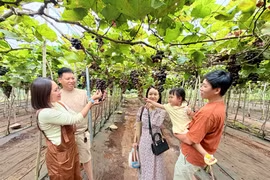
A 1.2-hectare organic vineyard in Gia Lai province has evolved into a leading agritourism destination, attracting between 20,000 and 30,000 visitors annually while demonstrating how organic farming and experiential tourism can generate sustainable rural livelihoods.
Cù Lao Xanh is leveraging its abundant marine resources and distinctive seafood cuisine to strengthen island tourism, while promoting sustainable fishing practices and protecting its coastal ecosystem.
Gia Lai's Department of Culture, Sports and Tourism, in coordination with Hanatour Vietnam Co., Ltd., conducted a familiarization (famtrip) tour on July 26 to assess cultural and natural attractions in the province's western region to develop a new tourism route for South Korean travelers.
National Tourism Year 2026 offers Gia Lai more than an opportunity to attract visitors. It provides a foundation for the province to establish a lasting tourism brand by transforming its rich cultural and historical heritage into distinctive visitor experiences.
Nhơn Châu island commune is reshaping its tourism strategy by focusing on authentic cultural experiences, environmental protection and community participation, as it seeks to create a distinctive destination while preserving its natural and cultural heritage.
Deep inside the Kon Ka Kinh forest, students are leaving behind mobile phones and internet access to learn practical outdoor skills through immersive experiences as Kon Ka Kinh National Park develops a new school tourism program focused on life skills and nature conservation.
The People's Committee of Gia Lai Province has approved a 12-month pilot program for jet skiing and motorized paragliding in Quy Nhon Ward as part of efforts to promote marine tourism development. The pilot will begin once the activities receive official authorization to operate.
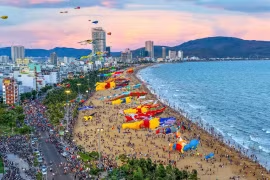
Hundreds of colorful kites, including giant whale, crocodile and stingray designs, filled the skies above Xuan Dieu Beach during the 2026 Quy Nhon-Gia Lai Artistic Kite Festival, drawing thousands of residents and tourists and adding to the city's summer tourism appeal.
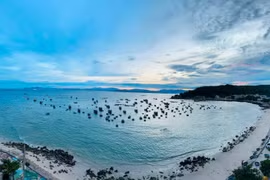
Quy Nhon, located in Gia Lai province, has been recognized as Vietnam's sole representative among the ideal destinations for beach exploration journeys, according to a recent announcement by Lonely Planet.
Authorities in Gia Lai Province have reviewed proposals to develop ecotourism, resort and entertainment projects at Kon Ka Kinh National Park and Kon Chư Răng Nature Reserve through 2030, with a long-term vision extending to 2045.
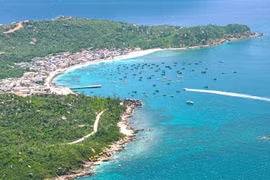
Tourism is steadily reshaping life on Cu Lao Xanh, a small island commune about 20 kilometers off Vietnam’s coast, as fishermen and their families diversify their livelihoods while local authorities seek to build a sustainable tourism industry around the island’s natural attractions.
Gia Lai Province officially launched the “Gia Lai Welcomes Summer 2026” Tourism Festival on June 20 with a large-scale arts programme that combined traditional culture, contemporary music and tourism promotion, drawing residents and visitors to Nguyen Tat Thanh Square in Quy Nhon Ward.
Gia Lai’s Hoài Nhơn Ward is seeking to transform its extensive coconut groves into a distinctive tourism asset, combining cultural heritage, community-based experiences and coastal attractions to create a unique destination in central Vietnam.
Authorities in Quy Nhon have launched a dedicated passenger pick-up and drop-off point at Mui Tan Wharf for tourist boats serving Nhon Chau Island, replacing the previous departure point at Ham Tu fishing port as part of efforts to improve service quality, enhance safety and tourism management.
The 6th Cham Ethnic Cultural Festival will be held in Khanh Hoa Province from June 26 to 28, 2026, bringing together Cham communities from seven provinces and cities across Vietnam to celebrate and promote their cultural heritage.
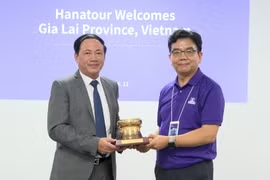
Gia Lai is seeking closer cooperation with South Korea’s leading travel company HanaTour to expand tourism links and promote charter flight services, as the province prepares to host Vietnam’s National Tourism Year 2026 and increase international visitor arrivals.
After a nearly 10-hour trek covering more than 8 kilometres through dense forest, visitors were only able to approach within just over 10 metres of Hon Chuong Tower before thick fog obscured the solitary Cham structure perched atop Hon Chuong Mountain in De Gi Commune, Gia Lai Province.
Gia Lai is well positioned to become a leading sports tourism destination in Vietnam’s central and highland regions, experts said at a national scientific conference held on June 5 in Quy Nhon Ward.