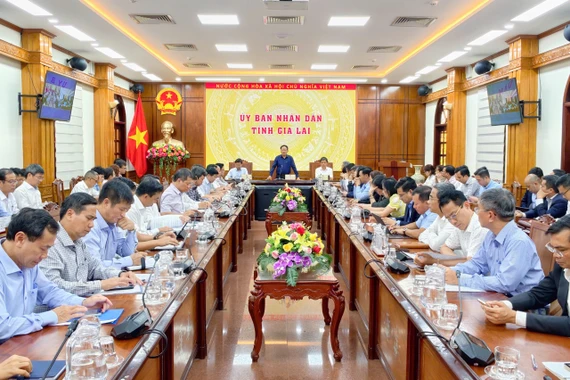
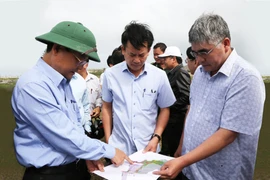

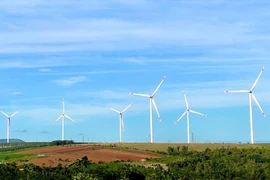
The People’s Committee of Gia Lai Province has approved VinEnergo Energy Joint Stock Company as the investor for the Vinh Thuan Wind Power Plant, a project valued at VND 4,679 billion (about $184 million).
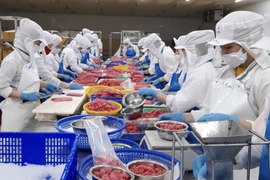
Ongoing conflict in the Middle East is disrupting global maritime transport, extending delivery times and increasing logistics costs for exporters in Vietnam’s Central Highlands province of Gia Lai.
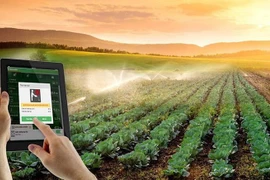
Vietnam will support cooperatives in accessing digital platforms and new technologies under its 2026 Cooperative Development Plan, aimed at accelerating digital transformation and improving competitiveness in the collective economic sector.
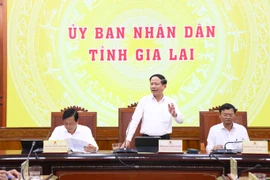
Authorities in Gia Lai province pledged to step up efforts to achieve double-digit GRDP growth by 2026, as the province reported mixed economic results across sectors in February.
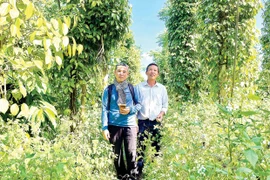
Organic agriculture movement is gaining momentum as the Huỳnh Thành Ngọc-led “farmer warriors” project demonstrates that soil-first farming can improve yields, restore ecosystems and strengthen farmer livelihoods.
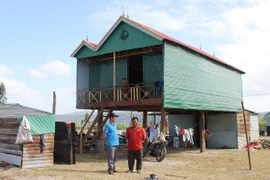
Communities in western Gia Lai are accelerating efforts to restore farming and rebuild homes after late-2025 storms and floods devastated thousands of hectares of crops, damaged livestock production, and repeatedly inundated residential areas.
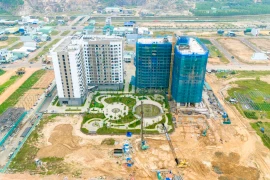
Gia Lai province is tightening oversight of major urban area and residential housing projects as it pushes to meet its goal of double-digit GRDP growth from 2025 to 2030.
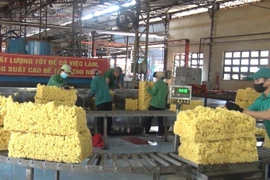
Gia Lai’s major rubber producers are racing to meet the European Union Deforestation Regulation (EUDR), overhauling land records, tightening supply-chain controls and deploying digital traceability systems to safeguard access to a high-value export market.
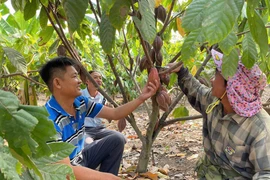
The once-barren commune of Pờ Tó is emerging as a new cocoa hub after successful trials by Trọng Đức Cocoa Co., Ltd., drawing interest from Japan’s Bourbon Corporation and promising higher incomes for local ethnic minority farmers.
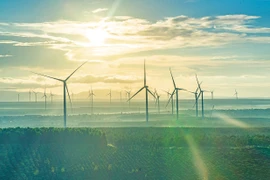
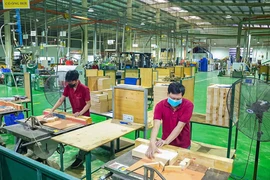
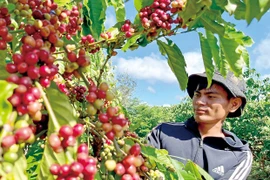

As Vietnam enters a new phase of development and seeks to strengthen the global competitiveness of its companies, the trajectory of enterprises that have proactively integrated into international markets offers important lessons.
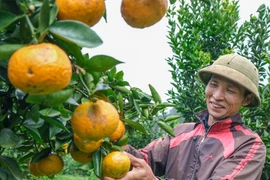
As Tet approaches, Sơn Lang commune in Vietnam’s Gia Lai province enters its busiest weeks of the year, with vivid orange and yellow orchards drawing traders and visitors to one of the region’s most productive citrus hubs.
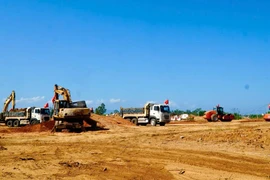
Work continued throughout the Lunar New Year on two of the province’s most critical infrastructure projects, the Quy Nhơn - Pleiku Expressway and the second runway at Phù Cát Airport, as the contractors intensified efforts to avert schedule slippage from the first days of the year.
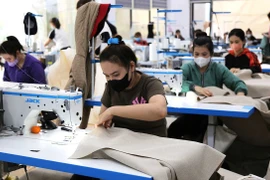
Gia Lai province has rolled out an ambitious plan to accelerate the transition of household businesses into enterprises, positioning the private sector as a core engine of economic growth.
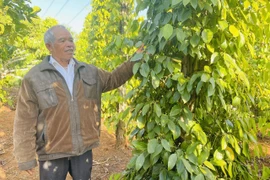
Community leaders and respected village figures in western Gia Lai province are emerging as key drivers of local economic growth, using their own household successes to encourage ethnic minority communities to adopt more sustainable and productive farming models.
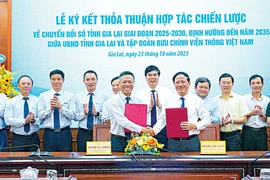
Gia Lai province is emerging as one of Vietnam’s most assertive adopters of digital transformation, rolling out AI tools, upgrading administrative systems, and investing heavily in digital infrastructure as part of the national strategy to modernize government and accelerate economic development.
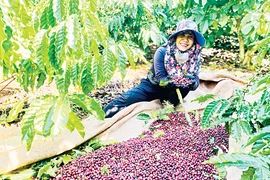
Gia Lai province is accelerating a broad transition toward green and organic farming as climate pressures, rising input costs, and stricter market requirements push its agricultural sector to shift from output-driven production to sustainability-focused models.
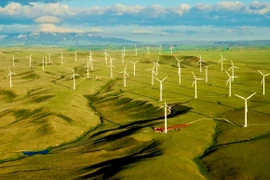
Gia Lai is leveraging its rich natural resources and strong wind and solar potential to position itself as a renewable energy hub in the Central and Central Highlands regions.
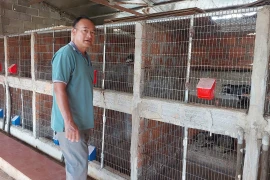
A farmer in Pleiku, Nguyễn Trung Nguyên, has become the first local producer of civet coffee after spending 15 years expanding a small experiment into one of Tây Gia Lai’s largest civet farms.

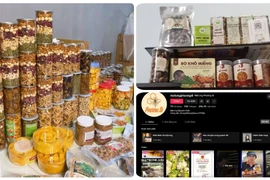
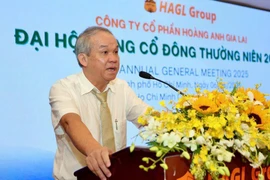
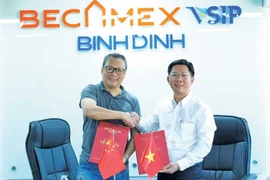
As the Lunar New Year approaches, authorities and businesses in Gia Lai are framing 2026 as a decisive year to anchor long-term, sustainable development, with a focus on agriculture, tourism, infrastructure and governance reform.
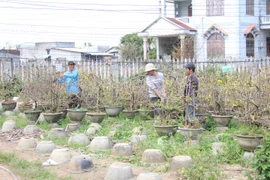
Unfavorable weather, rising production costs and weakening consumer demand have cast an unusually subdued mood over the apricot-growing hubs of An Nhơn Đông and An Nhơn Bắc, where growers say the 2026 Bính Ngọ Lunar New Year market is the bleakest in years.
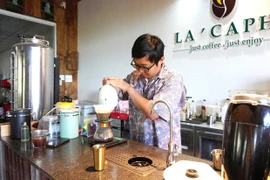
Gia Lai farmers in Vietnam are accelerating a shift from commercial coffee to specialty-grade Robusta as demand for premium beans grows domestically and abroad. The transition is reshaping harvesting and processing practices across the province as producers pursue stricter quality standards.
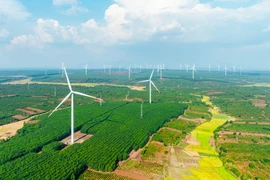
The National Assembly’s adoption of Resolution No. 253/2025/QH15 on December 11, 2025, outlining mechanisms and policies for national energy development for the 2026-2030 period, is being regarded as a timely and strategically important decision.
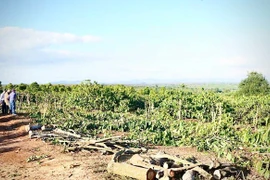
Residents in Đak Đoa commune have voluntarily cleared crops and dismantled structures to hand over land for the Quy Nhơn-Pleiku Expressway, significantly accelerating site-clearance progress for the national transport project.
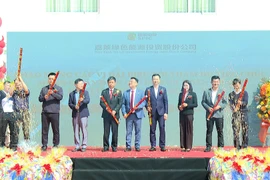
Gia Lai province on January 30 announced the full commercial operation of the Ia Pech and Ia Pech 2 wind power projects, officially bringing all turbines online and supplying electricity to Vietnam’s national grid at maximum capacity.